Civici Musei d'Arte e Storia Santa Giulia, Brescia
Historic Building and Museum in Brescia
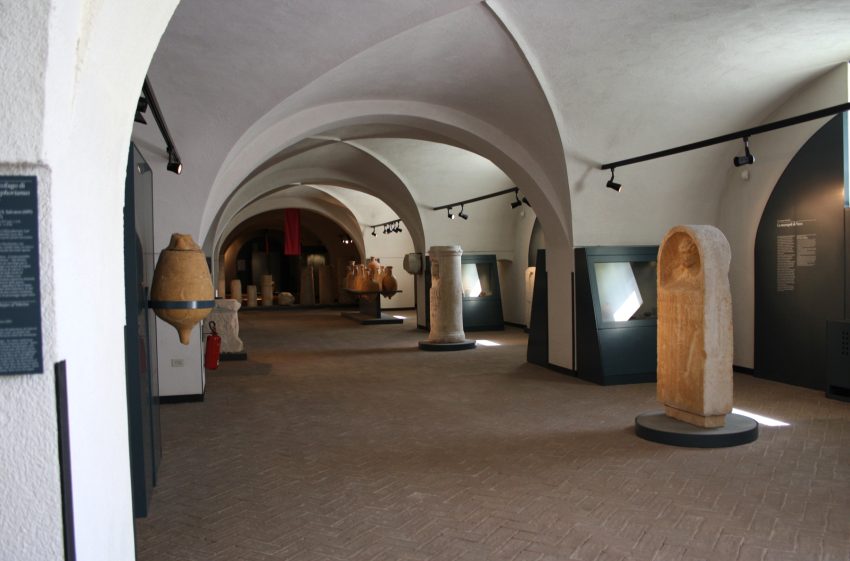
Civici Musei d'Arte e Storia Santa Giulia in Brescia is a large city museum set inside a former Benedictine monastery on Via dei Musei. The visit combines exhibition galleries with original historic spaces, so you move between Roman remains, monastic courtyards, chapels, and church interiors in one complex.
What makes Santa Giulia worth time is the way its buildings and collections explain Brescia through different periods rather than isolating one era. Visitors usually notice the Domus dell'Ortaglia beneath the monastery, the chapel of Santa Maria in Solario, and the painted church spaces that still define the complex. It suits travellers who like archaeology, religious art, and architecture, and it is less suitable for anyone looking for a short, single-theme museum visit.
History and Significance of Santa Giulia Museum
The museum is housed in the Monastery of Santa Giulia, founded in the 8th century by King Desiderius, one of the last Lombard rulers. Over the centuries, the complex grew into a major religious and cultural centre, with successive architectural additions reflecting changing artistic and spiritual sensibilities. Its long history is palpable everywhere, from Roman mosaics to medieval refectories and Renaissance chapels.
Below the monastery lie some of Brescia's most important archaeological remains, including the Domus dell'Ortaglia, a remarkably preserved Roman residential complex. These ruins provide a vivid picture of life in ancient Brixia. The museum's collections, which span from the Bronze Age to the nineteenth century, have transformed Santa Giulia into a true city museum-its narrative focusing on the evolution of Brescia and its territory across three millennia.
Things to See and Do in Santa Giulia Museum
Exploring Santa Giulia means discovering a series of interconnected historic spaces. Begin with Santa Maria in Solario, a jewel-like Romanesque chapel with exquisite frescoes and a starry ceiling. The nuns’ choir offers sweeping views into the church of Santa Giulia, filled with monumental fresco cycles that reveal medieval religious devotion at its height. Each room and corridor reveals new perspectives on the monastery’s sacred past.
The museum's archaeological area is a highlight, especially the Domus dell'Ortaglia, where mosaics, wall paintings, and residential structures illustrate the luxury and refinement of Roman domestic life. Among the museum's most precious treasures are the Cross of Desiderius-one of the most important early medieval artifacts in Italy-and the Lipsanoteca, an intricately carved ivory reliquary. Thousands of additional objects trace the artistic, economic, and spiritual evolution of Brescia and its province.
How to Get There
Santa Giulia Museum is located along Via Musei, within Brescia's historic centre. It is easily reached on foot from the main pedestrian areas and nearby archaeological sites. The Brescia Metro provides quick access via the Museo station, which is only a short walk from the entrance. Use Omnio to easily compare schedules, book train tickets, and find the best prices all in one place for a hassle-free journey across Italy. Travellers arriving by car will find parking areas on the edges of the Old Town, from where the museum is accessible on foot. If you are looking to rent a car in Italy I recommend having a look at Discover Cars, first, as they compare prices and review multiple car rental agencies for you. Those flying into nearby airports such as Milan Bergamo or Verona can continue to Brescia by regional train services. For the best deals and a seamless booking experience, check out these flights to Brescia on Booking.com.
Practical Tips on Visiting Santa Giulia Museum
- Best time to visit Santa Giulia Museum: Morning visits offer quieter galleries and cooler temperatures in summer.
- Entrance fee in Euros: Standard admission applies; combined tickets with archaeological sites may be available.
- Opening hours: Typically open daily except Mondays; hours vary seasonally.
- Official website: Consult Brescia Museums' official site for updated hours and exhibitions.
- How long to spend: At least 2 to 3 hours; the complex is extensive.
- Accessibility: Many areas are accessible, though some archaeological zones have uneven surfaces.
- Facilities: Café, bookshop, restrooms, and shaded courtyards for breaks.
- Photography tip: Capture the upper floor of Santa Maria in Solario for dramatic angles.
- Guided tours: Highly recommended for understanding the archaeological layers and monastic history.
- Nearby food options: Numerous restaurants and cafés along Via Musei and the nearby piazzas.
Where to Stay close to Santa Giulia Museum
Staying near the museum places you in Brescia’s historic heart and close to major Roman and medieval landmarks. For boutique comfort within walking distance, consider Centro Paolo VI, set in an elegant historic villa. Travellers wanting a modern stay might enjoy AC Hotel Brescia, offering contemporary style and good transport links. A charming and central option is Albergo Orologio, perfect for exploring the Old Town. Another solid choice is Hotel Vittoria, a classic hotel close to Piazza della Loggia.
Is Santa Giulia Museum Worth Visiting?
Absolutely. Santa Giulia Museum is one of the must-see places in Brescia, offering an extraordinary blend of archaeology, sacred art, architecture, and storytelling. Few museums in Italy allow you to walk through Roman houses, Lombard chapels, medieval fresco halls, and Renaissance cloisters in a single visit. It's an exceptional window into the city's past and a highlight of any cultural itinerary.
What Other Travellers Say...

Santa Giulia Museum, located at Via dei Musei 81b in Brescia, occupies a Lombard Benedictine monastery complex and presents regional history through pre‑Roman, Roman and medieval artifacts; highlights mentioned by visitors include in‑situ Roman domus excavations with mosaic floors and frescoes, bronze sculptures, the Cross of Desiderius and richly painted frescoes in the San Salvatore and Santa Giulia church spaces, plus a colorful solarium and video displays that help explain the collections — plan to allow a few hours (many say two or more) to explore the extensive galleries, though some visitors found the layout confusing and ticketing options limited to multi‑site combinations.


FAQs for Visiting Santa Giulia Museum
The Civici Musei d'Arte e Storia Santa Giulia appears in our Complete Guide to Visiting Brescia!

Moira & Andy
Hey! We're Moira & Andy. From hiking the Camino to trips around Europe in Bert our campervan — we've been traveling together since retirement in 2020!
This website uses affiliate links which may earn a commission at no additional cost to you!
Planning Your Visit
9am-5pm Tue-Fri, 10am-9pm Sat, 10am-6pm Sun
adult/reduced €10/7.50, combined ticket incl Tempio Capitolino €15/10
Nearby Attractions
- Santa Giulia Museum (0.1) km
Museum - Brixia Parco Archeologico (0.2) km
Historic Building and Museum - Piazza del Foro and Roman Theater (0.2) km
Historic Site - Santa Maria della Carità (0.4) km
Church - Brescia Castle (0.5) km
Castle - Duomo Nuovo (0.5) km
Basilica - Duomo Vecchio, Brescia (0.6) km
Cathedral - Broletto Palace (0.6) km
Palace and Square - Palazzo della Loggia (0.7) km
Historic Building and Palace - Piazza della Vittoria (0.7) km
Square