Château de Langeais, Tours (Loire)
Castle near Tours (Loire)
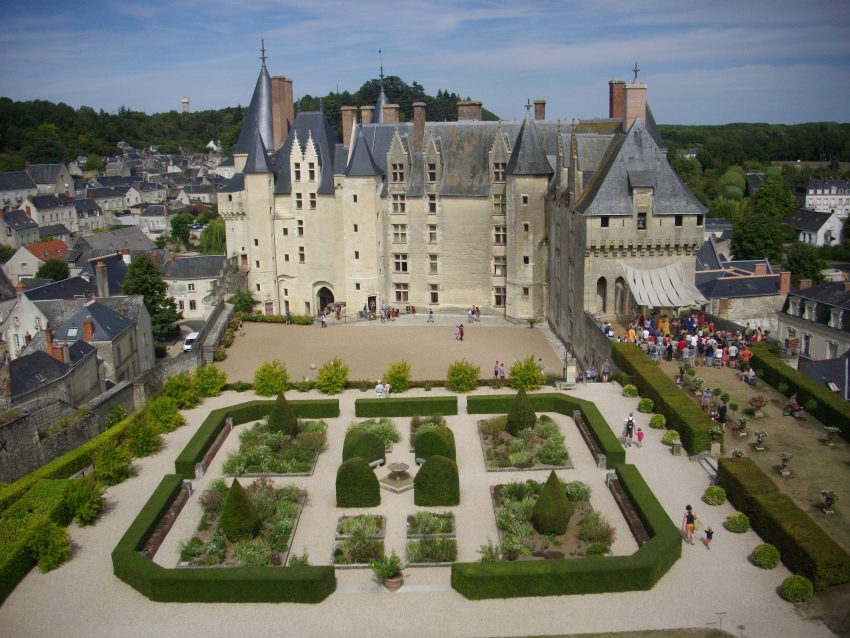
Château de Langeais sits right in the heart of the town of Langeais in the Loire Valley, an easy day trip from Tours and a surprisingly complete “castle experience” without the big-crowd feel. From the outside it reads like a proper fortress-tall walls, machicolations, and that irresistible detail: a working drawbridge that instantly makes the visit feel cinematic. Step inside the courtyard and the mood changes, with a more refined façade that hints at comfort, status, and the shifting tastes of late medieval France.
What makes it such a satisfying stop is how much variety is packed into one visit: dramatic architecture, richly staged interiors, and a leafy park that opens out the setting. If you're building a slow day around the town, this is one of the top sights in Langeais and it also fits naturally into a walking tour of Langeais, with cafés and riverside strolls close by.
Table of Contents
- History and Significance of the Château de Langeais
- Things to See and Do in the Château de Langeais
- How to Get to the Château de Langeais
- Practical Tips on Visiting the Château de Langeais
- Where to Stay Close to the Château de Langeais
- Is the Château de Langeais Worth Visiting?
- For Different Travelers
- FAQs for Visiting Château de Langeais
- Nearby Attractions to the Château de Langeais
History and Significance of the Château de Langeais
The story of Langeais begins with strategy. This stretch of the Loire was long a frontier zone, and the earliest fortifications here were about control-of the river, the road routes, and the political chessboard of medieval France. Over time, the site evolved from military necessity into a statement of power, and the château you see today reflects that pivot: still defensive in silhouette, but increasingly designed for display and domestic life.
The current château is most closely associated with the late 15th century, when royal authority and courtly culture were reshaping France. That transition is visible in the building itself: the stern, fortress-like exterior contrasts with the more elegant courtyard side, like a before-and-after of medieval life. It is also remembered for a major dynastic moment-connected to the marriage of Charles VIII and Anne of Brittany-an event that anchored Langeais in the bigger national narrative.
Today, the château’s significance isn’t only in dates and names, but in how vividly it communicates a turning point. You can read the end of the Middle Ages in its fortifications, and you can feel the pull toward Renaissance comfort in its interiors and decorative choices. It’s a place where architecture does the storytelling for you.
Things to See and Do in the Château de Langeais
Start with the approach and the drawbridge, because it sets the tone. Even before you enter, pause to take in the contrast of the two façades and the way the château dominates its immediate surroundings. Once inside, the furnished rooms and staged spaces give the visit momentum-this is not an empty shell, but a place curated to feel inhabited, with a strong sense of atmosphere.
A highlight for many visitors is the way the château presents late-medieval life: reception rooms, private chambers, and decorative elements that make you look closer-carved woodwork, textiles, and details that reward a slower pace. The tapestry collection is another standout, lending color and narrative to the interiors and giving you a sense of how status and storytelling once hung on the walls as much as it sat at the table.
Save time for the park, which is more than a quick loop. It's the decompression zone after the interiors, and it adds context by connecting the château to the landscape that once mattered strategically. If the light is good, the park is also where you'll get some of the most satisfying photos-stone against greenery, and the sense that you've stepped into a Loire Valley postcard.
How to Get to the Château de Langeais
The most convenient airport for Langeais is Tours Val de Loire Airport (TUF), with Paris airports also workable if you're linking this visit to a wider Loire Valley itinerary. For the best deals and a seamless booking experience, check out these flights to Tours (Loire) on Booking.com. From Tours, it’s an easy regional hop; from Paris, you’re essentially doing a city-to-Loire transfer before settling into château-hopping.
By train, Langeais is one of the easier château towns to reach because it has its own station, with straightforward connections from Tours and onward routes that make it simple to combine with other Loire stops in the same day. You can use SNCF Connect to check schedules, compare routes, and purchase tickets for National (SNCF ) and regional trains (TER). For a more streamlined experience, we recommend using Omio, which allows you to easily compare prices, schedules, and book tickets for both National and Regional travel across all of Europe, all in one place. Once you arrive, the town is compact, and the walk from the station to the château is short enough to feel like part of the visit rather than a transfer.
If you're driving, Langeais is well placed for a château loop-use it as a base between Tours and the western Loire, and you'll have flexibility for early starts and late finishes that are harder to pull off on public transport. If you are looking to rent a car in France I recommend having a look at Discover Cars, first, as they compare prices and review multiple car rental agencies for you. For buses, you’ll generally be relying on local/regional services that are best used as a supplement rather than the backbone of a packed itinerary, so check timings carefully if you’re planning a same-day return.
Practical Tips on Visiting the Château de Langeais
- Entrance fee: Adults: €12; ages 18–25: €10; ages 6–17: €6; under 6: free.
- Opening hours: Winter: 10:00–17:00 Summer: 09:00–19:30
- Official website: https://chateau-de-langeais.com/
- Best time to visit: Aim for a weekday morning for calmer rooms and better light in the courtyard; late afternoon can be beautiful, but plan around last entry.
- How long to spend: A solid 1.5-2 hours covers the interiors and park at a comfortable pace, especially if you linger with the tapestries and furnished rooms.
- Accessibility: Expect uneven surfaces and stairs typical of historic sites; check the official site for the most practical step-free options and current routes.
- Facilities: You’ll find visitor essentials in town close by, plus a gift shop on-site, so it’s easy to pair the visit with a café stop before or after.
Where to Stay Close to the Château de Langeais
For a culture-heavy itinerary, base yourself in central Langeais near the château and station; if your trip is more about river scenery and slow travel, a Loire-side stay just outside town can feel calmer while still keeping the château close.
In town, A la Fleur de Lys is a convenient, characterful option that keeps you within a short walk of the château and dinner spots. For a small, personable stay that still feels central, La Vie Voyage works well for early starts and an unhurried morning rhythm. If you want a more countryside-leaning base with a classic Loire setting, Logis Auberge De La Bonde puts you near the river and makes a great springboard for nearby châteaux and vineyards.
Is the Château de Langeais Worth Visiting?
Yes-especially if you like château visits that feel varied rather than repetitive. Langeais delivers a rare combination: a true fortress exterior, atmospheric furnished interiors, and a park that adds breathing room and context. It feels immersive without being overwhelming, which is exactly what you want when you’re seeing several Loire sites in a short span.
It’s also a particularly good “value stop” in itinerary terms. Because it’s right in town and easy to reach, you don’t lose half a day to logistics, and you can comfortably combine it with another château or a relaxed Loire riverside stroll. If you’re choosing a smaller set of châteaux rather than trying to see everything, Langeais earns its place.
What Other Travellers Say...

Château de Langeais is a compact fortress rebuilt in 1465 where you can tour some 16 rooms furnished in period style and view frescoes and tapestries; visitors praise its well-restored, authentic interiors, accessible walkways around the ramparts and towers, and pleasant grounds that include gardens, views over the town and Loire, a nearby keep's ruins and a treehouse area, with easy pedestrian access from the village and basic courtyard facilities available.


For Different Travelers
Families with Kids
The working drawbridge and fortress look tend to hook kids immediately, giving you a strong start before you even enter. Once inside, the staged rooms help keep attention moving, because there’s always something concrete to spot-big fireplaces, period furniture, and storybook-scale spaces.
Keep the visit flowing by mixing “rooms time” with “outdoor time.” The park is your reset button: it’s where kids can decompress, and you can still keep the visit feeling purposeful by turning it into a short scavenger hunt for architectural details and viewpoints.
Couples & Romantic Getaways
Langeais is made for an easy, romantic half-day: arrive in the softer morning light, take your time with the interiors, then slow down in the park. The contrast between stern stone and refined courtyard elegance gives the place a slightly dramatic mood that works well for couples.
It also pairs nicely with a Loire Valley lunch plan. Because the château is in town, you can step out and be at a terrace table quickly, which keeps the day feeling effortless rather than like a marathon of driving and ticket queues.
Budget Travelers
This is a smart pick because it’s accessible by train and walkable once you arrive, which can cut transport costs significantly. Build your day around the town itself-arrive, walk to the château, and then explore the riverside and main streets without needing taxis or a car.
To keep spending predictable, aim for off-peak times and consider pairing Langeais with free or low-cost nearby experiences like a Loire walk or viewpoint stops. You’ll still get a “full château day” feeling without stacking up big-ticket entries.
History Buffs
If you like sites that show transition periods, Langeais is particularly satisfying: you can read the shift from medieval defense to late-15th-century courtly life in one continuous visit. The architecture tells a clear story, and the interiors add texture that pure ruins can’t provide.
Give yourself permission to go slow in the rooms where decorative choices signal status and ideology-tapestries, reception spaces, and staged ceremonial areas. It’s the kind of château where the details make the broader political narrative feel tangible.
FAQs for Visiting Château de Langeais
Getting There
Tickets & Entry
Visiting Experience
Tours, Context & Itineraries
Photography
Accessibility & Facilities
Food & Breaks Nearby
Safety & Timing
Nearby Attractions to the Château de Langeais
- Château de Villandry: Famous for its geometric Renaissance gardens, it's an easy pairing if you want a second, contrasting château experience.
- Château d'Azay-le-Rideau: A classic Loire Valley silhouette set near the water, ideal if you're collecting “postcard” château views.
- Château d'Ussé: Often linked with fairy-tale imagery, it adds variety with its setting and storybook feel.
- Tours Old Town: Great for a change of pace-cathedral sights, lively streets, and an easy evening base if you're not sleeping in Langeais.
- Musée Maurice Dufresne: A quirky, fun museum nearby with vehicles and mechanical collections that’s especially good if you want something different from châteaux.
The Château de Langeais appears in our Complete Guide to Visiting Tours (Loire)!

Moira & Andy
Hey! We're Moira & Andy. From hiking the Camino to trips around Europe in Bert our campervan — we've been traveling together since retirement in 2020!
This website uses affiliate links which may earn a commission at no additional cost to you!
Planning Your Visit
Winter: 10:00-17:00
Summer: 09:00-19:30
Adults: €12; ages 18-25: €10; ages 6-17: €6; under 6: free.
Nearby Attractions
- Château de Villandry (8.4) km
Castle - Château d’Azay-le-Rideau (8.6) km
Castle - Château d’Ussé (12.0) km
Castle - Jardin Botanique De Tours (20.8) km
Gardens - Château de Chinon (21.7) km
Castle - Musee du Compagnonnage (22.6) km
Museum - Musée des Beaux-Arts de Tours (23.0) km
Museum - Cathédrale Saint-Gatien (23.0) km
Cathedral - La Forteresse de Montbazon (23.6) km
Castle - Château de Saumur (36.9) km
Castle