Château de La Roche-Jagu
Castle near Saint-Malo
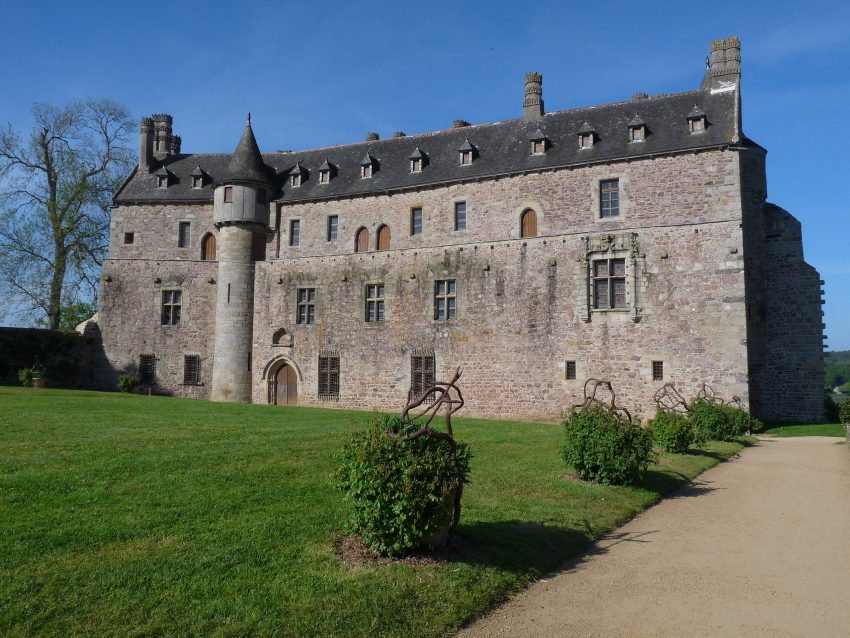
Château de La Roche-Jagu is one of the top attractions in Ploëzal, a commanding 15th-century fortress perched high above the Trieux River. Built to control movement along the waterway, its austere stone façade, defensive corridors, and elevated position reveal its strategic purpose. Yet today, the château is equally admired for its cultural programming and expansive gardens, making it a destination where history, landscape, and artistic expression all converge.
Since being taken over by the Departmental Council of Côtes-d'Armor in 1958, the château has been beautifully restored and reimagined as a vibrant cultural venue. Seasonal exhibitions, concerts, and public events draw visitors from across Brittany, while its permanent exhibition, Si La Roche-Jagu m'était contée, provides vivid insight into medieval life. Its setting amid 30 hectares of themed gardens makes it a highlight of any walking tour of Ploëzal, especially for travelers who love architecture and nature in equal measure.
Table of Contents
- History and Significance of Château de La Roche-Jagu
- Things to See and Do in Château de La Roche-Jagu
- How to Get There
- Practical Tips on Visiting Château de La Roche-Jagu
- Where to Stay close to Château de La Roche-Jagu
- Is Château de La Roche-Jagu Worth Visiting?
- FAQs for Visiting Château de La Roche-Jagu
- Nearby Attractions to Château de La Roche-Jagu
History and Significance of Château de La Roche-Jagu
Constructed in the 15th century, Château de La Roche-Jagu played a critical role in monitoring the Trieux River, a vital artery for trade and communication. Its fortified design-with machicolations, narrow windows, and walkways-reflects the concerns of a region where political power and control over waterways were essential.
Over the centuries, the château endured periods of neglect and change, but its strategic location ensured its continued importance. In 1958, the Côtes-d’Armor Departmental Council acquired the estate and undertook major restoration work in 1968. This initiative preserved the structure’s medieval integrity while opening it to the public as a cultural and historical landmark.
Today, the château’s permanent exhibition immerses visitors in the daily life of a Breton seigneurie, illustrating domestic routines, social hierarchy, and medieval craftsmanship. Combined with rotating exhibitions and performances, the site balances heritage preservation with contemporary cultural engagement.
Things to See and Do in Château de La Roche-Jagu
Inside the château, visitors can explore rooms dedicated to medieval life, filled with interpretive displays and reconstructed scenes that bring the past vividly to life. The architecture itself is a highlight, with fortified walkways, stone staircases, and sweeping views of the Trieux estuary from its elevated vantage points.
The surrounding 30-hectare park is one of the château’s greatest attractions. Landscaped pathways lead through a range of themed spaces, including medieval-inspired gardens, a palm grove, a collection of oak varieties, and an extensive rose garden. Trails dedicated to water sources and historical agricultural practices reveal how the land was once used and cultivated.
The estate also hosts seasonal concerts, art installations, and outdoor events that animate the grounds throughout the year. Whether you're drawn to history, horticulture, or cultural experiences, Château de La Roche-Jagu offers a richly varied visit.
How to Get There
Château de La Roche-Jagu is located in Ploëzal, about 15 minutes from Pontrieux and roughly an hour from Brest or Saint-Brieuc. Visitors arriving by air can reach the region from Brest Bretagne Airport or Saint-Brieuc-Armor Airport before continuing by road. For the best deals and a seamless booking experience, check out these flights to Brest on Booking.com.
Traveling by car is the most convenient option, with parking available near the estate entrance. If you are looking to rent a car in France I recommend having a look at Discover Cars, first, as they compare prices and review multiple car rental agencies for you.
If arriving by train, nearby stations in Pontrieux or Guingamp connect to regional bus services, offering onward links toward Ploëzal. You can use SNCF Connect to check schedules, compare routes, and purchase tickets for National (SNCF ) and regional trains (TER). For a more streamlined experience, we recommend using Omio, which allows you to easily compare prices, schedules, and book tickets for both National and Regional travel across all of Europe, all in one place.
Practical Tips on Visiting Château de La Roche-Jagu
- Best time to visit Château de La Roche-Jagu: Late spring to autumn for full garden bloom and seasonal events.
- Entrance fee in Euros: Castle access may require a ticket; gardens often free.
- Opening hours: Seasonal; check schedules for château and garden access.
- Official website: Search for Château de La Roche-Jagu for updates.
- How long to spend: One to three hours, depending on garden exploration and exhibitions.
- Accessibility: The gardens are mostly accessible; château interiors have stairs and uneven surfaces.
- Facilities: Toilets, visitor information, a shop, and seasonal services.
- Photography tip: Capture the château from the garden terraces with the Trieux River below.
- Guided-tours: Offered seasonally for deeper insight into history and architecture.
- Nearby food options: Cafés and restaurants available in Pontrieux, Lézardrieux, and nearby villages.
Where to Stay close to Château de La Roche-Jagu
For easy access to the château and surrounding countryside, consider Hôtel Center Brest, which offers a good base for exploring wider Brittany. Another option is Oceania Brest Centre, ideal for combining visits with time in the city. Travelers seeking quieter rural surroundings may prefer Hôtel l'Amirauté, offering comfort and convenience for regional excursions.
Is Château de La Roche-Jagu Worth Visiting?
Yes, Château de La Roche-Jagu is absolutely worth visiting. Its fortified medieval architecture, immersive exhibitions, and expansive landscaped gardens make it one of Brittany's most engaging heritage sites. The views alone are worth the trip, while the cultural programming ensures there's always something new to experience.
What Other Travellers Say...

Domaine départemental de la Roche-Jagu is a striking 15th-century Gothic castle set above the river with extensive landscaped gardens and riverside paths; visitors praise the well-maintained interiors and accessible upper floors, the free gardens that remain open at lunchtime, seasonal displays, small art exhibitions, English-language exhibit texts and helpful staff, a café (book for lunch) and good value for a family visit, making it ideal for a relaxed afternoon exploring both the house and riverside walks.


FAQs for Visiting Château de La Roche-Jagu
Nearby Attractions to Château de La Roche-Jagu
- Pontrieux: A charming riverside town known for its timber-framed houses and boat rides.
- Château de la Hunaudaye: A striking medieval ruin surrounded by forest trails.
- Lézardrieux: A peaceful village overlooking the estuary, ideal for coastal walks.
- Tréguier: A historic town with a beautiful cathedral and scenic streets.
- Sillon de Talbert: A unique natural causeway stretching into the sea.
The Château de La Roche-Jagu appears in our Complete Guide to Visiting Brest!

Moira & Andy
Hey! We're Moira & Andy. From hiking the Camino to trips around Europe in Bert our campervan — we've been traveling together since retirement in 2020!
This website uses affiliate links which may earn a commission at no additional cost to you!
Planning Your Visit
From January 6 to May 7, 2025: Castle closed
From May 8 to June 30: Open every day 10 a.m.-12 p.m. / 2 p.m.-6 p.m. (closed Wednesday mornings)
From July 1st to August 31st: Open every day 10am-12:30pm / 2pm-7pm
From September 1st to 28th:Open every day 10am-12pm / 2pm-6pm (closed Wednesday mornings)
Park open all year
€6.50
Nearby Attractions
- Pointe de Plougrescant (16.0) km
Walk - Château de Tonquédec (20.1) km
Castle - Ploumanac’h Lighthouse (27.0) km
Lighthouse - Phare du Cap Fréhel, Plévenon (61.3) km
Lighthouse - Fort La Latte (64.0) km
Castle - Château du Guildo (71.6) km
Castle - Château de Pontivy (75.0) km
Castle - Château de Kerjean (75.1) km
Castle - Château de Trévarez (80.6) km
Castle - Promenade du Clair de Lune, Dinard (81.5) km
Walk