Château de Chenonceau, Tours (Loire)
Castle near Tours (Loire)
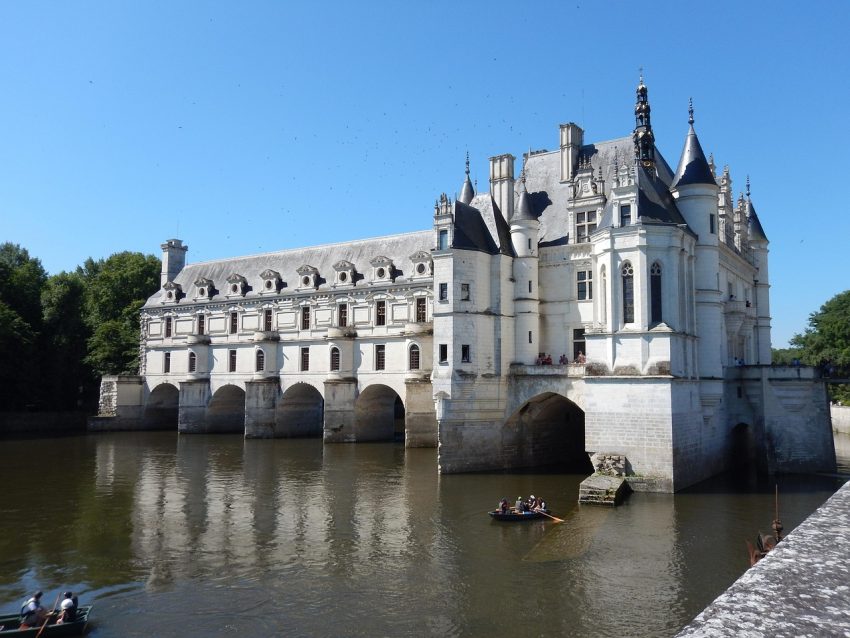
Château de Chenonceau is the Loire Valley's most instantly recognisable château, and it earns that status the moment you see it: pale stone arches stretching across the River Cher like a bridge, reflected in the water with a kind of symmetry that feels unreal. It sits in the village of Chenonceaux, east of Tours, and the setting is part of the appeal-soft river light, clipped gardens, and that calm, polished atmosphere that makes the whole estate feel carefully cared for rather than purely monumental.
Inside, it's a château that feels lived-in and personal, with rooms that lean into elegance rather than sheer scale, and a long riverside gallery that becomes the emotional centre of the visit. If you're mapping out one of the top attractions in Chenonceaux, this is the stop that ties everything together, and it also slips perfectly into a walking tour of Chenonceaux because the village, the river, and the château grounds all connect naturally.
Table of Contents
- History and Significance of the Château de Chenonceau
- Things to See and Do in the Château de Chenonceau
- How to Get to the Château de Chenonceau
- Practical Tips on Visiting the Château de Chenonceau
- Where to Stay Close to the Château de Chenonceau
- Is the Château de Chenonceau Worth Visiting?
- For Different Travelers
- FAQs for Visiting the Château de Chenonceau
- Nearby Attractions to the Château de Chenonceau
History and Significance of the Château de Chenonceau
Chenonceau’s nickname, the Château des Dames, isn’t marketing-it’s a genuinely useful lens for visiting. Several women shaped what you see today, from the gardens to the feel of the interiors, and that sense of personal legacy is unusual in a region where many châteaux read as purely royal or purely architectural statements.
The story is also inseparable from the river. Chenonceau’s design turns water into architecture: the château doesn’t just sit beside the Cher, it uses it, spanning it and framing it, so the landscape becomes part of the building’s identity. That choice is exactly why it photographs so well, but it also explains why the gallery feels so dramatic once you step inside and realise you’re walking above flowing water.
What makes Chenonceau particularly satisfying is how clearly its history shows through the visitor experience. You’re not only looking at rooms and objects; you’re reading power, taste, rivalry, and patronage in real spaces-gardens that feel intentional, corridors that feel curated, and a layout that keeps pulling you back toward the river.
Things to See and Do in the Château de Chenonceau
Begin with the exterior views from the riverbanks and bridges inside the estate, because they set the tone: Chenonceau is at its best when you understand how the architecture sits in the landscape. Then move indoors and take your time through the main sequence of rooms, where the décor and portraits give the château a human scale-more refined residence than fortress.
The must-see interior moment is the Grand Gallery, the long hall above the arches spanning the Cher. Its length, light, and rhythm of windows make it feel almost modern, and it’s one of those spaces where you naturally slow down because every few steps the view changes-river below, gardens beyond, and the château’s own reflection shifting with the current.
Outside, the gardens are more than a quick loop. Even if you’re not a “garden person,” Chenonceau’s landscaping is designed to be walked, with sightlines that keep revealing the château from new angles. It’s worth lingering in the quieter paths too, because stepping away from the main flow is often when you notice the small details-edges of hedges, the sound of water, and the soft transition from formal design into wooded calm.
How to Get to the Château de Chenonceau
The closest airport is Tours Val de Loire Airport (TUF), with Paris Charles de Gaulle (CDG) and Paris Orly (ORY) as the main international alternatives. For the best deals and a seamless booking experience, check out these flights to Tours (Loire) on Booking.com.
By train, the simplest route from Paris is TGV to Saint-Pierre-des-Corps (Tours), then a TER connection to Chenonceaux; the station is about a 400 m walk from the ticket office. You can use SNCF Connect to check schedules, compare routes, and purchase tickets for National (SNCF ) and regional trains (TER). For a more streamlined experience, we recommend using Omio, which allows you to easily compare prices, schedules, and book tickets for both National and Regional travel across all of Europe, all in one place.
If you're relying on buses, the most practical approach is usually to base yourself in Tours or Amboise and use a mix of local connections, taxis, or organised day trips, since the last-mile logistics can be slower than the train.
Driving is straightforward and gives you flexibility for pairing Chenonceau with other Loire stops, especially early or late in the day when the roads feel quieter. If you are looking to rent a car in France I recommend having a look at Discover Cars, first, as they compare prices and review multiple car rental agencies for you.
Practical Tips on Visiting the Château de Chenonceau
- Entrance fee: Full entry (château + gardens): €18.00
- Opening hours: Winter: 09:30–17:30. Summer: 09:00–18:00.
- Official website: https://www.chenonceau.com
- Best time to visit: Go early in the morning for calmer rooms and cleaner photos in the gallery; mid-afternoon can be busier with day-trippers.
- How long to spend: Plan 2.5-4 hours if you want to see the interiors properly and still enjoy the gardens without rushing.
- Accessibility: Expect a mix of flat indoor routes and garden paths that can be uneven; if mobility is a concern, prioritise the main rooms and the most direct garden viewpoints.
- Facilities: Treat it as a half-day outing with a proper break-there are on-site options, and Chenonceaux village is also an easy place to pause for something simple afterward.
Where to Stay Close to the Château de Chenonceau
For a culture-heavy Loire itinerary, base yourself in Tours for variety and easy day trips; for maximum convenience and early access, stay in Chenonceaux village itself.
If you want to be able to walk to the entrance and still feel like you’re in classic Loire countryside, Auberge du Bon Laboureur is a strong choice with a polished, traditional feel close to the château. For something comfortable, simple, and very well-located in the village lanes, Le Relais Chenonceaux keeps you near the château without needing a car for evenings. If you like a quieter, garden-forward atmosphere after a busy sightseeing day, Hôtel La Roseraie is another convenient base within easy reach.
Is the Château de Chenonceau Worth Visiting?
Yes-because it delivers on every level that matters for a Loire château day: an iconic exterior, genuinely memorable interiors, and gardens that feel like a complete experience rather than an add-on. The river-spanning gallery alone is the kind of space you remember long after you've left the Loire Valley.
It’s also a château that works whether you’re here for history, aesthetics, or pure atmosphere. Even in a region packed with famous estates, Chenonceau feels distinct because the setting is inseparable from the architecture, and the visit flows naturally from rooms to gardens to water views.
What Other Travellers Say...

Château de Chenonceau in Chenonceaux is a striking, elegant 16th-century castle that spans the River Cher, known for its long river-spanning gallery, fine Old Master paintings and tapestries, and richly decorated historic rooms such as the Louis XIV drawing room and Catherine de' Medici's bedroom; visitors praise its graceful, romantic setting, well-kept Medici-style gardens with boxwood, roses and lavender, peaceful parks with benches, a welcoming atmosphere, handy spray misters in hot weather, an on-site restaurant worth the queue, and a wine cellar offering short tastings.


For Different Travelers
Families with Kids
Chenonceau works well for families because the “castle on the river” idea is instantly engaging, and the visit naturally alternates between indoor rooms and outdoor space. The gardens are your best reset button-use them to break up the interior route so kids don’t hit a fatigue wall.
If you’re visiting in peak season, aim for a clear plan: a focused interior pass, then time outside, then one final indoor highlight like the gallery. That structure keeps the day feeling like a discovery rather than a long, linear museum walk.
Couples & Romantic Getaways
This is one of the Loire’s most romantic stops, especially if you treat it as an unhurried experience rather than a checklist. The gallery above the river, the reflections in the Cher, and the garden sightlines are made for slow wandering and quiet pauses.
For a more intimate feel, linger in the gardens after the main interior flow and revisit the river viewpoints when the light softens. Pair it with a relaxed lunch in the village to turn the visit into a full, graceful half-day.
Budget Travelers
Chenonceau is a premium Loire ticket, so it’s best approached as your “anchor” château for the day rather than one of several expensive admissions. Balance it by doing free village wandering, river viewpoints, and a self-guided loop that doesn’t rely on paid extras.
If you're based in Tours, using the train can keep costs predictable and removes parking stress. It also makes timing easier if you're planning to see another nearby town the same day.
History Buffs
Chenonceau is unusually rewarding for history-focused travellers because you can trace patronage and power through tangible changes-gardens, rooms, and that signature gallery space. It’s also a strong place to think about court culture as lived experience rather than abstract dates, because the château’s atmosphere feels residential and strategic at the same time.
Bring your attention to the “why” behind the layout: how movement is guided, how views are framed, and how the river is used to amplify prestige. Chenonceau is a lesson in architecture as political storytelling, not just beauty.
FAQs for Visiting the Château de Chenonceau
Getting There
Tickets & Entry
Visiting Experience
Tours, Context & Itineraries
Photography
Food & Breaks Nearby
Nearby Attractions to the Château de Chenonceau
- Château Royal d’Amboise: A landmark royal château with sweeping Loire views and a lively town atmosphere that pairs naturally with Chenonceau.
- Clos Lucé (Amboise): Leonardo da Vinci's final residence, ideal for travellers who want a more personal, story-driven heritage stop.
- Château de Montpoupon: A quieter château experience nearby, with a more intimate feel and fewer crowds than the headline estates.
- Château de Villandry: Famous for its highly structured ornamental gardens, a strong contrast to Chenonceau's river setting.
- Tours Old Town (Vieux Tours): A great base for evenings, with historic streets, restaurants, and an easy rhythm for Loire day trips.
The Château de Chenonceau appears in our Complete Guide to Visiting Tours (Loire)!

Moira & Andy
Hey! We're Moira & Andy. From hiking the Camino to trips around Europe in Bert our campervan — we've been traveling together since retirement in 2020!
This website uses affiliate links which may earn a commission at no additional cost to you!
Planning Your Visit
Winter: 09:30-17:30.
Summer: 09:00-18:00.
Full entry (château + gardens): €18.00
Nearby Attractions
- Château du Clos Lucé (11.2) km
Castle - Royal d’Amboise (11.7) km
Castle - La Forteresse de Montbazon (27.2) km
Castle - Musée des Beaux-Arts de Tours (29.4) km
Museum - Cathédrale Saint-Gatien (29.4) km
Cathedral - Musee du Compagnonnage (30.0) km
Museum - Jardin Botanique De Tours (31.2) km
Gardens - Château de Troussay (32.4) km
Castle - Château de Beauregard (33.5) km
Castle - Château de Blois (35.0) km
Castle