Cathedral of St. Mary and St. Anne, Cork
Cathedral in Cork

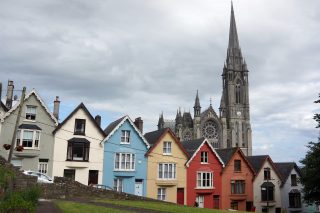
The Cathedral of Saint Mary and Saint Anne, often called the North Cathedral or Saint Mary's Cathedral, stands as one of the must-see places in Cork for visitors interested in architecture, history, and living heritage. As the mother church of the Roman Catholic Diocese of Cork and Ross, it has served generations of worshippers since the early 18th century, with baptismal registers dating back to 1731. Its story is woven into the development of Cork's northern suburbs, including Blackpool and Sunday's Well, and its quiet dignity contrasts beautifully with the lively city surrounding it. The cathedral is a great place to visit on a walking tour of Cork, offering a calm and reflective stop just minutes from the city centre.
What makes this cathedral particularly fascinating is how its architecture and interior reflect centuries of change. From its early Neo-Gothic Revivalist style to its post-Vatican II reorganisation, the building has evolved while preserving its spiritual heart. Today, visitors can explore its restored sanctuary, admire contemporary artworks, and even visit the visitor centre that houses the Cork Folklore Project exhibition beneath the sanctuary.
Table of Contents
- History and Significance of the Cathedral of Saint Mary and Saint Anne
- Things to See and Do in the Cathedral of Saint Mary and Saint Anne
- How to Get to the Cathedral of Saint Mary and Saint Anne
- Practical Tips on Visiting the Cathedral of Saint Mary and Saint Anne
- Where to Stay close to the Cathedral of Saint Mary and Saint Anne
- Is the Cathedral of Saint Mary and Saint Anne Worth Visiting?
- FAQs for Visiting the Cathedral of Saint Mary and Saint Anne
- Nearby Attractions to the Cathedral of Saint Mary and Saint Anne
History and Significance of the Cathedral of Saint Mary and Saint Anne
Construction of the cathedral began in 1799 under Bishop Francis Moylan, replacing an earlier church from the 1730s. It was formally dedicated in 1808 by Archbishop Thomas Bray of Cashel. Just twelve years later, in 1820, the cathedral suffered severe fire damage due to arson. Architect George Richard Pain undertook the restoration, enlarging the sanctuary and adding a chancel arch. After eight years of work, the cathedral reopened in 1828.
The building continued to grow and transform across the centuries. In 1869, the striking tower above the main entrance was added by architect John Benson, and in 1870 the tower received its set of nine bells, cast by John Murphy of Dublin. These bells continue to define the cathedral's sonic identity and were fully restored in 2022. Interior updates in the 20th century reflected evolving liturgical practices. Major renovations between 1965 and 1968 responded to the Second Vatican Council, simplifying and reorganising the interior layout. Further renovations from 1994 to 1996 refined the sanctuary, restored the tower, and removed older liturgical furnishings.
The cathedral has long been tied to Cork’s community life. Parish boundaries shifted over time, and chapels of ease were elevated to parish status in 1981. After the closure of Saint Vincent’s Church in 2016, the Vincentian Parish of Sunday’s Well returned to the cathedral parish. The bicentenary celebrations in 2008 highlighted the cathedral’s lasting importance, and the 2017 visitor centre extended its reach, offering insight into Cork’s cultural memory through folklore and oral history.
Things to See and Do in the Cathedral of Saint Mary and Saint Anne
Visitors can admire the cathedral’s early Neo-Gothic Revivalist style, with sandstone walls, limestone detailing, and elegant internal lines that lend a sense of height and serenity. The tower and its nine restored bells make an impressive focal point, especially when the bells ring across the north side of the city.
Inside, the cathedral’s contemporary sanctuary design reflects its post-Vatican II transformation. The Lady Chapel is a particular highlight, featuring modern religious artworks by Irish artist Patrick Pye. The blend of traditional stone architecture and contemporary liturgical art creates an atmosphere that feels both historic and alive.
The visitor centre beneath the sanctuary adds another dimension to a visit. Here, you can explore the Cork Folklore Project exhibits, which document everyday life, traditions, and personal histories from communities across Cork. This combination of sacred space and social storytelling makes the cathedral a unique cultural landmark.
How to Get to the Cathedral of Saint Mary and Saint Anne
Cork Airport is the nearest major airport and offers regular flights to and from several European cities. For the best deals and a seamless booking experience, check out these flights to Cork on Booking.com.
Train travellers can arrive at Cork Kent Station, then take a short bus or taxi ride to the cathedral, which is located just north of the River Lee. Train schedules and bookings can be found on Omio.
Driving is straightforward from most parts of Cork City, with several nearby streets offering parking options for visitors.
Practical Tips on Visiting the Cathedral of Saint Mary and Saint Anne
- Best time to visit the cathedral: Weekday mornings offer a quiet atmosphere for reflection or photography.
- Entrance fee in Euros: Entry is free.
- Opening hours: Typically open daily; hours may vary depending on services or events.
- Official website: Check the Cork and Ross Diocese website for updates and schedules.
- How long to spend: Around 30-45 minutes is ideal for a peaceful visit.
- Accessibility: The main interior is accessible, though some older areas may have limited access.
- Facilities: Basic visitor facilities are available; cafés and shops are a short walk away.
- Photography tip: Capture the façade in soft morning light, and don’t miss the details around the tower.
- Guided tours: The visitor centre occasionally offers guided insights via the Cork Folklore Project.
- Nearby food options: Numerous cafés and pubs in the Shandon and Blackpool areas.
Where to Stay close to the Cathedral of Saint Mary and Saint Anne
Several excellent accommodation options make it easy to stay within reach of the cathedral. The Maldron Hotel Shandon Cork City is a convenient base with comfortable rooms and quick access to nearby attractions Maldron Hotel Shandon Cork City. Another nearby option is The Metropole Hotel, offering historic charm with modern comforts in the heart of the Victorian Quarter The Metropole Hotel. For a more contemporary stay, the Clayton Hotel Cork City provides stylish amenities along the river Clayton Hotel Cork City.
Is the Cathedral of Saint Mary and Saint Anne Worth Visiting?
Yes. The Cathedral of Saint Mary and Saint Anne is a deeply atmospheric place where centuries of faith and community converge. Its architectural elegance, historic resilience, and modern touches create a compelling blend of old and new. Whether you’re interested in Cork’s religious history, its cultural heritage, or simply looking for a quiet and meaningful space, the cathedral is well worth a visit.
What Other Travellers Say...

Cathedral of St Mary & St Anne, Shandon sits on a hill in a charming Cork neighbourhood and is notable for its distinctive, detailed exterior and simple, bright interior; visitors find it a peaceful, authentic stop that's free to enter, with the nearby Shandon Bells/tower offering panoramic views and friendly staff at the top, and some parking available nearby though its status is unclear.


FAQs for Visiting the Cathedral of Saint Mary and Saint Anne
Nearby Attractions to the Cathedral of Saint Mary and Saint Anne
- Shandon Tower (St Anne's Church): Famous for its bells and panoramic city views.
- Cork Public Museum: Exhibits tracing Cork's archaeology, history, and culture.
- Elizabeth Fort: A seventeenth-century star-shaped fort overlooking Cork.
- Cork City Gaol: Atmospheric former prison turned museum.
- Blackpool Village: A historic neighbourhood with shops, cafés, and local character.
The Cathedral of St. Mary and St. Anne appears in our Complete Guide to Visiting Cork!

Moira & Andy
Hey! We're Moira & Andy. From hiking the Camino to trips around Europe in Bert our campervan — we've been traveling together since retirement in 2020!
This website uses affiliate links which may earn a commission at no additional cost to you!
Planning Your Visit
Nearby Attractions
- Shandon Tower (St Anne's Church) (0.2) km
Church - Butter Museum (0.2) km
Museum - Crawford Municipal Art Gallery (0.6) km
Arts Venue and Historic Site - St. Patrick's Street (0.7) km
Street - English Market (0.8) km
Market - Oliver Plunkett Street (0.8) km
Street - Elizabeth Fort (1.1) km
Historic Building - Saint Fin Barre’s Cathedral (1.2) km
Cathedral - The Glucksman (1.5) km
Arts Venue - Cork Public Museum (1.6) km
Museum