Casa do Infante, Porto
Historic Building in Porto
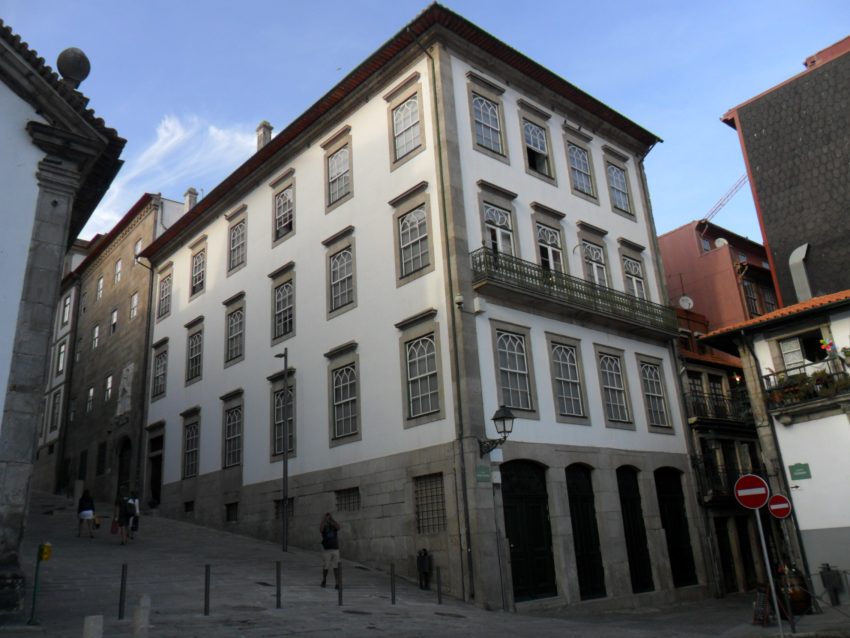
Casa do Infante is a compact, atmospheric museum in Porto's historic Ribeira area, best known as the traditional birthplace of Prince Henry the Navigator. What makes it especially rewarding is how much history is packed into a small footprint: a medieval customs and mint building, later remade, and now presented as a layered archaeological site that feels like a time capsule beneath the modern city.
Because it sits by the river and close to several headline landmarks, it's one of the things to do in Porto when you want something quieter and more focused than the busiest viewpoints. It's also a great place to visit on a walking tour of Porto, since you can drop in easily between riverside strolls, churches, and nearby civic buildings.
Table of Contents
- History and Significance of the Casa do Infante
- Things to See and Do in the Casa do Infante
- How to Get to the Casa do Infante
- Practical Tips on Visiting the Casa do Infante
- Where to Stay close to the Casa do Infante
- Is the Casa do Infante Worth Visiting?
- FAQs for Visiting Casa do Infante
- Nearby Attractions to the Casa do Infante
History and Significance of the Casa do Infante
Casa do Infante began life in the 14th century as part of Porto's working waterfront, functioning as a customs house and mint. Its role tells you a lot about the city's identity: long before Porto became a classic city-break destination, it was already a place where goods, money, and maritime trade shaped daily life along the Douro.
The building later gained its enduring name through the tradition that Prince Henry the Navigator was born here in 1394. Whether you visit for that association or not, the connection frames the site within Portugal’s wider story of Atlantic exploration and the shifting power of ports, merchants, and royal administration.
What you see today reflects multiple rebuilds and renovations, including substantial changes in later centuries, while the museum experience emphasizes what lies beneath and within those layers. Archaeological remains and preserved features, including mosaic floors and structural traces from different periods, make it a small but meaningful stop for understanding how Porto evolved from working port city to UNESCO-listed historic center.
Things to See and Do in the Casa do Infante
The highlight is the sense of archaeology under your feet. Rather than feeling like a grand palace, Casa do Infante feels like a discovered place, where you're moving through evidence: foundations, fragments, and the physical footprint of earlier Porto. Take your time with the interpretive displays, because the value here is in the details and what they reveal about trade, taxation, and daily life near the river.
Look out for the surviving decorative elements, including mosaic floors associated with earlier phases of the site. These glimpses of craftsmanship are a reminder that even utilitarian buildings in port districts could carry status and ambition, particularly when they served administrative and economic power.
It's also worth treating Casa do Infante as part of a wider riverside circuit. Visit here, then continue toward nearby churches, civic halls, and the riverfront itself, where you can connect the museum's story to the landscape that made it relevant in the first place.
How to Get to the Casa do Infante
Most visitors reach Casa do Infante as part of exploring Porto's historic center on foot, since it's close to the Douro riverfront and the Ribeira area. If you're starting from other neighborhoods, the easiest approach is to take public transport toward the city center and walk the final stretch down to the riverside streets.
Porto's Francisco Sá Carneiro Airport (OPO) is the nearest airport and is the most convenient arrival point for international visitors heading into the city. For the best deals and a seamless booking experience, check out these flights to Porto on Booking.com. From the center, São Bento Station is the most useful train hub for reaching the historic core, and from there it's a walk downhill or a short ride to the riverside. Train schedules and bookings can be found on Omio.
If you’re coming by car, it’s usually best to park outside the tight historic streets and continue on foot, as traffic and parking can be challenging close to the river. If you are looking to rent a car in Portugal I recommend having a look at Discover Cars, first, as they compare prices and review multiple car rental agencies for you.
Practical Tips on Visiting the Casa do Infante
- Suggested tips: Treat it as a short, high-value museum stop between bigger landmarks, and slow down for the archaeological details rather than rushing through.
- Best time to visit: Late morning or mid-afternoon on a weekday for a calmer atmosphere, especially if you want time to read displays.
- Entrance fee: Adults: €4.00
- Opening hours: Tuesday - Sunday: 10:00 – 17:30
- Official website: https://museudoporto.pt/en/estacao/casa-do-infante/
- How long to spend: 30-60 minutes is usually enough, longer if you enjoy reading interpretive panels carefully.
- Accessibility: Expect historic floors and changes in level in places; check ahead if you need step-free access information.
- Facilities: Limited on-site facilities are typical for small historic museums; plan for cafés and restrooms in the surrounding Ribeira area.
- Photography tip: Low light can be common in historic interiors, so use steady hands and focus on textures, mosaics, and architectural fragments.
- Guided tours: If you prefer context, consider a guided city walk that includes Ribeira stops, then add Casa do Infante as a short museum visit along the route.
- Nearby food options: You’ll find plenty of riverside cafés and traditional restaurants nearby, making it easy to pair your visit with lunch or a Douro-side drink.
Where to Stay close to the Casa do Infante
Staying near Ribeira or São Nicolau puts you within easy walking distance of Casa do Infante and the riverfront, which is ideal if you like early starts and evenings spent wandering the historic streets. This area is also convenient for connecting to other central sights without needing transport, though it can be lively in peak season.
For a classic riverside stay, Pestana Vintage Porto places you right in the heart of the old town atmosphere. If you want something comfortable and practical a short walk away, Eurostars Porto Douro is well positioned for both the river and the central streets. Another strong option nearby is Carris Porto Ribeira for an easy base that keeps you close to the historic core.
Is the Casa do Infante Worth Visiting?
Yes, particularly if you enjoy places that explain how a city worked, not just how it looked. Casa do Infante isn't about grand spectacle; it's about layers of time in a real riverside building that once handled the practical business of trade and administration.
It's also an efficient stop that fits neatly into a day of sightseeing. If you're already exploring Ribeira and the historic center, the museum adds depth to the area and gives you a more tangible sense of Porto's commercial and maritime story.
What Other Travellers Say...

Casa do Infante, on R. da Alfândega in Porto, is a reconstructed medieval customs house turned museum and archive that traces the city's past from Roman-era remains uncovered during excavations through its roles as customs house, mint and royal residence; visitors praise the thoughtful, well-organized permanent displays (including exhibits on Infante D. Henrique and temporary shows in the “Gabinete do Tempo”), call it a compact but rewarding archaeological museum, and note practical details such as available restrooms and the lack of parking or bike parking.


FAQs for Visiting Casa do Infante
Nearby Attractions to the Casa do Infante
- Palácio da Bolsa, a grand historic building nearby where guided visits showcase Porto's commercial and civic prestige.
- Church of São Francisco, a Gothic church famous for its lavish Baroque interior and a dramatic contrast between outside and inside.
- Ribeira Square, the city's classic riverside hub for views, cafés, and the everyday energy of Porto's old town.
- Porto Cathedral (Sé do Porto), a landmark hilltop cathedral that adds medieval atmosphere and sweeping city panoramas.
- Ponte Luís I, Porto's iconic bridge offering memorable river views and an easy way to connect to viewpoints across the Douro.
The Casa do Infante appears in our Complete Guide to Visiting Porto!

Moira & Andy
Hey! We're Moira & Andy. From hiking the Camino to trips around Europe in Bert our campervan — we've been traveling together since retirement in 2020!
This website uses affiliate links which may earn a commission at no additional cost to you!
Planning Your Visit
Tuesday – Sunday: 10:00 - 17:30
Adults: €4.00
Nearby Attractions
- Casa do Infante (0) km
Museum - Praça da Ribeira (0.1) km
Square - Church of São Francisco (0.1) km
Church - Palácio da Bolsa (0.1) km
Historic Building - Porto Cathedral (0.4) km
Cathedral - Espaço Porto Cruz (0.4) km
Wine Cellar - Sandeman Wine Cellar (0.4) km
Wine Cellar - Funicular dos Guindais (0.4) km
Railway - Calém Wine Cellars (0.4) km
Wine Cellar - Muralhas de D. Fernando (0.4) km
City Walls