Casa do Infante, Porto
Museum in Porto
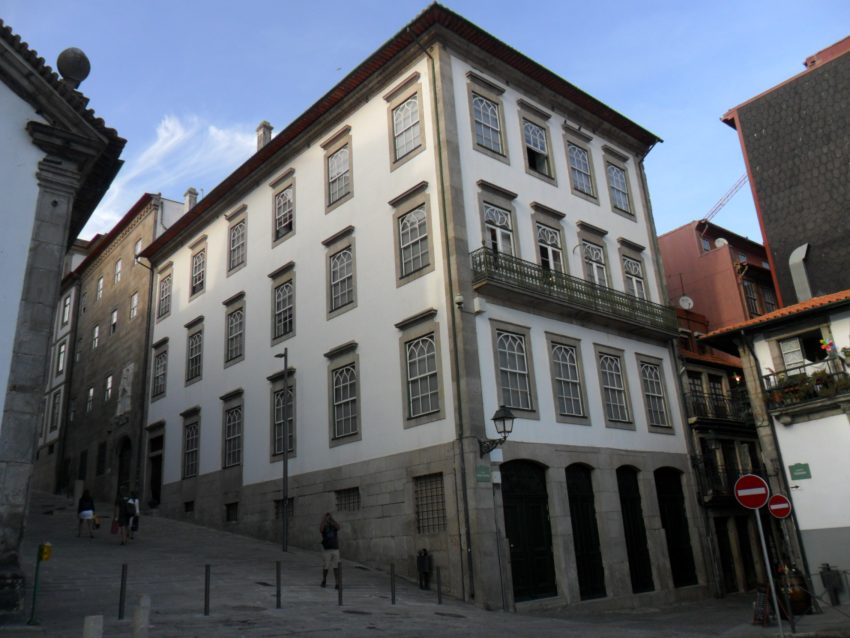
Casa do Infante is one of those Porto sights that works best when you're already exploring the riverside lanes of Ribeira and want a short, enriching pause from viewpoints and cafés. It's traditionally linked to the birth of Prince Henry the Navigator, but what makes it genuinely interesting is how the building has evolved from royal and customs functions into a museum and archive that tells Porto's story through trade, maps, and layers of archaeology, making it one of the top attractions in Porto for travelers who like history in digestible form.
Because it's right in the historic center by the Douro, it's a great place to visit on a walking tour of Porto, especially if your route includes Ribeira, the waterfront, and nearby monuments like São Francisco and Palácio da Bolsa. You can dip in for an hour, learn something concrete about the city's relationship with the river, and step back out into the streets with a clearer sense of how Porto became the Porto we see today.
Table of Contents
History and Significance of the Casa do Infante
Casa do Infante is among the city's oldest surviving structures, closely tied to Porto's historic relationship with the Douro as a working river of commerce rather than just scenery. Over centuries, the complex took on roles linked to royal administration and customs activity, which is part of why the building feels so rooted in the practical history of goods, taxation, and maritime movement.
The site’s fame is strongly connected to the tradition that Prince Henry the Navigator was born here, linking it symbolically to Portugal’s Age of Discoveries. Even if you treat that as a “legend with local weight,” it still shapes the way the museum frames Porto’s place in wider national history, as a city of traders, shipbuilders, and riverfront logistics.
Since the late 20th century, Casa do Infante has also been home to Porto's Municipal Historical Archive, which reinforces its role as a keeper of records as well as a museum space. The result is a visit that feels less like a grand monument and more like a compact, layered window into how the city stored wealth, managed trade, and remembered itself.
Things to See and Do in the Casa do Infante
Start by focusing on the building itself as an exhibit. Casa do Infante is most rewarding when you pay attention to “layers,” because the museum highlights how the structure changed across eras, and how archaeology helps reconstruct what stood here before. If you enjoy seeing a city's history through physical traces rather than long timelines, this is exactly the right pace.
Look out for sections that connect Porto to maritime networks and the Douro's trading role. The museum is at its best when it turns broad concepts like exploration and commerce into tangible details, such as what was stored, what moved through the customs system, and how the city grew around those flows.
If you're visiting as part of a longer Ribeira day, use Casa do Infante as your grounding stop before heading back outside. It's an ideal “context break” that makes nearby river views and historic façades feel less like scenery and more like the setting of a working port city.
Practical Tips on Visiting the Casa do Infante
- Suggested tips: Combine this visit with nearby Ribeira sights on the same afternoon, and plan a short riverfront walk afterward so the museum's trade-and-river story stays fresh.
- Best time to visit: Late morning for a quieter interior, or mid-afternoon as a calm break between viewpoints and riverfront wandering.
- Entrance fee: Adults: €4.00 (free entry on Sundays).
- Opening hours: Tuesday–Sunday 10:00–17:30 (closed Mondays).
- Official website: https://museudoporto.pt/en/estacao/casa-do-infante/
- How long to spend: 45-90 minutes, depending on how closely you read the displays and how much you want to linger with the archaeology.
- Accessibility: The site is in a historic building, so expect some changes in floor levels and potentially stairs in certain areas; check on arrival for the smoothest step-free route if needed.
- Facilities: Limited on-site amenities compared with larger museums, but you're surrounded by cafés, shops, and riverfront services in Ribeira.
- Photography tip: Capture a quick exterior shot for context, then focus inside on architectural details and exhibit elements that show the building’s layers rather than trying to photograph every panel.
- Guided tours: If guided visits are available on the day, they’re useful here because the story is all about layers and functions that can be easy to miss on a fast self-guided walk.
- Nearby food options: Ribeira is ideal for a post-visit snack or meal, especially if you want to sit by the Douro and reflect on what you've just learned.
Where to Stay close to the Casa do Infante
Staying near Ribeira and the historic center makes Casa do Infante an easy, flexible stop you can fit in almost any day, whether you're heading out early for viewpoints or returning in the evening for riverside dining. It's also a practical base if you like to explore on foot, because so many of Porto's central landmarks are walkable from this area.
For a classic stay right by the river atmosphere, consider Pestana Vintage Porto. For a stylish central base with excellent walkability to Ribeira and key sights, PortoBay Flores is a strong choice. If you want a comfortable riverside-adjacent option with easy access to the Douro corridor, Eurostars Porto Douro also works well.
Is the Casa do Infante Worth Visiting?
Yes, particularly if you want a short, high-context museum stop that makes the Ribeira area feel more meaningful. It's not a grand, cathedral-scale visit, but it's exactly the kind of place that rewards curious travelers who like connecting a city's scenery to how it actually functioned historically.
It’s also worth visiting for the simple reason that it fits so neatly into a riverfront day. You can step inside, absorb a clear slice of Porto’s maritime and administrative past, and continue exploring with a better understanding of why the Douro riverfront became the city’s heartbeat.
What Other Travellers Say...

Casa do Infante, on R. da Alfândega in Porto, is a reconstructed medieval customs house now operating as an archaeological museum and city archive; visitors praise its clear, well‑organized displays that integrate excavated Roman remains and mosaic floors, outline the building's varied roles over time (including customs house and mint), highlight exhibits about Infante D. Henrique and Porto's past, and note a dedicated temporary‑exhibition space, while practical notes from visitors mention limited parking and available restrooms.


FAQs for Visiting Casa do Infante
Nearby Attractions to the Casa do Infante
- Ribeira District: Porto's iconic riverside quarter for waterfront cafés, historic façades, and easy access to Douro viewpoints.
- Church of São Francisco: A landmark Gothic church famous for its richly decorated interior and historical significance.
- Palácio da Bolsa: A grand former stock exchange building with guided visits through some of Porto's most impressive rooms.
- Dom Luís I Bridge: The city's most famous Douro crossing, ideal for panoramic photos and linking Porto to Gaia.
- Praça da Ribeira: The central riverside square for people-watching and a classic Porto atmosphere right by the water.
The Casa do Infante appears in our Complete Guide to Visiting Porto!

Moira & Andy
Hey! We're Moira & Andy. From hiking the Camino to trips around Europe in Bert our campervan — we've been traveling together since retirement in 2020!
This website uses affiliate links which may earn a commission at no additional cost to you!
Planning Your Visit
Tuesday-Sunday 10:00-17:30 (closed Mondays).
Adults: €4.00 (free entry on Sundays).
Nearby Attractions
- Casa do Infante (0) km
Historic Building - Praça da Ribeira (0.1) km
Square - Church of São Francisco (0.1) km
Church - Palácio da Bolsa (0.1) km
Historic Building - Porto Cathedral (0.4) km
Cathedral - Espaço Porto Cruz (0.4) km
Wine Cellar - Sandeman Wine Cellar (0.4) km
Wine Cellar - Funicular dos Guindais (0.4) km
Railway - Calém Wine Cellars (0.4) km
Wine Cellar - Muralhas de D. Fernando (0.4) km
City Walls