Casa de Campo, Madrid
Area, Park and Walk in Madrid
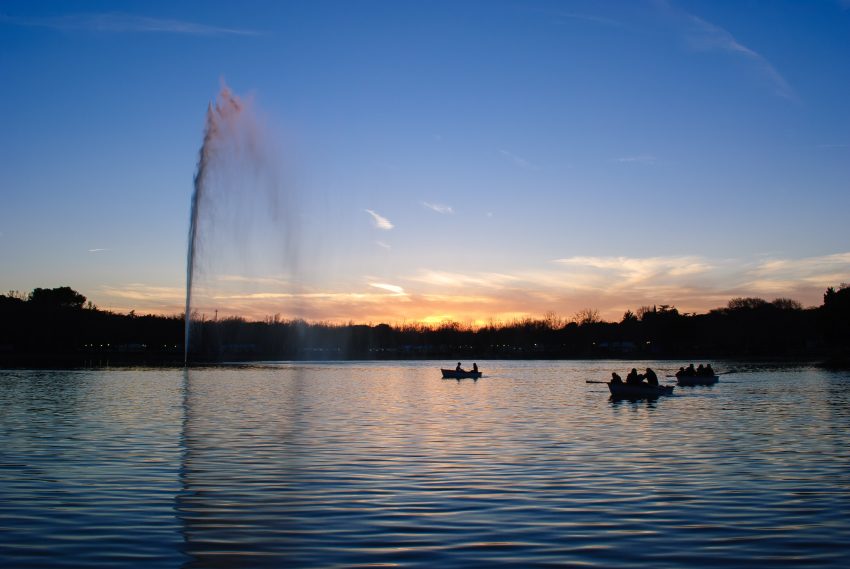
Casa de Campo is Madrid's biggest green escape: a vast public park of woodlands, trails, picnic clearings, and a popular lakeside hangout just west of the city center. It's the kind of place locals use as their weekend backyard, and visitors can enjoy it as an easy nature break between museums, tapas, and neighborhoods.
Because the park is so large, it helps to arrive with a simple plan: pick one “anchor” area (the lake, a viewpoint, or a trail loop) and build your walk around it. Casa de Campo also fits neatly into a walking-tour style day when paired with nearby sights like Madrid Río, Parque del Oeste, or the cable car for a scenic cross-city link.
Table of Contents
- History and Significance of the Casa de Campo
- Things to See and Do in the Casa de Campo
- How to Get to the Casa de Campo
- Practical Tips on Visiting the Casa de Campo
- Where to Stay Close to the Casa de Campo
- Is the Casa de Campo Worth Visiting?
- For Different Travelers
- FAQs for Visiting Casa de Campo
- Nearby Attractions to the Casa de Campo
History and Significance of the Casa de Campo
Casa de Campo began as a royal estate used for leisure and hunting, which explains both its scale and its long, straight paths and clearings that still feel more like a managed landscape than a small city park. Over time, it evolved from a private royal space into a public one, becoming a defining piece of Madrid's “green belt” on the western side of the city.
Its significance isn’t only about nature; it’s also about Madrid’s social history. The park has long been a place where the city decompresses, and its edges connect to major public spaces and transport corridors, making it feel like a true civic park rather than a distant wilderness.
Casa de Campo also carries layers of 20th-century memory, with areas that were affected during the Spanish Civil War. Today, that history is mostly quiet in the landscape, but it adds depth to what otherwise feels like a straightforward day outdoors.
Things to See and Do in the Casa de Campo
Start with the Lago (lake) area if you want the most “instant reward”: an easy promenade feel, open views, and plenty of places to pause. It’s a strong choice if you’re visiting with mixed energy levels, or if you want a low-effort stroll that still feels like you’ve escaped the city.
For more active time, head onto the wider trail network for walking, jogging, or cycling. The park is big enough that you can quickly leave the crowds behind, especially if you move away from the lake and main access points; bring water and a basic route idea so you don’t end up wandering longer than planned.
If you're building a bigger day, Casa de Campo pairs well with nearby attractions that sit within or along its edges, including the cable car and family-focused venues. Think of the park as a flexible base: you can do a short loop and a coffee, or turn it into a half-day outdoor itinerary.
How to Get to the Casa de Campo
Madrid's nearest major airport is Adolfo Suárez Madrid–Barajas Airport (MAD), with frequent metro, bus, and taxi connections into the city center. For the best deals and a seamless booking experience, check out these flights to Madrid on Booking.com.
If you're arriving by rail, Madrid Puerta de Atocha and Madrid Chamartín are the main long-distance stations, and both connect easily to the metro network for onward travel toward Casa de Campo. Train schedules and bookings can be found on Omio.
By metro, aim for stations that put you close to your chosen “anchor” area (for example, the lake zone or key entrances), then walk in from there. If you’re driving, there are multiple access roads and parking options near the busiest zones, but weekends can fill up quickly, so arrive early or plan a less-central entry point. If you are looking to rent a car in Spain I recommend having a look at Discover Cars, first, as they compare prices and review multiple car rental agencies for you.
Practical Tips on Visiting the Casa de Campo
- Entrance fee: Free.
- Opening hours: 24 Hours.
- Best time to visit: Go early morning for quiet trails and softer light, or late afternoon for a relaxed lakeside atmosphere. Weekdays are calmer; weekends feel more local and lively.
- How long to spend: Plan 2–3 hours for the lake area and a short walk, or 4–6 hours if you want a proper trail loop plus breaks.
- Accessibility: The lake promenade and main paths are generally the easiest for strollers and many mobility needs, while deeper trails can be uneven and hilly.
- Facilities: Expect cafés and kiosks near the lake and busier entrances, plus rest areas and picnic spots; deeper sections are more natural, so bring what you need.
Where to Stay Close to the Casa de Campo
For most travelers, the best base is central Madrid with easy metro connections, so you can combine sightseeing with quick access to green space.
Hotel Príncipe Pío A practical pick near Plaza de España with straightforward transport links and a convenient location for pairing the park with central sights.
Melia Madrid Princesa A comfortable, full-service option for travelers who want a polished stay close to major avenues and quick routes toward the west side of the city.
Hotel Acta Madfor Chosen for its proximity to transport and a location that makes it easy to swing between Casa de Campo, the riverfront, and central neighborhoods.
Hotel Exe Moncloa A solid choice in the Moncloa area, handy for metro connections and a good fit if you like a slightly less touristy base.
VP Plaza España Design A higher-end option for travelers who want a design-forward stay and a prime location that still keeps Casa de Campo within easy reach.
Is the Casa de Campo Worth Visiting?
Yes, especially if you want a break from Madrid's dense sightseeing rhythm. Casa de Campo delivers something many big-city trips miss: real breathing room, long walks without traffic, and a lakeside zone that feels genuinely local rather than staged for visitors.
Honest Pivot: If your time in Madrid is very short and you're focused on “must-see” museums, royal interiors, and historic streets, you can skip Casa de Campo without regret. It's most rewarding for travelers who enjoy parks, light hiking, cycling, or simply want a slower afternoon outdoors.
For Different Travelers
Casa de Campo is flexible: it can be a quick scenic stroll, a picnic-and-people-watch afternoon, or a longer, more active outing. The key is choosing the right entry point and setting expectations about distances.
Families with Kids
The lake area is the easiest family win: it’s open, stroller-friendly in many sections, and naturally entertaining with space to move. Plan frequent snack stops and keep the route simple so it stays fun rather than feeling like a march.
If your family wants more structure, consider pairing the park with one of the nearby family attractions on the same day. That way, you get both “run-around” time and a clear highlight that kids can look forward to.
Couples & Romantic Getaways
For couples, Casa de Campo works best as a low-pressure date: a walk with skyline views, a lakeside pause, and a sunset-timed return. It's a nice contrast to the more formal romance of Madrid's grand boulevards and historic plazas.
To make it feel special, pick one scenic goal (a viewpoint or the lake) and build a short loop around it, then head back into the city for dinner. The park is big, so a little planning keeps the mood relaxed.
Budget Travelers
Casa de Campo is one of the best free experiences in Madrid: you can spend half a day outdoors with minimal costs beyond snacks and transit. It's also a smart “reset day” if you've been doing paid attractions back-to-back.
Bring water and picnic supplies from a supermarket and treat the park as your budget-friendly highlight. If you’re walking a lot, choose a metro stop near your planned route so you don’t waste time (or energy) on unnecessary distances.
FAQs for Visiting Casa de Campo
Getting There
Tickets & Entry
Visiting Experience
Tours, Context & Itineraries
Photography
Accessibility & Facilities
Food & Breaks Nearby
Safety & Timing
Nearby Attractions to the Casa de Campo
- Teleférico de Madrid: A scenic cable car ride that links the west side parks with city viewpoints.
- Parque del Oeste: A landscaped park nearby that’s great for a calmer stroll and garden-style scenery.
- Madrid Río: A riverside promenade and park system ideal for walking and cycling with city views.
- Templo de Debod: A photogenic landmark and sunset spot that pairs well with a west-side itinerary.
- Palacio Real de Madrid: Madrid's grand royal complex, easy to combine with Casa de Campo on the same day.
The Casa de Campo appears in our Complete Guide to Visiting Madrid!

Moira & Andy
Hey! We're Moira & Andy. From hiking the Camino to trips around Europe in Bert our campervan — we've been traveling together since retirement in 2020!
This website uses affiliate links which may earn a commission at no additional cost to you!
Planning Your Visit
24 Hours.
Free.
Nearby Attractions
- Zoo-Aquarium de Madrid (0.4) km
Aquarium and Zoo - Parque de Atracciones de Madrid (1.4) km
Amusement Park - Real Ermita de San Antonio de la Florida (3.9) km
Church, Historic Building and Historic Site - Catedral de la Almudena (4.3) km
Cathedral, Historic Building and Religious Building - Templo de Debod (4.4) km
Attraction, Historic Site and Monument - Palacio Real (4.5) km
Historic Building, Historic Site and Palace - Plaza de Oriente (4.6) km
Gardens, Monument and Square - Jardines de Sabatini (4.6) km
Attraction, Gardens and Park - Plaza de la Villa (4.7) km
Historic Building, Historic Site and Square - Teatro Real (4.7) km
Arts Venue, Opera House and Theatre