Canal du Midi, Carcassonne
Canal in Carcassonne
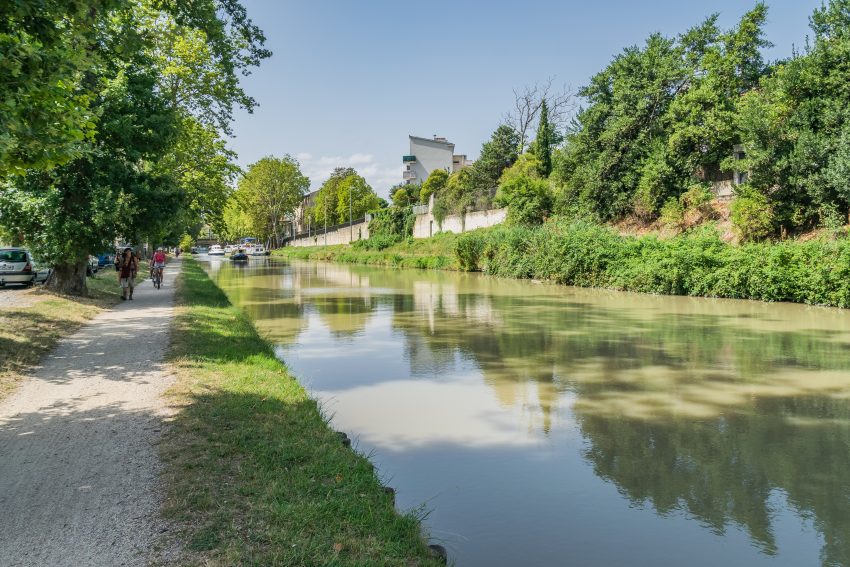
The Canal du Midi is one of the best places to slow down in Carcassonne, especially if you want a break from the crowds around the medieval citadel. In the city, the canal runs through a greener, calmer part of town, with easy access near the port and the first locks opposite the train station, making it a simple add-on to a walking tour between the station, Bastide Saint-Louis, and the Cité.
What makes this stop special is that you are not just looking at a pleasant waterway, but at a major historic engineering work that shaped the region. Around Carcassonne, you can see lock infrastructure, the canal port, and nearby engineering features linked to the canal's rerouted passage through the city, so it works equally well as a scenic stroll, a photography stop, or part of a wider heritage-focused day out.
Table of Contents
- History and Significance of the Canal du Midi, Carcassonne
- Things to See and Do in the Canal du Midi, Carcassonne
- How to Get to the Canal du Midi, Carcassonne
- Practical Tips on Visiting the Canal du Midi, Carcassonne
- Where to Stay Close to the Canal du Midi, Carcassonne
- Is the Canal du Midi Worth Visiting?
- For Different Travelers
- FAQs for Visiting Canal du Midi
- Nearby Attractions to the Canal du Midi, Carcassonne
History and Significance of the Canal du Midi, Carcassonne
The Canal du Midi is one of the great infrastructure achievements of early modern Europe, created to link inland navigation routes and ultimately connect the Atlantic and Mediterranean systems. Built in the late 17th century under Pierre-Paul Riquet, it was both a practical trade route and a technical breakthrough, combining locks, aqueducts, and hydraulic planning on a scale that was extraordinary for its time.
Carcassonne’s relationship with the canal is especially interesting because the original route did not pass as closely through the city as it does today. Economic and transport realities pushed a later diversion, and this reshaped local trade and movement, bringing the canal much more directly into Carcassonne’s urban life and leaving behind distinctive engineering structures in the area, including the Fresquel locks and aqueduct.
Today, the canal is no longer a freight artery in the old sense, but a living heritage corridor used for boating, walking, and cycling. Its UNESCO World Heritage status recognizes not only its engineering importance but also the way it was integrated into the surrounding landscape, which is exactly what makes the Carcassonne access points so rewarding for travelers exploring on foot.
Things to See and Do in the Canal du Midi, Carcassonne
Start at Port de Carcassonne, which is the easiest and most practical access point for most visitors arriving by train or from the lower town. The port area gives you a feel for the canal as a working and leisure space, with moored boats, towpath activity, and a gentler atmosphere than the medieval quarter.
Walk toward the locks and look out for the canal engineering features that make this section more than just a waterside promenade. The canal site for Carcassonne highlights the Fresquel double lock and navigable aqueduct as key local landmarks, and even if you do not do a long walk, seeing one or two of these structures gives useful context to the scale of the project.
This is also a strong route for a self-guided city walk: from the station to the canal port, through Bastide Saint-Louis, then onward toward the medieval city. If you like photography, the canal's tree-lined stretches, boats, and bridges offer softer, more everyday views of Carcassonne that balance the more dramatic fortress panoramas.
How to Get to the Canal du Midi, Carcassonne
The simplest access point in Carcassonne is the canal port area near the SNCF train station, and the official Canal du Midi site notes that the first locks are opposite the station, with boat trips departing from this side of town. This makes the canal especially easy to include on arrival or before departure. You can use SNCF Connect to check schedules, compare routes, and purchase tickets for National (SNCF ) and regional trains (TER). For a more streamlined experience, we recommend using Omio, which allows you to easily compare prices, schedules, and book tickets for both National and Regional travel across all of Europe, all in one place.
If you are flying in, Carcassonne Airport is the closest airport, and the airport's public transport page notes that shuttle services run according to flight schedules and serve the city, including the SNCF train station and the Port du Canal. That makes airport-to-canal access relatively straightforward even without a car. For the best deals and a seamless booking experience, check out these flights to Carcassonne on Booking.com.
Local buses and airport shuttles can get you into central Carcassonne, but many visitors find walking easiest once in town because the canal, Bastide, and medieval city are linked by manageable urban routes. The Carcassonne tourist office specifically highlights walk times between the canal and major districts, which helps when planning a half-day route.
Driving is practical if you are using Carcassonne as a base for exploring longer stretches of the canal, but for a short visit to the city access points, parking and then walking is often easier than trying to move between stops by car within the centre. If you are looking to rent a car in France I recommend having a look at Discover Cars, first, as they compare prices and review multiple car rental agencies for you.
Practical Tips on Visiting the Canal du Midi, Carcassonne
- Entrance fee: Free (public access to the canal banks and walking/cycling access points in Carcassonne). Cruises and some activities are extra.
- Opening hours: 24 Hours. Closed on no days (public canal banks and access points); boat trips, lock operations, and port services run to separate seasonal timetables.
- Official website: https://www.canal-du-midi.com/en/explore/stopover-towns/carcassonne/
- Best time to visit: Early morning and late afternoon are best for softer light, fewer people, and a more relaxed canal atmosphere. Summer is lively, but shoulder seasons are excellent for walking and cycling.
- How long to spend: Allow 45 minutes to 1.5 hours for a short walk around the port and nearby locks. If you want to combine the canal with the Bastide and medieval city on foot, plan 2-4 hours.
- Accessibility: The port-side access is one of the easier entry points, but surfaces can vary along towpaths and lock areas. Travelers with limited mobility should stick to the port and paved sections first.
- Facilities: Around Port de Carcassonne you will find services linked to the harbour area and nearby city amenities, making this one of the most convenient canal access points for a first visit.
Where to Stay Close to the Canal du Midi, Carcassonne
For most travelers visiting the Canal du Midi in Carcassonne, Bastide Saint-Louis and the station/port area are the best base for easy canal access and transport links, while the bridge area near the river suits a culture-heavy itinerary that also prioritizes quick walks to the medieval city.
If you want a practical base close to the canal access points, Hôtel de la Bastide is a convenient choice in the lower town near the station and canal side, making it easy for early walks or train-based day trips. For a more stylish stay with strong views and easy access between the canal and the medieval city, TRIBE Carcassonne works very well.
If your priority is a more upscale stay with the old city on your doorstep while still remaining within reach of the canal on foot, Hôtel du Roi & SPA by SOWELL COLLECTION is a strong option. It suits travelers who want to split their time between canal walks, historic sightseeing, and a more relaxing hotel base.
Is the Canal du Midi Worth Visiting?
Yes, definitely, especially in Carcassonne. It gives you a different side of the city: greener, quieter, and more local-feeling than the fortress-focused experience, while still delivering real historical depth through the locks, port, and canal engineering.
Honest Pivot: if your time is extremely limited and your priority is only the medieval citadel interiors, you may treat the canal as a short walk-by rather than a main stop. It is most rewarding for travelers who enjoy strolling, photography, boating culture, or seeing how heritage and everyday city life overlap.
What Other Travellers Say...

Reviews consistently praise the canal as exceptionally scenic and enjoyable for cruising, walking, and cycling, with standout highlights including Carcassonne, charming villages, vineyards, and good food options along the route. Visitors also appreciate the UNESCO history, affordable boat rides, and helpful English-language explanations, especially around the lock mechanisms. The only notable drawback mentioned is that it can be very hot at times.


For Different Travelers
Families with Kids
The Canal du Midi is a good family stop because it is open-air, easy to dip into, and flexible if children need breaks. Watching boats, locks, and cyclists is often more engaging for kids than a purely museum-based visit, and you can keep the route short around the port area.
If you are with strollers or younger children, start at Port de Carcassonne rather than planning a long towpath walk. You can combine the canal with snacks in the lower town and then decide whether to continue toward the medieval city depending on energy levels.
Couples & Romantic Getaways
For couples, the canal is one of the most atmospheric places in Carcassonne to slow the pace of the day. A walk along the water after visiting the citadel gives a softer contrast to the busy tourist core, especially in the late afternoon when the light improves and the path feels calmer.
It also works well as part of a longer romantic itinerary: canal stroll, dinner in town, then evening views toward the old city. If you are staying near the bridge or river, the canal becomes an easy everyday walk rather than a separate excursion.
Budget Travelers
The Canal du Midi is one of the best low-cost experiences in Carcassonne because access is free and the main reward is the setting itself. You can build a satisfying half-day route by combining the canal, Bastide streets, and viewpoints toward the medieval city without paying for a ticket.
It is also ideal if you are arriving by train and want a worthwhile stop immediately after dropping bags. Since the canal port is close to the station side of town, you can start exploring without buses or taxis and still get a strong sense of the city.
History Buffs
History-focused travelers will appreciate that the canal is not just scenic but a major engineering and economic project with a layered local story in Carcassonne. The rerouting toward the city, the locks, and the aqueduct features make this a place where infrastructure history is visible on the ground.
To get more out of the visit, treat the canal as part of a broader Carcassonne narrative rather than as a standalone promenade. Seeing the Bastide, the station side, and the medieval city on the same walk helps explain how transport, trade, and urban life evolved over time.
FAQs for Visiting Canal du Midi
Getting There
Tickets & Entry
Visiting Experience
Tours, Context & Itineraries
Photography
Accessibility & Facilities
Food & Breaks Nearby
Safety & Timing
Nearby Attractions to the Canal du Midi, Carcassonne
- Bastide Saint-Louis - Carcassonne’s lower town is ideal for cafés, shopping streets, and a more local urban atmosphere between the canal and the medieval city.
- Medieval City of Carcassonne (La Cité) - The famous fortified citadel is the city's headline sight and pairs well with a canal walk for a full-day contrast of engineering and medieval heritage.
- Pont Vieux - This historic bridge offers one of the classic walking connections and viewpoints between the lower town and the medieval city.
- Port de Carcassonne - The canal port itself is a destination within the canal stop, with boats, harbour activity, and easy access to nearby walks.
- Fresquel locks and aqueduct area - This is one of the most interesting canal engineering sections near Carcassonne and a rewarding extension for travelers who want more than a simple waterside stroll.
The Canal du Midi appears in our Complete Guide to Visiting Carcassonne!

Moira & Andy
Hey! We're Moira & Andy. From hiking the Camino to trips around Europe in Bert our campervan — we've been traveling together since retirement in 2020!
This website uses affiliate links which may earn a commission at no additional cost to you!
Planning Your Visit
24 Hours. Closed on no days (public canal banks and access points); boat trips, lock operations, and port services run to separate seasonal timetables.
Free (public access to the canal banks and walking/cycling access points in Carcassonne). Cruises and some activities are extra.
Nearby Attractions
- Gare de Carcassonne (0.1) km
Train Station - Pont Marengo (0.1) km
Attraction, Bridge and River - Jardin André Chénier (0.2) km
Attraction, Gardens and Park - Eglise des Carmes (0.3) km
Church and Historic Building - Bastion Saint-Martial (0.3) km
Attraction, City Walls and Historic Site - St. Vincent Church (0.4) km
Church, Religious Building and Tower - Place Carnot (0.5) km
Area, Market and Square - Rue Verdun (0.6) km
Area and Street - Chapelle des Dominicains (0.6) km
Gallery, Historic Building and Religious Building - Maison des Mémoires (0.6) km
Arts Venue, Historic Building and Museum