Budapest Zoo and Botanical Garden
Archive in Budapest
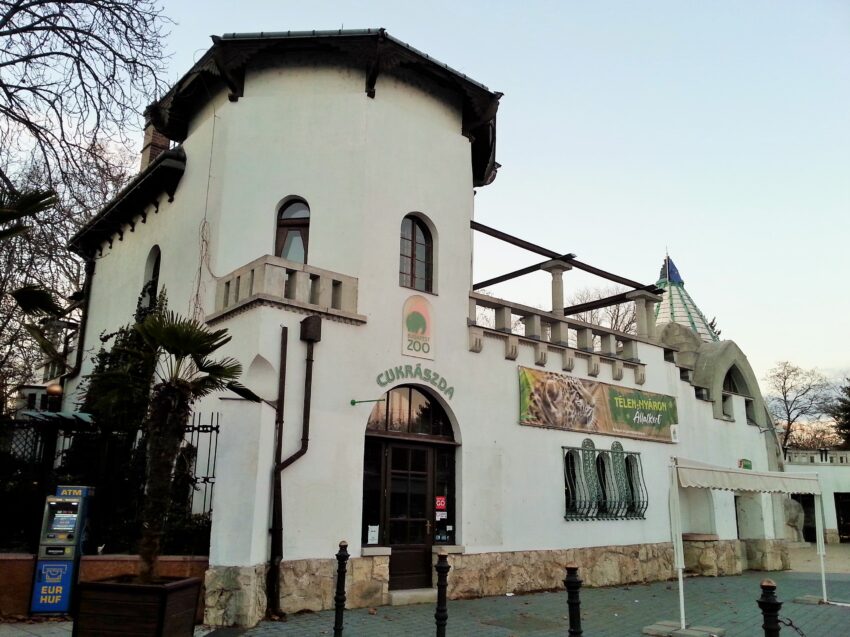
Budapest Zoo and Botanical Garden sits inside Budapest's City Park (Városliget), a green pocket on the Pest side where museums, promenades, and landmark buildings cluster within an easy ride of the center. It's a working zoo and botanical garden in one, so your day naturally alternates between animal habitats, indoor houses, and surprisingly pretty architectural details.
Because it's so central, the zoo fits neatly into a walking tour focused on Budapest's best places to see, especially if you're already exploring City Park and the grand avenues nearby. It's also a good “reset” stop in a busy itinerary: you can slow down, duck into indoor exhibits when the weather turns, and still feel like you're seeing something uniquely Budapest.
Table of Contents
- History and Significance of the Budapest Zoo and Botanical Garden
- Things to See and Do in the Budapest Zoo and Botanical Garden
- How to Get to the Budapest Zoo and Botanical Garden
- Practical Tips on Visiting the Budapest Zoo and Botanical Garden
- Where to Stay Close to the Budapest Zoo and Botanical Garden
- FAQs for Visiting the Budapest Zoo and Botanical Garden
History and Significance of the Budapest Zoo and Botanical Garden
Budapest Zoo and Botanical Garden opened on August 9, 1866, and is widely regarded as the oldest zoo in Hungary and among the older zoos in the world. From the beginning it mixed local wildlife with animals that felt exotic to 19th-century visitors, and over time it expanded to include the classic “headline” species people expected to see.
A big part of the zoo’s character comes from its early-20th-century design: several of its best-known buildings were created in an art nouveau spirit by architects Kornél Neuschloss and Károly Kós. Even if you’re not usually an “architecture person,” you’ll notice how the decorative structures and animal houses give the grounds a mood that’s very different from modern, out-of-town safari parks.
Like many historic zoos, it went through periods of financial strain and shifting priorities, including an era when entertainment was emphasized to keep crowds coming. Today, the experience is more clearly focused on animals, conservation messaging, and education, while still keeping the historic fabric that makes the place memorable.
Things to See and Do in the Budapest Zoo and Botanical Garden
Start by letting the buildings guide you: the zoo’s older houses and decorative facades are part of the attraction, and they create a sense of discovery as you move between outdoor paths and indoor spaces. The Palm House and Aquarium are included with standard entry, making them especially useful if you’re visiting on a chilly, rainy, or very hot day.
For a more modern, interactive experience, head to Magic Mountain (also known as the Great Rock area), which presents biodiversity and evolution themes through exhibits, models, and hands-on elements, alongside live species. It’s one of the best places in the zoo to slow down and learn rather than simply “tick off” animals.
If you’re traveling with kids (or you just like themed zones), the zoo’s area-based sections help you plan your route: you’ll find zones focused on places like the savannah, Australia, and India, each with its own mix of animals and atmosphere. Keep an eye out for notable residents mentioned in the zoo’s story over the years, including species such as the Komodo dragon, and the wombat (introduced in December 2011).
How to Get to the Budapest Zoo and Botanical Garden
Budapest is served by Budapest Ferenc Liszt International Airport (BUD), the main gateway for international and regional flights into Hungary. For the best deals and a seamless booking experience, check out these flights to Budapest on Booking.com.
If you're arriving by rail, Budapest's major stations (including Keleti, Nyugati, and Déli) connect the city with Vienna, Bratislava, Prague, and other Central European routes, and from there it's straightforward to continue by public transport or taxi to City Park.Train schedules and bookings can be found on Omio.
Within Budapest, the zoo's City Park location makes it easy to reach by metro, tram, and bus, followed by a short walk through Városliget. If you're driving, expect limited parking close to the entrances and plan extra time to find a space or use a garage farther out.
Practical Tips on Visiting the Budapest Zoo and Botanical Garden
- Official website: https://zoobudapest.com/en/home/
- Entrance fee: Adults: 5 900 HUF; Children (2–18): 4 200 HUF; Students (with ISIC): 4 200 HUF; Seniors (65+): 4 200 HUF; Under 2: 400 HUF.
- Opening hours: Check official website.
- Best time to visit: Arrive at opening time for the calmest paths and the best chance of seeing animals active before midday crowds.
- How long to spend: Plan 2-4 hours for a relaxed loop, and longer if you want to linger in the Palm House, Aquarium, and Magic Mountain.
- Accessibility: Paths are generally easy to walk, but the site is large; consider pacing your route and using indoor houses as natural rest stops.
- Facilities: Expect restrooms and basic visitor services on-site, with indoor exhibits that double as weather breaks.
Where to Stay Close to the Budapest Zoo and Botanical Garden
For the shortest commute, look in the neighborhoods around City Park and along Andrássy Avenue, where you can combine a zoo visit with museums and evening strolls. Staying in central Pest (around the Inner City) also works well: you'll have more dining and transit options, and you can still reach the zoo quickly by metro or taxi. If you prefer a quieter base, choose a spot near the park edge so you can start early and be inside the gates right at opening.
What Other Travellers Say...
Google reviewers are very positive overall, describing the zoo as a memorable day out thanks to the mix of animals, gardens, and historic architecture. Many mention that arriving right at opening makes the visit smoother and helps you see more with fewer crowds. Visitors also praise the variety of species and the indoor areas such as the aquarium. The most common drawbacks are practical rather than experiential: parking nearby can be difficult, and a few reviewers note that some aquarium viewing conditions aren’t always ideal.





FAQs for Visiting the Budapest Zoo and Botanical Garden
The Budapest Zoo and Botanical Garden appears in our Complete Guide to Visiting Budapest!

Moira & Andy
Hey! We're Moira & Andy. From hiking the Camino to trips around Europe in Bert our campervan — we've been traveling together since retirement in 2020!
This website uses affiliate links which may earn a commission at no additional cost to you!
Planning Your Visit
Check official website.
Adults: 5 900 HUF; Children (2-18): 4 200 HUF; Students (with ISIC): 4 200 HUF; Seniors (65+): 4 200 HUF; Under 2: 400 HUF.
Nearby Attractions
- City Park (0.8) km
Park - Kazinczy Street (2.5) km
Area - Gozsdu Courtyard (2.6) km
Courtyard - St. Stephen's Basilica (2.7) km
Basilica, Church and Tower - Hungarian Parliament Building (2.7) km
Attraction, Historic Building and Notable Building - Great Synagogue (2.8) km
Synagogue - Shoes on the Danube Bank (2.9) km
Memorial - Chain Bridge (3.1) km
Abbey - Vaci Street (3.3) km
Activity - Fisherman's Bastion (3.7) km
Archive