Bessie Surtees House, Newcastle upon Tyne
Historic Building in Newcastle upon Tyne
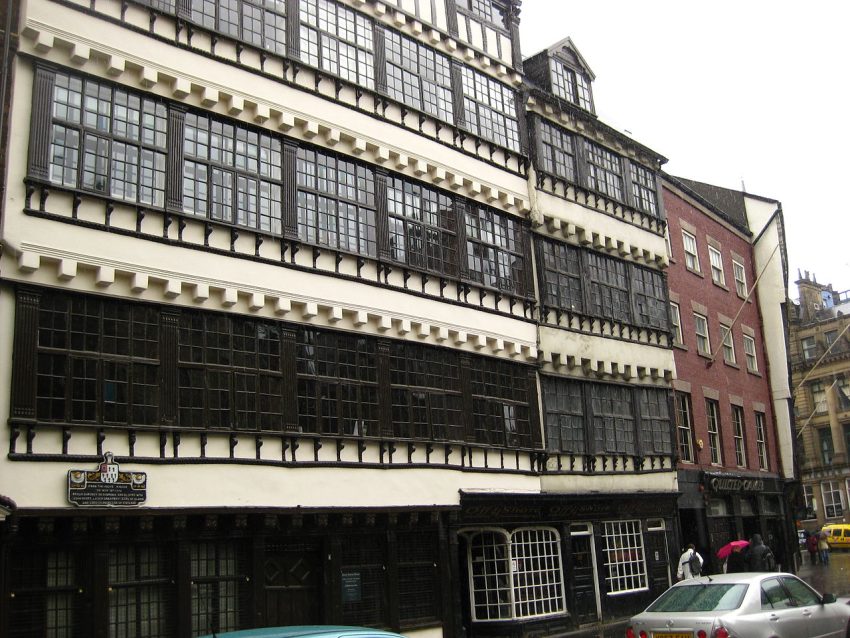
On the cobbled stretch of Sandhill overlooking the River Tyne, Bessie Surtees House preserves two remarkable 16th and 17th century merchants' houses that lean into one another like old friends. Once part of the bustling commercial heart of Newcastle, these five-storey homes are now one of the best places to visit in Newcastle upon Tyne if you love creaking floorboards, carved oak panelling and the feeling that history is still whispering from every doorway. Step inside and you move from the busy Quayside into a world of Jacobean interiors, plaster ceilings and carefully restored details.
The house is perhaps most famous as the setting for the romantic elopement of Bessie Surtees, the banker's daughter who slipped away from an upstairs window to marry the supposedly penniless John Scott, who later rose to become Lord Chancellor of England. That story alone gives the building a certain magic, but there is much more to discover in the exhibition spaces and preserved rooms. It is a great place to visit on a walking tour of Newcastle upon Tyne, especially when combined with the nearby Guildhall, Sandhill and the riverside bridges.
Table of Contents
- History and Significance of the Bessie Surtees House
- Things to See and Do in the Bessie Surtees House
- How to Get to the Bessie Surtees House
- Practical Tips on Visiting the Bessie Surtees House
- Where to Stay close to the Bessie Surtees House
- Is the Bessie Surtees House Worth Visiting
- FAQs for Visiting Bessie Surtees House
- Nearby Attractions to the Bessie Surtees House
History and Significance of the Bessie Surtees House
In the 16th century, the northern bank of the Tyne was the powerhouse of Newcastle's trade, and Sandhill was lined with tall, narrow merchant houses whose façades leaned out over the street. Bessie Surtees House is made up of two of these surviving properties, dating from the 16th and 17th centuries, which together offer a rare glimpse into how prosperous merchant families lived and worked beside the river. Their survival is remarkable in a city that has seen waves of rebuilding, industrialisation and war.
Architecturally, the houses are a fine and unusual example of Jacobean domestic design in the North East. Inside, you find splendid period interiors, including finely carved oak panelling, elaborate plaster ceilings and richly detailed carved fire surrounds. These features speak of wealth and status, but also of craftsmanship, with every beam and cornice revealing the skill that went into making a home both practical and impressive in a crowded riverside street. The exhibition rooms help interpret these details and tell the story of how the houses evolved over time.
The elopement of Bessie Surtees and John Scott is the story that most visitors remember. According to tradition, Bessie climbed down from a window to run away with Scott, defying her wealthy banker father to marry a man considered beneath her station. Scott’s later rise to become Lord Chancellor adds a twist of fortune to the tale and has helped cement the house’s reputation as a place of romance and risk. Today, the building also serves as a base for heritage bodies, but its rooms remain open as a historic site where visitors can connect with both the domestic and emotional sides of Newcastle’s past.
Things to See and Do in the Bessie Surtees House
The main draw at Bessie Surtees House is the chance to wander through authentic Jacobean interiors in the heart of the city. As you move from room to room, look for the intricate carved oak panelling that lines the walls, often decorated with patterns and motifs that repay close attention. Elaborate plaster ceilings overhead and carved fireplaces below frame the spaces and remind you that these were homes designed to impress clients and visitors as much as to shelter families.
The exhibition within the house tells the full story of the building, from its origins as a pair of merchant houses through periods of decline and restoration to its present role. Displays explain how the Tyne's northern bank became the commercial hub of 16th-century Newcastle, how goods flowed through the Quayside, and how merchant families balanced trade, domestic life and social status. Historic maps, documents and photographs help you visualise how Sandhill once looked when more of these houses stood shoulder to shoulder along the street.
Of course, many visitors come specifically to connect with the story of Bessie Surtees and John Scott. As you stand by the windows and staircases, it is easy to imagine how that night-time escape might have unfolded, and how shocking it must have seemed at the time. The house's riverside location also makes it a perfect stopping point on a wider exploration of the Quayside, where you can pair Jacobean interiors with later guildhalls, merchant buildings and the dramatic sweep of the Tyne Bridges.
How to Get to the Bessie Surtees House
If you are arriving from further afield, Newcastle International Airport is your most convenient gateway, with regular domestic and European flights and a straightforward Metro connection into the city centre. For the best deals and a seamless booking experience, check out these flights to Newcastle upon Tyne on Booking.com. From the airport, you can ride the Metro to Central Station or Monument and then walk down towards the Quayside and Sandhill in around 10-15 minutes.
By train, you will arrive at Newcastle Central Station, which sits on the East Coast Main Line and is well connected to London, Edinburgh and other major UK cities.Train schedules and bookings can be found on Omio. From the station, it is a short downhill walk towards the river; simply follow signs for the Quayside and then look for Sandhill and the row of historic houses facing the river, where Bessie Surtees House stands among them. Local buses also serve the Quayside area if you prefer not to walk.
If you are driving, follow signs for Newcastle city centre and then towards the Quayside, where there are several multi-storey and surface car parks within walking distance. Once parked, you can explore the riverside, Sandhill and nearby attractions entirely on foot, which is by far the best way to appreciate the setting and narrow historic streets.
Practical Tips on Visiting the Bessie Surtees House
- Suggested tips: Take your time in each room to look up at ceilings and down at floors as well as at eye level; many of the most interesting details are easy to miss at a quick glance.
- Best time to visit: Weekday mornings are often quieter, while afternoons and weekends may see more visitors, especially when the Quayside is busy with markets or events.
- Entrance fee: Free
- Opening hours: Entrance is via pre-booked, free guided tours only.
- Official website: https://www.english-heritage.org.uk/visit/places/bessie-surtees-house/
- How long to spend: Allow 30-60 minutes to explore the interiors and exhibitions at a relaxed pace, longer if you enjoy reading every panel and studying architectural details.
- Accessibility: As a historic multi-storey building with narrow stairs and uneven floors, access can be challenging for visitors with limited mobility; check the latest accessibility information in advance.
- Facilities: Facilities on site are limited, so plan to use nearby cafés, restaurants and public toilets along the Quayside for refreshments and breaks.
- Photography tip: Look for angles that capture both interior details and glimpses of the river through the windows, and if you photograph carvings or plasterwork, move in close to reveal the craftsmanship.
- Guided tours: If guided tours or special open days are available during your visit, they are well worth joining for extra stories about the families who lived here and the restoration of the building.
- Nearby food options: The surrounding Quayside area is full of cafés, pubs and restaurants, making it easy to combine your visit with a coffee, lunch or evening meal overlooking the river.
Where to Stay close to the Bessie Surtees House
Staying near Bessie Surtees House places you right in the heart of Newcastle's historic riverside, with the Quayside, bridges and city centre all within easy walking distance. A stylish option just along the waterfront is Malmaison Newcastle, which offers characterful rooms and views across the Tyne, ideal if you like to step straight out onto the riverside promenade. Across the river, Hilton Newcastle Gateshead sits on the hill above the Tyne Bridge, giving you sweeping views back towards Sandhill and an easy walk over the bridge to reach the house. For a more contemporary feel slightly upriver, INNSiDE by Meliá Newcastle combines modern design with quick access to both the Quayside and the rest of the city centre.
Is the Bessie Surtees House Worth Visiting
If you are interested in Newcastle's older layers of history beyond its industrial story and modern skyline, Bessie Surtees House is definitely worth visiting. It offers an unusually intimate glimpse into Jacobean domestic life, with original architectural features that are rare to find so well preserved in a busy city centre. The romantic tale of Bessie and John Scott adds a memorable human touch, while the building's position on Sandhill makes it easy to combine with a wider wander along the Quayside and up into the city. For many visitors, it ends up being one of the must-see places in Newcastle upon Tyne precisely because it feels like a small time capsule tucked amid grander landmarks.
What Other Travellers Say...

Historic England North East & Yorkshire's Bessie Surtees House on Sandhill is a well-preserved timber-framed merchant's house that recreates 16th–17th‑century lifestyles; visitors praise its Tudor and Jacobean interiors, knowledgeable guides, and the availability of free tours.


FAQs for Visiting Bessie Surtees House
Nearby Attractions to the Bessie Surtees House
- Newcastle Castle: The medieval Castle Keep and Black Gate that gave the city its name, offering atmospheric interiors and rooftop views over the Tyne.
- The Quayside: A lively riverside promenade lined with historic buildings, bars and restaurants, plus iconic views of the Tyne Bridges.
- Guildhall and Merchants Court: Historic civic and commercial buildings on Sandhill that reflect Newcastle’s trading past.
- The Tyne Bridges: A cluster of distinctive bridges, including the Tyne Bridge and Gateshead Millennium Bridge, best appreciated on a stroll along the river.
- Laing Art Gallery: A short walk up into the city centre, this gallery showcases 18th-20th century British art, ceramics and decorative pieces in a handsome historic building.
The Bessie Surtees House appears in our Complete Guide to Visiting Newcastle upon Tyne!

Moira & Andy
Hey! We're Moira & Andy. From hiking the Camino to trips around Europe in Bert our campervan — we've been traveling together since retirement in 2020!
This website uses affiliate links which may earn a commission at no additional cost to you!
Planning Your Visit
Entrance is via pre-booked, free guided tours only.
Free
Nearby Attractions
- Pons Aelius (0.1) km
Roman Site - Newcastle Castle (0.1) km
Castle - The Tyne Bridges (0.2) km
Bridge - The Quayside (0.2) km
Area - St Nicholas Cathedral (0.2) km
Cathedral - Literary and Philosophical Society of Newcastle upon Tyne (0.3) km
Historic Building - Sage Gateshead (0.4) km
Arts Venue - Theatre Royal (0.5) km
Theatre - Edwardian Central Arcade (0.6) km
Historic Site - Grainger Market (0.6) km
Market