Bergpark Wilhelmshöhe, Kassel
Park and Statue in Kassel

Bergpark Wilhelmshöhe rises above Kassel like a natural amphitheatre, its terraces, woodlands, and grand water features creating a landscape that feels both theatrical and deeply peaceful. This vast hillside park has long been one of the top attractions in Kassel, drawing visitors who want to wander through centuries of baroque design while enjoying panoramic views over the city. With its monumental Hercules statue perched high above the slopes, the park feels almost otherworldly on misty mornings and glowing summer evenings.
The cascades, palaces, grottos, and forest paths make the park a great place to visit on a tour of Kassel, and it is easy to spend hours drifting between dramatic viewpoints and quiet shaded corners. Whether you are here for the history, the engineering marvels, or simply a long scenic walk, it quickly becomes clear why many consider this spot one of the best places to see in Bergpark Wilhelmshöhe.
Table of Contents
- History and Significance of Bergpark Wilhelmshöhe
- Things to See and Do in Bergpark Wilhelmshöhe
- How to Get to Bergpark Wilhelmshöhe
- Practical Tips on Visiting Bergpark Wilhelmshöhe
- Where to Stay close to Bergpark Wilhelmshöhe
- Is Bergpark Wilhelmshöhe Worth Visiting?
- FAQs for Visiting Bergpark Wilhelmshöhe
- Nearby Attractions to Bergpark Wilhelmshöhe
History and Significance of Bergpark Wilhelmshöhe
The origins of Bergpark Wilhelmshöhe date back to the late 17th and early 18th centuries, when the Landgraves of Hesse-Kassel commissioned an ambitious hillside garden that would rival the great baroque parks of Europe. Inspired by Italian terraced gardens and French formal landscaping, they carved terraces, grottoes, and cascades into the natural slope of the Karlsberg mountain, creating a dramatic stage for water, movement, and monumental art. Over time, the design evolved into a fascinating blend of baroque, romantic, and landscape garden styles.
At the heart of this grand vision stands the Hercules monument, a towering copper statue at the summit that has become Kassel’s defining landmark. Its construction was a bold statement of power, positioning the mythological hero as both guardian and symbol of strength above the city. From its base, the famous cascades were engineered to channel water down the hill in a spectacular display that still impresses visitors today.
UNESCO recognised the park as a World Heritage Site for its unparalleled scale, innovative hydraulic systems, and the way its monumental architecture interacts with its natural setting. Few European parks of this era offer such a powerful combination of engineering, artistry, and landscape design, making Bergpark Wilhelmshöhe a site of lasting cultural significance.
Things to See and Do in Bergpark Wilhelmshöhe
The Hercules monument is the park's most iconic landmark, offering sweeping views across Kassel and the landscape below. Climbing to its base or taking the funicular to the upper terraces rewards you with a dramatic perspective of the cascades stretching down the hillside in perfect alignment with the city.
The Wilhelmshöhe Waterfall, one of the tallest man-made cascades in Europe, is another highlight. On select days, the water flows from the Teich reservoir and tumbles from terrace to terrace in a carefully choreographed display of engineering. Standing along the cascades as the water rushes past is an unforgettable experience.
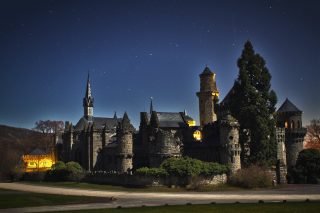
Elsewhere in the park, visitors can explore the romantic ruins of Löwenburg Castle, wander through forested paths leading to hidden viewpoints, or head toward Karlsaue Park and its elegant Orangery. With its mix of architecture, gardens, and woodland, Bergpark Wilhelmshöhe offers a wide variety of experiences for both casual strollers and dedicated sightseers.
How to Get to Bergpark Wilhelmshöhe
The nearest major airport is Frankfurt Airport, located around two hours away by train, and it is the most convenient international gateway for visitors. For the best deals and a seamless booking experience, check out these flights to Kassel on Booking.com. Kassel is well-connected by frequent rail services, including trains that arrive directly at Kassel-Wilhelmshöhe station, making the journey smooth and efficient. Train schedules and bookings can be found on Omio. Reaching the park from the city centre is simple, with local trams and buses running regularly to the main entrances.
Travelling by car is straightforward, with well-marked routes leading to parking areas near the lower park entrances, though spaces can fill during peak times. If you are looking to rent a car in Germany I recommend having a look at Discover Cars, first, as they compare prices and review multiple car rental agencies for you. The drive offers a pleasant approach through the wooded hills around Kassel.
Practical Tips on Visiting Bergpark Wilhelmshöhe
- Suggested tips: Wear comfortable shoes, as the park covers steep terrain and large distances.
- Best time to visit: Late spring to early autumn for greenery and seasonal water displays.
- Entrance fee: Access to the park is free; some attractions like Löwenburg may charge a small fee.
- Opening hours: 9am-sunset, visitor centre 10am-5pm May-Sep, to 4pm Sat & Sun Oct-Apr
- Official website: https://museum-kassel.de/en/locations/bergpark-wilhelmshoehe
- How long to spend: At least half a day, but a full day allows you to explore at a relaxed pace.
- Accessibility: Some paths are steep, but lower areas of the park and key viewpoints offer easier access.
- Facilities: Toilets, cafés, and visitor centres are located near the palace and main entrances.
- Photography tip: For the best light on the Hercules monument, visit in early morning or late afternoon.
- Guided tours: Seasonal guided tours and special water-display walks are available.
- Nearby food options: Cafés near the palace and restaurants in the surrounding district offer convenient dining.
Where to Stay close to Bergpark Wilhelmshöhe
Staying near Bergpark Wilhelmshöhe makes it easy to enjoy early morning walks or catch the cascades at their most peaceful. Hotels in the surrounding district offer quick access to both the park and Kassel-Wilhelmshöhe station. The elegant Schlosshotel Bad Wilhelmshöhe places you directly beside the park’s lower entrance with comfortable rooms and spa facilities. Another convenient option is Mountain Park Kassel, offering a stylish stay within walking distance of key attractions. For a more budget-friendly choice, Hotel Am Bergpark provides simple comfort close to local transport links.
Is Bergpark Wilhelmshöhe Worth Visiting?
Yes, Bergpark Wilhelmshöhe is absolutely worth visiting. Its combination of monumental architecture, dramatic water engineering, and sweeping natural beauty makes it unlike any other park in Europe. Whether you come for the Hercules statue, the cascades, or the chance to explore one of the must-see places in Kassel, it offers a memorable experience for travelers of all interests.
What Other Travellers Say...

Bergpark Wilhelmshöhe in Kassel is a grand park with a castle, sweeping views and well-kept walking and hiking paths that make it ideal for relaxing, photography and family outings; visitors praise the majestic architecture and scenic vistas, note that the journey up to the castle is enjoyable though there's little to do once you reach the top, and many recommend visiting in warmer months when the water features and waterfall are running.


FAQs for Visiting Bergpark Wilhelmshöhe
Nearby Attractions to Bergpark Wilhelmshöhe
- Löwenburg Castle: A romantic mock-medieval castle offering sweeping views and atmospheric interiors.
- Wilhelmshöhe Palace: A grand residence with an impressive art collection, including works by Rembrandt.
- Karlsaue Park: A spacious public park with gardens, lakes, and the elegant Orangery.
- Kassel City Centre: Home to museums, cafés, and the lively Königsplatz shopping district.
- GRIMMWELT Kassel: An interactive museum dedicated to the Brothers Grimm and their storytelling legacy.
The Bergpark Wilhelmshöhe appears in our Complete Guide to Visiting Kassel!

Moira & Andy
Hey! We're Moira & Andy. From hiking the Camino to trips around Europe in Bert our campervan — we've been traveling together since retirement in 2020!
This website uses affiliate links which may earn a commission at no additional cost to you!
Planning Your Visit
9am-sunset, visitor centre 10am-5pm May-Sep, to 4pm Sat & Sun Oct-Apr
Access to the park is free; some attractions like Löwenburg may charge a small fee.
Nearby Attractions
- Löwenburg Castle (0.7) km
Castle - Schloss Wilhelmshöhe (0.8) km
Palace - Museum for Sepulchral Culture (5.9) km
Museum - Grimm World (5.9) km
Museum - Hessian State Museum (6.0) km
Museum - Neue Galerie (6.2) km
Gallery - Museum of Natural History Ottoneum (6.6) km
Museum - Karlsaue Park (6.6) km
Historic Building and Park - Schloss Wilhelmsthal (8.5) km
Palace - Castle Sababurg (26.9) km
Castle