Benedictine Monastery of St. Nicholas, Trogir
Historic Building, Monastery and Religious Building in Trogir
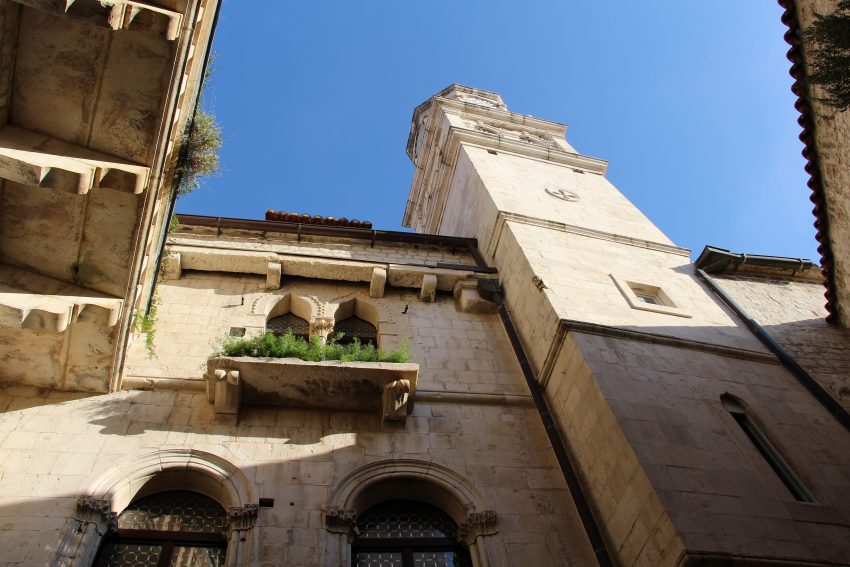
Tucked inside Trogir's UNESCO-listed Old Town, the Benedictine Monastery of St. Nicholas is a small but memorable cultural stop known for its serene atmosphere and a standout artifact: the ancient Greek relief of Kairos, the god of the “right moment.” It's the kind of place that feels like a secret, even though it sits just a short walk from the busiest lanes and squares.
Most travelers visit as part of a walking tour through the Old Town, pairing it with the Cathedral of St. Lawrence, the city gates, and the waterfront promenade. If you're choosing only a few stops, this monastery works best as a short, meaningful detour for art, history, and a quieter side of Trogir.
Table of Contents
- History and Significance of the Benedictine Monastery of St. Nicholas
- Things to See and Do in the Benedictine Monastery of St. Nicholas
- How to Get to the Benedictine Monastery of St. Nicholas
- Practical Tips on Visiting the Benedictine Monastery of St. Nicholas
- Where to Stay Close to the Benedictine Monastery of St. Nicholas
- Is the Benedictine Monastery of St. Nicholas Worth Visiting?
- For Different Travelers
- FAQs for Visiting Benedictine Monastery of St. Nicholas
- Nearby Attractions to the Benedictine Monastery of St. Nicholas
History and Significance of the Benedictine Monastery of St. Nicholas
The Benedictine community at St. Nicholas is deeply woven into Trogir’s long religious and civic history. While the Old Town is often celebrated for its Romanesque and Renaissance architecture, the monastery adds another layer: a living monastic presence that has endured through centuries of political shifts along the Adriatic.
Its cultural significance for visitors today is closely tied to the monastery's collection, especially the Kairos relief. This ancient Greek piece has become a symbol of Trogir itself, linking the town's later medieval identity with older Mediterranean currents of art and belief.
Beyond the headline artifact, the monastery represents a quieter continuity in the center of a busy tourist town. Visiting is less about grand interiors and more about stepping into a space where devotion, preservation, and local identity have intersected for generations.
Things to See and Do in the Benedictine Monastery of St. Nicholas
The main reason to visit is the Kairos relief, often described as one of the most intriguing small-scale highlights in Trogir. Take your time with it: it's a compact object, but it rewards a slower look, especially if you enjoy symbolism and ancient craftsmanship.
As you move through the monastery’s visitor areas, pay attention to the contrast between the lively streets outside and the calm inside. Even a brief visit can feel like a reset in the middle of a packed Old Town itinerary.
If you’re exploring with a guide, this is also a great place to ask for context about how Trogir’s layers fit together, from Greek and Roman influences to medieval Dalmatian life. If you’re self-guiding, consider reading a short note about Kairos beforehand so the symbolism clicks when you see it in person.
How to Get to the Benedictine Monastery of St. Nicholas
The nearest major airport is Split Airport (SPU), which is the most convenient option for reaching Trogir quickly from international and regional flights. For the best deals and a seamless booking experience, check out these flights to Trogir on Booking.com.
Croatia's coastal rail network is limited, so most visitors who arrive by train typically route through Split and then continue onward to Trogir by bus, taxi, or shuttle connections. Train schedules and bookings can be found on Omio.
If you're traveling by car, Trogir is straightforward to reach via the coastal roads and motorways around Split, but parking is easiest outside the Old Town and then finishing on foot.
Practical Tips on Visiting the Benedictine Monastery of St. Nicholas
- Official website: https://benedicta.hr/en/home/
- Entrance fee: Adults: €5; Groups (10+): €4.
- Opening hours: Monday – Saturday: 09:00–13:00 & 15:00–19:00. Sunday: Closed. Closed on public holidays.
- Best time to visit: Go earlier in the day for a calmer experience, especially in peak summer when Old Town lanes get crowded by late morning.
- How long to spend: Plan 20–40 minutes for a focused visit, or up to an hour if you like to linger and take in the details.
- Accessibility: Expect historic-street approaches and potential steps; the Old Town’s stone paving can be uneven, so take extra care if you have mobility concerns.
- Facilities: Facilities are limited on-site; plan to use cafés and public amenities around the main Old Town area before or after your visit.
Where to Stay Close to the Benedictine Monastery of St. Nicholas
Base yourself in Trogir Old Town if you want to walk everywhere and enjoy the atmosphere early and late in the day.
For a classic, central stay with character, consider Hotel Trogir Palace for its easy access to both the Old Town and practical transport links. If you want to sleep inside the historic core, Hotel Monika is a strong pick for location and a more boutique feel.
For travelers who like modern comfort close to the action, Hotel Brown Beach House & Spa stands out for its design-forward vibe and spa downtime after sightseeing. If you prefer a smaller, intimate property with a local touch, Hotel Tragos is well-placed for quick walks to the monastery and nearby landmarks.
If you want a waterfront setting and an easy stroll into the Old Town, Hotel Pasike is a convenient choice that keeps you close to restaurants and evening promenades.
Is the Benedictine Monastery of St. Nicholas Worth Visiting?
Yes, especially if you appreciate small, high-impact sights: it’s not a sprawling complex, but it offers a distinctive highlight (Kairos) and a calm, reflective counterpoint to Trogir’s busiest streets. It fits beautifully into a half-day Old Town plan and feels more personal than some of the larger, more crowded stops.
Honest Pivot: if you're rushing through Trogir on a very tight schedule and you're not particularly interested in religious heritage, small museum-style collections, or symbolic artifacts, you may prefer to prioritize the cathedral, Kamerlengo Fortress, and the waterfront instead.
What Other Travellers Say...


For Different Travelers
The monastery works best for travelers who enjoy meaningful details rather than big-ticket spectacle. Think of it as a short, enriching stop that complements Trogir’s headline landmarks.
Families with Kids
Kids who like “treasure hunt” moments may enjoy the idea of finding a famous ancient relief hidden in a quiet place. Keep the visit short and pair it with a reward stop afterward, like gelato on the promenade.
If your family is already museum-fatigued, treat this as a quick cultural pop-in rather than a long educational session. It’s easiest when folded into a walking loop that includes open spaces nearby.
Couples & Romantic Getaways
For couples, the appeal is the peaceful atmosphere and the feeling of stepping away from the crowds together. It’s a nice contrast to the lively waterfront and makes a thoughtful stop before a long lunch or sunset stroll.
If you like travel moments with symbolism, Kairos adds a romantic angle: the “right moment” theme pairs well with slow wandering and photo stops around the Old Town lanes.
Budget Travelers
This is a good-value cultural stop compared with bigger-ticket attractions, and it's easy to reach on foot from anywhere in central Trogir. You can build an excellent low-cost day around it by combining free Old Town wandering with a couple of paid highlights.
To keep spending down, plan your route so you’re not relying on taxis within town, and use the monastery as one of several short stops rather than the only paid visit.
History Buffs
History lovers will appreciate how the monastery connects Trogir’s medieval identity with older Greek artistic heritage through the Kairos relief. It’s a compact visit, but it opens up bigger stories about the Adriatic as a crossroads.
Pair it with the Cathedral of St. Lawrence and a walk past key civic buildings to see how sacred, civic, and maritime histories overlap in a very small area.
FAQs for Visiting Benedictine Monastery of St. Nicholas
Getting There
Tickets & Entry
Visiting Experience
Tours, Context & Itineraries
Photography
Accessibility & Facilities
Food & Breaks Nearby
Safety & Timing
Nearby Attractions to the Benedictine Monastery of St. Nicholas
- Cathedral of St. Lawrence: Trogir's headline landmark with impressive architecture and a richly detailed historic interior.
- Trogir City Loggia: A photogenic civic structure that helps explain the town's public life and medieval identity.
- Kamerlengo Fortress: A seaside fort with great views and a fun, walkable rampart experience.
- Trogir Old Town (UNESCO core): A compact maze of stone lanes where the atmosphere is the attraction.
- Trogir Waterfront Promenade (Riva): The best place for an easy stroll, people-watching, and sunset light.
The Benedictine Monastery of St. Nicholas appears in our Complete Guide to Visiting Trogir!

Moira & Andy
Hey! We're Moira & Andy. From hiking the Camino to trips around Europe in Bert our campervan — we've been traveling together since retirement in 2020!
This website uses affiliate links which may earn a commission at no additional cost to you!
Planning Your Visit
Monday - Saturday: 09:00-13:00 & 15:00-19:00.
Sunday: Closed.
Closed on public holidays.
Adults: €5; Groups (10+): €4.
Nearby Attractions
- Trogirska Riva (0) km
Area, Harbour and Promenade - Crkva Sv. Barbara (0.1) km
Church, Historic Site and Religious Building - Crkva Sv. Sebastijan (0.1) km
Church, Historic Site and Tower - Gradska Loza Trogir (0.1) km
Historic Building, Historic Site and Square - Knezev Dvor (0.1) km
Courtyard, Historic Building and Town Hall - Trogir Main Square (0.1) km
Attraction, Historic Site and Square - Radovan's Portal (0.1) km
Cathedral, Historic Site and Sculpture - Trogir Cathedral and Bell Tower (0.1) km
Cathedral, Historic Site and Tower - Palaca Cipiko (0.1) km
Historic Building, Historic Site and Palace - Kapela Sv. Ivan Trogirski (0.1) km
Church, Historic Room and Religious Building