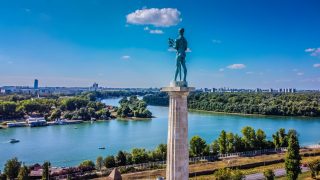
Belgrade Fortress
Castle, Historic Site and Park in Belgrade
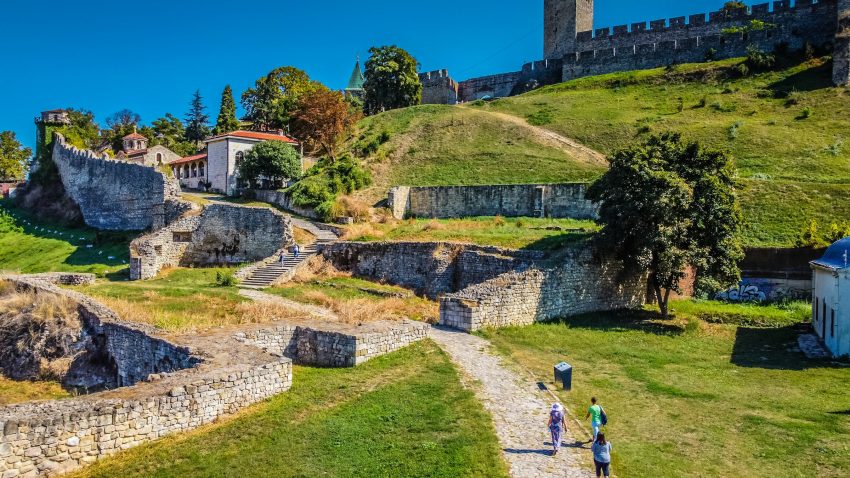
Belgrade Fortress (often called Kalemegdan) is the city's most iconic historic complex, perched above the dramatic meeting point of the Sava and Danube rivers. It's part fortress, part parkland, and part open-air museum of gates, walls, and viewpoints that make it one of the easiest “must-dos” in Belgrade.
Most travelers experience it as the highlight of a walking tour through the old town, because it sits at the end of the pedestrian core and rewards you with some of the best panoramic spots in the city. Even if you're not a history person, the views, shaded paths, and sunset-friendly terraces make it feel like Belgrade's living room.
Table of Contents
- History and Significance of the Belgrade Fortress
- Things to See and Do in the Belgrade Fortress
- How to Get to the Belgrade Fortress
- Practical Tips on Visiting the Belgrade Fortress
- Where to Stay Close to the Belgrade Fortress
- Is the Belgrade Fortress Worth Visiting?
- For Different Travelers
- FAQs for Visiting Belgrade Fortress
- Nearby Attractions to the Belgrade Fortress
History and Significance of the Belgrade Fortress
Belgrade Fortress has guarded this strategic hill for centuries, and its story is essentially the story of Belgrade itself: a frontier city fought over by empires. The site's position above two major rivers made it a prized military stronghold, repeatedly rebuilt, expanded, and reshaped as power shifted across the region.
Over time, layers accumulated rather than disappearing. You’ll notice how different sections feel: some parts read as medieval fortifications, others as later bastions and gates designed for gunpowder-era warfare. That mix is what makes the fortress so compelling on foot—you’re walking through a timeline, not a single “castle moment.”
Today, the fortress is also a cultural symbol for the city. It’s where locals come for evening strolls, weekend meetups, and festivals, and where visitors get their first big “Belgrade makes sense now” view over the rivers and bridges.
Things to See and Do in the Belgrade Fortress
Start with the classic circuit: wander the main paths of the Upper Town, then follow the walls and terraces until you find your favorite overlook. The best viewpoints are the ones facing the river confluence—linger a little and you’ll see boats, barges, and the skyline shifting with the light.
As you explore, look for the fortress gates and towers that punctuate the walk and create natural “chapters” to your visit. The atmosphere changes quickly: one moment you’re in a leafy park-like lane, the next you’re beside stone ramparts with wide-open views.
If you want more than a scenic stroll, consider pairing the walk with one of the on-site museums or small interior attractions (some have their own hours). It’s an easy way to add depth, especially if you’re visiting in cooler weather or want a more structured stop on your walking-tour day.
How to Get to the Belgrade Fortress
Belgrade is served by Belgrade Nikola Tesla Airport (BEG), the main international gateway, and most visitors reach the fortress from the city center after arriving there. For the best deals and a seamless booking experience, check out these flights to Belgrade on Booking.com.
If you’re coming to Belgrade by train, aim for the central rail connections and then continue by public transport or a short taxi ride toward the old town pedestrian zone, which leads naturally to Kalemegdan. Train schedules and bookings can be found on Omio.
By car, it’s usually easiest to park in a central garage and walk the final stretch through the pedestrian streets rather than trying to drive right up to the fortress entrances.
Practical Tips on Visiting the Belgrade Fortress
- Official website: https://www.beogradskatvrdjava.co.rs/
- Entrance fee: Free.
- Opening hours: 24 Hours.
- Best time to visit: Go in late afternoon for softer light and cooler temperatures, then stay through sunset for the best river views.
- How long to spend: Plan 1.5–2.5 hours for a relaxed walk with viewpoints; add extra time if you’re visiting museums or specific interior sights.
- Accessibility: Paths are a mix of paved walkways, uneven stone, and steps; some viewpoints and wall sections can be challenging for wheelchairs and strollers.
- Facilities: You’ll find cafés and kiosks around Kalemegdan and near main paths, plus benches and plenty of shaded spots for breaks.
Where to Stay Close to the Belgrade Fortress
Base yourself in Stari Grad (Old Town) for the easiest walk to the fortress and the most convenient access to Belgrade’s pedestrian streets, cafés, and key sights.
Courtyard by Marriott Belgrade City Center A reliable, modern option right by Republic Square, ideal if you want a comfortable base with an easy walk to the fortress through the city's main pedestrian routes.
Hotel Moskva A classic landmark hotel with old-world character, great for travelers who want a historic feel and a central location for walking tours that end at Kalemegdan.
Mama Shelter Belgrade Fun, design-forward, and right on the main pedestrian street—perfect if you want to step outside and be instantly in the city’s buzz on your way to the fortress.
Hotel Majestic A solid mid-range pick in the heart of the center, good value for location and a practical choice for early starts and late returns.
Square Nine Hotel Belgrade A high-end boutique stay with a calm, polished vibe—great if you want a quieter luxury base still close enough to walk to the fortress in minutes.
Is the Belgrade Fortress Worth Visiting?
Yes—Belgrade Fortress is absolutely worth visiting because it delivers the city's best “big picture” experience in one place: history underfoot, river panoramas ahead, and a relaxed local atmosphere all around you. It's also one of the easiest attractions to fit into a first-time itinerary since it pairs naturally with a walking tour of the old town.
Honest Pivot: If you dislike lots of walking on uneven surfaces, or you’re looking for a fully curated, ticketed “castle interior” experience, you may find the fortress more like a scenic historic park than a traditional museum-style attraction. In that case, visit briefly for the viewpoints and spend the rest of your time in Belgrade’s museums, cafés, and neighborhoods.
What Other Travellers Say...

This ancient fortress sits atop a clifflike ridge overlooking the river & offers lush park areas.


For Different Travelers
Belgrade Fortress works well because it's flexible: you can treat it as a quick viewpoint stop, a long sunset stroll, or a history-focused walk with add-on museums. Here's how it tends to land for different travel styles.
Families with Kids
Kids usually enjoy the sense of space and exploration—wide paths, big walls, and plenty of “lookout” moments. It’s also easy to break up the visit with snack stops and short loops rather than committing to one long route.
If you’re visiting with a stroller, plan a simpler path that sticks to smoother main walkways and avoids steep steps. Aim for earlier in the day to reduce crowds and keep everyone comfortable.
Couples & Romantic Getaways
For couples, the fortress is one of Belgrade’s best low-effort romantic spots: come for golden hour, pick a viewpoint, and let the city lights switch on. The river confluence views feel especially cinematic at dusk.
Pair it with a slow walk down through the old town afterward for dinner or drinks. It’s a classic Belgrade date-night flow that doesn’t require much planning.
Budget Travelers
Belgrade Fortress is a budget traveler's dream because the main experience is simply walking and enjoying the views. You can spend a full afternoon here without paying for entry, then continue on foot to other central sights.
Bring water, grab a bakery snack in the center, and treat the fortress as your scenic “free anchor” for the day. If you want one paid add-on, choose a museum or a specific interior attraction rather than trying to do everything.
History Buffs
History lovers will appreciate how the fortress shows multiple eras layered into one site, with gates, walls, and defensive lines that reflect changing military technology. It’s a place where the geography explains the history—standing above the rivers makes the strategic logic obvious.
To get more context, consider a guided walking tour that explains what you're seeing and why it mattered. You'll notice more details (and understand the layout better) with even a little narration.
FAQs for Visiting Belgrade Fortress
Getting There
Tickets & Entry
Visiting Experience
Tours, Context & Itineraries
Photography
Accessibility & Facilities
Food & Breaks Nearby
Safety & Timing
Nearby Attractions to the Belgrade Fortress
- Knez Mihailova Street: Belgrade’s main pedestrian street, perfect for a stroll between shops, cafés, and historic facades.
- Republic Square: A central meeting point with major cultural landmarks and an easy start for walking routes.
- Skadarlija: A bohemian-style cobblestone quarter known for traditional restaurants and evening atmosphere.
- Belgrade Zoo: A long-running city zoo located within the broader Kalemegdan area, convenient for families.
- Cathedral Church of St. Michael the Archangel: A prominent Orthodox cathedral near the old town, easy to combine with a fortress walk.
The Belgrade Fortress appears in our Complete Guide to Visiting Belgrade!

Moira & Andy
Hey! We're Moira & Andy. From hiking the Camino to trips around Europe in Bert our campervan — we've been traveling together since retirement in 2020!
This website uses affiliate links which may earn a commission at no additional cost to you!
Planning Your Visit
24 Hours.
Free.
Nearby Attractions
- Gallery of the Natural History Museum (0.1) km
Attraction, Gallery and Museum - Kalemegdan Park (0.3) km
Castle, Park and Viewing Point - Belgrade Zoo (0.4) km
Attraction and Zoo - Bajrakli Mosque (0.5) km
Historic Site, Mosque and Religious Building - Nebojsa Tower (0.6) km
Attraction, Historic Site and Tower - Residence of Princess Ljubica (0.6) km
Historic Building, Historic Site and Museum - Prince Michael Street (0.9) km
Area, Attraction and Street - National Museum (1) km
Museum - National Theatre (1) km
Arts Venue, Opera House and Theatre - Republic Square (1) km
Attraction, Monument and Square