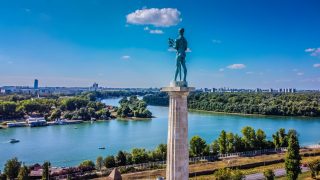
Nebojsa Tower, Belgrade
Attraction, Historic Site and Tower in Belgrade
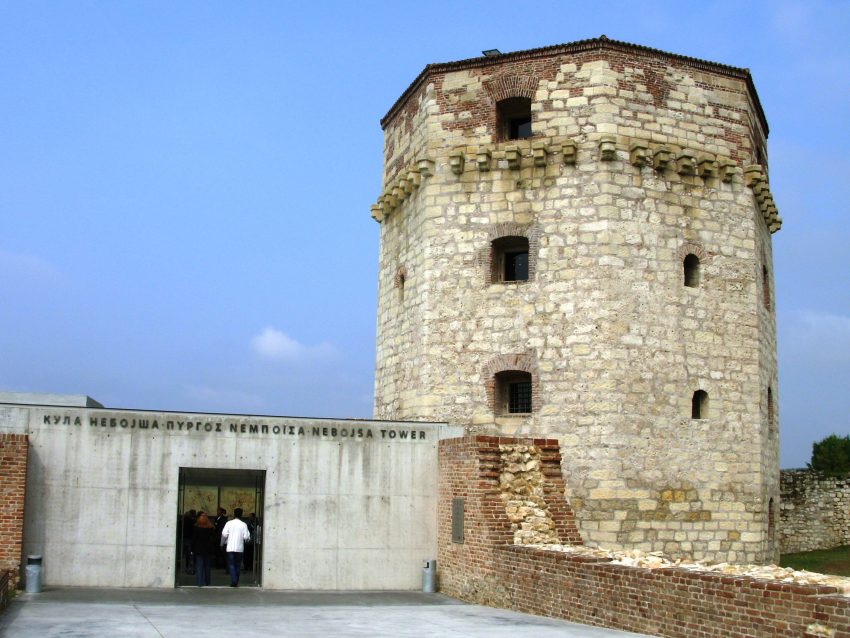
Nebojsa Tower sits down in the Lower Town of Belgrade Fortress, close to the riverside paths where the Sava meets the Danube. It's one of the fortress complex's most atmospheric structures: a stout stone tower with a dramatic past, now adapted into a compact museum-style visit with exhibits and viewpoints.
It's an easy add-on if you're exploring Kalemegdan on foot, and it works especially well as part of a walking tour that links the Upper Town ramparts with the quieter Lower Town riverfront. Many travelers pair it with a stroll along the Danube promenade, then loop back up toward the main fortress viewpoints for sunset.
Table of Contents
History and Significance of the Nebojsa Tower
Nebojsa Tower is one of the most recognizable surviving towers of the Belgrade Fortress complex, positioned strategically near the waterline where control of the rivers mattered as much as control of the city. Over centuries, this riverside edge of Belgrade was repeatedly contested, rebuilt, and repurposed, and the tower's heavy masonry still communicates that defensive logic.
Beyond military architecture, the tower is remembered for its darker chapters as a place of imprisonment and execution. That layered history is part of what makes the visit feel different from simply walking the walls above: you’re standing in a structure that has seen the city’s most turbulent eras up close.
Today, the tower functions as a small museum and cultural stop within the broader Belgrade Fortress experience. It's a concise visit, but it adds context to the Lower Town and helps you understand how the fortress related to the rivers and trade routes below.
Things to See and Do in the Nebojsa Tower
Inside, expect a short, vertical museum-style route: exhibits that interpret the tower’s history, the fortress’s river defenses, and the human stories tied to this spot. The experience is more about atmosphere and context than about a huge collection, so it’s ideal when you want something meaningful without committing half a day.
As you move upward, look for small architectural details that reveal how the tower was built for defense: thick walls, narrow openings, and the sense of enclosure that contrasts with the openness of the riverfront outside. The climb is part of the appeal, and it naturally slows you down to notice the structure.
Afterward, linger outside for riverside views and a calmer side of Kalemegdan. This area is excellent for photos in late afternoon light, and it connects nicely to a longer walk along the Danube promenade or back up to the main fortress plateau.
How to Get to the Nebojsa Tower
The nearest airport is Belgrade Nikola Tesla Airport (BEG), around 20-30 minutes by car depending on traffic, and it’s the main gateway for international flights. For the best deals and a seamless booking experience, check out these flights to Belgrade on Booking.com.
If you're arriving by train, you'll typically come into Belgrade's main rail hub area (often via Beograd Centar/Prokop), then continue by taxi or city transit toward Kalemegdan/Belgrade Fortress and walk down to the Lower Town. Train schedules and bookings can be found on Omio.
By car, aim for parking near Kalemegdan or the Dorćol riverside area, then continue on foot down to the tower in the Lower Town.
Practical Tips on Visiting the Nebojsa Tower
- Official website: http://kulanebojsa.rs/?lang=en
- Entrance fee: Single ticket: 200 RSD; Pupils, students, senior citizens: 100 RSD.
- Opening hours: (Summer) April 15 – October 15; Wednesday – Sunday: 11:00–19:00. (Winter) October 15 – April 15; Wednesday – Sunday: 10:00–17:00.
- Best time to visit: Go on a clear day for river views, ideally late afternoon when the light softens along the Danube-side paths.
- How long to spend: Plan 30-60 minutes for the tower itself, then add extra time if you want a relaxed riverside walk afterward.
- Accessibility: Expect stairs and uneven historic surfaces; it’s not an easy visit for wheelchairs or anyone who struggles with steep steps.
- Facilities: Facilities are limited at the tower itself, so use restrooms and grab water or snacks up in the main Kalemegdan area before heading down.
Where to Stay Close to the Nebojsa Tower
The best area to base yourself is central Belgrade around Kalemegdan and Dorćol for easy walking access to the fortress, riverfront, and the old city.
If you want a polished, full-service stay with a classic city-hotel feel, choose a central option that keeps you close to Kalemegdan while still being convenient for restaurants and evening strolls.
Courtyard by Marriott Belgrade City Center This is a strong pick for travelers who want reliable comfort and a highly walkable base for both the fortress and the pedestrian core.
Hotel Moskva A historic landmark stay with old-world character, great if you want your hotel to feel like part of the Belgrade story.
Mama Shelter Belgrade Fun, design-forward, and right on the main pedestrian street, ideal for travelers who want energy, views, and easy dining.
Hotel Bohemian Garni - Skadarlija A practical choice near Skadarlija for those who want nightlife and a lively atmosphere while still being close to Kalemegdan.
Falkensteiner Hotel Belgrade Best for business-leaning travelers who prefer modern amenities and don’t mind a short ride to reach the fortress area.
Is the Nebojsa Tower Worth Visiting?
Yes, especially if you're already exploring Belgrade Fortress and want a more intimate, story-driven stop than the big viewpoints above. It's compact, atmospheric, and nicely paired with a riverside walk, making it a high-value add-on rather than a standalone “must” that demands a long detour.
Honest Pivot: If you dislike stairs, tight historic interiors, or small museum-style exhibits, you can skip the tower and focus on the fortress ramparts and Kalemegdan park viewpoints, which deliver the biggest panoramas with less effort.
What Other Travellers Say...
Reviewers describe the tower as a must-see historical landmark and museum, valued for its rich regional history, multilingual information, and engaging exhibits that work well for families and kids. Visitors also appreciate the scenic riverside setting near the Danube and the quality of on-site guiding in English. Practical drawbacks mentioned include limited nearby parking and the need to bring cash because card payments may not be accepted.





For Different Travelers
Nebojsa Tower is a flexible stop: short enough to fit into a busy itinerary, but distinctive enough to feel like you discovered a quieter corner of Kalemegdan. It works best when you treat it as part of a walking route through the fortress and along the rivers.
Families with Kids
Kids who enjoy “real castle” vibes will like the tower’s fortress feel and the sense of exploring a defensive structure. It’s also a manageable visit time-wise, which helps if you’re balancing naps, snacks, and short attention spans.
On the flip side, the vertical layout and stairs can be tiring, and some of the historical themes may be heavy for very young children. Pair it with open-air time in Kalemegdan park afterward to keep the day balanced.
Couples & Romantic Getaways
For couples, the appeal is the riverside setting and the quieter Lower Town atmosphere compared with the busier plateau above. It’s a good pre-sunset stop before a scenic walk along the Danube-side paths.
The tower itself is more moody and historic than “romantic,” but that’s part of the charm if you like places with texture and stories. Combine it with a relaxed dinner in Dorćol or Skadarlija afterward.
Budget Travelers
Budget travelers will appreciate that it’s a short, straightforward visit that fits neatly into a day of mostly free sightseeing around Kalemegdan. The surrounding fortress grounds and viewpoints give you a lot of value even if you keep paid entries minimal.
If you’re watching every dinar, consider prioritizing the open-air fortress walk first, then decide on the tower based on your interest in the exhibits and your tolerance for stairs.
History Buffs
History lovers get the most out of Nebojsa Tower when they place it in the broader story of Belgrade as a frontier city shaped by rivers, empires, and repeated rebuilding. The Lower Town location helps you visualize how defenses worked at the waterline.
To deepen the experience, connect the visit with other fortress sites and museums nearby so you're not seeing the tower in isolation. A guided walking tour can add the context that makes the exhibits feel more vivid.
FAQs for Visiting Nebojsa Tower
Getting There
Tickets & Entry
Visiting Experience
Tours, Context & Itineraries
Photography
Accessibility & Facilities
Food & Breaks Nearby
Safety & Timing
The Nebojsa Tower appears in our Complete Guide to Visiting Belgrade!

Moira & Andy
Hey! We're Moira & Andy. From hiking the Camino to trips around Europe in Bert our campervan — we've been traveling together since retirement in 2020!
This website uses affiliate links which may earn a commission at no additional cost to you!
Planning Your Visit
(Summer) April 15 - October 15; Wednesday - Sunday: 11:00-19:00.
(Winter) October 15 - April 15; Wednesday - Sunday: 10:00-17:00.
Single ticket: 200 RSD; Pupils, students, senior citizens: 100 RSD.
Nearby Attractions
- Belgrade Zoo (0.6) km
Attraction and Zoo - Belgrade Fortress (0.6) km
Castle, Historic Site and Park - Gallery of the Natural History Museum (0.6) km
Attraction, Gallery and Museum - Kalemegdan Park (0.9) km
Castle, Park and Viewing Point - Bajrakli Mosque (0.9) km
Historic Site, Mosque and Religious Building - Residence of Princess Ljubica (1.2) km
Historic Building, Historic Site and Museum - Prince Michael Street (1.4) km
Area, Attraction and Street - National Museum (1.5) km
Museum - National Theatre (1.6) km
Arts Venue, Opera House and Theatre - Republic Square (1.6) km
Attraction, Monument and Square