Batana Eco Museum, Rovinj
Attraction and Museum in Rovinj
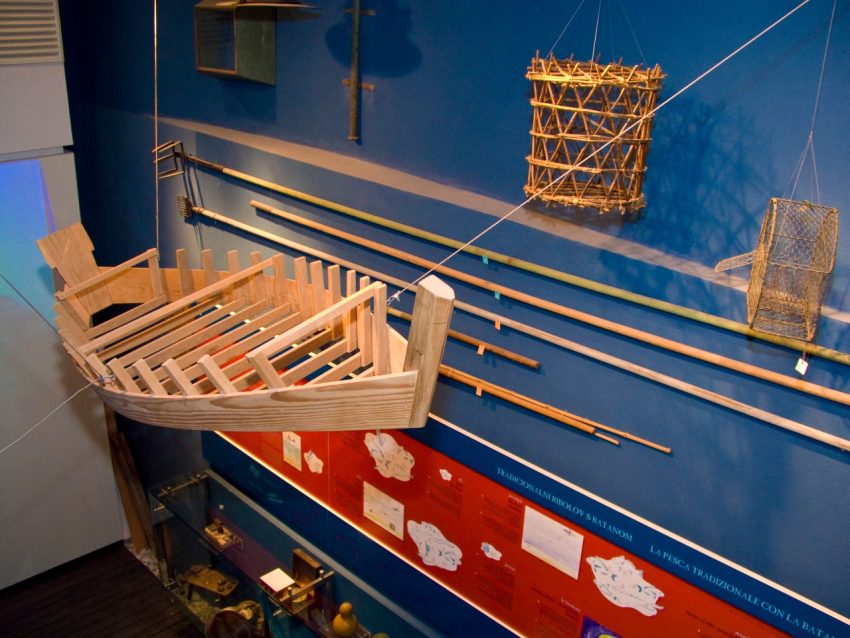
Batana Eco Museum (often called the House of Batana) is a small, story-rich museum on Rovinj's waterfront that brings the town's seafaring identity to life through the traditional wooden boat known as the batana. Set inside a typical old-town house near the harbor, it's an easy add-on to any stroll through Rovinj's cobbled lanes and seaside promenade.
Because the museum sits right in the heart of the Old Town, it's ideal to visit as part of a self-guided walking tour: start at the harbor, weave through the narrow streets behind the waterfront, then pop in here before continuing toward the Church of St. Euphemia for the best views over the rooftops and sea.
Table of Contents
- History and Significance of the Batana Eco Museum
- Things to See and Do in the Batana Eco Museum
- How to Get to the Batana Eco Museum
- Practical Tips on Visiting the Batana Eco Museum
- Where to Stay Close to the Batana Eco Museum
- Is the Batana Eco Museum Worth Visiting?
- For Different Travelers
- FAQs for Visiting Batana Eco Museum
- Nearby Attractions to the Batana Eco Museum
History and Significance of the Batana Eco Museum
The Batana Eco Museum is dedicated to the batana, Rovinj's most widespread traditional vessel and a symbol of local maritime life. Rather than focusing only on objects behind glass, the museum frames the boat as living heritage: fishing, boatbuilding, songs, language, and the everyday routines that shaped the waterfront community.
The interpretation center opened to the public in 2004 inside a late-17th-century coastal house, which helps explain why the visit feels intimate and local rather than grand and formal. The setting matters: you’re not just learning about Rovinj’s maritime culture, you’re standing in the kind of building where it actually unfolded.
What makes it especially meaningful is the community-driven approach. Much of what you see is rooted in local contributions and memory, turning the museum into a compact introduction to Rovinj’s identity, not just a niche boat exhibit.
Things to See and Do in the Batana Eco Museum
Expect a small footprint with a lot of texture. The permanent exhibition uses multimedia elements, archival and modern photography, drawings, and interactive features to explain how the batana was built and used, and how fishing shaped the town’s rhythm. Even if you’re not a “boat person,” the human stories and sounds make it engaging.
Look out for the sections that connect craft to daily life: tools, donated objects, and short visual narratives that show how knowledge was passed down. The museum is also known for communicating across languages, which helps international visitors follow the story without feeling rushed.
If you want to go beyond the exhibit, ask about guided visits or special programs. Depending on the season, there may also be opportunities tied to the wider Batana experience on the waterfront, which can turn a quick museum stop into a memorable evening plan.
How to Get to the Batana Eco Museum
The nearest airports are Pula Airport (the closest), Trieste Airport, and Rijeka Airport, with Venice airports also possible if you're combining Istria with northern Italy. For the best deals and a seamless booking experience, check out these flights to Rovinj on Booking.com.
Rovinj does not have a central passenger train station in town, so the most common rail approach is to take a train to a larger hub (often in Istria or toward Rijeka/Pula) and continue by bus or taxi into Rovinj's Old Town area. Train schedules and bookings can be found on Omio.
Driving is straightforward in Istria, and Rovinj is well-connected by regional roads; plan to park outside the pedestrian-heavy Old Town and walk in along the harbor to reach the museum.
Practical Tips on Visiting the Batana Eco Museum
- Official website: https://www.batana.org/en/home/
- Entrance fee: Adults: €5; Pupils, students & pensioners: €4; Adult groups (10+): €3; School groups (10+): €2.50; Some members free.
- Opening hours: (Winter) January, February, December: Monday – Friday: 10:00–15:00; Closed on Saturday, Sunday. (Group visits with advance notice.). (Summer) March, April, October, November: Monday – Saturday: 10:00–16:00; Closed on Sunday. May, September: Monday – Saturday: 10:00–13:00 & 18:00–21:00; Closed on Sunday. June – August: Monday – Saturday: 10:00–13:00 & 19:00–23:00; Closed on Sunday. (Group visits with advance notice.).
- Best time to visit: Go in the evening in late spring through summer if you want the Old Town to feel most atmospheric after a waterfront walk; daytime is best if you prefer a quieter, cooler visit.
- How long to spend: Plan 30–60 minutes for the museum itself, or longer if you like reading every panel and watching the multimedia segments.
- Accessibility: The museum is in an old-town building and the surrounding streets are cobbled; expect steps and tight spaces that may be challenging for wheelchairs and strollers.
- Facilities: There’s a small souvenir shop on-site, and you’ll find plenty of cafés and gelato spots within a few minutes’ walk along the harbor.
Where to Stay Close to the Batana Eco Museum
Base yourself in Rovinj Old Town or right along the harbor for the easiest walk-to-everything stay.
If you want to step out the door and be at the waterfront in minutes, Old Town and the marina edge are the most convenient areas, especially for early-morning photo walks and sunset evenings. For a calmer resort feel, look just south of the center where you can still reach the museum quickly by foot or a short taxi ride.
Adriatic Hotel by Maistra Collection Chosen for its prime harbor-front location and stylish design that matches a “walk everywhere” Old Town itinerary.
Grand Park Hotel Rovinj by Maistra Collection Included for its standout views over the Old Town and marina, plus a more resort-like experience close to the center.
Hotel Monte Mulini A great pick if you want a quieter, upscale stay with easy access to the waterfront promenade leading toward Old Town.
Lone Hotel by Maistra Collection Ideal for travelers who like modern architecture and amenities while staying within a pleasant walk of the museum.
Heritage Angelo d'Oro Hotel Chosen for a classic Old Town feel in a historic setting, perfect if you want character and a short stroll to the harbor.
Is the Batana Eco Museum Worth Visiting?
Yes, especially if you want a quick but meaningful window into what makes Rovinj different from other Adriatic towns. It's small, but it connects the dots between boats, fishing, language, and community life in a way that feels personal—and it fits neatly into a waterfront walk you're likely doing anyway.
Honest Pivot: If you're only interested in big collections, large-scale art, or you're rushing through Rovinj on a tight schedule, you may prefer to spend your limited time on viewpoints, beaches, or a boat trip instead. Also, if you're sensitive to value-for-money, note that a minority of visitors feel the experience can be overpriced for its size.
What Other Travellers Say...

Google reviewers describe Batana Eco Museum as small but charming and distinctive, with an engaging presentation of Rovinj's batana-boat tradition and helpful multilingual interpretation. Many appreciate the friendly staff and the chance to connect the museum visit with waterfront experiences and evening culture. A minority of visitors criticize the value for money, feeling it can be overpriced, and one review mentions unpleasant water conditions in the surrounding area rather than the museum itself.


For Different Travelers
Batana Eco Museum works best as a short, high-context stop: it adds meaning to the harbor scenery you're already enjoying, and it's easy to combine with a sunset walk, a church viewpoint, and a relaxed meal.
Families with Kids
Kids who like boats, screens, and interactive displays can enjoy this more than a traditional “quiet museum,” especially because the story is visual and tied to real life on the waterfront. It’s also short enough that you can keep attention spans intact.
That said, the Old Town approach involves cobblestones and tight lanes, so bring a compact stroller or consider a carrier for younger children. Pair it with a harbor stroll and a gelato stop to keep the pace fun.
Couples & Romantic Getaways
For couples, this is a great “small stop with a story” before golden hour. The museum adds cultural depth to a classic Rovinj evening: harbor walk, Old Town lanes, then sunset views.
If you’re planning a special night, consider timing your visit so you can linger on the waterfront afterward. The batana theme also fits nicely with the town’s maritime mood—especially if you’re already doing a coastal walk.
Budget Travelers
This is a good value if you like compact museums that deliver clear local context quickly, and it can replace a longer paid activity when you’re keeping costs down. Because it’s central, you won’t spend extra on transport to reach it.
To stretch your day, combine it with free highlights nearby: viewpoints, churches (exteriors), and long walks along the sea. Keep an eye on your overall spend in Rovinj, where food and waterfront seating can add up fast.
History Buffs
History-minded travelers will appreciate how the museum links tangible objects to intangible heritage: craft skills, fishing practices, and local identity. It’s less about grand political history and more about everyday maritime life.
Use it as context before exploring the Old Town: once you’ve seen how the harbor community worked, the waterfront details—small piers, working boats, and repair areas—start to feel like part of a living timeline.
FAQs for Visiting Batana Eco Museum
Getting There
Tickets & Entry
Visiting Experience
Tours, Context & Itineraries
Photography
Accessibility & Facilities
Food & Breaks Nearby
Safety & Timing
Nearby Attractions to the Batana Eco Museum
- Rovinj Old Town: A maze of cobbled lanes and colorful facades that's perfect for aimless wandering and quick photo stops.
- Rovinj Harbor: The lively waterfront promenade where you can watch boats, browse menus, and catch the evening light.
- Church of St. Euphemia: Rovinj's landmark hilltop church with some of the best panoramic views in town.
- Balbi's Arch: A historic gateway into the Old Town and a classic meeting point for a walking loop.
- Golden Cape Forest Park (Punta Corrente): A scenic coastal park for swimming, cycling, and shaded walks just outside the center.
The Batana Eco Museum appears in our Complete Guide to Visiting Rovinj!

Moira & Andy
Hey! We're Moira & Andy. From hiking the Camino to trips around Europe in Bert our campervan — we've been traveling together since retirement in 2020!
This website uses affiliate links which may earn a commission at no additional cost to you!
Planning Your Visit
(Winter) January, February, December: Monday - Friday: 10:00-15:00; Closed on Saturday, Sunday. (Group visits with advance notice.).
(Summer) March, April, October, November: Monday - Saturday: 10:00-16:00; Closed on Sunday. May, September: Monday - Saturday: 10:00-13:00 & 18:00-21:00; Closed on Sunday. June - August: Monday - Saturday: 10:00-13:00 & 19:00-23:00; Closed on Sunday. (Group visits with advance notice.).
Adults: €5; Pupils, students & pensioners: €4; Adult groups (10+): €3; School groups (10+): €2.50; Some members free.
Nearby Attractions
- Port of Rovinj (0.1) km
Harbour, Port and Promenade - Grisia Street (0.1) km
Gallery, Street and Walk - Balbi's Arch (0.1) km
City Gate, Historic Site and Monument - Marsala Tita Square (0.1) km
Area and Square - Clock Tower (0.1) km
Attraction, Tower and Viewing Point - Rovinj Heritage Museum (0.2) km
Gallery, Historic Building and Museum - Church of St. Euphemia and the Bell Tower (0.2) km
Church, Religious Building and Tower - Pula Cathedral (28.7) km
Cathedral, Church and Historic Building - Temple of Augustus (28.7) km
Historic Building, Historic Site and Roman Site - Forum Square and Communal Palace (28.7) km
Palace, Square and Town Hall