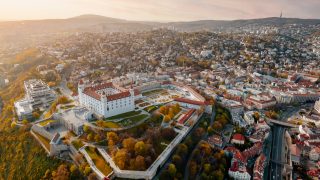
Archaeological Museum, Bratislava
Museum in Bratislava
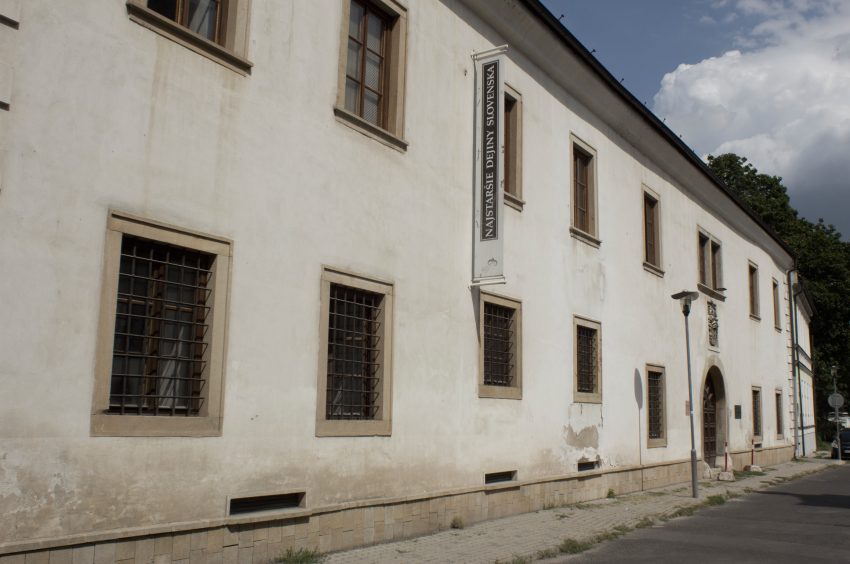
The Archaeological Museum in Bratislava (part of the Slovak National Museum) is a compact, rewarding stop for anyone curious about how life in today's Slovakia looked long before the modern city took shape. It's an easy add-on to a day of sightseeing, especially if you want a quieter, more reflective break from the Old Town's busiest streets.
Because it sits close to the historic core and the Danube-side sights, it fits naturally into a self-guided stroll or a guided walking tour that links Bratislava Castle, St. Martin's Cathedral, and the riverside promenade. If you're choosing just a few indoor attractions, this museum is one of the best places to see authentic artifacts that give real context to what you're looking at outdoors.
Table of Contents
- History and Significance of the Archaeological Museum
- Things to See and Do in the Archaeological Museum
- How to Get to the Archaeological Museum
- Practical Tips on Visiting the Archaeological Museum
- Where to Stay Close to the Archaeological Museum
- Is the Archaeological Museum Worth Visiting?
- For Different Travelers
- FAQs for Visiting Archaeological Museum
History and Significance of the Archaeological Museum
The Archaeological Museum serves as a gateway to Slovakia's deep timeline, presenting material culture from prehistory through the medieval period. Instead of focusing on a single era, it helps you understand how settlement, trade, craftsmanship, and belief systems evolved across the region.
As part of the Slovak National Museum network, it plays an important role in preserving and interpreting finds from across the country, not only from Bratislava itself. That broader scope is what makes the visit valuable: you're not just seeing “local curiosities,” but a curated overview that connects the capital to the wider story of Central Europe.
For travelers, the museum's significance is practical as well as historical. A short visit here can make later stops feel richer, whether you're heading up to Bratislava Castle, scanning the skyline from the castle terraces, or exploring the Old Town lanes where layers of history overlap.
Things to See and Do in the Archaeological Museum
Start by moving through the permanent displays with an eye for everyday life: tools, household objects, and items tied to work and trade often tell the clearest stories. Even if you’re not an archaeology specialist, these pieces make it easy to imagine how people cooked, built, traveled, and marked important moments.
Look for sections that highlight changing materials and techniques over time, from early stone and metalwork to more complex craft traditions. If you enjoy details, slow down at the labels that explain where objects were found and what that location suggests about settlement patterns and regional connections.
To make the visit feel less like “just another museum,” pair it with an outdoor route right after: walk toward the castle area for viewpoints, or head back into the Old Town for cafés and people-watching. The contrast between artifacts indoors and the living city outside is part of the fun.
How to Get to the Archaeological Museum
The nearest major airport is Vienna International Airport (VIE), with Bratislava Airport (BTS) serving some routes as well. For the best deals and a seamless booking experience, check out these flights to Bratislava on Booking.com.
Bratislava is easy to reach by train, with frequent connections from Vienna, Budapest, and other Central European cities to Bratislava’s main stations. Train schedules and bookings can be found on Omio.
If you’re traveling by car, Bratislava is well-connected by motorways, but parking in and around the center can be limited and regulated, so it’s often easiest to park farther out and continue by public transport or on foot.
Practical Tips on Visiting the Archaeological Museum
- Official website: https://www.snm.sk/en/museums/archaeological-museum/archaeological-museum
- Entrance fee: Adults: €6; Reduced: €3; Small family (1 parent + max. 2 children): €8; Large family (2 parents + max. 4 children): €14.
- Opening hours: Tuesday – Sunday: 10:00–17:00. Closed on Monday.
- Best time to visit: Aim for late morning on a weekday for a calmer experience, or go mid-afternoon if you're building a castle-and-Old-Town walking route and want an indoor break.
- How long to spend: Plan 60-90 minutes for a comfortable visit; archaeology fans can easily stretch it to two hours by reading more labels.
- Accessibility: Step-free access may require staff assistance, so it’s smart to ask at the ticket desk on arrival if you need barrier-free entry to the exhibitions.
- Facilities: Expect standard museum basics like a ticket desk and restrooms; for a longer break, plan your main meal at a nearby Old Town café rather than relying on on-site dining.
Where to Stay Close to the Archaeological Museum
Base yourself in Bratislava Old Town (Staré Mesto) for the easiest walks to the museum, the castle area, and the city's best evening atmosphere.
Marrol’s Boutique Hotel A polished boutique option that’s close enough for easy sightseeing while still feeling tucked away, making it great for travelers who want comfort and quiet after busy days.
LOFT Hotel Bratislava A reliable, modern choice with a strong value-for-comfort balance, especially convenient if you like being near parks and walkable routes into the center.
Radisson Blu Carlton Hotel, Bratislava A classic landmark stay right in the heart of the action, ideal if you want to step outside into the Old Town’s main squares and riverside strolls.
Park Inn by Radisson Danube Bratislava A practical pick near the Danube and close to the castle approach, useful for travelers who prioritize location and straightforward amenities.
Ibis Bratislava Centrum A budget-friendly, no-fuss base with a convenient position for walking between the castle area and the Old Town, perfect for travelers who plan to be out exploring most of the day.
Is the Archaeological Museum Worth Visiting?
Yes, especially if you like understanding the “why” behind what you’re seeing around Bratislava. It’s a manageable-size museum that adds real context to a city visit, and it pairs well with a castle-and-Old-Town day when you want a focused indoor stop that isn’t overly time-consuming.
Honest Pivot: if you’re not interested in artifacts, labels, and historical timelines, you may prefer to skip it and spend your limited time on viewpoints, river walks, or Bratislava Castle’s outdoor terraces. It’s also not the best choice if you’re looking for highly interactive exhibits as your main priority.
What Other Travellers Say...





For Different Travelers
The Archaeological Museum can work for many travel styles because it's compact, central, and easy to combine with other highlights. The key is matching the visit to your pace and what you enjoy most about city breaks.
Families with Kids
For families, the museum works best as a shorter, “treasure-hunt” style visit where kids look for specific objects, materials, or shapes rather than trying to absorb every label. Pair it with an outdoor reward afterward, like a walk toward the castle viewpoints.
If your kids enjoy stories, focus on how objects were used in daily life and how people lived without modern tools. Keeping the visit to about an hour often prevents museum fatigue.
Couples & Romantic Getaways
Couples can use the museum as a calm, culture-forward pause between more scenic stops. It’s a nice way to add depth to a day that also includes riverside strolling and Old Town cafés.
Afterward, plan a slow walk toward the castle area or back into the historic lanes for a drink. The museum’s quieter atmosphere can be a refreshing contrast to the city’s busier squares.
Budget Travelers
Budget travelers will appreciate that the museum is a contained attraction that doesn’t require a full day, so you can combine it with free activities like viewpoints, walking routes, and riverside promenades. It’s also a good rainy-day option when you want something meaningful without spending on a big-ticket experience.
To keep costs down, build a DIY itinerary: museum first, then a self-guided walk through the Old Town, and finish with sunset views from higher ground near the castle.
History Buffs
If you’re a history buff, this is one of the most direct ways to connect Bratislava to the wider archaeological story of Slovakia. The value is in the details: provenance, dating, and how objects reflect shifting trade and cultural influences.
Consider visiting earlier in your trip so you can recognize themes later at other sites. It can also help you ask better questions on guided tours, because you’ll have a clearer sense of the region’s long timeline.
FAQs for Visiting Archaeological Museum
Getting There
Tickets & Entry
Visiting Experience
Tours, Context & Itineraries
Photography
Accessibility & Facilities
Food & Breaks Nearby
Safety & Timing
The Archaeological Museum appears in our Complete Guide to Visiting Bratislava!

Moira & Andy
Hey! We're Moira & Andy. From hiking the Camino to trips around Europe in Bert our campervan — we've been traveling together since retirement in 2020!
This website uses affiliate links which may earn a commission at no additional cost to you!
Planning Your Visit
Tuesday - Sunday: 10:00-17:00.
Closed on Monday.
Adults: €6; Reduced: €3; Small family (1 parent + max. 2 children): €8; Large family (2 parents + max. 4 children): €14.
Nearby Attractions
- Bratislava Castle (0.2) km
Castle, Historic Site and Museum - Museum of History (0.4) km
Castle and Museum - St. Martin's Cathedral (0.5) km
Cathedral, Church and Religious Building - New Bridge and UFO Observation Deck (0.5) km
Attraction, Bridge and Viewing Point - Palace of Erdody (0.7) km
Attraction, Historic Building and Palace - Academia Istropolitana (0.7) km
Attraction, Historic Building and Historic Site - Johann Pálffy Palace (0.7) km
Historic Building, Museum and Palace - Palace of Zichy (0.7) km
Arts Venue, Historic Building and Palace - Leopold de Pauli’s Palace (0.7) km
Historic Building, Library and Palace - Napoleon's Army Soldier Statue (0.8) km
Attraction, Sculpture and Statue