Åboulevarden, Aarhus
Area in Aarhus
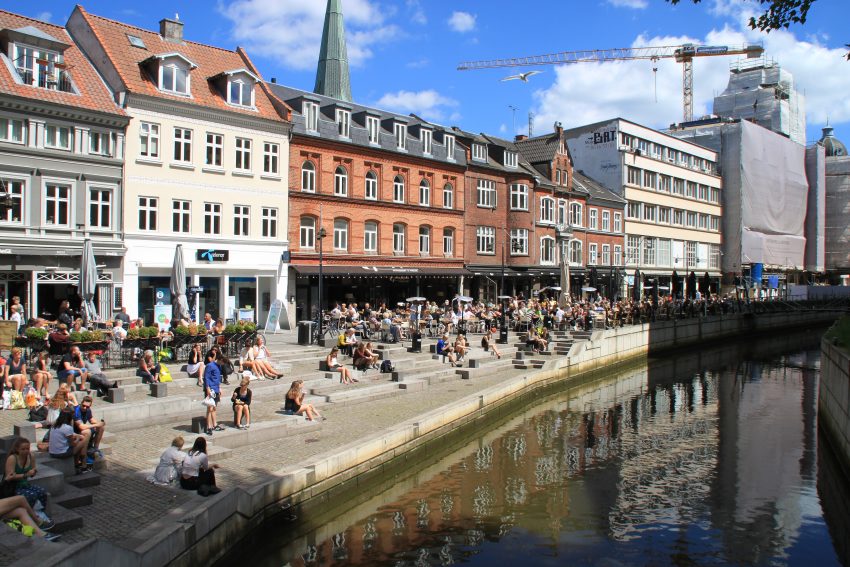
Åboulevarden is the long, lively riverfront boulevard (often called River Boulevard in English) that follows the Aarhus River through the heart of the city. It runs from the west near Vester Allé toward the harbour end at Europaplads, and it is one of those places that naturally becomes part of your day in Aarhus-whether you are cutting through town on foot or lingering by the water.
What makes Åboulevarden feel special is the mix of everyday urban life and “holiday energy” in a very compact stretch: terraces, bridges, steps down to the river, and a steady flow of locals meeting for coffee or an evening drink. If you want an easy, atmospheric introduction to central Aarhus, this is one of the simplest places to start.
Table of Contents
- History and Significance of the Åboulevarden
- Things to See and Do in the Åboulevarden
- How to Get to the Åboulevarden
- Practical Tips on Visiting the Åboulevarden
- Where to Stay Close to the Åboulevarden
- Is the Åboulevarden Worth Visiting?
- For Different Travelers
- FAQs for Visiting Åboulevarden
- Nearby Attractions to the Åboulevarden
History and Significance of the Åboulevarden
Åboulevarden’s roots reach back to the late medieval city, when development along the river edge gradually reshaped the southern side of the old defences. Over the centuries, what began as a river-adjacent edge of town evolved into a proper street, and by the late 19th and early 20th century the modern boulevard took shape in stages-an urban project that reflected Aarhus’s growth and its changing relationship with the waterfront.
In the 20th century, cars and traffic engineering temporarily won out: parts of the river through the centre were covered to create a wider roadway and parking. The later decision to uncover the river again-work that began in the mid-2000s and finished at the harbour end in the 2010s-became a defining “urban reset” for Aarhus, turning a utilitarian corridor back into a public space designed for people. Today's Åboulevarden is as much about city identity and quality of life as it is about getting from A to B.
Things to See and Do in the Åboulevarden
Walk it slowly rather than treating it like a shortcut. The best experience is to follow the river, cross a couple of bridges, and notice how the character shifts from calmer daytime coffee culture to an evening scene that feels like an outdoor living room for the city. Even a 15-minute wander can give you a strong sense of Aarhus’s pace and personality.
Look out for the stepped seating and river-edge hangout spots where people gather when the weather is good. This is also a convenient place to stitch together a mini-route: start around the cathedral and the Latin Quarter, drift down to the river for a drink, and continue toward the modern harbourfront if you want a contrast of old streets and contemporary architecture.
If you are interested in photographing “Aarhus as it feels,” Åboulevarden is a reliable option: reflections on the water, the curve of bridges, and busy terraces create simple, telling frames. It is also one of the easiest places in the centre to people-watch without feeling like you are in anyone's way.
How to Get to the Åboulevarden
Åboulevarden is in central Aarhus, and most visitors reach it on foot as part of exploring the city centre. The closest airport is Aarhus Airport (AAR), with onward bus connections into the city. For the best deals and a seamless booking experience, check out these flights to Aarhus on Booking.com.
From Aarhus Central Station (Aarhus H), you can walk to the river in roughly 10-15 minutes depending on where you join the boulevard, and it is an easy, flat route through the centre. Train schedules and bookings can be found on Omio.. City buses also stop throughout the inner city, so it is straightforward to hop off near the cathedral, the main shopping streets, or the harbour end and join the river from there.
If you are driving, aim for a central car park (for example near Dokk1 or the harbourfront) and treat Åboulevarden as a walking route rather than a “drive-to” attraction. .
Practical Tips on Visiting the Åboulevarden
- Entrance fee: Free
- Opening hours: 24 Hours
- Official website: https://www.visitaarhus.com/aarhus-region/plan-your-trip/aboulevarden-gdk731127
- Best time to visit: Late morning for a calmer stroll and café atmosphere, or early evening for the liveliest riverside energy without the very late-night crowds.
- How long to spend: 30-60 minutes for a relaxed walk with a stop, or 1-2 hours if you add a meal, drinks, and a short loop into the Latin Quarter.
- Accessibility: Generally easy and flat along the main promenade, though some river-edge steps and terrace areas are not step-free.
- Facilities: Plenty of cafés, bars, and nearby public amenities in the city centre; for restrooms, use nearby venues, malls, or cultural buildings rather than expecting dedicated facilities on the riverfront.
Where to Stay Close to the Åboulevarden
For a culture-heavy itinerary where you want to walk to most major sights, base yourself in Aarhus C around the river, cathedral area, and the Latin Quarter; if your trip focuses more on transport convenience and quick onward connections, staying near Aarhus H and the harbourfront is usually the most practical.
If you want a classic, very central stay steps from the old core and an easy walk to the river, consider Hotel Royal. For a polished full-service option with a strong central location that also suits business or short stays, Radisson Blu Scandinavia Hotel, Aarhus is a dependable base. If you prefer modern design and quick access to the station and harbour end while still being walkable to Åboulevarden, Comwell Aarhus Dolce by Wyndham fits well.
Is the Åboulevarden Worth Visiting?
Yes-especially if you want to understand Aarhus quickly. It is not a “single monument” attraction, but it delivers atmosphere, easy orientation, and a simple way to connect old-town streets with the harbourfront in one pleasant walk.
Honest pivot: if you dislike busy nightlife strips or find terrace crowds stressful, skip peak Friday-Saturday evenings and visit earlier in the day instead. If the weather is poor and you are short on time, you will likely get more value from an indoor highlight (a museum or landmark) and treat Åboulevarden as a quick transit route between stops.
For Different Travelers
Families with Kids
Åboulevarden works well as an easy, low-effort walk where kids can watch the water, bridges, and city life without needing a long attention span. Daytime is typically best for families because it is calmer and you can pause frequently without feeling like you are blocking busy terrace areas.
If you are travelling with a stroller, stick to the main paths and avoid the stepped river-edge seating zones unless you are happy to park and take turns. Build in a simple “treat stop” (ice cream or a snack) to turn the stroll into a small outing rather than a point-to-point walk.
Couples & Romantic Getaways
For couples, Åboulevarden is a strong “low planning, high reward” stop-especially in the early evening when the city starts to glow and the water reflects the lights. A short walk followed by a relaxed drink by the river is one of the easiest ways to create a memorable Aarhus moment.
If you want it to feel more intimate, aim for weekdays or earlier hours, then drift into the side streets of the Latin Quarter to escape the busiest terrace strip. The combination of riverfront energy and small, historic streets nearby makes it easy to shape the mood you want.
Budget Travelers
Åboulevarden is ideal on a budget because the best part is simply being there: the walk, the vibe, and the city views cost nothing. It is also a good place to reset between paid attractions-use it as your “free scenic connector” when moving from the cathedral area toward the harbour.
If you want to keep spending under control, treat riverside terraces as a single planned stop rather than grazing at multiple places. Even one coffee or one drink buys you a front-row seat to the atmosphere without turning the stroll into a pricey evening.
FAQs for Visiting Åboulevarden
Getting There
Visiting Experience
Photography
Accessibility & Facilities
Food & Breaks Nearby
Safety & Timing
Nearby Attractions to the Åboulevarden
- Aarhus Cathedral: The city's main cathedral and a natural anchor point for exploring the historic centre nearby.
- Latin Quarter: A small, characterful neighbourhood of older streets, boutiques, and cafés that pairs perfectly with a river walk.
- Dokk1: Aarhus's modern waterfront library and cultural hub, close to the harbour end of the river route.
- Viking Museum: A compact underground museum experience near the cathedral area that adds historical context to a city-centre walk.
- ARoS Aarhus Art Museum: A major art museum with landmark architecture, an easy add-on if you want an indoor highlight after the riverfront.
The Åboulevarden appears in our Complete Guide to Visiting Aarhus!

Moira & Andy
Hey! We're Moira & Andy. From hiking the Camino to trips around Europe in Bert our campervan — we've been traveling together since retirement in 2020!
This website uses affiliate links which may earn a commission at no additional cost to you!
Planning Your Visit
24 Hours
Free
Nearby Attractions
- Viking Museum (0.1) km
Museum - Aarhus Cathedral (0.2) km
Attraction, Cathedral and Historic Site - Our Lady Church (0.2) km
Church, Historic Building and Religious Building - Latinerkvarteret (0.2) km
Area - Hotel Royal (0.2) km
Historic Building and Hotel - Bispetorvet (0.2) km
- Aarhus Theatre (0.2) km
Arts Venue, Historic Building and Theatre - Salling ROOFTOP (0.3) km
Attraction, Gardens and Viewing Point - KØN - Gender Museum Denmark (0.3) km
Museum - The Occupation Museum (0.3) km
Museum
