Aarhus Cathedral
Attraction, Cathedral and Historic Site in Aarhus
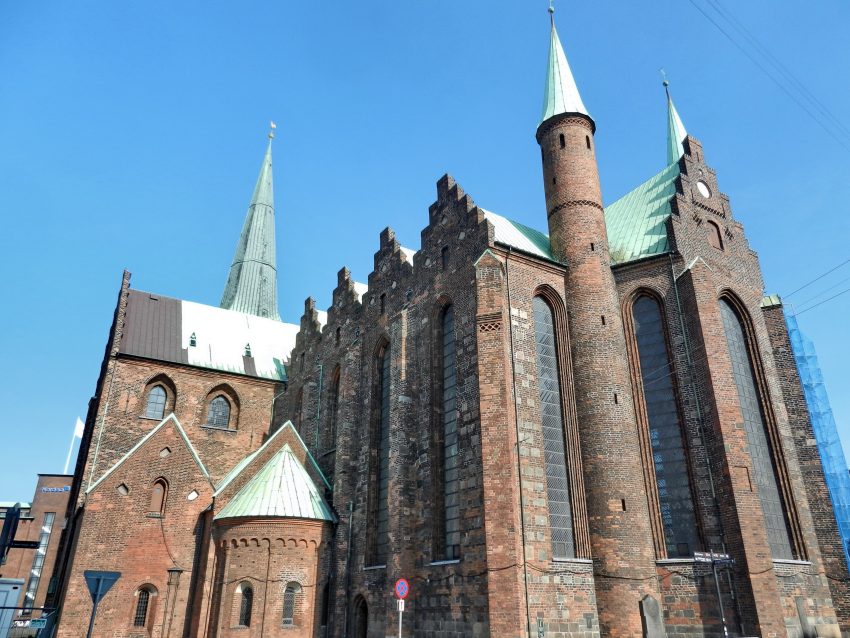
Aarhus Cathedral (Aarhus Domkirke) sits on Store Torv in central Aarhus, where the city's everyday pace meets a building that quietly carries centuries of Danish history. Dedicated to Saint Clement-the patron saint of sailors-the cathedral feels fittingly maritime in spirit, from its setting near the old port streets to the way it has anchored community life through change and renewal.
What makes the visit special is how quickly the scale and atmosphere take over once you step inside. This is Denmark’s longest church, and the interior rewards unhurried looking: light pooling in the chancel, richly worked details at eye level, and long sightlines that make even a short stop feel like a proper “cathedral moment,” not just another quick city-centre church. (Aarhus Domkirke)
Table of Contents
- History and Significance of the Aarhus Cathedral
- Things to See and Do in the Aarhus Cathedral
- How to Get to the Aarhus Cathedral
- Practical Tips on Visiting the Aarhus Cathedral
- Where to Stay Close to the Aarhus Cathedral
- Is the Aarhus Cathedral Worth Visiting?
- For Different Travelers
- FAQs for Visiting Aarhus Cathedral
- Nearby Attractions to the Aarhus Cathedral
History and Significance of the Aarhus Cathedral
Aarhus Cathedral began in the late 12th century and grew into a major brick-built Romanesque basilica, a bold choice of material for the period in Denmark. Over time, only parts of those earlier Romanesque elements remained visible, as later generations reshaped the building to suit changing taste, wealth, and liturgical needs. (Aarhus Domkirke)
The cathedral you experience today is largely the result of a sweeping Gothic transformation from the mid-15th century into about 1500. Height, vaulting, and a reimagined chancel turned a heavier, darker church into a more vertical, light-filled cathedral-exactly the kind of architectural “upgrade” that signals a city’s ambitions as much as its faith. (Aarhus Domkirke)
Its significance is not only architectural. The cathedral is famed for having Denmark’s largest total area of fresco-covered walls and arches, including an enormous mural depicting Saint Christopher and Saint Clement-an immediate reminder that this was a coastal, trading, seafaring world where protection and patronage mattered. (Aarhus Domkirke)
Things to See and Do in the Aarhus Cathedral
Start by simply walking the full length of the nave and letting the building “read” like a story: the shift from the darker, weightier feel of medieval brick toward the brighter chancel area, where the pointed windows amplify the sense of height and openness. It is a visit that works even if you arrive with no plan-just follow the light.
Then focus on the frescoes. Instead of trying to see everything, pick a few key scenes and spend real time with them: you will notice how the imagery ranges from the immediately dramatic to the quietly instructive, reflecting how churches once communicated with congregations long before widespread literacy. (Aarhus Domkirke)
Do not miss the cathedral’s standout stained glass in the east window of the chancel: installed in 1926 and created by Emanuel Vigeland, it is 14 metres tall-the largest stained-glass window in any Danish church-and it offers a strikingly modern visual counterpoint to the medieval setting around it. (Aarhus Domkirke)
If you want a memorable “extra,” ask about tower access. The fee is small, and the payoff is a rooftop-level perspective that helps you understand Aarhus’s layout-old core, harbour direction, and the easy walkability that makes the city such a pleasure for short breaks. (Aarhus Domkirke)
How to Get to the Aarhus Cathedral
Aarhus Cathedral is in the city centre at Store Torv, so most visitors will arrive on foot as part of a downtown wander (it pairs naturally with the Latin Quarter and the harbourfront).
For flights, the most convenient gateway is Aarhus Airport (AAR), with onward transfers into the city centre by bus or taxi depending on your schedule and luggage. (Aarhus Domkirke) For the best deals and a seamless booking experience, check out these flights to Aarhus on Booking.com.
If you are arriving by rail, start from Aarhus Central Station and either walk into the centre or take a short local connection-once you are downtown, Store Torv is straightforward to reach on foot. Train schedules and bookings can be found on Omio.
If you are travelling by car, aim for a central car park on the edge of the pedestrian-heavy core and finish the last stretch on foot for the easiest arrival.
Practical Tips on Visiting the Aarhus Cathedral
- Entrance fee: Free to enter the cathedral; tower access is 20 DKK for adults and 5 DKK for children.
- Opening hours: Opening hours: (Summer) 01 May – 30 September: Monday: 09:30–16:00; Tuesday: 10:30–16:00; Wednesday – Saturday: 09:30–16:00. (Winter) 01 October – 30 April: Monday: 10:00–15:00; Tuesday: 10:30–15:00; Wednesday – Saturday: 10:00–15:00. Closed to visitors on Sunday and public holidays (open for worship only).
- Official website: https://aarhusdomkirke.dk/
- Best time to visit: Go on a weekday late morning for a calm interior and better light, and avoid turning up right before services if you want time to explore at your own pace.
- How long to spend: Plan 30-60 minutes for the interior, or 60-90 minutes if you want to slow down for frescoes, the chancel, and a tower climb.
- Accessibility: Expect typical cathedral thresholds and uneven surfaces in places; if step-free access is important, check the current access arrangements on the official site before you go.
- Facilities: This is a working cathedral rather than a museum complex, so facilities are limited-treat it as a focused visit and plan cafés and restrooms in the surrounding centre.
Where to Stay Close to the Aarhus Cathedral
If your priority is walking everywhere and stacking culture sights into a compact itinerary, base yourself in the very centre around Store Torv and the Latin Quarter; if your trip is built around onward connections and day trips, staying near Aarhus Central Station usually makes logistics easier.
For a classic, hyper-central stay where the cathedral is essentially next door, choose Hotel Royal. If you want a stylish, design-forward option still within easy walking distance of the old core, Hotel Oasia is a strong pick. For modern comfort with a business-class feel close to the station (handy for early departures), consider Comwell Aarhus Dolce by Wyndham.
Is the Aarhus Cathedral Worth Visiting?
Yes-decisively. Even if you have seen a lot of European churches, Aarhus Cathedral stands out for the sheer quality of what is inside: an unusually rich fresco programme, a luminous chancel, and details that reward attention without demanding specialist knowledge.
The honest pivot: if you are short on time and not interested in religious art or historic interiors, you can skip going inside and instead invest that time in Aarhus's headline museums (like ARoS or Den Gamle By). But if you have even mild curiosity about how Danish history, maritime identity, and sacred art intersect, this is one of the city-centre stops that genuinely earns its place.
What Other Travellers Say...

Aarhus Cathedral (Store Torv, central Aarhus) is a major Gothic church with medieval origins, dedicated to St Clement, and known for its fresco-covered arches and long, light-filled nave. Visitors consistently note that entry to the cathedral itself is free, that the interior rewards a slow look (frescoes, tombs, art), and that hearing the organ is a particular highlight; there may be a separate fee for tower access, which can also be closed at times. It is very well regarded (4.5 from about 1,751 ratings) and is widely treated as a “must” stop for history and atmosphere when visiting the city centre.


For Different Travelers
Families with Kids
If you are visiting with children, treat the cathedral like a “spot-the-detail” challenge rather than a quiet lecture: look for big, obvious features first (the long nave, the bright chancel, the scale of the artworks) and keep the visit short and positive. A fast loop plus one “wow” element-often the stained glass or a dramatic fresco-works better than trying to cover everything.
Plan your timing around energy levels. A weekday visit earlier in the day often feels calmer, and you can follow it immediately with a snack stop in the surrounding centre so the cathedral becomes part of a broader, child-friendly walking route rather than a standalone endurance test.
Couples & Romantic Getaways
For couples, the cathedral is an excellent “reset” stop in the middle of a city day: cool air, soft light, and a slower tempo that contrasts nicely with cafés and shopping streets outside. Spend time in the chancel where the light is strongest, then step back into Store Torv for a simple, atmospheric transition from sacred space to city life.
If you like viewpoint moments, consider adding the tower (when available) as a shared mini-adventure. It turns the visit into more than an interior stop and gives you a new perspective on Aarhus’s rooftops and the shape of the old centre.
Budget Travelers
This is a high-value stop because the main experience is free. Use it as one of your “anchor sights” in central Aarhus, then build the rest of the day around low-cost wandering: the Latin Quarter lanes, the waterfront, and parks within easy walking distance.
If you do pay for something here, make it a purposeful upgrade-typically the tower. Otherwise, keep it simple: a focused interior visit, then spend your budget on one paid museum that aligns with your interests.
History Buffs
For history-focused travellers, Aarhus Cathedral rewards a layered approach: start with the building phases (Romanesque roots and later Gothic transformation), then move to the artwork as evidence of belief, power, and patronage over time. The shift from medieval fresco culture to a major 20th-century stained-glass installation is especially telling.
Slow down at the frescoes and treat them like historical documents. You are not just seeing decoration-you are seeing how a city presented saints, morality, and identity across centuries, in a church dedicated from the beginning to a sailors’ patron in a trading town. (Aarhus Domkirke)
FAQs for Visiting Aarhus Cathedral
Getting There
Tickets & Entry
Visiting Experience
Photography
Accessibility & Facilities
Nearby Attractions to the Aarhus Cathedral
- Den Gamle By (The Old Town) - An open-air museum that makes Danish urban life across centuries feel vivid and walk-through real.
- ARoS Aarhus Art Museum - A landmark modern museum known for big-name exhibitions and one of Scandinavia's most iconic rooftop viewpoints.
- The Latin Quarter - Aarhus’s most charming central neighbourhood for small boutiques, cafés, and photogenic streets.
- Dokk1 - A modern waterfront cultural centre and library with harbour views and a lively, local feel.
- Aarhus Theatre - A handsome historic theatre building that adds elegance to an evening stroll through the centre.
The Aarhus Cathedral appears in our Complete Guide to Visiting Aarhus!

Moira & Andy
Hey! We're Moira & Andy. From hiking the Camino to trips around Europe in Bert our campervan — we've been traveling together since retirement in 2020!
This website uses affiliate links which may earn a commission at no additional cost to you!
Planning Your Visit
Opening hours: (Summer) 01 May - 30 September: Monday: 09:30-16:00; Tuesday: 10:30-16:00; Wednesday - Saturday: 09:30-16:00. (Winter) 01 October - 30 April: Monday: 10:00-15:00; Tuesday: 10:30-15:00; Wednesday - Saturday: 10:00-15:00. Closed to visitors on Sunday and public holidays (open for worship only).
Free to enter the cathedral; tower access is 20 DKK for adults and 5 DKK for children.
Nearby Attractions
- Viking Museum (0.1) km
Museum - Hotel Royal (0.1) km
Historic Building and Hotel - Bispetorvet (0.1) km
- KØN - Gender Museum Denmark (0.1) km
Museum - Aarhus Theatre (0.1) km
Arts Venue, Historic Building and Theatre - The Occupation Museum (0.1) km
Museum - Latinerkvarteret (0.1) km
Area - Åboulevarden (0.2) km
Area - Our Lady Church (0.3) km
Church, Historic Building and Religious Building - Aarhus Custom House (0.3) km
Harbour and Historic Building
