St. Vincent and the Grenadines: The Ultimate Travel Guide 2026
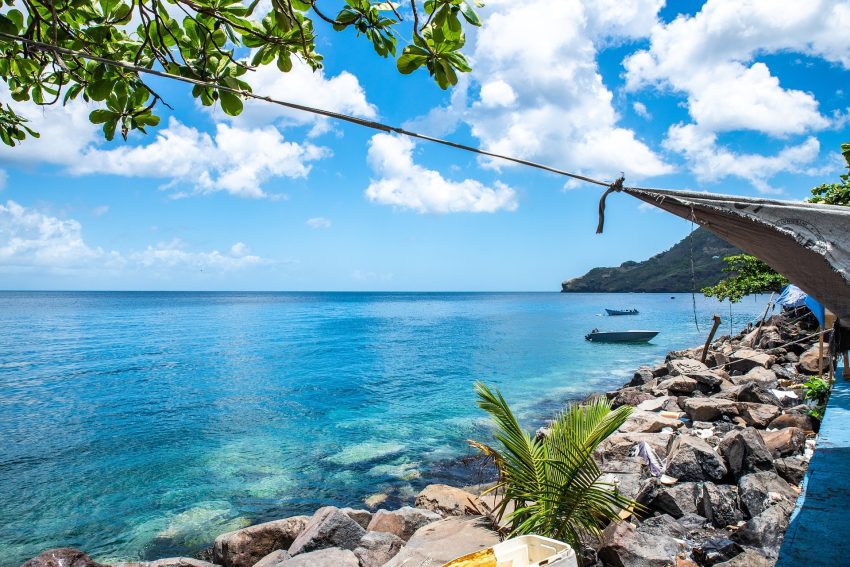
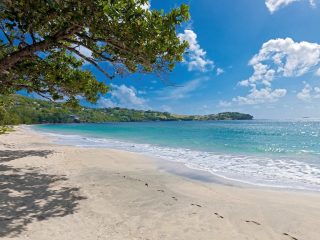
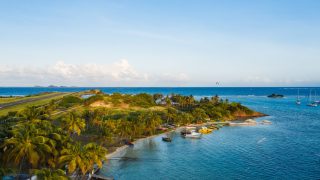
St. Vincent and the Grenadines is a small island nation in the eastern Caribbean, known for its lush landscapes, clear waters, and relaxed pace of life. It’s made up of the main island of St. Vincent and a chain of smaller islands and cays stretching south toward Grenada, creating a mix of lively local communities and quiet, postcard-like escapes. The country’s setting in the Lesser Antilles gives it warm temperatures year-round and a strong connection to the sea.
St. Vincent is the more mountainous and green of the islands, with rainforest trails, waterfalls, and the striking presence of La Soufrière volcano. The capital, Kingstown, offers a glimpse of everyday island life through its markets, waterfront views, and nearby botanical gardens. Beyond the towns, the interior feels distinctly tropical, with scenic drives and viewpoints that open up to the coastline.
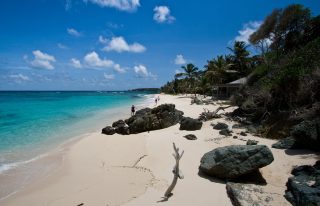
The Grenadines-such as Bequia, Mustique, Canouan, Mayreau, and the Tobago Cays-are especially popular for sailing, snorkeling, and beach-hopping. Each island has its own character, from laid-back harbors and boutique stays to secluded beaches and coral reefs. Together, St. Vincent and the Grenadines offers a blend of nature, water-based adventure, and easygoing Caribbean culture without feeling overly crowded or commercial.
Table of Contents
- History of St. Vincent and the Grenadines
- Before European colonization
- Early European contact and contested claims
- The Garifuna and resistance
- Franco-British struggle and plantation expansion
- The Carib Wars and British consolidation
- Slavery, emancipation, and labor transition
- Social change, migration, and political awakening
- Toward self-government and independence
- Since independence
- Best Time to Visit St. Vincent and the Grenadines
- Food and Drink from St. Vincent and the Grenadines
History of St. Vincent and the Grenadines
St. Vincent and the Grenadines’ history is shaped by Indigenous settlement, European rivalry, African enslavement, resistance and maroon communities, plantation-era colonial rule, and a long path to self-government and independence.
Before European colonization
Long before Europeans arrived, the islands were settled by Indigenous peoples who moved through the Lesser Antilles over centuries. Communities associated with the Arawak- and later Carib/Kalinago-speaking worlds developed fishing, farming, and inter-island trade networks. By the time Europeans began probing the region, St. Vincent in particular was known for strong Indigenous resistance to outside control.
Early European contact and contested claims (1500s–1600s)
Europeans sighted and named the islands during the age of exploration, but sustained settlement was slow. St. Vincent’s rugged terrain and determined local resistance made it difficult to colonize. Competing European powers—especially Britain and France—claimed influence at different times, while the islands’ strategic position in the Eastern Caribbean kept them in the orbit of imperial rivalry.
The Garifuna and resistance (1600s–1700s)
A distinctive community emerged on St. Vincent: the Garifuna (also known historically as “Black Caribs”), formed through the blending of Indigenous Carib/Kalinago peoples with Africans—some arriving through shipwrecks and others through escape from slavery elsewhere. The Garifuna became a major political and military force on the island, defending territory against European encroachment and shaping St. Vincent’s identity.
Franco-British struggle and plantation expansion (1700s)
As sugar became central to Caribbean imperial economies, European powers pushed harder to control St. Vincent and the Grenadines. French settlers and British interests competed for land and labor. Plantation agriculture expanded, and with it the forced importation of enslaved Africans. The Grenadine islands, smaller and more easily controlled, were drawn into plantation production as well, though patterns varied by island.
The Carib Wars and British consolidation (late 1700s)
Tensions over land seizures and colonial expansion culminated in major conflicts often referred to as the Carib Wars. After fierce resistance, Britain consolidated control. A pivotal and traumatic outcome was the forced removal of many Garifuna from St. Vincent at the end of the 18th century, with deportations that sent survivors to Central America, where Garifuna communities remain today. British rule and plantation society became more firmly entrenched afterward.
Slavery, emancipation, and labor transition (1800s)
Through the early 19th century, the economy relied heavily on enslaved labor, especially on sugar estates. Emancipation in the British Empire in the 1830s ended slavery but did not end plantation dominance. Formerly enslaved people sought land, autonomy, and better wages, while colonial authorities and estate owners attempted to maintain a stable labor force. Over time, small farming and village life expanded alongside plantation agriculture.
Social change, migration, and political awakening (late 1800s–mid 1900s)
Economic volatility—shifting commodity prices, natural disasters, and limited land—encouraged migration within the Caribbean and beyond. As education, labor organization, and political consciousness grew, Vincentians increasingly pressed for representation and reform. The 20th century saw the rise of trade unions and political parties, with demands for improved working conditions and greater local control.
Toward self-government and independence (1950s–1979)
Postwar decolonization accelerated constitutional change. St. Vincent and the Grenadines moved through stages of expanded suffrage and internal self-government, while Britain retained responsibility for external affairs and defense for a period. After negotiations and political debate about the pace and terms of sovereignty, the country achieved independence on 27 October 1979, becoming a parliamentary democracy within the Commonwealth.
Since independence (1979–present)
In the decades after independence, St. Vincent and the Grenadines has navigated development challenges typical of small island states: economic diversification beyond traditional agriculture, vulnerability to hurricanes and other natural hazards, and reliance on tourism, services, and remittances. Political life has remained competitive and parliamentary, and the country has been active in regional Caribbean institutions. The modern state continues to balance economic opportunity with resilience planning, while drawing on a cultural heritage shaped by Indigenous roots, African diaspora history, and centuries of Atlantic-world conflict and exchange.
Best Time to Visit St. Vincent and the Grenadines
Visiting St. Vincent and the Grenadines in Winter (Best)
Winter (December to February) is one of the most popular times to visit St. Vincent and the Grenadines thanks to warm, sunny days, lower humidity, and minimal rainfall. It’s ideal for beach time, sailing between the islands, snorkeling, and hiking with clearer views. Expect higher prices and more visitors, especially around Christmas and New Year, so booking flights and accommodation early is wise.
Visiting St. Vincent and the Grenadines in Spring
Spring (March to May) is a great shoulder season in St. Vincent and the Grenadines, with plenty of sunshine and slightly fewer crowds than winter. Conditions remain excellent for sailing, diving, and island-hopping, while prices can be a bit more manageable. Late spring starts to feel warmer and more humid, but it’s still a strong choice for travelers who want good weather without peak-season bustle.
Visiting St. Vincent and the Grenadines in Summer
Summer (June to August) is warmer and more humid in St. Vincent and the Grenadines, with a higher chance of rainfall, though showers are often brief. This season can offer better deals and a quieter feel on many islands, making it appealing for budget-minded travelers. Festival-wise, Vincy Mas (the St. Vincent and the Grenadines Carnival) is a major highlight, typically held in late June through early July, bringing parades, music, costumes, and a lively atmosphere.
Visiting St. Vincent and the Grenadines in Autumn
Autumn (September to November) is the wettest period and overlaps with the Atlantic hurricane season, so it’s the most weather-variable time to visit St. Vincent and the Grenadines. That said, it can be rewarding if you’re flexible, as you may find lower rates and fewer crowds. If you travel during this season, consider trip insurance, keep plans adaptable, and focus on experiences that work well around passing showers (spa time, local food spots, and short excursions between rain breaks).
Food and Drink from St. Vincent and the Grenadines
Food and drink in St. Vincent and the Grenadines reflect a lively blend of African, Indigenous, and European influences, shaped by a landscape of fertile volcanic soil and the surrounding Caribbean Sea. Meals often center on what’s freshest and most available—root crops, breadfruit, plantains, tropical fruits, and an abundance of fish. Home cooking leans toward hearty, comforting dishes, while seaside spots highlight simple preparations that let the flavor of the catch shine. Across the islands, seasoning is bold but balanced, with herbs, citrus, and peppers used to build depth rather than overwhelm.
A signature dish is roasted breadfruit paired with fried jackfish, a classic combination that’s both filling and distinctly Vincentian. “One-pot” cooking is also common, with soups and stews that bring together provisions like yam, dasheen (taro), sweet potato, and green banana, often enriched with coconut milk and simmered with salted meat or fish. Callaloo—made from leafy greens and sometimes okra or crab—appears in soups and side dishes, offering a silky texture and earthy flavor. You’ll also find rice dishes, macaroni pie, and plates built around stewed chicken or pork, typically served with a generous helping of vegetables or provisions.
Seafood plays a starring role, especially in the Grenadines, where the day’s catch might include tuna, mahi-mahi, snapper, lobster, and conch depending on season and local regulations. Fish is frequently grilled, fried, or cooked down in a savory sauce with onions, tomatoes, and peppers, and it’s often accompanied by breadfruit, rice, or ground provisions. Street and casual foods can include patties, bakes, and other quick bites, while weekend gatherings may feature larger spreads with multiple pots on the fire and plenty of shared sides. Fresh fruit—mangoes, guavas, soursop, pawpaw, and more—rounds out meals or becomes juice, jams, and desserts.
Drinks range from everyday refreshments to celebratory pours. Fresh juices and smoothies are popular, as are coconut water and locally flavored soft drinks, while rum anchors many social occasions in punches and cocktails. Hairoun beer is a well-known local lager, and you’ll also encounter homemade or small-batch spirits and liqueurs infused with local herbs, spices, or fruits. Whether it’s a cold drink after a beach day or a shared rum punch at a lime, the islands’ beverages mirror the cuisine: vibrant, tropical, and rooted in local ingredients and community.