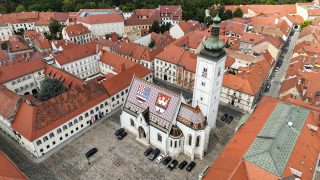
Zagreb, Croatia: The Ultimate Travel Guide 2026
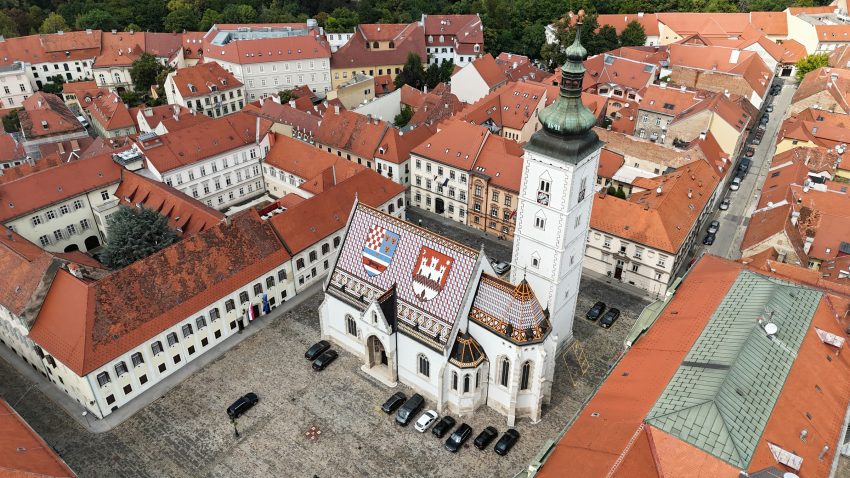
Zagreb is a lively, walkable capital in northwestern Croatia, set between the slopes of Medvednica Mountain and the lowlands of the Sava River. It's a city of café terraces, leafy parks, and neighborhoods that shift quickly from grand Austro-Hungarian boulevards to intimate lanes and stairways. A visit here feels both relaxed and urban: you can spend a morning browsing markets and galleries, then be on a forest trail or at a viewpoint by afternoon.
The heart of Zagreb is easy to explore on foot, with the historic Upper Town (Gornji Grad) and the elegant Lower Town (Donji Grad) connected by streets, staircases, and the iconic funicular. Food and drink are a big part of the experience-think long coffees, local pastries, and modern Croatian bistros-while museums and design shops add a contemporary edge. Even if you only have a couple of days, the city rewards slow wandering and spontaneous stops.
Zagreb also works well as a base for day trips, but it's worth giving the city its own time. Seasonal events, open-air concerts, and a strong local culture keep the calendar busy, and evenings often revolve around wine bars, craft beer spots, and live music. Whether you're here for a weekend break or as part of a longer Croatia itinerary, Zagreb offers an easy rhythm and plenty to do without feeling overwhelming.
Table of Contents
- History of Zagreb
- Early Zagreb: From Kaptol and Gradec
- Medieval and Renaissance Zagreb: Fortifications, Trade, and Growth
- Baroque Zagreb: Religious and Civic Transformation
- 19th-Century Zagreb: Modernization and the Rise of a Capital
- 20th-Century Zagreb: War, Yugoslav Era, and Urban Expansion
- Contemporary Zagreb: Independence to Today
- 17 Best places to See in Zagreb
- Zagreb Cathedral
- Saint Francis Assisi's Church
- Tkalčićeva Street
- Ban Jelačić Square
- Dolac Market
- Kamenita Vrata
- Ilica Street
- Archaeological Museum
- Saint Mark's Church and Square
- Zagreb Funicular
- Lotršcak Tower
- Museum of Broken Relationships
- Zagreb City Museum
- Croatian Museum of Naive Art
- Ethnographic Museum
- Park Maksimir
- Zagreb Zoo
- 3 Best Day Trips from Zagreb
- Where to Stay in Zagreb
- Best Time to Visit Zagreb
- How to get to Zagreb
History of Zagreb
Early Zagreb: From Kaptol and Gradec (11th–13th centuries)
Zagreb’s roots lie in two neighboring medieval settlements: Kaptol, centered on the bishopric, and Gradec, a fortified hilltop town. Kaptol developed around ecclesiastical authority and trade, while Gradec grew as a civic community with its own defenses and privileges. Over time, the proximity of these two centers created a dynamic—sometimes cooperative, sometimes rivalrous—that shaped the city’s early identity.
Medieval and Renaissance Zagreb: Fortifications, Trade, and Growth (14th–16th centuries)
As regional commerce expanded, Zagreb benefited from its position on important routes and from the protections granted to Gradec. Defensive walls, gates, and towers became defining features, and craft guilds and markets supported urban life. Periodic fires, plagues, and political tensions affected development, but the twin-settlement structure continued to attract residents and merchants.
Baroque Zagreb: Religious and Civic Transformation (17th–18th centuries)
The Baroque era brought architectural and cultural change, with churches, monasteries, and public buildings reshaping the skyline and streetscapes. Zagreb’s institutions strengthened, and the city became a more prominent administrative and cultural center. Urban life increasingly reflected Central European influences in art, education, and civic organization.
19th-Century Zagreb: Modernization and the Rise of a Capital (1800s)
In the 19th century, Zagreb modernized rapidly: new boulevards, parks, and public buildings expanded the city beyond its medieval core. Cultural institutions flourished, including theaters, museums, and learned societies, while infrastructure improvements supported population growth. This period also saw stronger national cultural movements, with Zagreb emerging as a key center for political and intellectual life.
20th-Century Zagreb: War, Yugoslav Era, and Urban Expansion (1900–1990)
The 20th century brought upheaval through two world wars and shifting state structures. In the socialist Yugoslav period, Zagreb expanded significantly with new residential districts, industry, and modernist architecture, alongside continued cultural development. The city’s role as an economic and educational hub grew, and its urban footprint spread well beyond the historic center.
Contemporary Zagreb: Independence to Today (1991–present)
Following Croatia’s independence, Zagreb continued evolving as a modern European capital with a growing service economy, revitalized public spaces, and an increasingly international cultural scene. Restoration projects, new museums, and changing neighborhoods have refreshed the city’s image while preserving its layered heritage. Today, Zagreb balances historic character with contemporary life, hosting major events and maintaining a strong local identity.

Moira & Andy
Hey! We're Moira & Andy. From hiking the Camino to trips around Europe in Bert our campervan — we've been traveling together since retirement in 2020!
Visiting Zagreb for the first time and wondering what are the top places to see in the city? In this complete guide, I share the best things to do in Zagreb on the first visit. To help you plan your trip, I have also included an interactive map and practical tips for visiting!
This website uses affiliate links which earn a small commission at no additional cost to you.
17 Best places to See in Zagreb
This complete guide to Zagreb not only tells you about the very best sights and tourist attractions for first-time visitors to the city but also provide insights into a few of our personal favorite things to do.
This is a practical guide to visiting the best places to see in Zagreb and is filled with tips and info that should answer all your questions!
1. Zagreb Cathedral
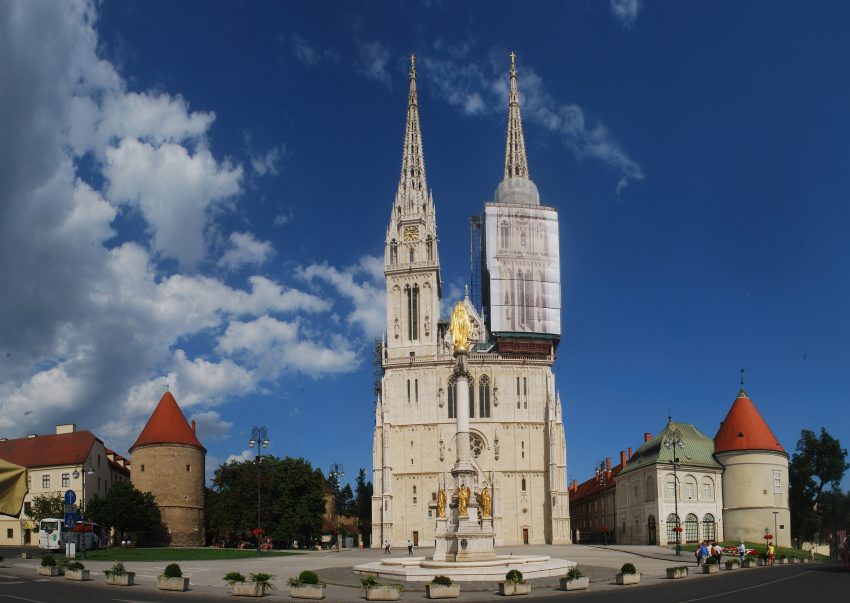
Location: Kaptol 31, 10000, Zagreb, Croatia | Hours: Daily: 08:00–19:00. | Price: Free; donations appreciated. | Website | Distance: 0.2km

2. Saint Francis Assisi's Church
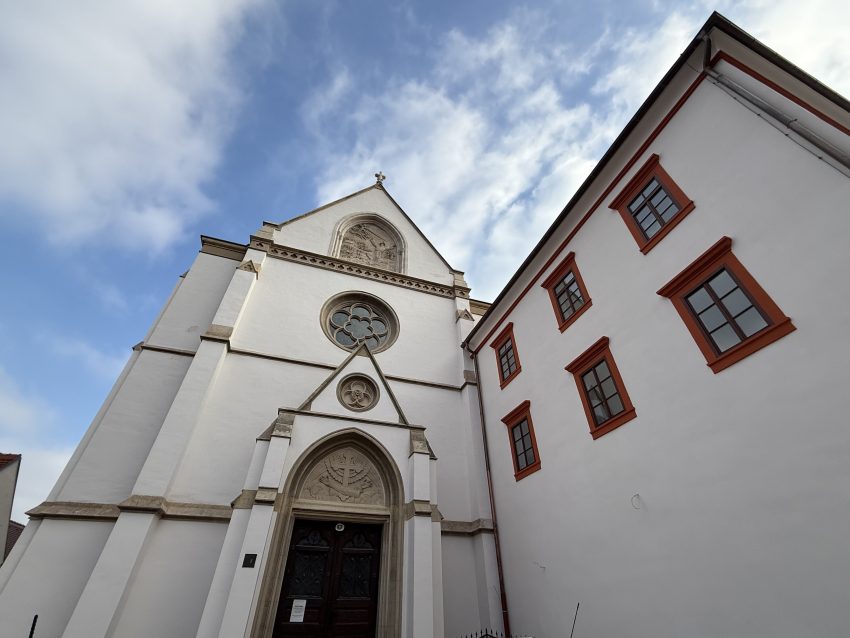
Location: Kaptol 9, 10000, Zagreb, Croatia | Hours: Check official website. | Price: Free; donations appreciated. | Distance: 0.3km
3. Tkalčićeva Street
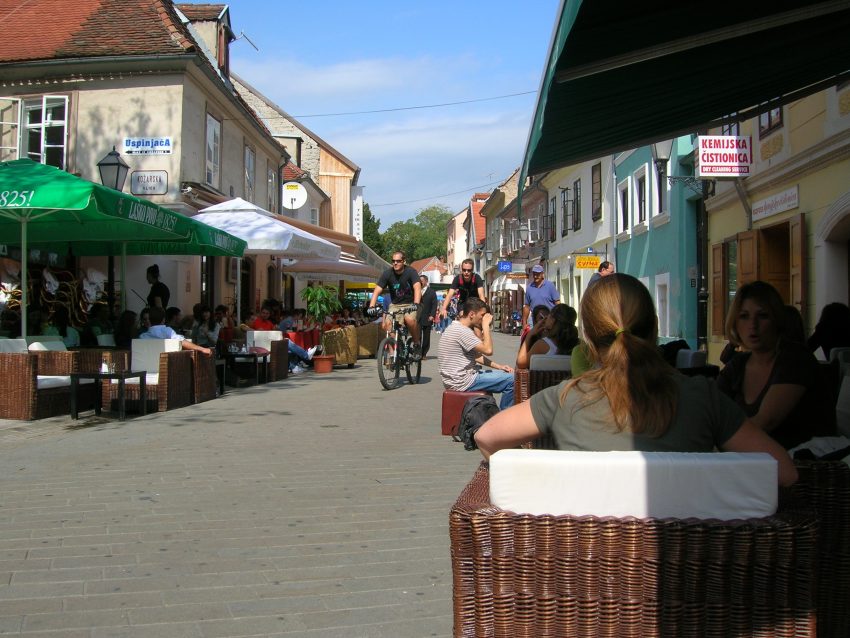
Location: Ul. Ivana Tkalčića, 10000, Zagreb, Croatia | Hours: 24 Hours. | Price: Free. | Distance: 0.4km
4. Ban Jelačić Square
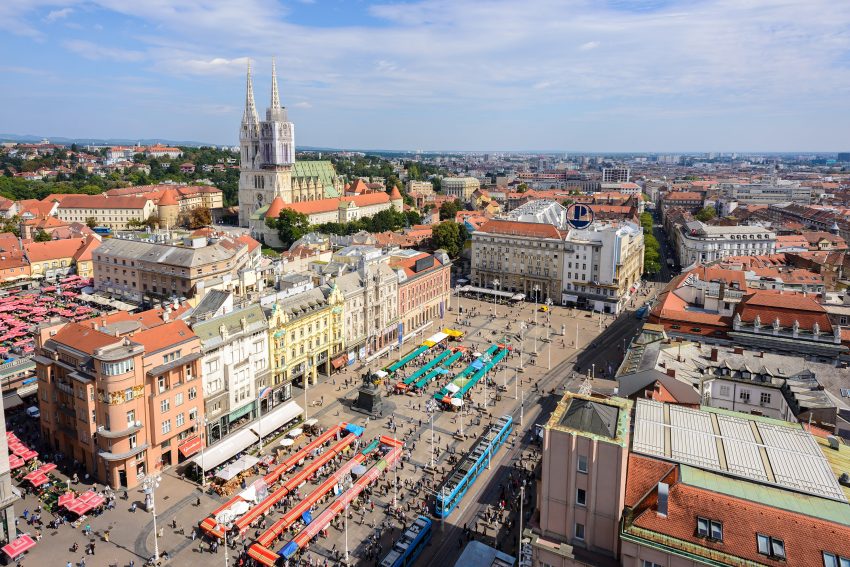
Location: Trg bana Josipa Jelačića, 10000, Zagreb, Croatia | Hours: 24 Hours. | Price: Free. | Distance: 0.4km
5. Dolac Market
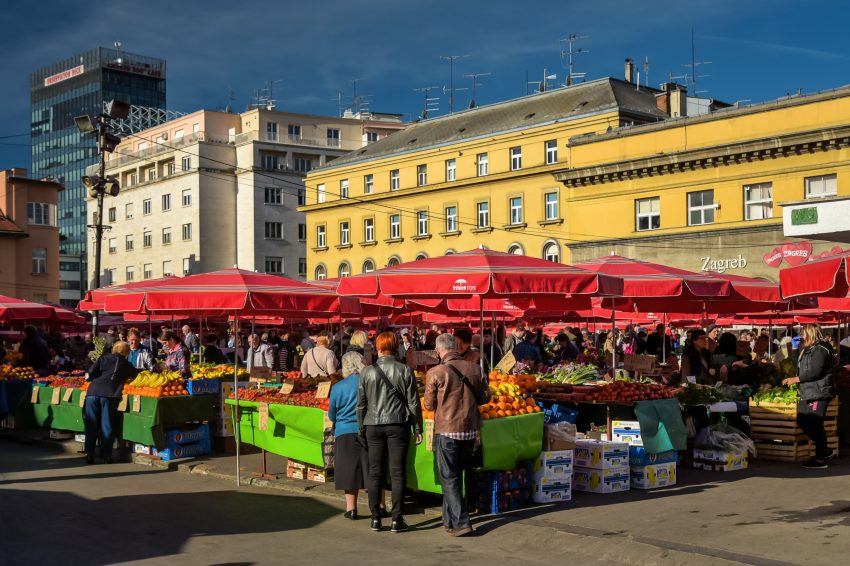
Location: Dolac, 10000, Zagreb, Croatia | Hours: Monday – Saturday: 07:00–15:00. Sunday: 07:00–13:00. | Price: Free. | Website | Distance: 0.4km
6. Kamenita Vrata
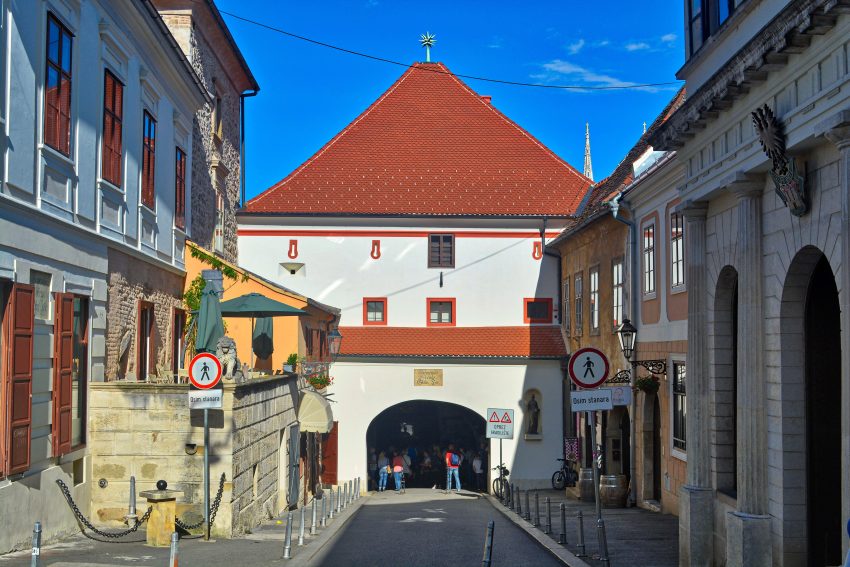
Location: Kamenita ul. 1, 10000, Zagreb, Croatia | Hours: 24 Hours. | Price: Free. | Website | Distance: 0.5km
7. Ilica Street
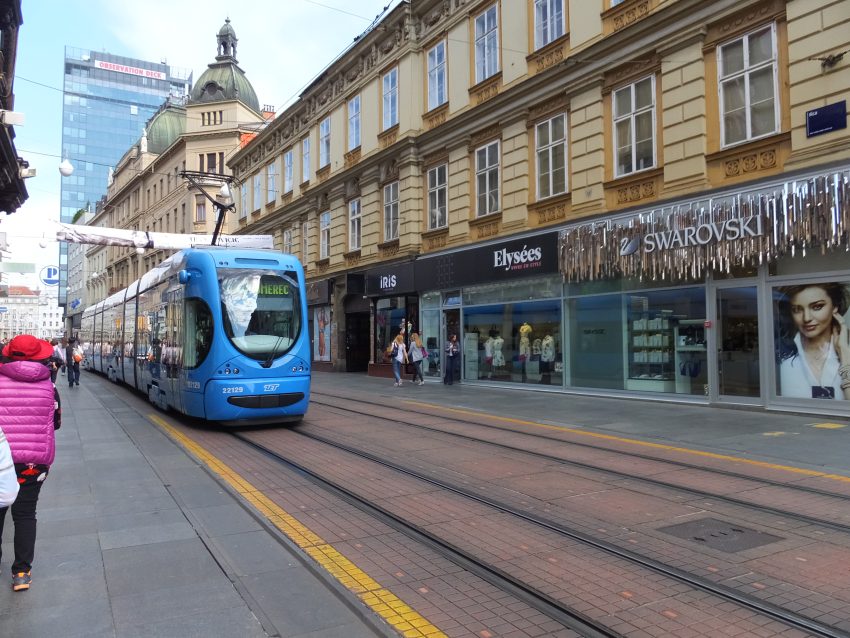
Location: Ilica, Zagreb, Croatia | Hours: 24 Hours. | Price: Free. | Distance: 0.6km
8. Archaeological Museum
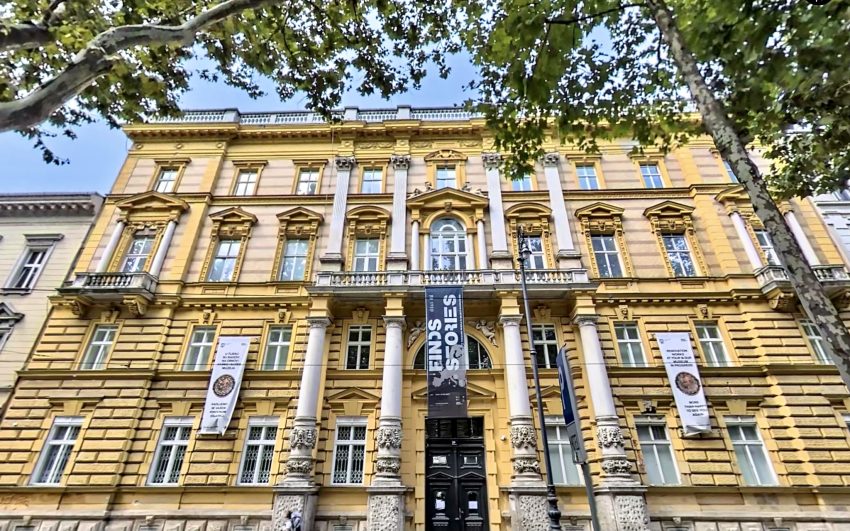
Location: Zrinjevac 19, 10000, Zagreb, Croatia | Hours: Tuesday – Friday: 10:00–18:00. Saturday: 10:00–20:00. Sunday: 10:00–13:00. Closed on Monday. | Price: Adults: €8; Pupils, students & retirees: €4; Family ticket (with children under 15): €14. | Website | Distance: 0.6km
9. Saint Mark's Church and Square
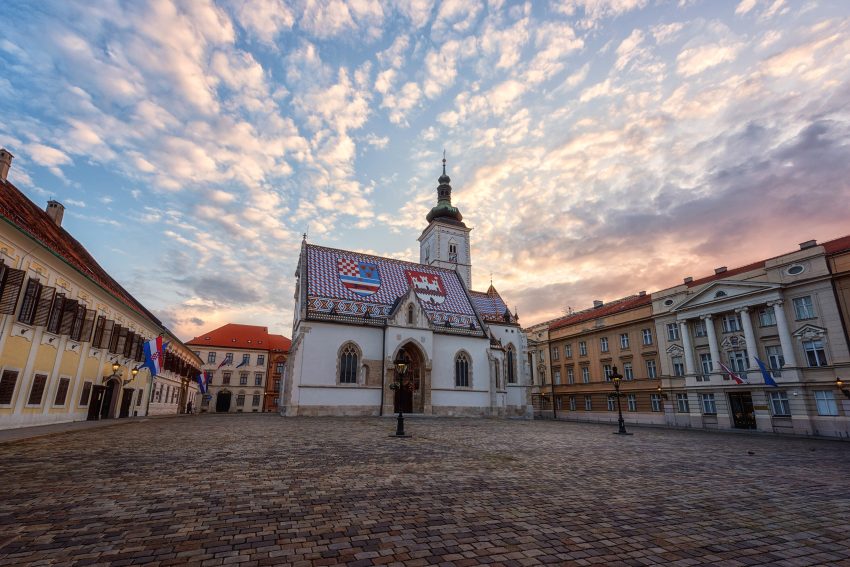
Location: Trg Sv. Marka 5, 10000, Zagreb, Croatia | Hours: Monday – Friday: 18:00–19:00. Saturday: 07:30–08:30. Sunday: 10:30–11:30 & 18:00–19:00. | Price: Free; donations appreciated. | Website | Distance: 0.7km
10. Zagreb Funicular
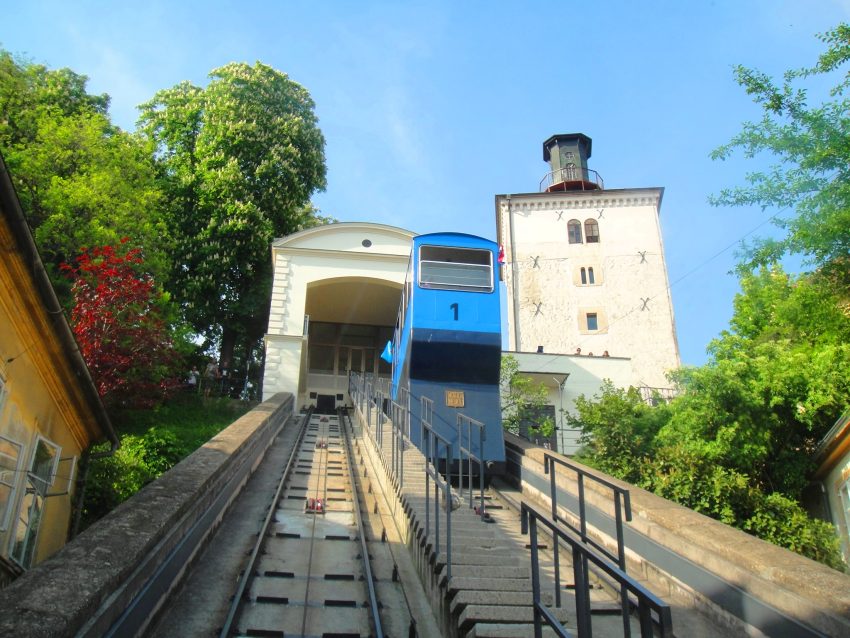
Location: Uspinjača, 10000, Zagreb, Croatia | Hours: Daily: 06:30–22:00. | Price: Check official website. | Website | Distance: 0.7km
11. Lotršcak Tower
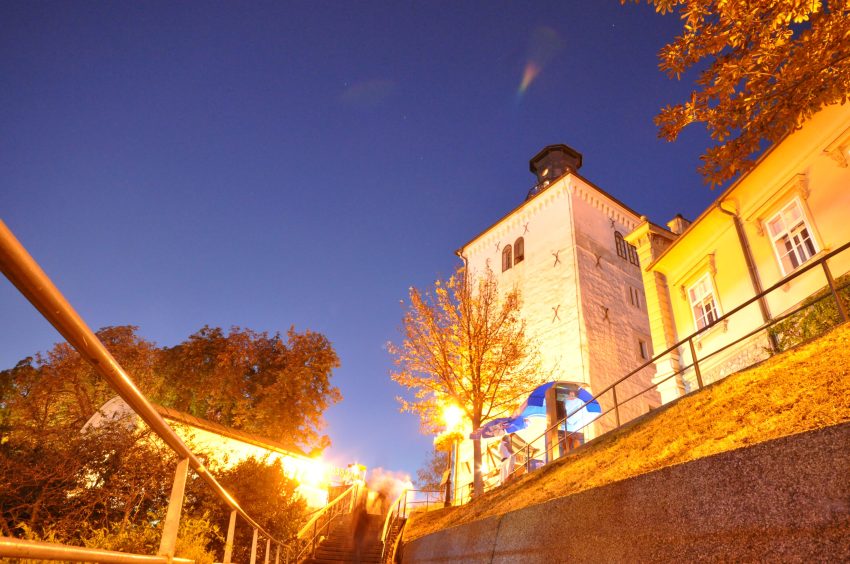
Location: Strossmayerovo šetalište 9, 10000, Zagreb, Croatia | Hours: Tuesday – Friday: 09:00–19:00. Saturday – Sunday: 11:00–19:00. Closed on Monday. | Price: Adults: €3; Children (7–18): €2. | Website | Distance: 0.7km
12. Museum of Broken Relationships
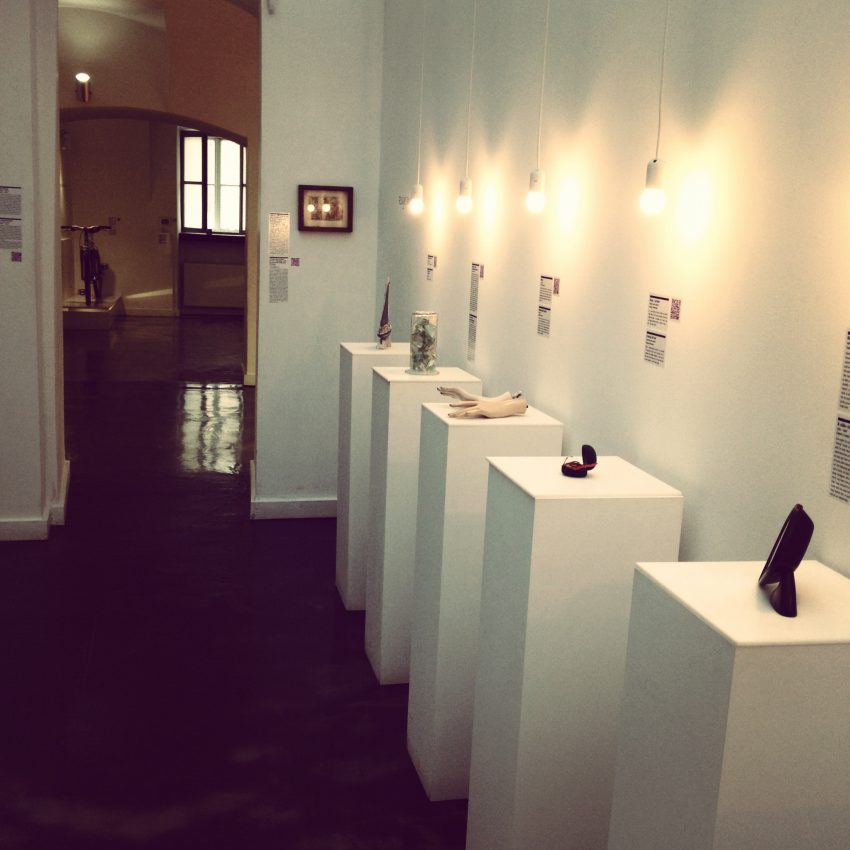
Location: Ćirilometodska ul. 2, 10000, Zagreb, Croatia | Hours: (Summer) June 1 – September 30; Daily: 09:00–22:00. Last entry: 21:30. (Winter) October 1 – May 31; Daily: 09:00–21:00. Last entry: 20:30. Closed on Christmas Eve, Christmas, New Year’s Day, Easter & All Saints’ Day. New Year’s Eve: 10:00–18:00. | Price: Adults: €9; Pupils, students (full-time with ID), people with disabilities, seniors (65+): €7; Groups (15+): €7 per person. | Website | Distance: 0.7km
13. Zagreb City Museum
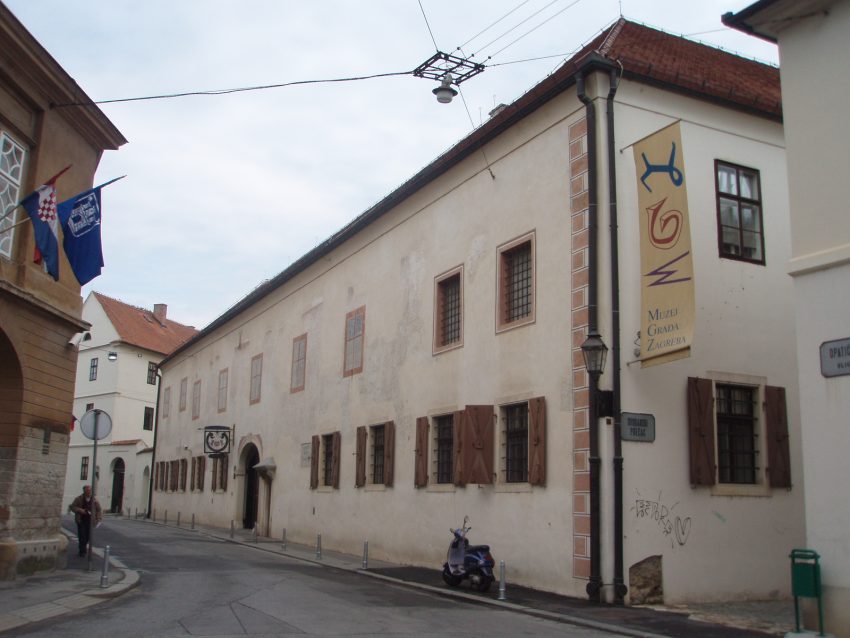
Location: Opatička ul. 20, 10000, Zagreb, Croatia | Hours: Tuesday – Saturday: 10:00–19:00. Sunday: 10:00–14:00. Closed on Monday. | Price: Check official website. | Website | Distance: 0.7km
14. Croatian Museum of Naive Art
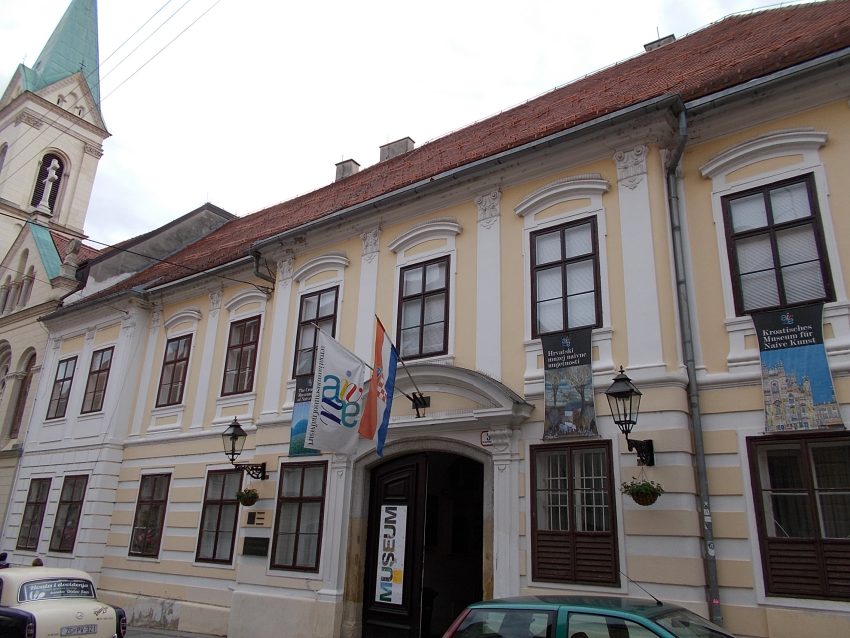
Location: Ćirilometodska ul. 3, 10000, Zagreb, Croatia | Hours: Monday – Friday: 10:00–17:00. | Price: Adults: €5.50; Students: €3.00; Family ticket: €10.00; Groups (10–25): €4.00 per person. | Website | Distance: 0.7km
15. Ethnographic Museum
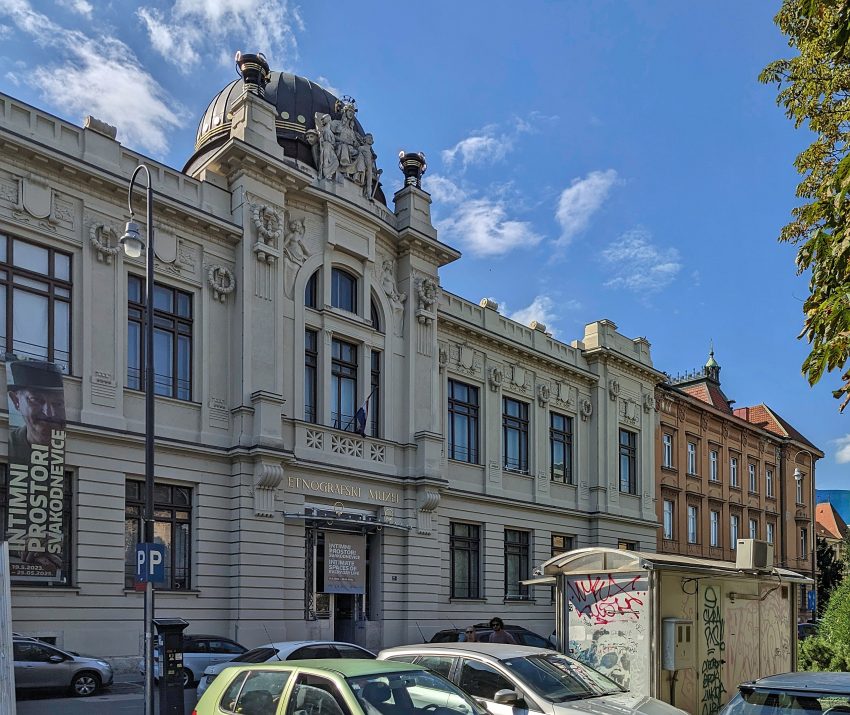
Location: Trg Antuna, Ivana i Vladimira Mažuranića 14, 10000, Zagreb, Croatia | Hours: Tuesday – Friday: 10:00–18:00. Saturday – Sunday: 10:00–13:00. Closed on Monday. Closed on public holidays. | Price: Adults: €4; Students & seniors: €3; Family ticket: €7; Under 5: free. | Website | Distance: 1.2km
16. Park Maksimir
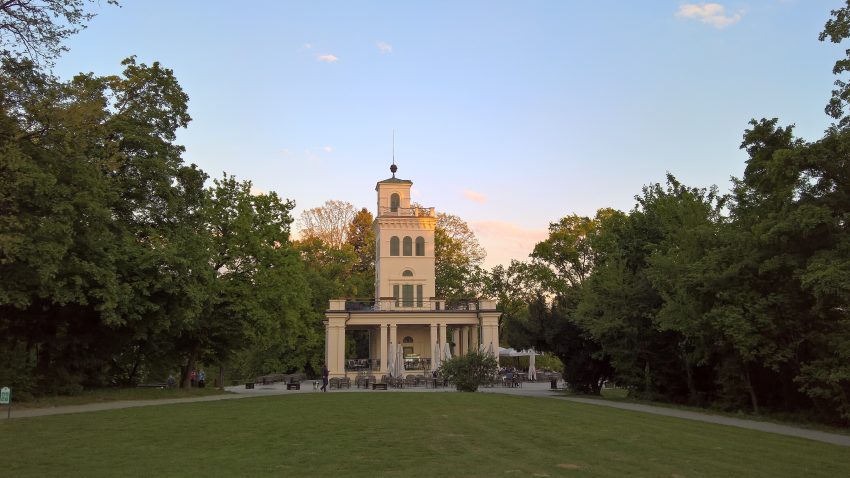
Location: Maksimirski perivoj 1, 10000, Zagreb, Croatia | Hours: 24 Hours. | Price: Free. | Website | Distance: 2.7km
17. Zagreb Zoo
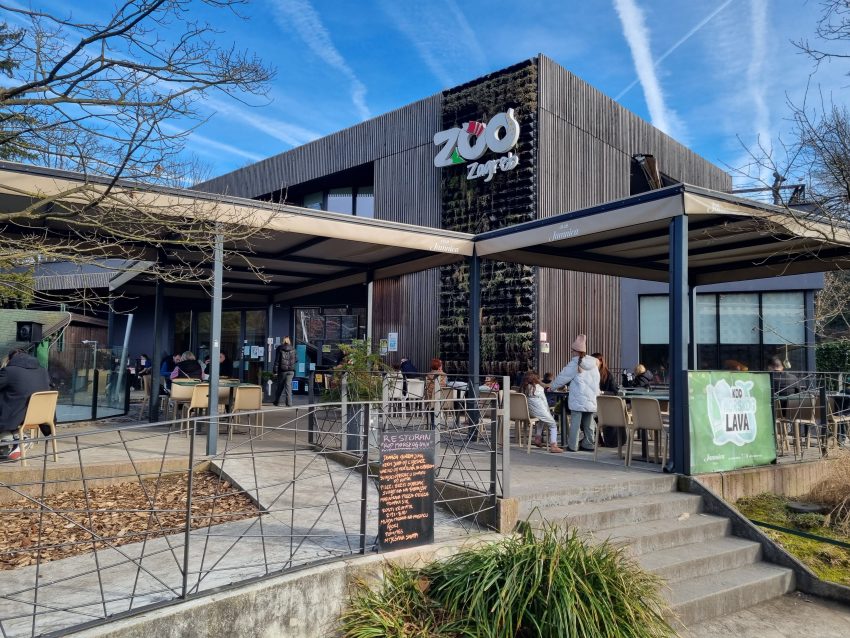
Location: Fakultetsko dobro 1, 10000, Zagreb, Croatia | Hours: Daily: 09:00–16:00. | Price: Adults: €7; Children (7–14): €5; Children (2–6): €3; Adults (Monday, excl. holidays): €5. | Website | Distance: 3.2km
Best Day Trips from Zagreb
A day trip from Zagreb offers the perfect opportunity to escape the urban rhythm and discover the surrounding region's charm. Whether you're drawn to scenic countryside, historic villages, or cultural landmarks, the area around Zagreb provides a variety of easy-to-reach destinations ideal for a one-day itinerary.
1. Maribor
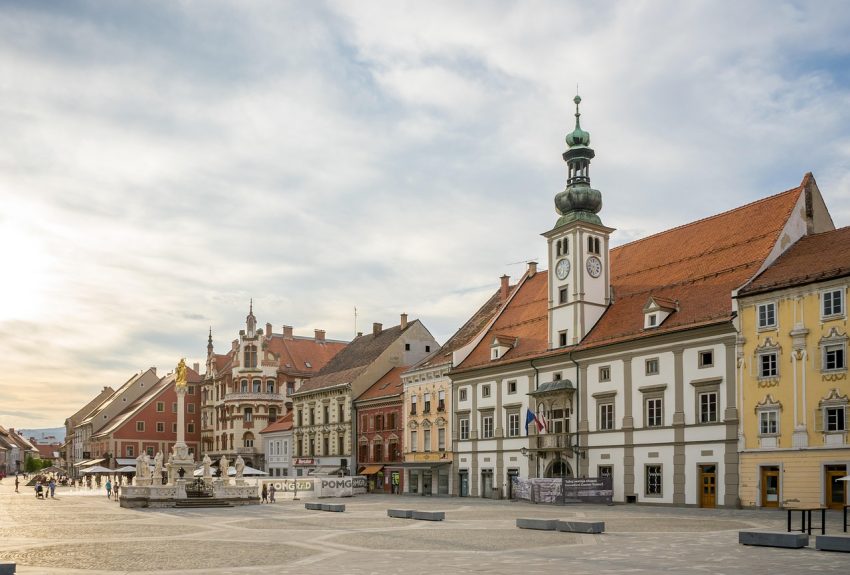
Visiting Maribor
2. Ljubljana

Visiting Ljubljana
3. Graz
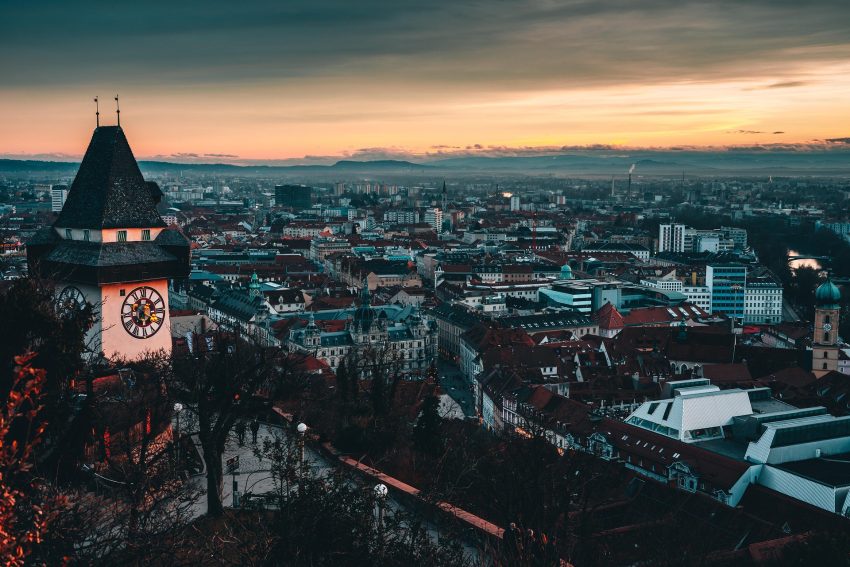
Visiting Graz
Where to Stay in Zagreb
For a first visit, staying in Zagreb’s Lower Town (Donji Grad) is the most convenient choice because you can walk to major sights, parks, museums, and the main café streets while also having quick tram connections to everywhere else. A classic, central option is Esplanade Zagreb Hotel, which suits travelers who want historic elegance, strong service, and an easy walk to the Green Horseshoe and the main station. For a stylish, modern stay right in the core, Hotel Dubrovnik works well because it places you steps from Ban Jelačić Square, making early starts and late evenings effortless.
If you prefer being close to the Upper Town vibe—quiet lanes, viewpoints, and quick access to museums—choose the area around the historic center and its edges, where evenings feel calmer once day-trippers leave. Hotel Jägerhorn is a great fit here because it combines a tucked-away, peaceful feel with immediate access to the main pedestrian routes. For a contemporary boutique option with a slightly more residential atmosphere but still within easy walking distance of the center, Canopy by Hilton Zagreb City Centre is a good pick thanks to reliable comfort, modern design, and straightforward transport links.
Using the our Hotel and Accomodation map, you can compare hotels and short-term rental accommodations in Zagreb. Simply insert your travel dates and group size, and you’ll see the best deals for your stay.
Zagreb Accommodation Map
Best Time to Visit Zagreb
Zagreb in Spring (March–May)
Spring is one of the most pleasant times to visit, with milder temperatures, longer days, and parks and promenades turning green. It’s ideal for walking between the Upper and Lower Town, lingering at outdoor cafés, and taking short hikes on Medvednica when trails are comfortable rather than hot.
Zagreb in Summer (June–August)
Summer brings warmer weather and a lively evening atmosphere, with terraces full and plenty of open-air happenings. It’s a good season for late-day sightseeing and enjoying the city’s nightlife, though midday heat can make museum visits and shaded park strolls more appealing.
Zagreb in Autumn (September–November) (Best)
Autumn combines comfortable temperatures with a calmer, local feel after peak summer travel. The city’s tree-lined streets and parks take on golden colors, and it’s a great time for food-focused exploring—markets, seasonal menus, and wine bars feel especially inviting.
Zagreb in Winter (December–February)
Winter is colder, but it’s also when Zagreb can feel most atmospheric, especially during the Advent season. The city is known for its Christmas markets and festive lights, with mulled wine stands, skating, and holiday events creating a cozy reason to visit despite the chill.
Annual Weather Overview
- January 6°C 47°F
- February 10°C 55°F
- March 13°C 59°F
- April 19°C 70°F
- May 22°C 75°F
- June 29°C 87°F
- July 30°C 90°F
- August 31°C 91°F
- September 24°C 79°F
- October 19°C 71°F
- November 10°C 54°F
- December 6°C 47°F
How to get to Zagreb
Getting to Zagreb by air
Nearest airport: Franjo Tuđman Airport (ZAG). From the airport, you can reach the city by shuttle bus, taxi, or rideshare.
Getting to Zagreb by train
Main station: Zagreb Glavni kolodvor (Central Station), well connected to domestic routes and international services.
Train operators and planning links: Croatian Railways (HŽPP) https://www.hzpp.hr/en, ÖBB (Austria) https://www.oebb.at/en, Deutsche Bahn (Germany) https://int.bahn.de/en, SŽ (Slovenian Railways) https://www.slo-zeleznice.si/en.
Getting to Zagreb by Car
Driving notes: Zagreb is connected by major motorways, making it straightforward to arrive from other Croatian cities and neighboring countries. Expect heavier traffic at rush hours, and use garages or designated paid parking zones rather than searching for street parking in the center. If you plan to explore beyond the core, a car can be convenient, but for central sightseeing it’s often easier to walk and use public transport.
Travelling around Zagreb
Public transport: Trams and buses cover the city efficiently, with frequent services through the central districts.
On foot: The center is compact and pedestrian-friendly, especially between the Lower Town and Upper Town.
Funicular and taxis: The funicular is a quick link between levels of the historic core, while taxis and rideshares are useful late at night or for hillier areas.