Leipzig, Germany: The Ultimate Travel Guide 2026
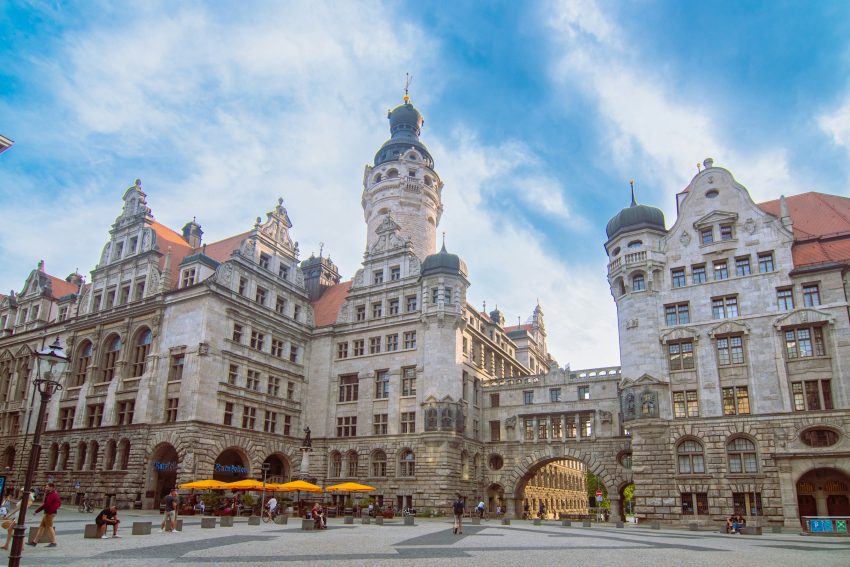
Leipzig is a lively, walkable city in eastern Germany's Saxony region, known for its creative energy, grand music heritage, and a café-and-courtyard culture that makes exploring feel effortless. The city’s center is compact and easy to navigate on foot, with elegant passages, busy squares, and a mix of historic façades and contemporary design. It’s a great place to slow down for coffee and cake, then switch gears to galleries, indie shops, and evening concerts.
A visit to Leipzig is especially rewarding if you like cities that feel local rather than staged. Neighborhoods such as Plagwitz and Südvorstadt add a modern edge with converted industrial spaces, street art, and relaxed bars, while parks and waterways offer quick escapes from the urban buzz. You can pack a lot into a short stay: museums and churches in the morning, lakeside time or a riverside cycle in the afternoon, and live music at night.
Leipzig also works well as a base for easy day trips, but it's worth giving the city itself time-its best moments often come from wandering. Browse bookshops, duck into hidden courtyards, and follow the sound of rehearsals drifting from a church or concert hall. Whether you're here for culture, food, or a weekend break, Leipzig feels welcoming, youthful, and full of surprises.
Table of Contents
- History of Leipzig
- Best things to do and See in Leipzig
- Leipzig: Explore the Old Town and Market Square
- Leipzig: St. Thomas Church
- Leipzig: St. Nicholas Church
- Leipzig: Museum of Fine Arts
- Leipzig: Bach Museum Leipzig
- Leipzig: Leipzig Zoo and Gondwanaland
- Leipzig: Clara-Zetkin Park and Riverside Walks
- Leipzig: Plagwitz and the Spinnerei Art Complex
- Leipzig: Panometer Leipzig
- Leipzig: Cospudener See
- 7 Best Day Trips from Leipzig
- Where to Stay in Leipzig
- Best Time to Visit Leipzig
- How to get to Leipzig
History of Leipzig
Leipzig in the Middle Ages (12th–15th centuries)
Leipzig’s early growth was closely tied to trade. By the late medieval period, the city had developed into a significant market center, benefiting from privileges that supported fairs and commerce. Merchant activity helped shape civic institutions, guild life, and the urban fabric that would later define the old town.
Leipzig in the Reformation and Early Modern Era (16th–17th centuries)
During the Reformation, Leipzig became an important place for religious debate, education, and printing. The city’s book trade expanded, laying foundations for a long-standing publishing tradition. Despite periods of hardship—fires, disease, and the disruptions of war—Leipzig continued to rebuild and maintain its role as a commercial and intellectual hub.
Leipzig in the Age of Fairs, Music, and Enlightenment (18th century)
The 18th century strengthened Leipzig’s reputation for culture and learning. Music flourished through church and civic life, and the city’s institutions supported scholarship and the arts. Trade fairs remained central, drawing visitors and reinforcing Leipzig’s international connections.
Leipzig in the Industrial Century (19th century)
Industrialization transformed Leipzig’s economy and skyline. Manufacturing, rail connections, and expanding neighborhoods accelerated growth, while the city’s publishing and book industries became increasingly influential. Concert life and civic architecture also developed rapidly, reflecting both prosperity and a rising middle class.
Leipzig in War, Division, and the GDR (1914–1989)
The first half of the 20th century brought upheaval, including wartime destruction and political repression. After 1945, Leipzig became part of the German Democratic Republic, where state planning shaped housing, industry, and public life. Despite constraints, cultural institutions endured, and civic spaces remained important gathering points.
Leipzig and the Peaceful Revolution (1989)
Leipzig played a pivotal role in the events leading to the end of the GDR. Public demonstrations—associated with calls for reform and civil rights—grew in size and momentum, becoming emblematic of the broader movement that helped bring political change.
Leipzig in Reunified Germany (1990–today)
Since reunification, Leipzig has undergone major renewal, with restored historic buildings, revitalized districts, and new cultural venues. Former industrial areas have been repurposed into creative and residential spaces, and the city has attracted new residents, students, and businesses—reshaping Leipzig into a dynamic, forward-looking urban center.

Moira & Andy
Hey! We're Moira & Andy. From hiking the Camino to trips around Europe in Bert our campervan — we've been traveling together since retirement in 2020!
Visiting Leipzig for the first time and wondering what are the top places to see in the city? In this complete guide, I share the best things to do in Leipzig on the first visit. To help you plan your trip, I have also included an interactive map and practical tips for visiting!
This website uses affiliate links which earn a small commission at no additional cost to you.
Best things to do and See in Leipzig
1. Leipzig: Explore the Old Town and Market Square
Leipzig’s historic center is compact and rewarding for a self-guided walk, with lively squares, elegant façades, and the city’s famous network of covered passages and courtyards. Start around the Market Square to get a feel for daily life—street musicians, seasonal stalls, and a steady flow of locals give it energy throughout the day.
Spend time wandering the arcades and side streets rather than sticking to one main route; the charm is in the small discoveries—hidden courtyards, specialty shops, and traditional cafés. It’s an easy first activity that helps you orient yourself before diving into museums and neighborhoods.
2. Leipzig: St. Thomas Church (Thomaskirche) and Bach Connections
St. Thomas Church is one of Leipzig’s most meaningful stops for music lovers, closely associated with Johann Sebastian Bach. The interior is calm and spacious, and the setting invites you to slow down—whether you’re there for architecture, a moment of quiet, or the city’s musical legacy.
If you can, time your visit around a performance or rehearsal atmosphere in the area; Leipzig’s music culture feels especially tangible here. Entry cost: typically free for individual visits, with fees possible for certain concerts. Opening times: generally daytime hours, with access limited during services and events.
3. Leipzig: St. Nicholas Church (Nikolaikirche)
St. Nicholas Church is both beautiful and historically resonant, known for its distinctive interior details and its role as a gathering place in pivotal civic moments. Even if you’re not focusing on history, the space itself is worth seeing—light, elegant, and different in feel from other major churches.
It’s also well placed for combining with a city-center walk, shopping passages, and nearby museums. Entry cost: typically free. Opening times: generally open daily during daytime, with closures during services and special events.
4. Leipzig: Museum of Fine Arts (Museum der bildenden Künste)
Leipzig’s Museum of Fine Arts is a strong choice if you want a high-quality museum experience without losing a whole day. The collection spans older European works through to modern art, and the building itself is bright and contemporary—pleasant even if you’re only doing a short visit.
Plan for 1–2 hours to see highlights, then take a break at a nearby café in the center. Entry cost: paid ticket (prices vary by exhibition). Opening times: typically late morning to early evening, with one later opening day in the week common for major museums.
5. Leipzig: Bach Museum Leipzig
The Bach Museum is an excellent companion to a visit to St. Thomas Church, offering a focused, well-curated look at Bach’s life and work in Leipzig. Exhibits are designed to be approachable, with listening stations and displays that make the subject engaging even if you’re not a specialist.
It’s a manageable museum that fits neatly into a city-center day. Entry cost: paid ticket. Opening times: generally open daily except one weekly closure day; expect late morning to early evening hours.
6. Leipzig: Leipzig Zoo and Gondwanaland
Leipzig Zoo is widely regarded as one of Germany’s best, and it’s a great option if you want a full, varied day within easy reach of the center. The standout for many visitors is Gondwanaland, a large tropical hall with lush planting, warm air, and immersive paths that feel like a mini getaway.
Go earlier in the day to avoid crowds and to catch more animal activity, then plan breaks—there’s a lot to see. Entry cost: paid ticket, with different rates for adults/children and possible seasonal pricing. Opening times: typically open daily, with longer hours in summer and shorter hours in winter.
7. Leipzig: Clara-Zetkin Park and Riverside Walks
Clara-Zetkin Park is ideal for a slower-paced Leipzig day: wide lawns, shaded paths, and a relaxed local vibe. It’s perfect for a picnic, a jog, or simply decompressing after museums and city-center sightseeing.
The park also connects well to green corridors and waterways, so you can extend your walk into longer routes without feeling like you’ve left the city. Entry cost: free. Opening times: always open.
8. Leipzig: Plagwitz and the Spinnerei Art Complex
Plagwitz showcases Leipzig’s creative reinvention, with former industrial spaces turned into studios, galleries, and cafés. The Spinnerei complex is a key anchor—an atmospheric place to see contemporary art in a setting that still feels authentically industrial.
Aim to visit when galleries are open (often concentrated on specific days), then explore nearby streets for coffee roasters, design shops, and canalside walks. Entry cost: many galleries are free; special exhibitions may charge. Opening times: vary by gallery, commonly late morning to early evening on open days.
9. Leipzig: Panometer Leipzig (360° Panorama)
The Panometer offers a distinctive indoor experience: a massive 360° artwork installation inside a converted gasometer, designed to immerse you in a themed scene. It’s visually impressive and works well in bad weather, and the scale makes it memorable even if you’re not usually drawn to exhibitions.
Allow time to view from different levels and revisit as lighting and sound elements shift the mood. Entry cost: paid ticket. Opening times: typically open daily from late morning to early evening.
10. Leipzig: Cospudener See (Lake Cospuden)
For a quick nature-and-water escape within easy reach of Leipzig, Cospudener See is a favorite. You can walk or cycle around parts of the lake, relax on the beach areas, or stop at lakeside spots for food and drinks—especially enjoyable on warm days.
It’s a great counterbalance to city sightseeing: plan a half-day with a swim in summer or a brisk walk in cooler months. Entry cost:Opening times: