Korcula, Croatia: The Ultimate Travel Guide 2026
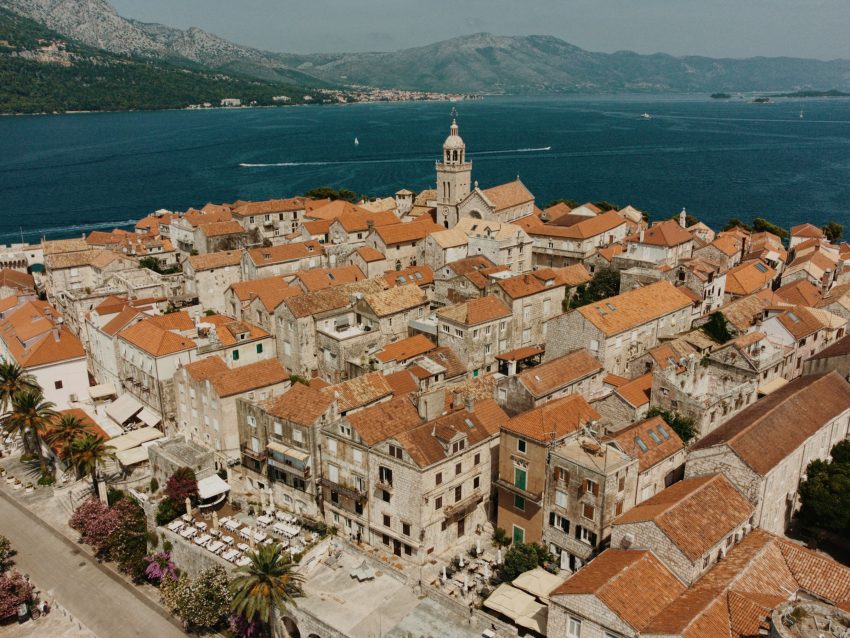
Korčula is a relaxed Adriatic island destination in southern Dalmatia, known for a beautifully preserved old town, clear coves, and a food-and-wine scene that rewards slow travel. The compact medieval core is ideal for wandering on foot, with stone lanes that open onto sea views, small squares, and waterfront promenades. If you want a trip that mixes beach time with culture and easy day trips, Korčula fits neatly into a Dalmatian island-hopping route.
A visit works best when you balance town time with short excursions: swim from pebble beaches and rocky platforms close to the center, then head out to nearby villages for local konobas, vineyards, and sunset viewpoints. The island’s pace is unhurried, and it’s easy to plan days around a morning swim, a long lunch, and an evening stroll along the ramparts and harborside.
Korčula also suits travelers who like variety without long transfers: within a short radius you can reach quiet bays, small wineries, and scenic cycling routes, while still returning to the old town for dinner and nightlife. Whether you come for a weekend or a full week, you’ll find plenty to do without needing a packed itinerary-just bring comfortable walking shoes and a swimsuit.
History of Korcula
Korčula in Prehistory and Illyrian Times
Archaeological traces on the island point to very early settlement, with communities taking advantage of sheltered bays, freshwater sources, and defensible high ground. In the broader Adriatic context, Illyrian groups were active in maritime trade and coastal life, leaving behind material culture that suggests a network of contacts across the sea.
Korčula under Greek and Roman Influence
Greek colonists and traders left a lasting imprint on the island’s organization and land use, including early forms of planned settlement and agriculture. Under Roman rule, the economy tied more closely into imperial sea routes, with villas, rural estates, and maritime activity shaping daily life and boosting local production.
Korčula in the Early Medieval Period
As the Roman world fragmented, power shifted among regional rulers and emerging Slavic polities. Coastal communities adapted to changing security conditions, and fortified sites became increasingly important. Christian institutions grew in influence, helping structure local governance and cultural continuity.
Korčula in the Venetian Era
Venetian control brought centuries of administrative stability and strong maritime orientation, reflected in urban planning, defensive works, and a legal culture shaped by statutes and guild life. Shipbuilding and seafaring traditions expanded, and the town’s architecture and public spaces developed in ways that still define its character today.
Korčula from the 19th Century to the World Wars
With the decline of Venetian power and subsequent political changes, Korčula experienced shifts in trade patterns and administration. The 19th century brought modernization pressures alongside emigration and economic fluctuation. The first half of the 20th century was marked by wartime disruption and changing state frameworks.
Korčula in the Late 20th Century and Today
Postwar decades saw rebuilding, infrastructure improvements, and a gradual pivot toward tourism alongside traditional livelihoods. In recent years, heritage preservation, gastronomy, and wine production have become central to the local identity, with cultural events and summer life reinforcing Korčula’s reputation as a standout Adriatic destination.

Moira & Andy
Hey! We're Moira & Andy. From hiking the Camino to trips around Europe in Bert our campervan — we've been traveling together since retirement in 2020!
Visiting Korcula for the first time and wondering what are the top places to see in the city? In this complete guide, I share the best things to do in Korcula on the first visit. To help you plan your trip, I have also included an interactive map and practical tips for visiting!
This website uses affiliate links which earn a small commission at no additional cost to you.
13 Best places to See in Korcula
This complete guide to Korcula not only tells you about the very best sights and tourist attractions for first-time visitors to the city but also provide insights into a few of our personal favorite things to do.
This is a practical guide to visiting the best places to see in Korcula and is filled with tips and info that should answer all your questions!
1. Antun and Stjepan Radić Square
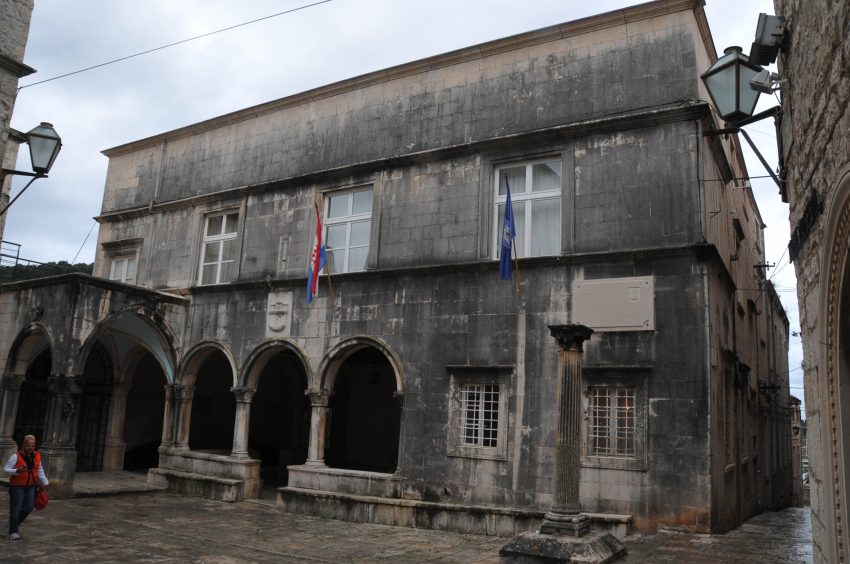
| Hours: 24 Hours | Price: Free. | Website | Distance: 0.2km

2. Kula Svih Svetih
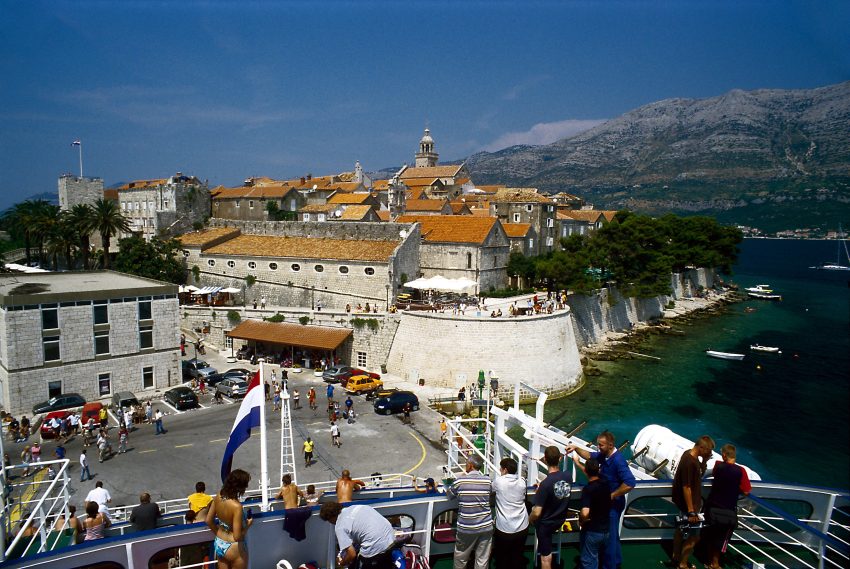
Location: Rampada, 20260, Korčula, Croatia | Hours: 24 Hours. | Price: Free. | Distance: 0.2km
3. Crkva Svih Svetih
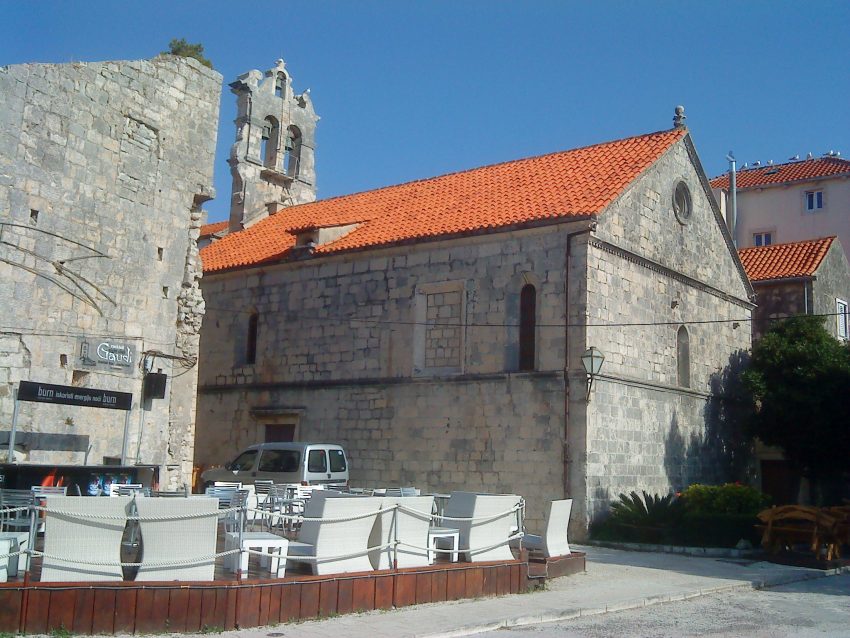
Location: Kaporova, 20260, Stari Grad, Korčula, Croatia | Hours: Check official website. | Price: Free; donations appreciated. | Distance: 0.2km
4. Mala Knezeva Kula
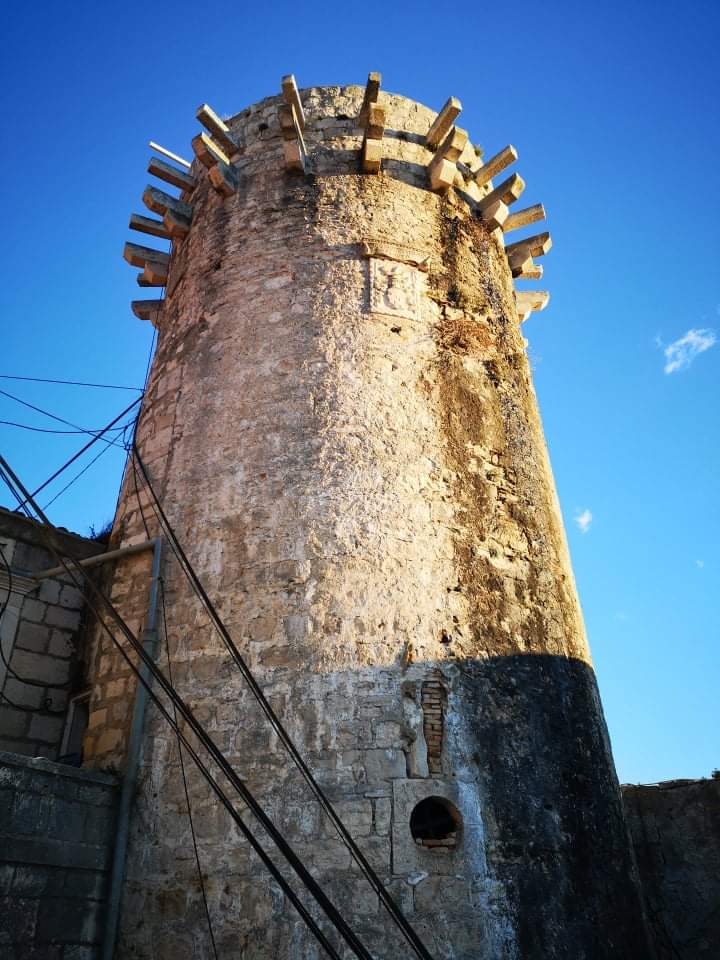
Location: Mala kneževa kula, Knežev pro., 20260, Korčula, Croatia | Hours: 24 Hours. | Price: Free. | Distance: 0.2km
5. Velika Knezeva Kula
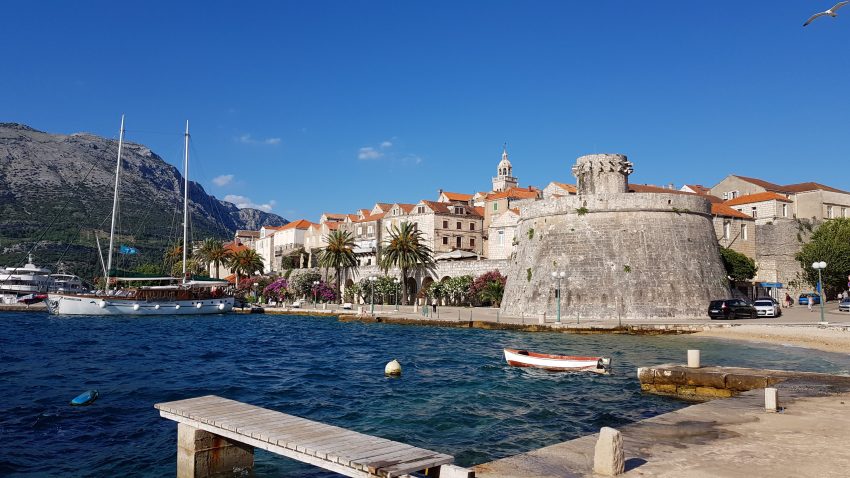
Location: Velika kneževa kula, Obala dr. Franje Tuđmana, 20260, Korčula, Croatia | Hours: 24 Hours. | Price: Free. | Distance: 0.2km
6. Revelin Tower and Land Gate
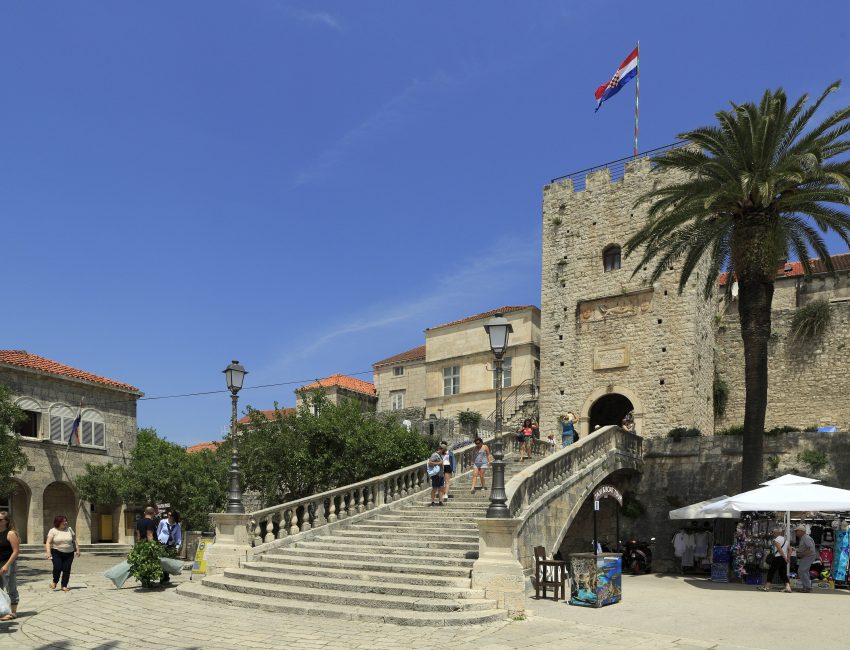
Location: Ul. Korčulanskih domobrana 6, 20260, Korčula, Croatia | Hours: Daily: 00:00–24:00. | Price: Free; tower access may require a ticket when open. | Website | Distance: 0.2km
7. Marko Polo Centar
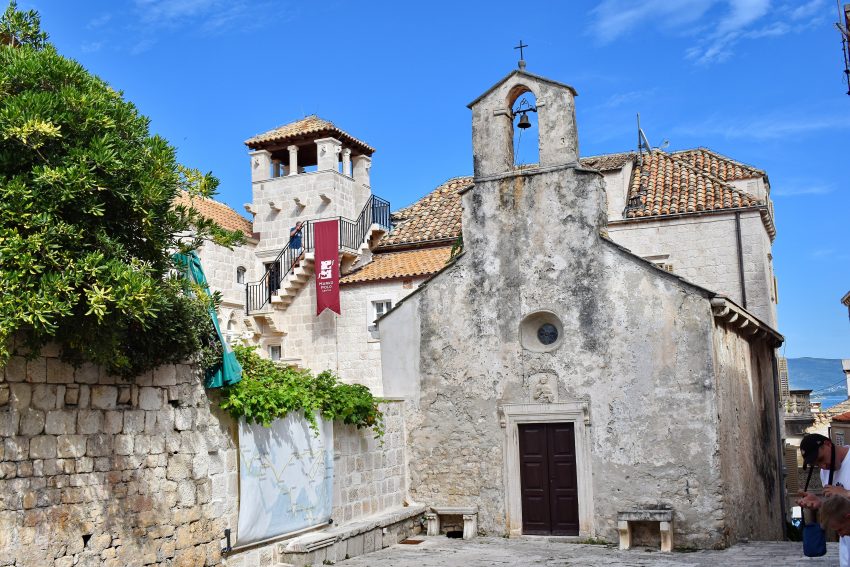
Location: Ul. Depolo 3, 20260, Korčula, Croatia | Hours: Monday – Friday: 09:00–17:00. | Price: Adults: €6; Children (primary & secondary school): €3; Family (2 adults + 2 children): €15; Group (10+): €5; Combined ticket (1 person): €12; Combined family ticket: €25. | Website | Distance: 0.3km
8. Gradski Muzej Korcula
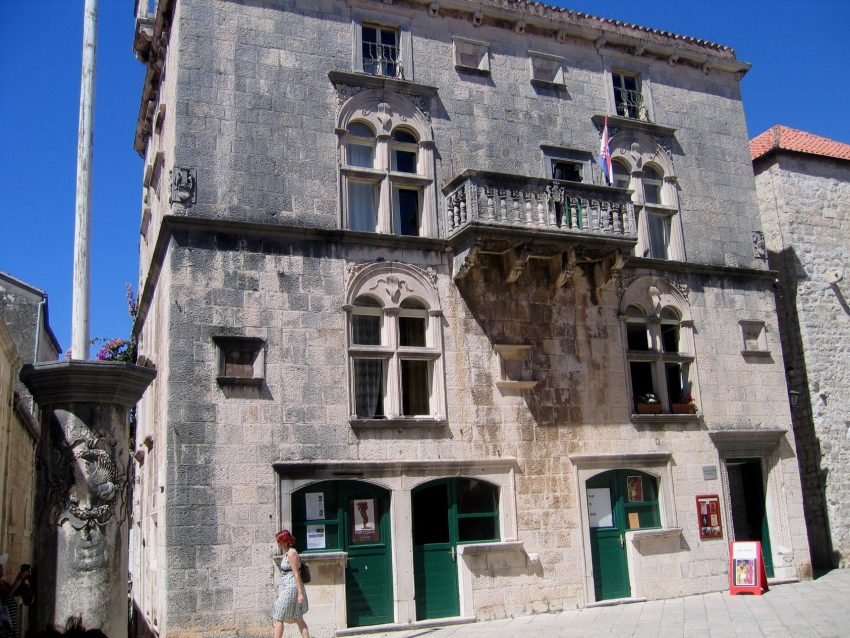
Location: Trg Svetog Marka 1, 20260, Korčula, Croatia | Hours: Monday – Friday: 10:00–15:00. Saturday – Sunday: Closed (open for groups by appointment). | Price: Single ticket: €6; Groups (10+): €4; Students (organized visit): €3. | Website | Distance: 0.3km
9. Crkva Svetog Petra
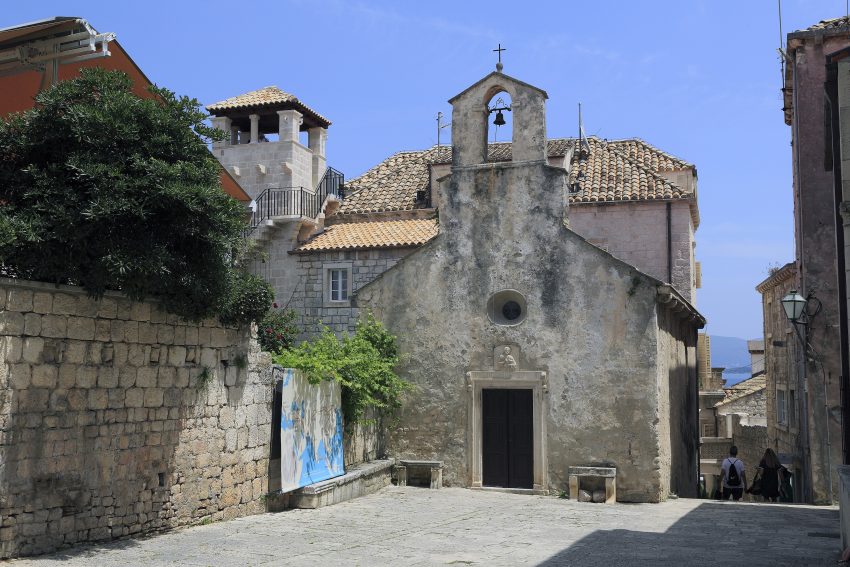
Location: 20260, Korcula Old Town, Korčula, Croatia | Hours: Check official website. | Price: Free; donations appreciated. | Distance: 0.3km
10. Crkva Gospojina
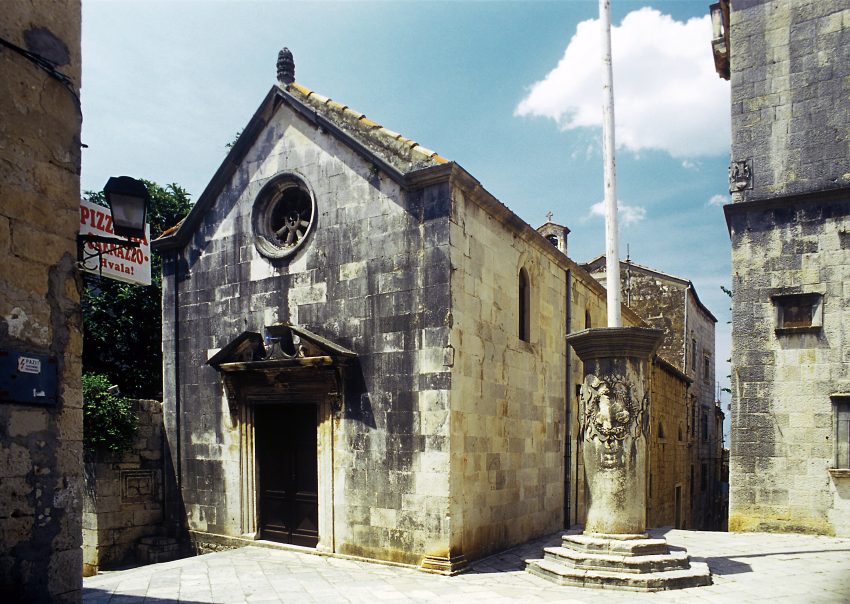
Location: 20260, Korcula Old Town, Korčula, Croatia | Hours: Check official website. | Price: Free; donations appreciated. | Distance: 0.3km
11. Korculanska Katedrala
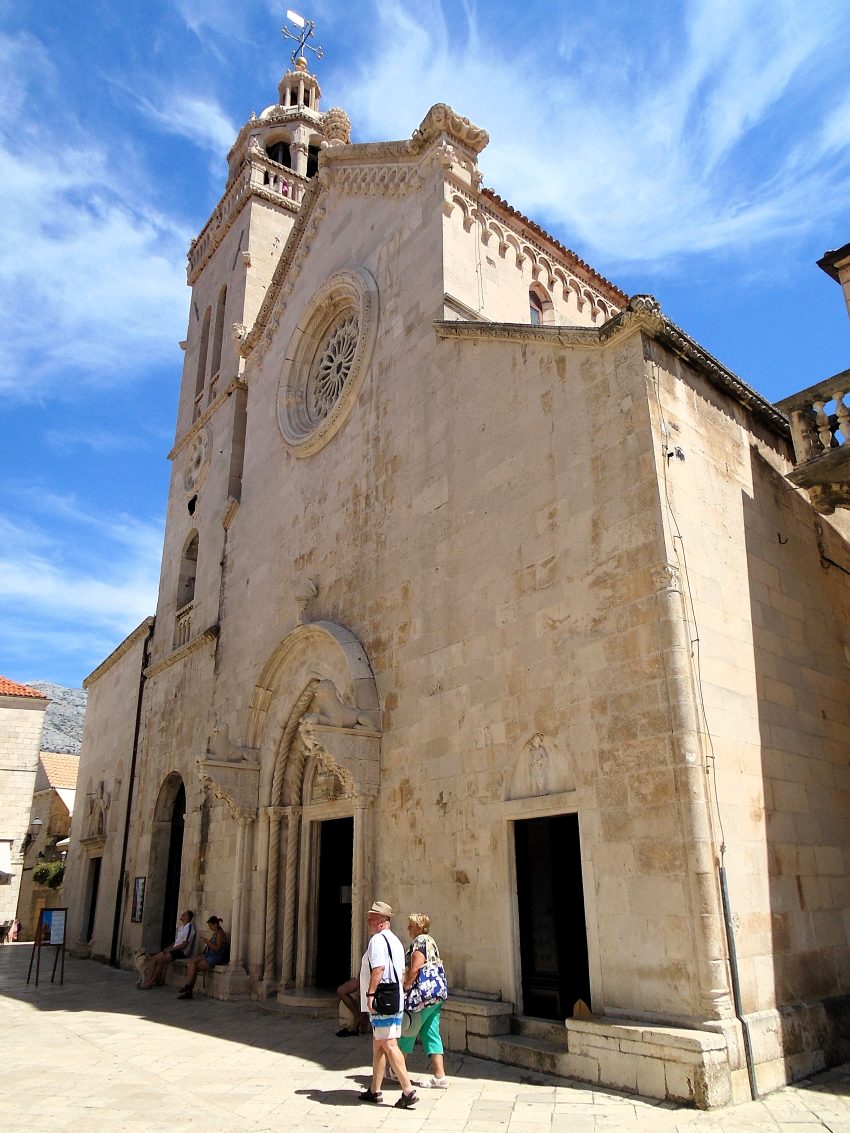
Location: 20260, Korcula Old Town, Korčula, Croatia | Hours: Check official website. | Price: Cathedral entry: €3; Bell tower: +€5; Children: free (reported by visitors). | Distance: 0.3km
12. Korcula Town Walls
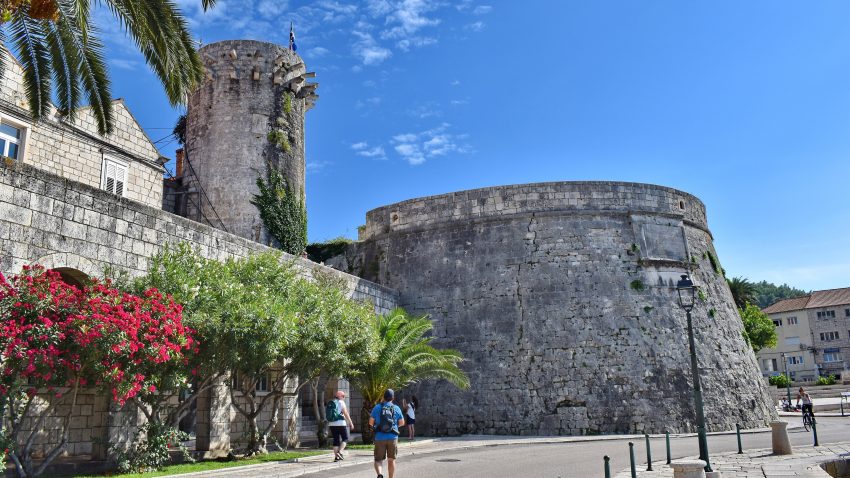
Location: Ul. Korčulanskih domobrana 6, 20260, Korčula, Croatia | Hours: 24 Hours. | Price: Free (tower access may have a small fee when open). | Distance: 0.3km
13. Kula Zakerjan
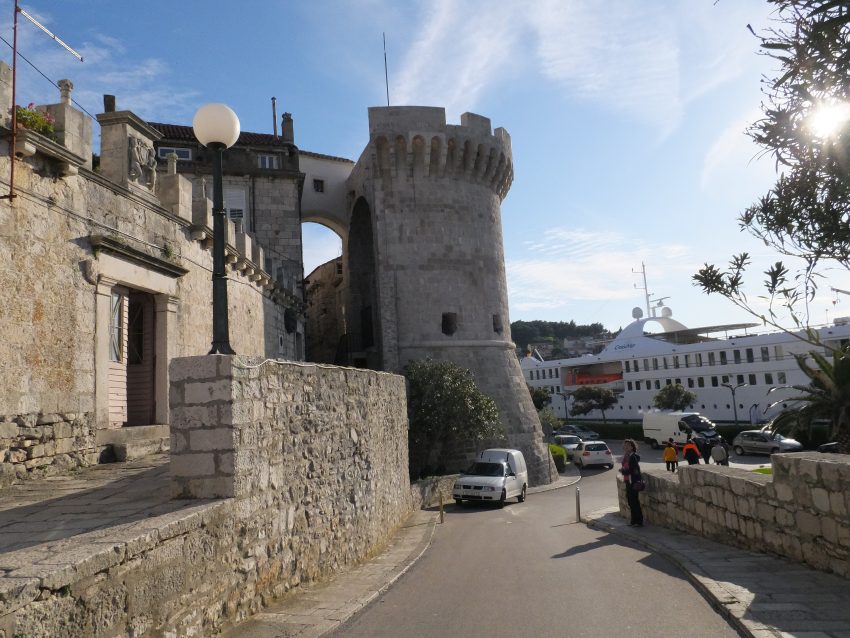
Location: Kula Zakerjan, Šetalište Petra Kanavelića, 20260, Korčula, Croatia | Hours: 24 Hours. | Price: Free. | Distance: 0.4km
Best Day Trips from Korcula
A day trip from Korcula offers the perfect opportunity to escape the urban rhythm and discover the surrounding region's charm. Whether you're drawn to scenic countryside, historic villages, or cultural landmarks, the area around Korcula provides a variety of easy-to-reach destinations ideal for a one-day itinerary.
1. Hvar
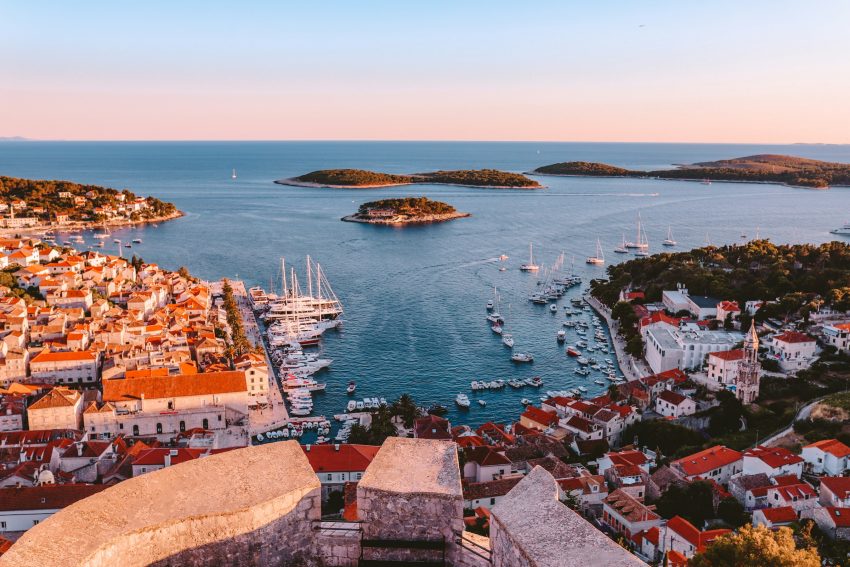
Visiting Hvar
2. Split
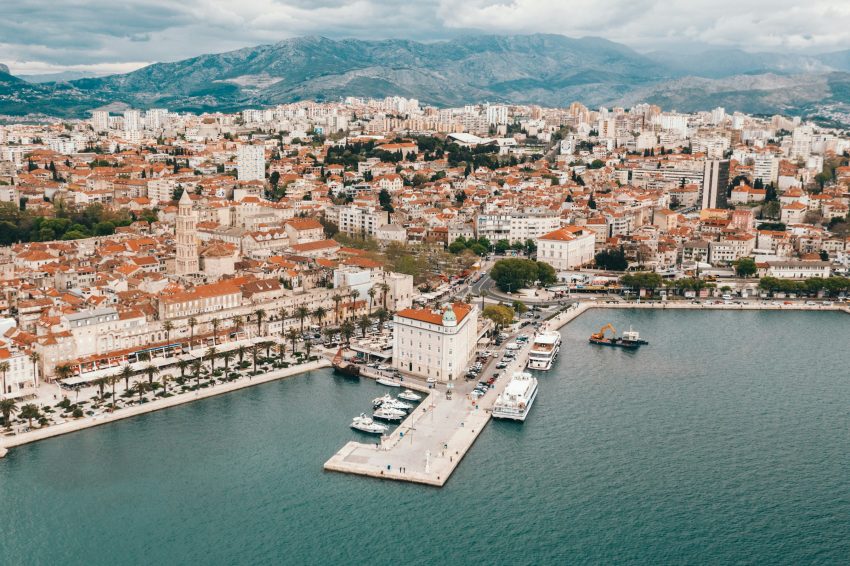
Visiting Split
3. Dubrovnik
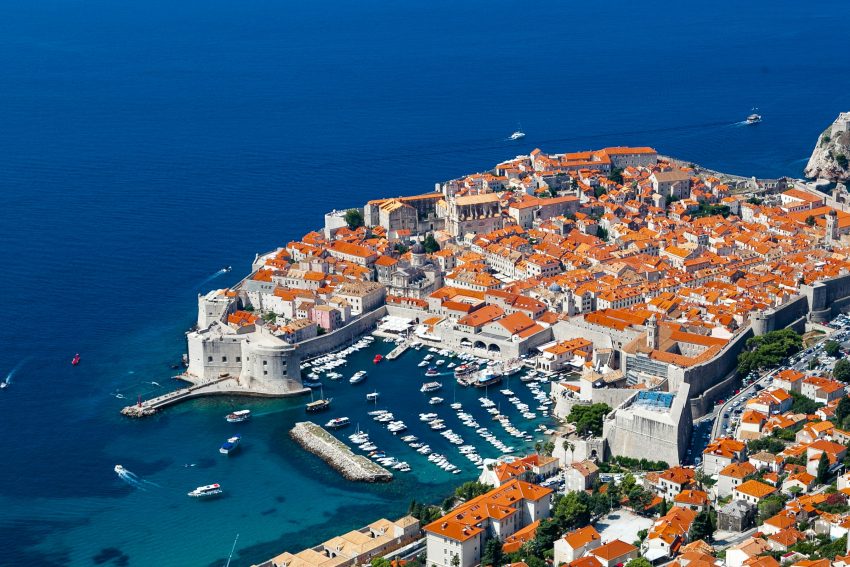
Visiting Dubrovnik
4. Trogir
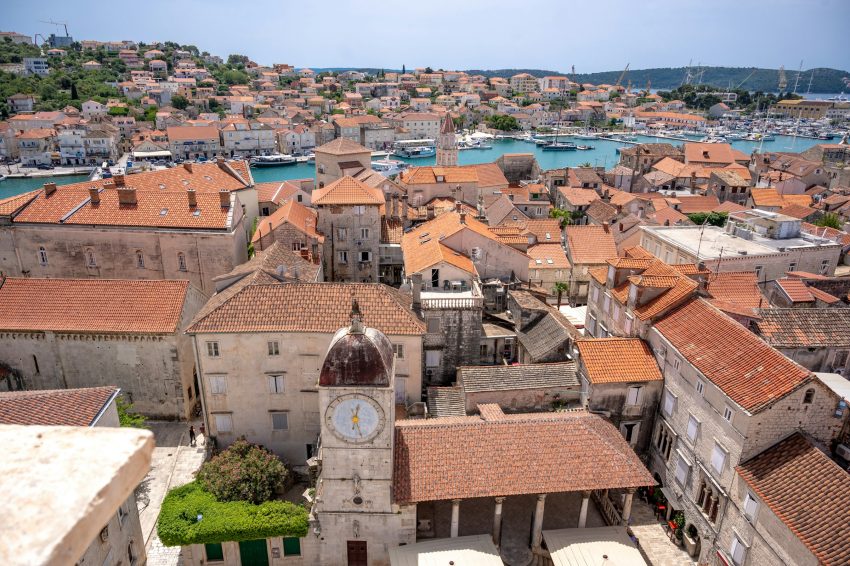
Visiting Trogir
Where to Stay in Korcula
For Korčula, the best all-round base is Korčula Old Town and the immediate waterfront, because you can walk everywhere in the historic center, reach restaurants and evening promenades without needing transport, and hop on boats and excursions easily. A strong choice here is San Teodoro, which suits travelers who want boutique comfort right by the old-town edge and easy access to both sights and swimming spots. Another convenient option near the old town is Aminess Korčula Heritage Hotel, a good pick if you want classic seafront positioning, quick access to the promenade, and a polished hotel feel for evenings in town.
If your priority is beaches and a calmer village atmosphere, stay in Lumbarda, which is close enough for quick trips into Korčula Town but feels more resort-like and wine-country adjacent. Hotel Borik works well for travelers who want to be near the water with an easygoing base for beach days, while Aminess Lume Hotel is a solid choice for modern comforts and a relaxed coastal setting that makes it easy to combine swimming with winery visits.
For a quieter, more local stay with quick access to town by car or taxi, consider the areas just outside the center around Dominče and the near-coast road, where you’ll often get more space and easier parking while still being close to everything. Port 9 Hotel is a good fit here if you want a resort-style setup with facilities and a short hop into the old town, especially in summer when parking and crowds inside the center can be challenging.
Using the our Hotel and Accomodation map, you can compare hotels and short-term rental accommodations in Korcula. Simply insert your travel dates and group size, and you’ll see the best deals for your stay.
Korcula Accommodation Map
Best Time to Visit Korcula
Korčula in Spring
Spring is one of the most comfortable times to visit Korčula: mild temperatures, greener landscapes, and fewer crowds make it ideal for walking the old town, cycling, and winery visits. Sea temperatures are cooler early on, but sunny days still suit coastal hikes and café time by the water.
Korčula in Summer (Best)
Summer is peak season in Korčula, with hot, dry weather, warm sea temperatures, and long evenings that suit swimming, boat trips, and late dinners. This is also when the cultural calendar is most lively—look out for traditional performances such as the Moreška sword dance and a busier schedule of concerts and waterfront events.
Korčula in Autumn
Autumn brings warm seas lingering into early fall, softer light, and a calmer feel once the busiest weeks pass. It’s a strong choice for food and wine experiences, as harvest-related activity and seasonal menus become a highlight while the weather remains pleasant for day trips.
Korčula in Winter
Winter is the quietest season in Korčula, with cooler temperatures, more variable weather, and limited ferry schedules compared with summer. It can still be rewarding if you want a low-key stay focused on local life, long walks, and cozy meals, but plan around reduced opening hours for some tourism-oriented businesses.
Annual Weather Overview
- January 11°C 56°F
- February 12°C 58°F
- March 14°C 60°F
- April 17°C 66°F
- May 21°C 73°F
- June 24°C 79°F
- July 27°C 84°F
- August 27°C 85°F
- September 25°C 80°F
- October 20°C 71°F
- November 16°C 64°F
- December 12°C 58°F
How to get to Korcula
Getting to Korcula by air
Nearest airports: Dubrovnik Airport (DBV) and Split Airport (SPU) are the most commonly used. From either airport, continue by bus/shuttle or taxi to the relevant ferry/fast-catamaran port, then take a sailing to Korčula Town.
Typical onward route: Airport → city/port (Dubrovnik or Split) → fast catamaran or ferry → Korčula Town.
Getting to Korcula by train
Train reality check: There is no train service on Korčula, and coastal Dalmatia has limited rail coverage. If you want to incorporate rail, you can travel by train to Split, then continue from Split port by catamaran/ferry.
Useful train operators (links): Croatia: https://www.hzpp.hr/en | International planning: https://www.oebb.at/en | Pan-European schedules: https://www.interrail.eu/en/plan-your-trip/interrail-timetable
Getting to Korcula by Car
Driving approach: Drive to a mainland port with car-ferry connections toward the island (commonly via Orebić on the Pelješac Peninsula for the short hop to Dominče near Korčula Town, or via other seasonal routes depending on schedules). Once on the island, roads are straightforward but can be narrow in places, and summer parking in Korčula Town is limited—arrive earlier in the day if possible.
Car-ferry note: Check vehicle space in high season and plan for queues on weekends.
Travelling around Korcula
On foot: Korčula Town’s old center is best explored walking; most lanes are pedestrian-only.
Local buses and taxis: Buses connect key villages and beaches in season; taxis and private transfers fill gaps, especially evenings.
Scooter/car hire: Renting a scooter or small car is a practical way to reach coves and wineries within 10 km, but drive cautiously on bends and watch for cyclists.
Boats and water taxis: In summer, short boat rides and water taxis make it easy to reach nearby islets and swimming spots without driving.