Self-Guided Walking Tour of Český Krumlov (+Maps!)
This website uses affiliate links which earn a small commission at no additional cost to you.
Český Krumlov is one of the Czech Republic's most atmospheric historic towns, set around a tight bend of the Vltava River and dominated by its vast castle complex. Its UNESCO-listed historic centre is valued for the way its medieval street plan and Gothic, Renaissance, and Baroque architecture have survived with unusual completeness. The town grew around a 13th-century castle and later became an important aristocratic seat, especially under the Rosenberg and Schwarzenberg families, whose wealth shaped much of its architectural character.
Today, Český Krumlov is best experienced slowly, by wandering between the castle courtyards, the old town lanes, river viewpoints, and Svornosti Square. The castle, gardens, Baroque theatre, museums, cafés, and riverside paths make it more than a simple day-trip stop, although it is compact enough to explore on foot. It is especially appealing for visitors who want a smaller, more romantic alternative to Prague, with strong historic atmosphere, good photography, and easy access to the South Bohemian countryside.
Table of Contents
- How to get to Český Krumlov
- A Short History of Český Krumlov
- Český Krumlov in the Medieval Town-Building Era
- Český Krumlov Through Faith, Plague, and Public Memory
- Český Krumlov as a Monastic and Cultural Center
- Český Krumlov and the Rise of the Castle City
- Český Krumlov in the Early Modern Baroque Transformation
- Český Krumlov and the Performing Arts Legacy
- Český Krumlov in the Landscape-and-Gardens Age
- Where to Stay in Český Krumlov
- Your Self-Guided Walking Tour of Český Krumlov
- Namesti Svornosti
- Radnice
- Plague Column
- Krumlov Mill
- Mestsky Pivovar
- Siroka Ulice
- Kostel Svateho Vita
- Regionalni Muzeum
- Kostel Svateho Josta
- Minoritsky Klaster
- Latran Houses
- Zamek Cesky Krumlov
- The Red Gate
- Medvedi Prikop
- Lower Castle
- Castle Museum and Castle Tower
- Upper Castle
- Plastovy Most
- Castle Baroque Theater
- Castle Gardens
How to get to Český Krumlov
By Air: The closest major airport for most international arrivals is Prague Václav Havel Airport, where you can connect onward by bus, shuttle, or a combination of train and local transport. If you're coming from elsewhere in Central Europe, you may also find workable flights into Vienna or Linz, then continue overland to South Bohemia. Plan for the final leg to be slower than it looks on a map, since the last stretch is about timing connections rather than distance. For the best deals and a seamless booking experience, check out these flights to Český Krumlov on Booking.com.
By Train: Train travel is comfortable, but it’s not usually a single direct hop. Many routes connect via České Budějovice, then continue onward with a regional service and a short local transfer to reach the historic center. If you like predictable travel days, trains are a good option-just keep an eye on connection windows and the difference between the station area and the Old Town. Train schedules and bookings can be found on Omio.
By Car: Driving gives you flexibility, especially if you're combining Český Krumlov with countryside stops, viewpoints, or smaller towns. The trade-off is parking: the Old Town core is not designed for cars, so you'll typically park at Parking P1 slightly outside the center and walk in with a small bag. If you’re staying overnight, check whether your accommodation can arrange access or advise the most convenient lot for your side of town.
How to get around the city: Český Krumlov is best done entirely on foot, and this walking tour assumes you'll be walking on cobbles, slopes, and occasional stairs-particularly around the castle levels. Taxis are useful mainly for arrival/departure with luggage, not for sightseeing. If mobility is a concern, focus your route around Namesti Svornosti, Radnice, the riverfront, and the Latrán side, then choose a single, manageable ascent into the castle rather than trying to cover every terrace in one go.
A Short History of Český Krumlov
Český Krumlov in the Medieval Town-Building Era
The shape of the town was defined early by trade, craft, and the river’s looping geography, which naturally encouraged a compact, walkable center. Namesti Svornosti emerged as the civic heart, and the Radnice (town hall) reflects that long tradition of local administration and public life centered on the main square. Streets like Siroka Ulice developed as practical connectors-wide enough for movement and commerce-while river-adjacent working sites such as Krumlov Mill anchored the town’s everyday economy, turning waterpower into flour and livelihood.
Český Krumlov Through Faith, Plague, and Public Memory
As the town matured, churches and religious institutions became both spiritual anchors and markers of status and patronage. Kostel Svateho Vita (St. Vitus Church) dominates the skyline beyond the castle, embodying the town’s prosperity and the civic pride that funded ambitious building campaigns. Smaller sacred spaces such as Kostel Svateho Josta add another layer: they speak to community devotion and the way religious life was woven into neighborhoods rather than isolated to one monumental site. The Plague Column stands as a blunt reminder that prosperity came with vulnerability-when epidemics hit, public monuments became a way to record survival, grief, and gratitude in stone at the center of daily life.
Český Krumlov as a Monastic and Cultural Center
Religious orders also shaped the town’s cultural footprint and street-level rhythm. The Minoritsky Klaster (Minorite Monastery) represents a quieter form of influence: education, charity, art, and the slow accumulation of civic memory. Nearby, the Regionalni Muzeum helps translate that layered past into a coherent story, connecting craft traditions, local governance, and the realities of town life beyond the postcard view. Even sites like Mestsky Pivovar (the historic brewery) fit this cultural tapestry-beer production wasn’t just leisure, it was part of urban supply, social space, and local identity that carried through centuries.
Český Krumlov and the Rise of the Castle City
What makes the town unmistakable is how completely it is dominated by Zamek Cesky Krumlov, a complex that isn’t a single building but a whole stacked world of courtyards, gates, and districts. The Latran Houses show how the castle’s power spilled outward into an adjacent quarter shaped by service, trade, and the needs of a major residence. Features like The Red Gate signal controlled entry and status, while Medvedi Prikop (the Bear Moat) mixes spectacle with defense and tradition-an architectural flourish that also reinforced the idea of the castle as a place apart.
Český Krumlov in the Early Modern Baroque Transformation
Over time, the castle evolved into a theater of power as much as a fortress. The split between the Lower Castle and Upper Castle helps you read that evolution on foot: each level reflects changing priorities, from control and administration to ceremony and display. The Castle Museum and Castle Tower are especially revealing-tower climbs and curated interiors tell you how rulers wanted to be seen, and how the town below was meant to look from above. The Plastovy Most (Cloak Bridge) is a signature expression of this era: dramatic, elevated, and functional, tying different parts of the complex together while turning movement into a visual statement.
Český Krumlov and the Performing Arts Legacy
One of the most distinctive survivals is the Castle Baroque Theater, which points to a period when cultural prestige became a form of political capital. Court entertainment wasn’t a side note; it was a language of influence, a way to host, impress, and project sophistication. This performing-arts legacy also changes how you experience the site today: instead of only thinking in terms of walls and defense, you start noticing stagecraft-sightlines, processional routes, and spaces designed for an audience, whether that audience stood in a hall, a courtyard, or the town itself.
Český Krumlov in the Landscape-and-Gardens Age
As fortification became less central, landscaped space gained importance. The Castle Gardens embody that shift: they extend the castle's identity beyond stone into planned nature, viewpoints, and promenades that reframe the town as scenery. This is where Český Krumlov feels most deliberately composed-less about surviving threats and more about controlling experience, turning walking routes into a sequence of reveals. Even if you only visit briefly, finishing your history-minded walk here makes sense, because it shows how the castle's relationship with the town changed from command to curation.
Where to Stay in Český Krumlov
To make the most of visiting Český Krumlov and this walking tour then you consider stay overnight at the centre. The Old Town around Namesti Svornosti is the most convenient base for an early start and a late finish, because you're steps from the square, the Radnice, and the main lanes leading toward Siroka Ulice and the riverfront. For a classic, right-in-the-middle stay, consider Hotel Dvořák Český Krumlov, Hotel Ruže, or Hotel Oldinn-all well-placed for looping back for breaks without losing time crossing the town.
If you want the castle district on your doorstep, base yourself on the Latrán side, where the Latran Houses lead naturally toward the gates and courtyards. This area is ideal if your priority is the climb into Zamek Cesky Krumlov early (before day-trippers peak) and a relaxed return in the evening. Good options here include Hotel Latrán, Hotel Bellevue, and Hotel Konvice, which keep you close to the bridge crossings and the castle approach.
For something quieter while still walkable, look just outside the busiest core along the river bends and the edges of the historic zone. You’ll still be within an easy stroll of Krumlov Mill, the Plague Column, and the lanes leading to Kostel Svateho Vita, but with a calmer feel at night and often easier luggage access. Consider Pension Galko, Hotel Arcadie, or Hotel Gold for a practical base that doesn’t sacrifice the walking-tour flow.
Your Self-Guided Walking Tour of Český Krumlov
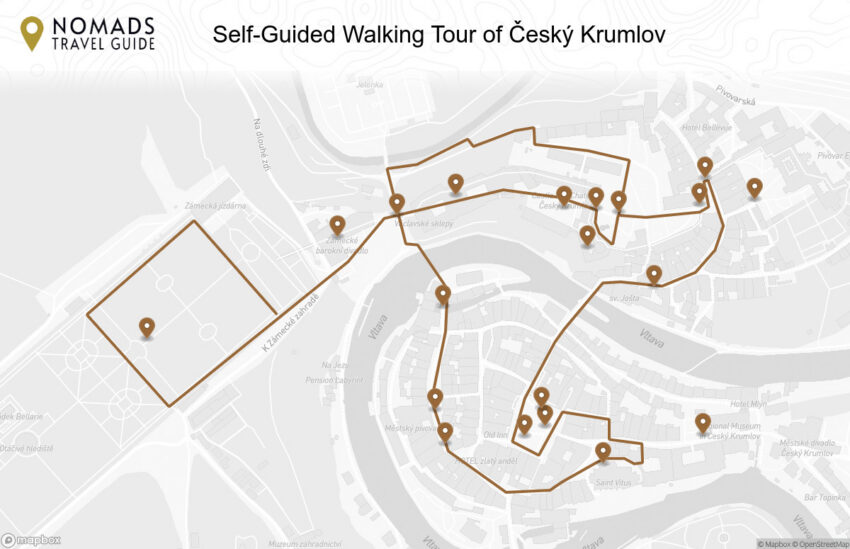
Discover Český Krumlov on foot with our walking tour map guiding you between each stop as you explore its storybook Old Town lanes, riverside turns, and castle-front viewpoints. The route links the big-name sights-Namesti Svornosti, Kostel Svateho Vita, and the castle complex-with the details that make the town feel real, from working landmarks like Krumlov Mill to cultural layers like the Minorite monastery and museum stops.
As this is a self guided walking tour, you are free to skip places, and take coffee stops when ever you want. Use the map as a backbone, then shape the day around your pace: linger at the Castle Museum and Castle Tower if you love interiors and panoramas, push onward to the Plastovy Most for dramatic angles, or finish in the Castle Gardens when you want the town to feel like a painted backdrop rather than a checklist.
1. Namesti Svornosti
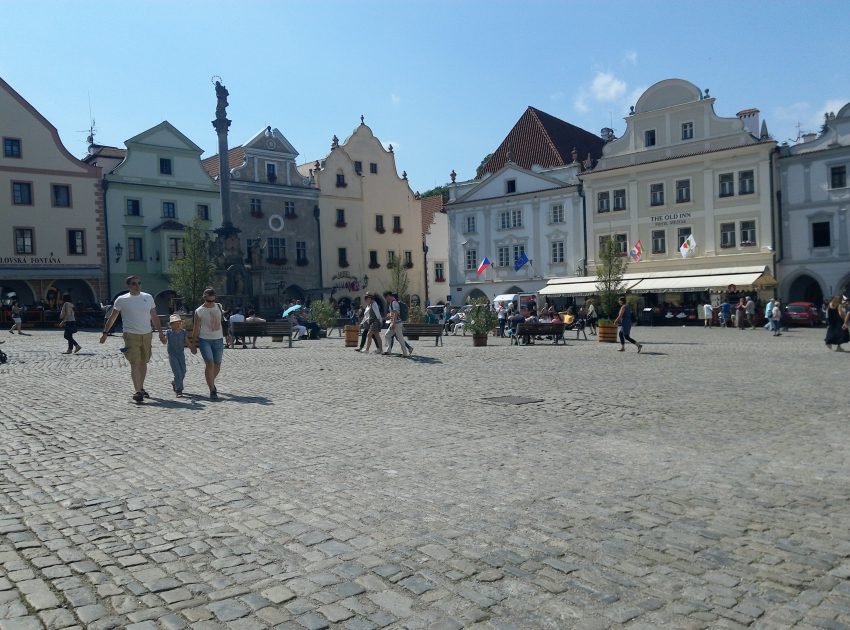
Náměstí Svornosti is Český Krumlov’s main square, formed as the planned “inner town” market space as the settlement expanded beyond the older Latrán quarter. It became the civic heart of the town, framed by burgher houses that were rebuilt and re-faced over centuries. The square’s defining monument is the Marian plague column (1714–1716), created as a public act of faith and thanks after plague outbreaks affected the town. Around it sits the stone fountain enclosure added in the 19th century, which turned the monument into the square’s visual centre. When you’re there, look up at the façades for coats-of-arms and period decorative details, then step closer to the column to see the ring of saints associated with protection and patronage. The square is also where you get the cleanest “all-in-one” sense of the old town’s layout before you slip into the smaller lanes leading toward the river and castle.
Location: nám. Svornosti, 381 01 Český Krumlov-Český Krumlov 1, Czechia | Hours: 24 Hours. | Price: Free.

2. Radnice
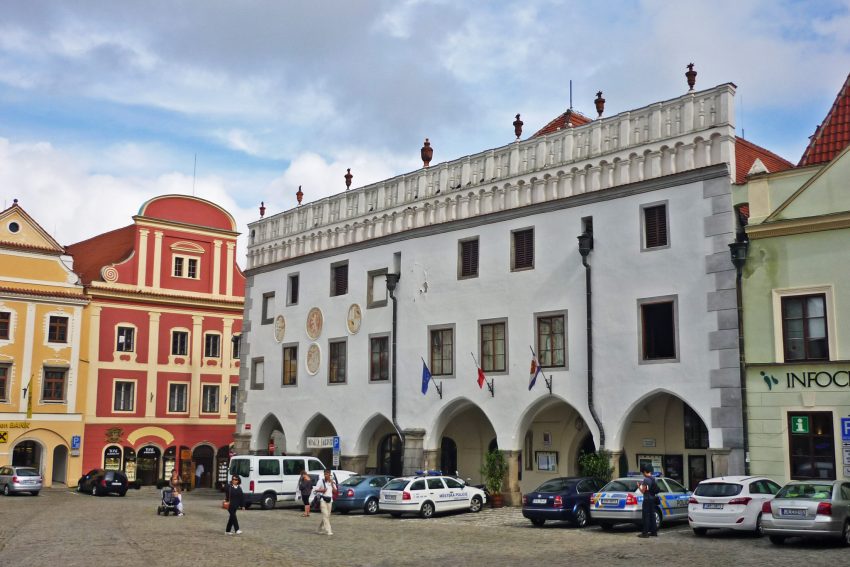
Český Krumlov’s Town Hall stands on Náměstí Svornosti and has operated on this spot since 1597. It was created by joining several older Gothic houses into a single municipal complex, later unified with a Renaissance-style façade. This building is a practical symbol of the town’s self-government as Český Krumlov grew wealthy under its noble rulers and regional trade. Architectural layers are part of the appeal here: medieval fabric underneath, then early-modern civic “front-of-house” presentation facing the square. On-site, the main thing to see is the façade’s heraldic programme and the building details that hint at its earlier life as separate houses. Even without going inside, it’s worth pausing in the entrance area to notice the civic-scale craftsmanship typical of prosperous South Bohemian towns.
Location: nám. Svornosti 1, 381 18 Český Krumlov-Krumau, Czechia | Hours: Monday: 08:00–17:00. Tuesday: 08:00–17:00. Wednesday: 08:00–17:00. Thursday: 08:00–17:00. Friday: 08:00–12:00. Saturday: Closed. Sunday: Closed. | Price: Free. | Website

3. Plague Column
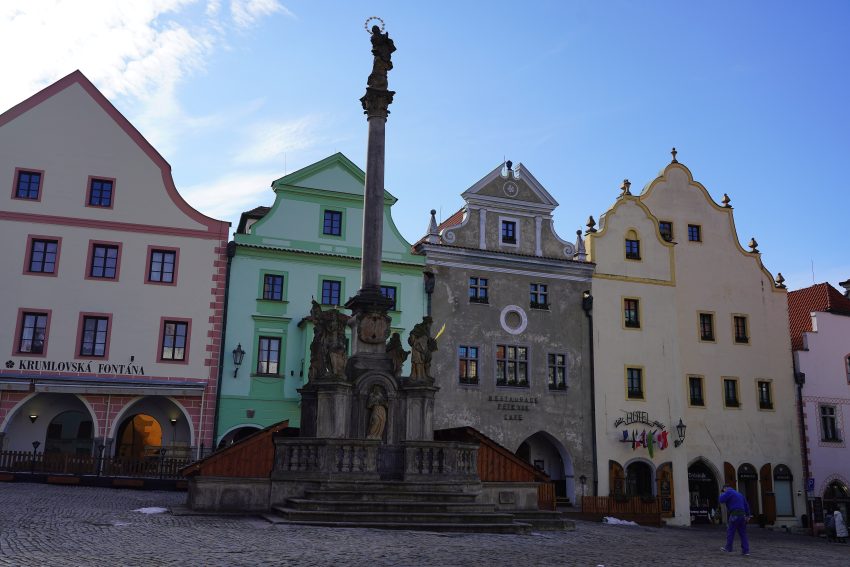
The plague column on Náměstí Svornosti is a Baroque monument built in 1714–1716, tied to the town’s memory of epidemic periods and the desire to publicly mark protection and recovery. Its sculpture decoration is associated with Matěj Václav Jäckel, and the ensemble centres on the Virgin Mary with saints connected to plague protection and local patronage. In the 19th century, the square’s stone fountain enclosure was built adjoining the column, replacing an earlier Renaissance fountain and reshaping how the monument sits in the public space. The result is what you see today: a devotional monument that also functions as the square’s focal “urban furniture.” When you visit, circle the column slowly and read it like a sculpted story: figures, symbols, and the deliberate choice of saints. Then step back to view it in context with the surrounding façades, because the column was designed to be seen as part of a complete civic stage-set.
Location: nám. Svornosti 10, Vnitřní Město, 381 01 Český Krumlov-Český Krumlov 1, Czechia | Hours: 24 Hours. | Price: Free.
4. Krumlov Mill
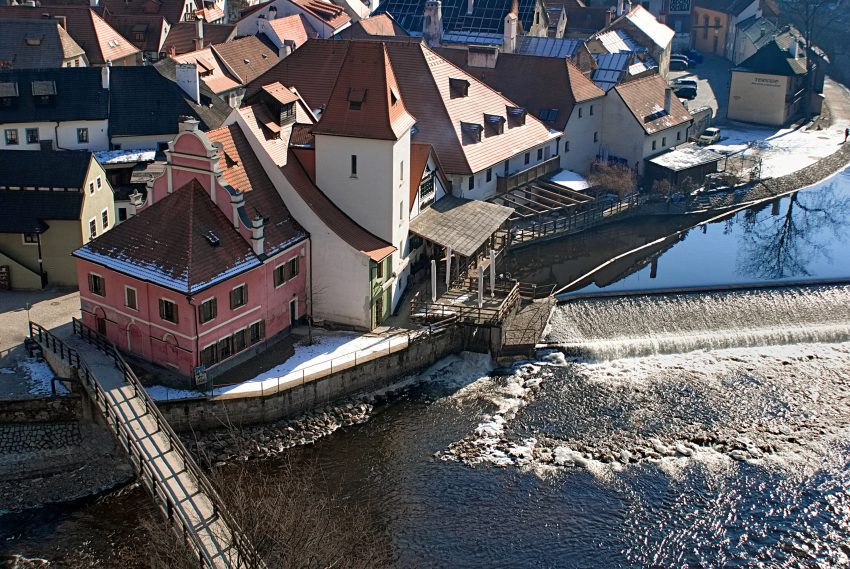
Krumlovský mlýn is one of the town’s oldest buildings, with origins mentioned as early as 1347 in connection with the Rosenberg domain. Its riverside position reflects how medieval Krumlov depended on the Vltava and water-powered industry for daily life and local economies. Over time, the mill’s role evolved beyond basic grain processing, and the building’s later layers show adaptation rather than a single “frozen” medieval form. It’s a good example of how essential service buildings in historic towns often survived by changing purpose while keeping their prime location. Today, what to see is the setting first: the river frontage and how the structure sits in the old-town fabric. The site is also associated with displays tied to motoring history in the mill premises, which adds a modern collecting-and-exhibiting layer to a medieval industrial landmark.
Location: Široká 80, Vnitřní Město, 381 01 Český Krumlov-Český Krumlov 1, Czechia | Hours: Monday – Saturday: 11:00–22:00. Sunday: 11:00–21:00. | Price: Adults: 100 Kč; Children: free. | Website
5. Mestsky Pivovar
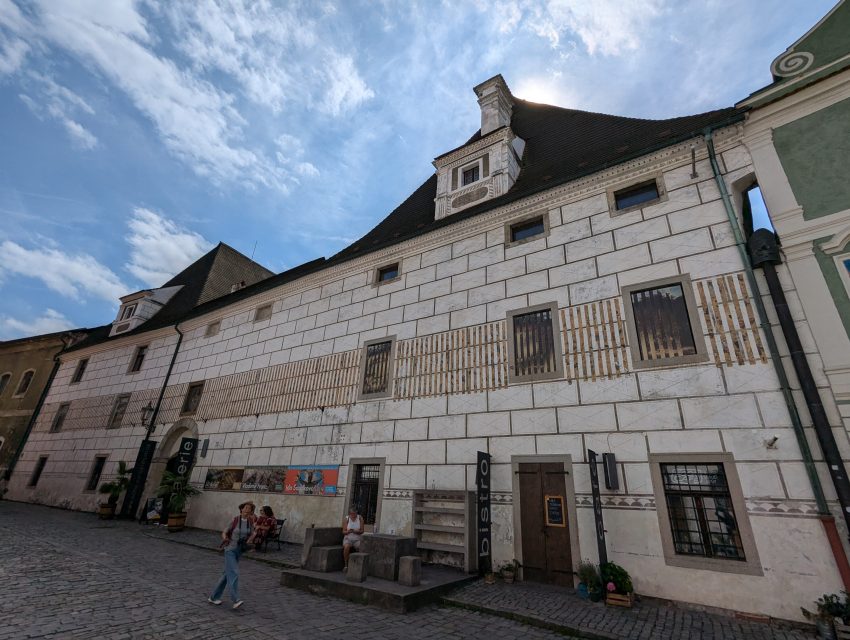
Beer has been brewed in Český Krumlov since at least the 14th century, and brewing rights and “mile law” privileges were part of how the town’s economy was organised under its lords. The local brewery tradition later became strongly associated with the Eggenbergs and then the Schwarzenbergs, reflecting shifts in aristocratic ownership and regional power. The Eggenberg-era brewery history is closely tied to the broader story of the Krumlov estate after the Rosenbergs, including later nationalisation and post-1989 ownership changes. Modern accounts of the brewery’s corporate transitions note major restructuring in the 1990s and the end of Eggenberg-branded operations at the site in the early 21st century. When you’re there, treat it as both an industrial-heritage place and a “town story” in brick and courtyards: look for older fabric that signals long production continuity. If you’re interested in local history, the brewery tradition is a direct line into how medieval privilege, noble patronage, and modern economics all shaped the same site.
Location: Pivovarská 27, Latrán, 381 01 Český Krumlov-Český Krumlov 1, Czechia | Hours: Monday – Sunday: 11:00–22:00. | Price: Restaurant entry: Free; food and drinks are paid. Brewery tours/exhibitions: Check official website. | Website
6. Siroka Ulice
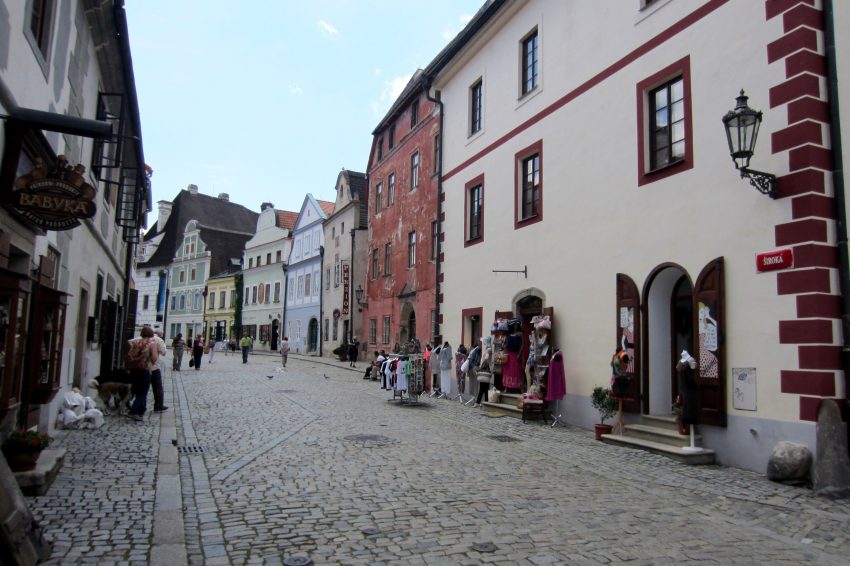
Široká Street is described as the town’s broadest street, and the name has been in use since the 18th century. Because of its width, it has served as a market space from the Middle Ages onward, which tells you a lot about how Český Krumlov organised trade within constrained medieval streets. Historically, streets like this were the “working rooms” of the town: places where goods moved, stalls appeared, and civic life spilled out beyond the main square. Even as the town changed hands and styles shifted, the street’s practical function helped preserve its role in the urban plan. What to see is the street as a piece of urban design: sightlines, façades, and how it connects into smaller lanes and toward the river. If you pause and look back along the street, you can read how market space and pedestrian flow were planned into the medieval-and-later townscape.
Location: Široká, 381 01 Český Krumlov-Český Krumlov 1, Czechia | Hours: 24 Hours. | Price: Free.
7. Kostel Svateho Vita
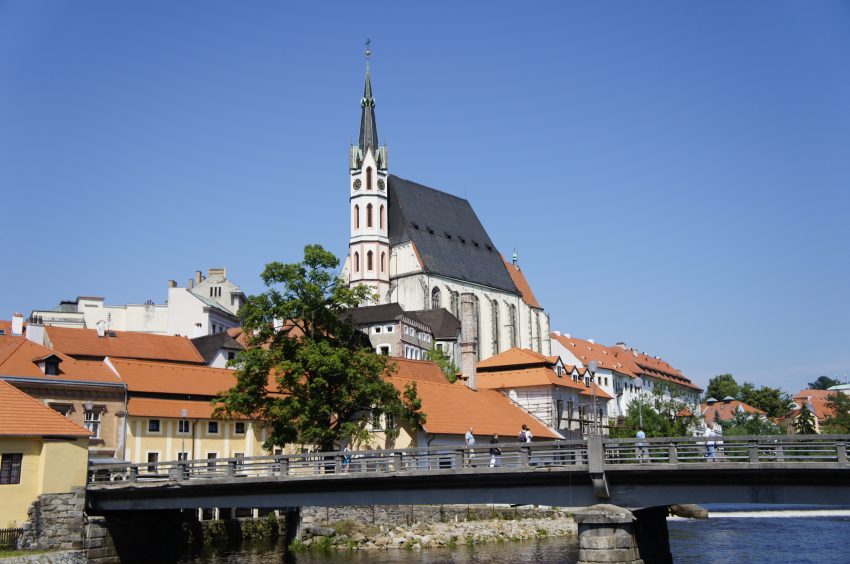
The Church of St. Vitus is one of Český Krumlov’s key late-Gothic monuments, built in the period 1407–1439 on foundations of an earlier building dated to 1309. It remained important enough to be modified and extended in later centuries, which is why you’ll notice layers beyond the core Gothic structure. As a parish church, it reflects the town’s rise and the civic identity of Krumlov’s inner community, not just the castle elite. Its later furnishings and additions show how each era “updated” the interior while the Gothic shell continued to define the building’s character. When visiting, focus on the Gothic form first—its overall massing and portals—then move inside to pick out contrasting elements like later altars and the pulpit noted in descriptions of the interior. It’s also a good place to understand how a UNESCO-level town is anchored by major ecclesiastical architecture, not only the château complex.
Location: Kostelní 381 01, 1 Český Krumlov 1, Czechia | Hours: Check official website. | Price: Free; donations appreciated.
8. Regionalni Muzeum
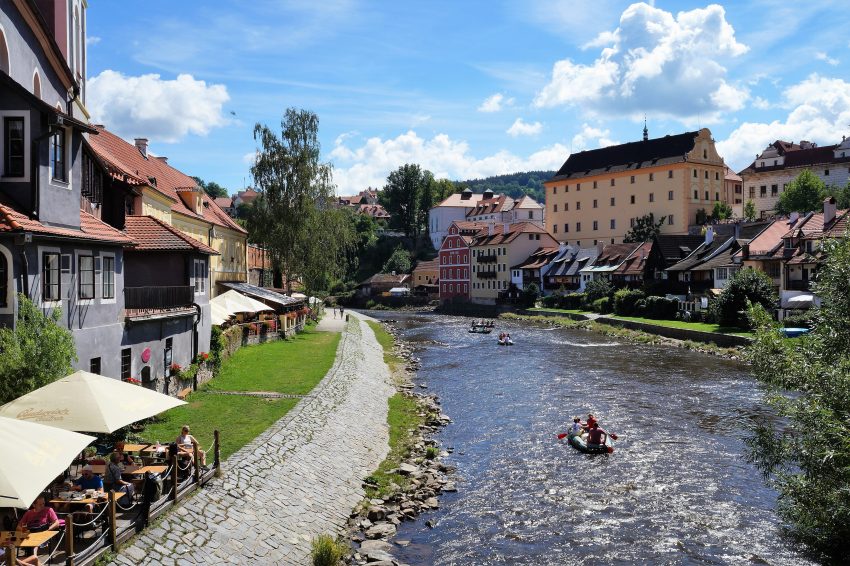
The Regional Museum in Český Krumlov presents the historic development of the region and town from prehistory to the end of the 19th century as a core permanent exposition. Its framing is explicitly regional—helpful in Krumlov, where the castle story can otherwise dominate everything you read. By anchoring the narrative in archaeology, settlement, and everyday life, it places the town within a longer South Bohemian timeline rather than treating it as a picturesque “one-era” place. The museum’s stated scope also makes it a practical companion to church-and-castle visits, because it fills in the social and economic background. What to see: start with the permanent galleries for the long view, then look for any rotating exhibitions that deepen specific periods or themes. If you want one stop that explains why this landscape produced a town like Krumlov at all, this is the most direct, curated option.
Location: Horní 152, 381 01 Český Krumlov-Český Krumlov 1, Czechia | Hours: Tuesday – Sunday: 09:00–12:00 & 12:30–17:00. Closed on Monday. | Price: Adults: 60 Kč; Concessions: 30 Kč; School groups: 30 Kč; Family ticket: 100 Kč. | Website
9. Kostel Svateho Josta
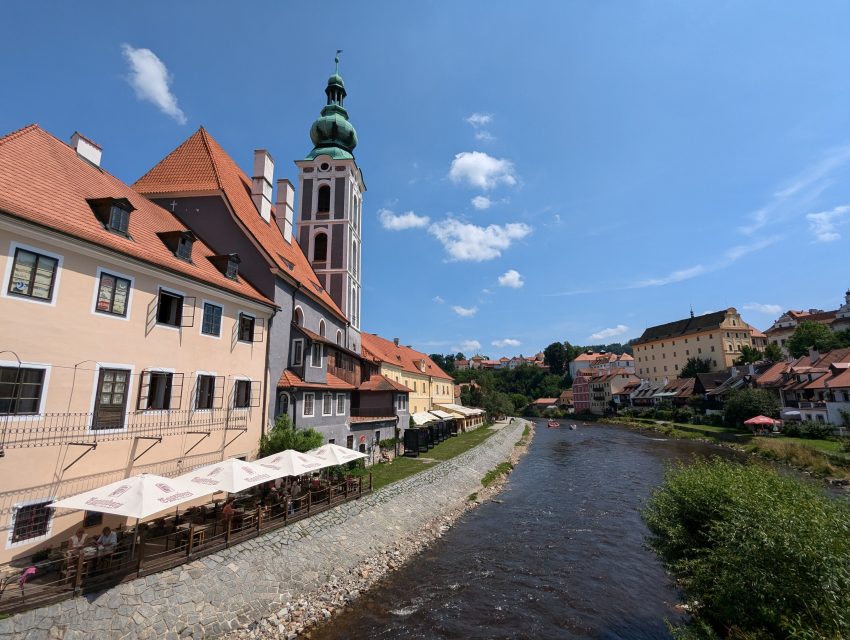
St. Jošt Church began as a chapel linked to a hospital complex established before 1334 by Peter I of Rosenberg, showing how welfare, religion, and noble patronage intersected in medieval Krumlov. In the late 16th century, Petr Vok initiated a Renaissance reconstruction, and the building’s use became entangled with confessional tensions, including a period of Protestant use before restrictions were imposed. Later, reforms under Joseph II led to decommissioning and closure in the late 18th century, which is a familiar Central European story of institutional consolidation and secularisation. The structure that remains preserves traces of the earlier Gothic fabric while also reflecting later rebuilding phases. When you visit, look for the “palimpsest” effect: medieval origins, Renaissance reshaping, and later practical changes. It’s also worth reading it as part of Latrán’s history—this wasn’t a remote chapel, but a community-linked place connected to care for the poor and sick.
Location: Latrán 6, Latrán, 381 01 Český Krumlov-Český Krumlov 1, Czechia | Hours: Check official website. | Price: Check official website. | Website
10. Minoritsky Klaster
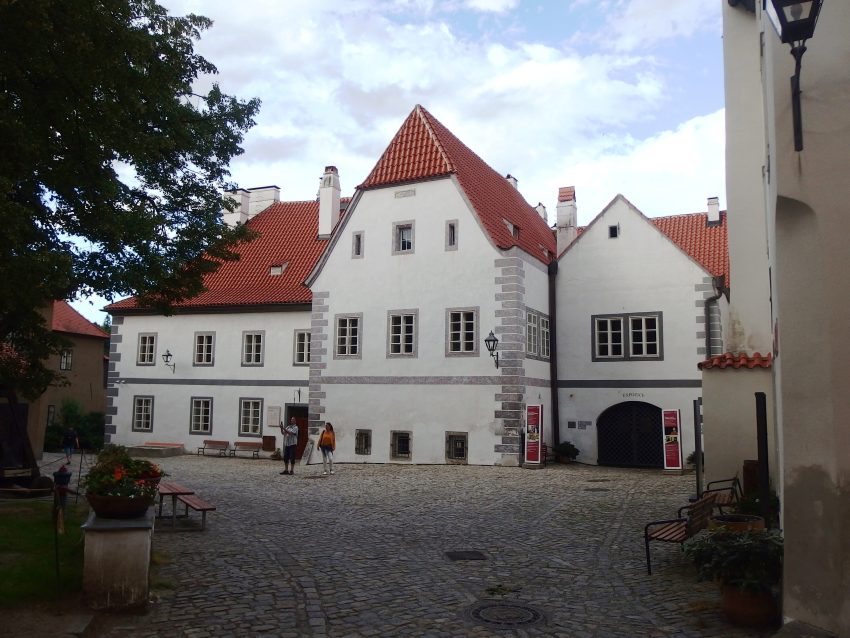
The former Minorite monastery complex in Český Krumlov is unusual for its “triple monastery” character, historically involving multiple religious communities within one broader ensemble. Today it is presented as a major cultural centre with permanent exhibitions and seasonal programming, which reflects how monastic complexes have been repurposed across the region. Architecturally, the site is approached through a Baroque gate from Klášterní Street into a courtyard known as Tramín, which then connects to the principal parts of the complex. Descriptions of the ensemble emphasise the church (Božího těla / Corpus Christi) and adjoining convent areas, plus the enclosed garden spaces. What to see: the courtyard sequence and the way the complex “opens” from street to cloister-like spaces, then whatever exhibitions are running at the time. Even if you only do a partial visit, it’s a strong counterpoint to the castle: quieter, community-scaled, and built around daily religious life rather than dynastic display.
Location: Klášterní Dvůr 97, 381 01 Český Krumlov-Český Krumlov 1, Czechia | Hours: Tuesday – Sunday: 10:30–18:00. Closed on Monday. | Price: Adults: 150 CZK; Reduced: 100 CZK; Family: 300 CZK; Under 4: free. | Website
11. Latran Houses
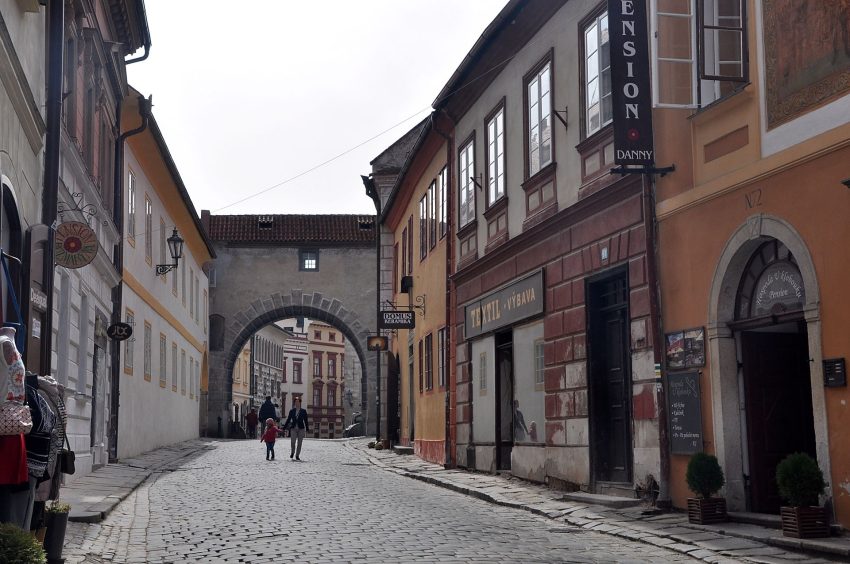
Latrán is the older part of Český Krumlov’s historic core, formed spontaneously beneath the castle and only later integrated into the town’s administration. It represents the lived-in, working settlement that grew alongside castle service, craft, and trade rather than the planned “inner town” inside the river meander. The Latrán streetscape is defined by closely packed historic houses, many of which carry long, documentable ownership and occupational histories (a common theme in the town’s building encyclopaedia entries). That continuity is the point: you’re looking at centuries of adaptation within the same urban shell. What to see is the rhythm of façades, gates, and the way the street runs toward the castle approach, including how domestic architecture sits right up against monumental power. Slow down at entrances and corners, because small details—old portals, courtyard glimpses, and rooflines—often tell the most about Latrán’s character.
Location: Latrán 56, Latrán, 381 01 Český Krumlov-Český Krumlov 1, Czechia | Hours: 24 Hours. | Price: Free.
12. Zamek Cesky Krumlov
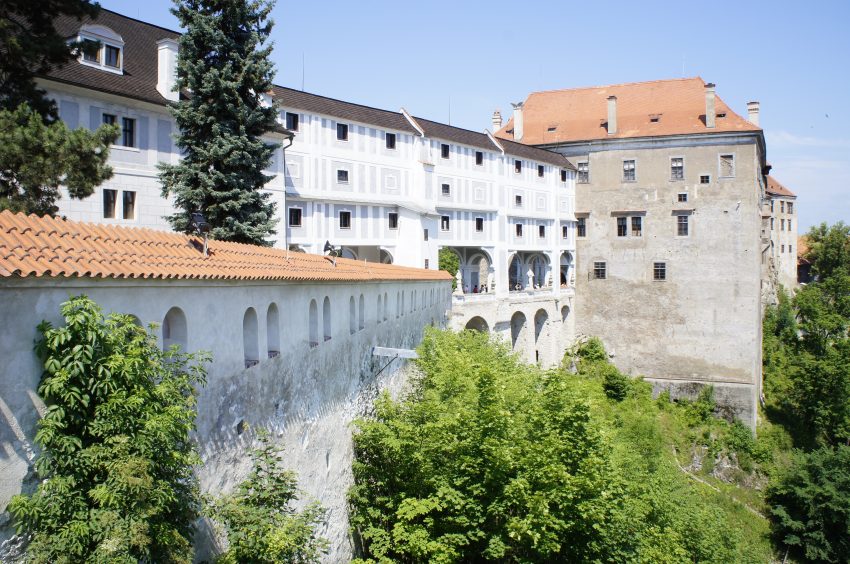
Český Krumlov Castle dates back to the 13th century (with an early castle referenced from 1253), and it developed over centuries into one of Central Europe’s major aristocratic complexes. Its fabric preserves a long sequence of architectural layers from the 14th to the 19th century, which is why it feels less like one building and more like a small city of courtyards and wings. The castle’s history tracks the town’s great ruling lines: the Rosenbergs (who drove major Renaissance changes), then the Eggenbergs (associated with Baroque additions including the theatre), and later the Schwarzenbergs. In the 20th century it transitioned into state ownership, and the broader historic centre and castle were recognised within the UNESCO listing (1992). What to see depends on how you like to read history: towers and viewpoints for the landscape logic, courtyards for the “chronology in stone,” and the theatre and gardens for high Baroque ambition. Even without entering every interior, the passage from Latrán through gates and across moats makes the castle’s defensive origins and later representational goals very clear.
Location: Zámek, 381 01 Český Krumlov-Český Krumlov 1, Czechia | Hours: (Summer) April 1 – October 31; Tuesday – Sunday: 09:00–17:00. (Winter) November 1 – December 20; Tuesday – Sunday: 09:00–15:30. | Price: From 80 CZK to 400 CZK depending on the route; Tour Route I: 300 CZK; Castle Museum & Tower: 280 CZK; Baroque Theatre: 400 CZK; Children 0–5: free. | Website
13. The Red Gate
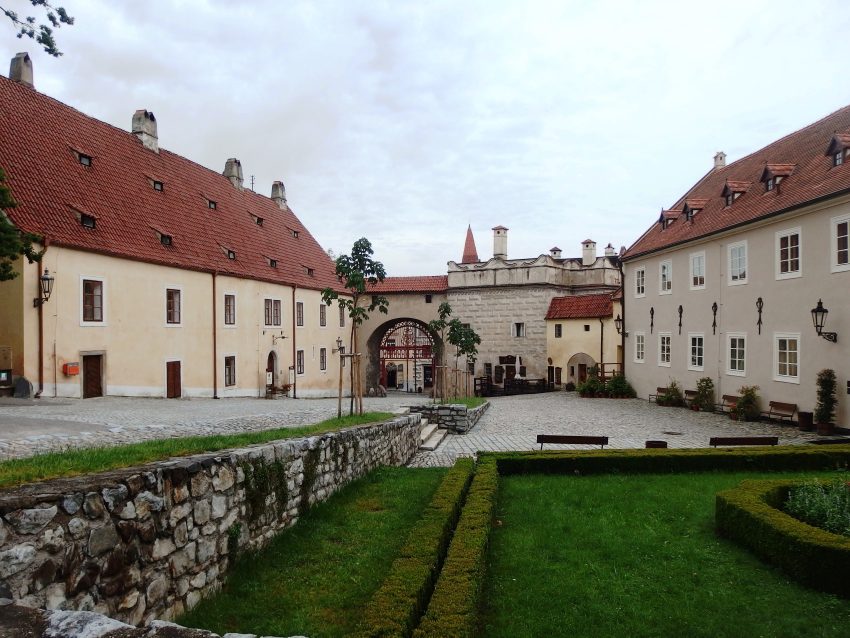
The Red Gate is the entrance from Latrán into the first courtyard of Český Krumlov Castle, acting as a threshold between the town quarter and the castle precinct. Official descriptions place it between specific castle-numbered buildings at the courtyard entrance, underlining that this is a functional gate within a larger operating complex, not just a decorative arch. As an approach feature, the gate expresses the castle’s controlled access: you move from street life into the curated sequence of courtyards. It also sets up the spatial drama of the castle, where the route keeps unfolding—courtyard after courtyard—rather than revealing everything at once. When you’re there, look at it as a framing device: the view forward into the first courtyard and the way the town compresses behind you. It’s one of the simplest places to feel how Latrán and the castle were designed to interlock, economically and physically.
Location: Zámek, 381 01 Český Krumlov 1, Czechia | Hours: 24 Hours. | Price: Free. | Website
14. Medvedi Prikop
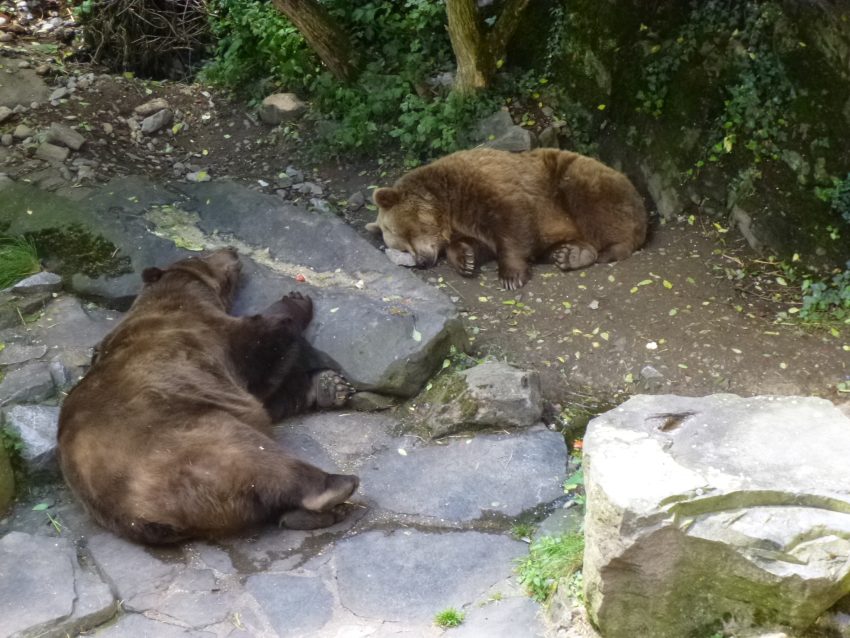
The bear moat tradition at Český Krumlov Castle is closely tied to Rosenberg identity-making and a claimed link to the Italian Orsini family, using the bear motif as heraldic theatre. Official castle history explains the symbolic logic directly: “orsa” (she-bear) and the use of bears as shield-bearers in Rosenberg imagery. Over time, the moat became one of Krumlov’s most distinctive “living” features, and it remains a debated heritage practice in modern times. The key historical point, though, is that the bears are not random decoration—they are part of the dynasty narrative the castle projected. When you visit, the best way to see Medvědí příkop is from the bridges and edges where you can understand the moat’s defensive shape as well as the symbolism layered onto it. It’s also a useful pause point before you enter deeper courtyards, because it literally sits between the outer approach and the castle’s inner world.
Location: 381 01 Český Krumlov-Český Krumlov 1, Czechia | Hours: 24 Hours. | Price: Free. | Website
15. Lower Castle
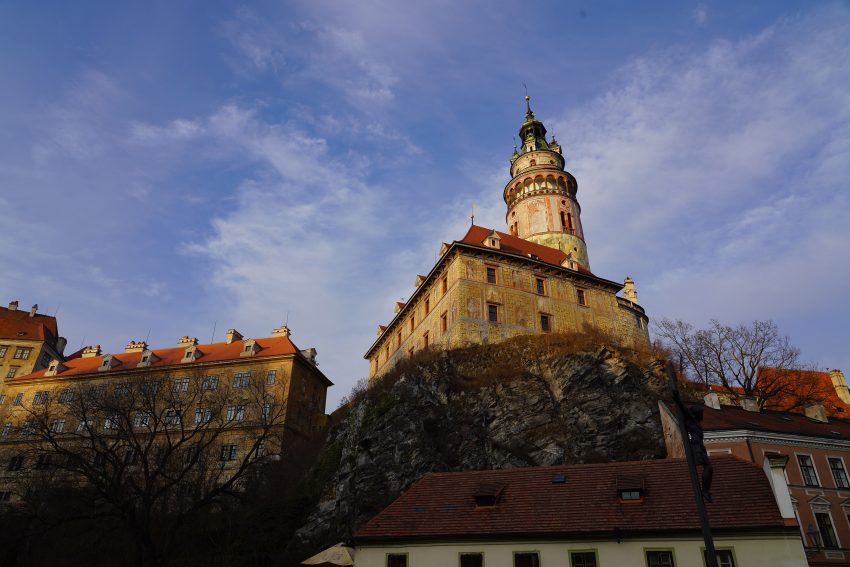
The Lower Castle (Dolní hrad) is described in town history as the older castle building, later extended by the Upper Castle as the complex grew around 1300 and into the early 14th century. In practice, it’s part of how the château evolved from an early medieval stronghold into a multi-courtyard residence. As you pass into this section, you’re moving through some of the castle’s oldest spatial logic: compact courtyards, defensive separations, and the gradual climb toward the more representational upper areas. Even summaries of the castle complex emphasise the sequence—crossing moats and moving from one functional zone to another. What to see here is the “bones” of the complex: how walls, passages, and courtyard proportions still feel closer to a fortress than a palace. It’s also where the transition to the more monumental upper sections becomes legible, because the route keeps pulling you inward and upward.
Location: Zámek 59, 381 01 Český Krumlov-Český Krumlov 1, Czechia | Hours: Check official website. | Price: Castle Garden: Free; paid tickets apply for interior routes and selected exhibitions (e.g., Tour Route I: 300 CZK; Baroque Theatre: 400 CZK; Castle Museum & Tower: 280 CZK). | Website
16. Castle Museum and Castle Tower
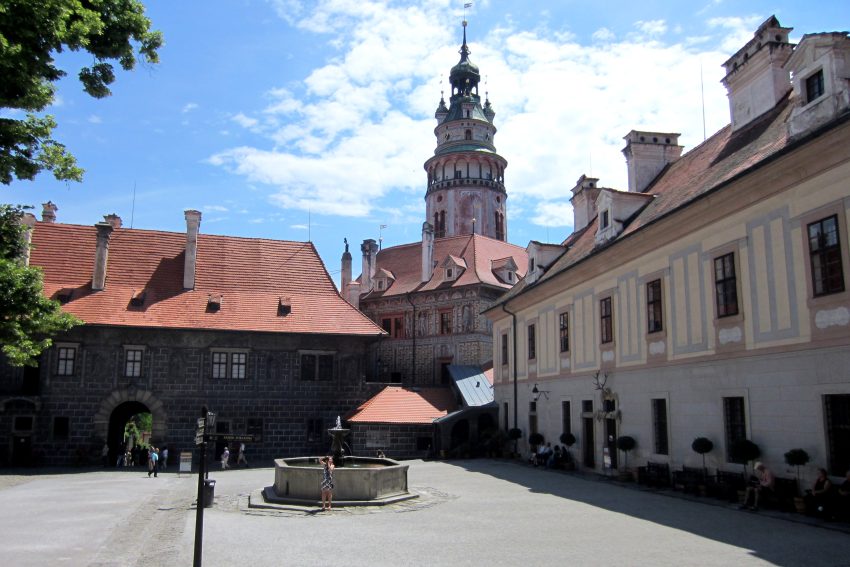
The Castle Museum and Tower sit within the Český Krumlov château grounds, with the tower’s viewing gallery positioned as the classic overview point for the town and river bends. The museum component is described as drawing on château depositories and includes a small cinematograph presentation, linking the aristocratic site to later cultural history. The tower belongs to the castle’s long story of visibility and control: from here, you understand why the castle dominates the town’s form. In heritage terms, it’s one of the most efficient places to “read” the UNESCO townscape—rooflines, church spires, and the castle’s own courtyards arranged along the rocky spur. When you visit, treat the climb as part of the experience: each level shifts the perspective on the Vltava and the old town’s tight street grid. Then use the museum rooms to ground the view with objects and curated context, so the panorama doesn’t stay purely “pretty,” but becomes historical.
Location: Latrán 3, Latrán, 381 01 Český Krumlov-Český Krumlov 1, Czechia | Hours: (Summer) April 1 – May 31: Monday – Sunday: 09:00–16:30; June 1 – August 31: Monday – Sunday: 09:00–17:30; September 1 – October 31: Monday – Sunday: 09:00–16:30. (Winter) November 1 – December 20: Tuesday – Sunday: 09:00–15:30. | Price: Adults: 280 CZK; Seniors (65+): 220 CZK; Youth (18–24): 220 CZK; Children (6–17): 80 CZK; Children (0–5): free. | Website
17. Upper Castle
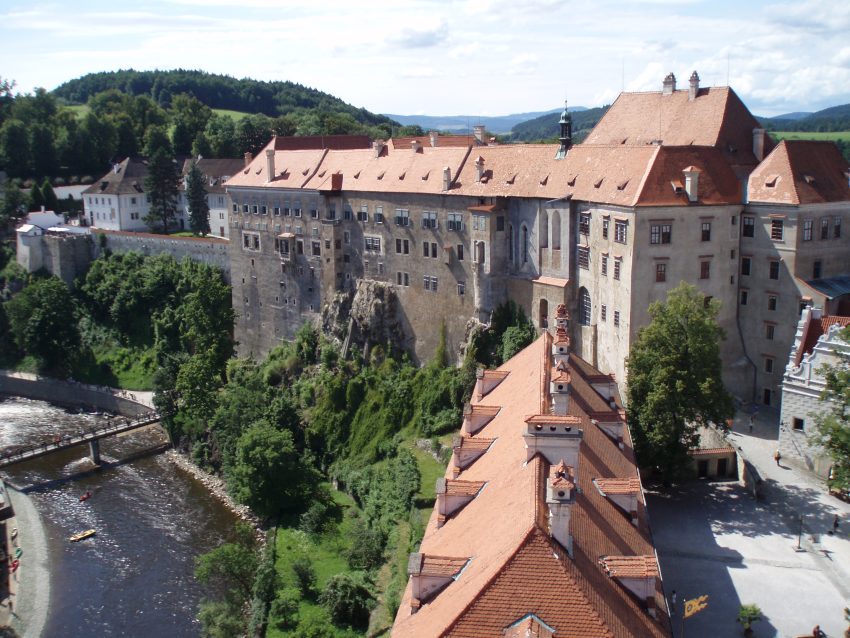
The Upper Castle (Horní hrad) represents the expansion of the complex beyond the older lower structures as the Krumlov seat grew in ambition and comfort. Descriptions of the castle’s development stress the multi-century layering that preserved material and layout from the 14th through the 19th centuries. Historically, this is where the château most clearly becomes an aristocratic residence rather than a purely defensive site, especially during major Renaissance and Baroque phases under the Rosenbergs and Eggenbergs. It’s also the section connected by major structures (like the Cloak Bridge) to performance spaces and gardens, which signals a shift toward representation and leisure. What to see is the change in atmosphere: broader courtyards, more palace-like wings, and deliberate viewpoints. If you pay attention to how corridors and bridges link spaces, you can see how the castle was designed to move people between state rooms, theatre, and garden as one continuous experience.
Location: Zámek 59, 381 01 Český Krumlov-Český Krumlov 1, Czechia | Hours: (Summer) April 1 – October 31; Daily: 07:00–19:00. (Winter) Daily: 07:00–17:00. | Price: Castle grounds/courtyards: Free. Castle Museum & Castle Tower: Full 280 CZK; Reduced 220 CZK; Children (6–17) 80 CZK; Children (0–5) free. Baroque Castle Theatre: Full 400 CZK; Reduced 320 CZK; Children (6–17) 120 CZK; Children (0–5) free. | Website
18. Plastovy Most
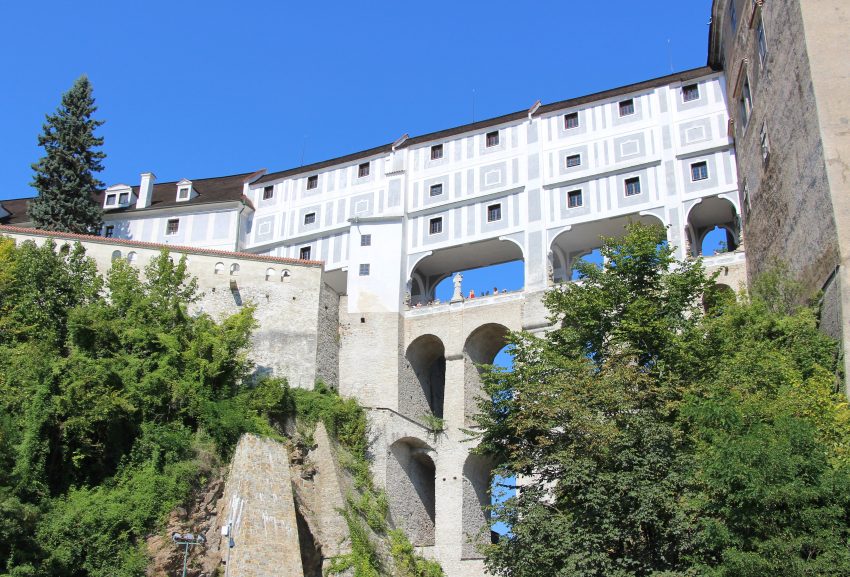
Plášťový most (the Cloak Bridge) is one of the castle’s signature Baroque structures, a multi-level covered bridge that links key parts of the complex across a deep moat. Official descriptions note its functional split: a lower passage connecting the Masquerade Hall toward the theatre, and an upper passage linking the castle gallery to the gardens. The bridge’s construction history is tied to the castle’s Baroque cultural programme, when the complex was reshaped to support courtly display, including theatre and grand garden space. It’s architecture as infrastructure: not just something you look at, but something that made the castle’s ceremonial life possible in bad weather and formal dress. When you’re there, see it from two angles: from below, where it reads like an extra castle wing spanning empty space, and from within, where the corridors frame views outward. It’s also the cleanest physical link between “indoor culture” (hall, gallery, theatre) and “outdoor culture” (gardens).
Location: 381 01 Český Krumlov-Český Krumlov 1, Czechia | Hours: 24 Hours. | Price: Free. | Website
19. Castle Baroque Theater
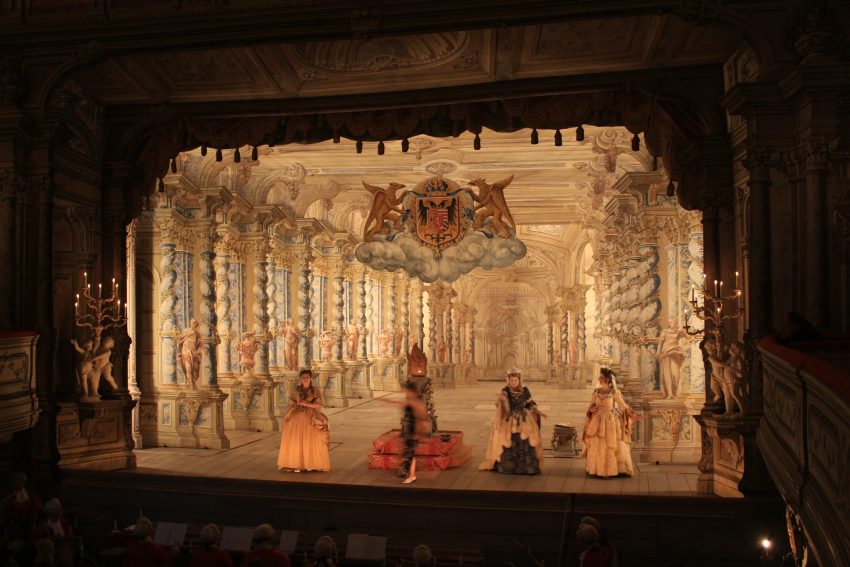
The Castle Theatre is one of the complex’s most celebrated survivals, positioned behind moats on the castle’s upper courtyards and physically linked by corridor connections from other ceremonial spaces. It is widely described as exceptionally well preserved as a Baroque theatre, with the castle’s official material emphasising its location and integrated access routes within the château. Its existence reflects the Eggenberg-era cultural ambitions at Krumlov, when performance moved from multi-use halls into a dedicated theatre environment. In other words, it marks the point where the castle’s identity becomes explicitly “courtly culture,” not only administration and defence. What to see is the theatre as a working historical mechanism: the room proportions, the relationship to adjacent halls via the bridge, and the sense of a self-contained performance world inside the larger château. Even outside the theatre itself, the surrounding courtyards make clear how the building was positioned as a destination within the castle route.
Location: Státní hrad a zámek Český Krumlov, Zámek 59, Latrán, 381 01 Český Krumlov-Český Krumlov 1, Czechia | Hours: Tuesday – Sunday: 10:00–16:00. Closed on Monday. | Price: Full: CZK 200 (Czech) / CZK 300 (foreign language); Reduced: CZK 130 (Czech) / CZK 200 (foreign language); Family: CZK 490 (Czech) / CZK 740 (foreign language); Children up to 6: free. | Website
20. Castle Gardens
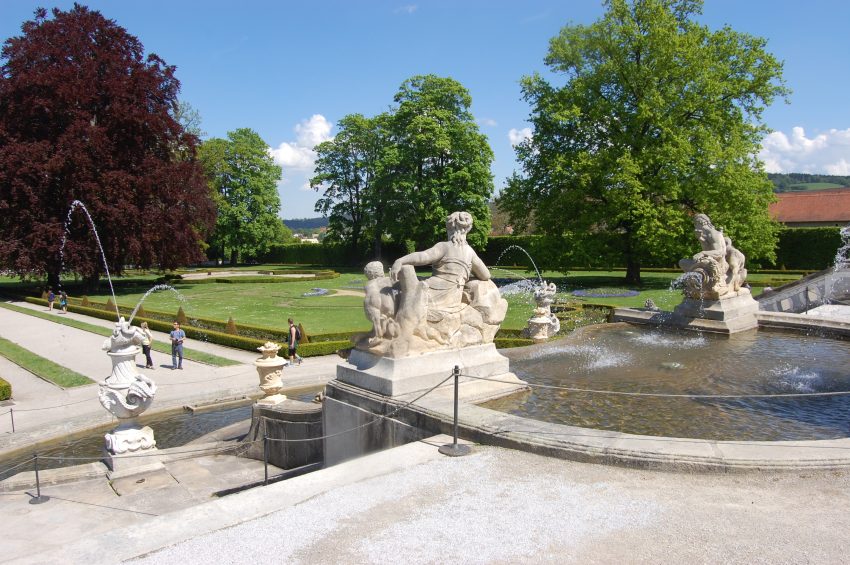
The Castle Gardens extend the château’s story into landscape design, with the cascade fountain as the main artistic landmark, built roughly mid-18th century (1750–1765) based on a design attributed to Andrea Altomonte and with sculpture by named artists. The originals are preserved in the castle lapidary while copies stand in place, which is a typical conservation approach for outdoor Baroque sculpture. In the 20th century, the gardens gained another layer of identity through the revolving auditorium installed in the late 1950s, which affected later garden plans and restorations. The castle’s own garden history notes how the presence of the auditorium constrained what could be completed in certain areas. When you visit, make the fountain your anchor point, then use paths and terraces to pick up changing views back toward the château and over the town. The gardens are where Krumlov’s Baroque “total artwork” idea becomes easiest to grasp: architecture, sculpture, water, and staged viewpoints working together.
Location: Zámek 59, Latrán 381 01, 1 Český Krumlov 1, Czechia | Hours: Daily: 07:00–17:00. | Price: Free. | Website

Moira & Andy
Hey! We're Moira & Andy. From hiking the Camino to trips around Europe in Bert our campervan — we've been traveling together since retirement in 2020!
This website uses affiliate links which earn a small commission at no additional cost to you.
Walking Tour Summary
Distance: 2.5 km
Sites: 20
Walking Tour Map