Self-Guided Walking Tour of Arnhem (2026)
This website uses affiliate links which earn a small commission at no additional cost to you.
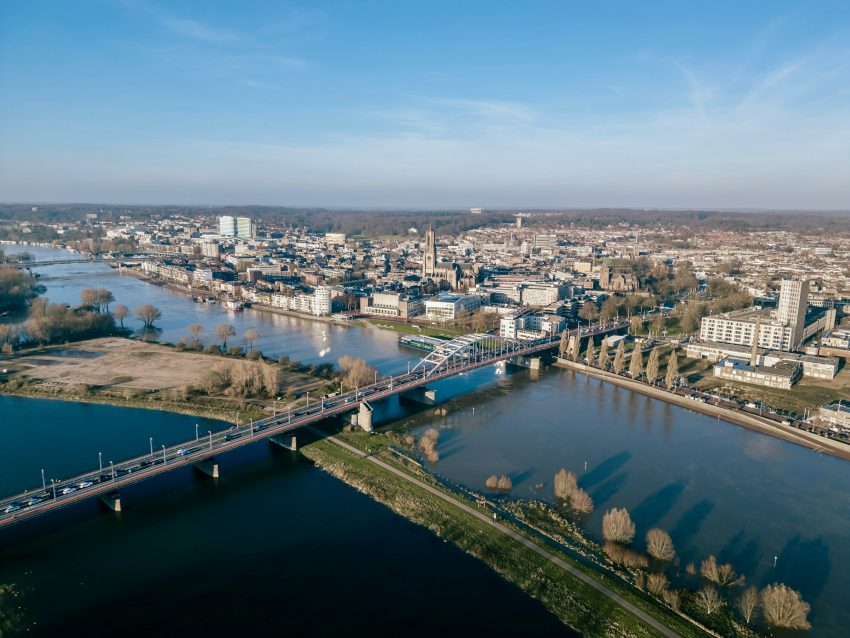
Arnhem is one of the Netherlands' most rewarding cities to explore on foot: compact in the centre, leafy at the edges, and layered with stories that range from medieval origins to pivotal moments of the 20th century. A self-guided walking tour lets you move at your own pace, duck into museums and courtyards when something catches your eye, and pause for coffee without worrying about keeping up with a group. It is also the most practical way to appreciate how the city shifts from lively shopping streets and historic pockets into broad, open spaces shaped by the Rhine.
This route is designed to feel intuitive rather than rushed, linking the best-known landmarks with quieter corners that give Arnhem its character. Along the way you will pass elegant streetscapes, cultural stops, and viewpoints that reveal the city's relationship with water, parks, and post-war rebuilding. If you are short on time, you can do a streamlined version in a couple of hours; if you want a fuller day, you can extend it with longer museum visits, a slower lunch, and detours into nearby green areas.
How to Get to Arnhem
By Air: Arnhem does not have its own commercial airport, so the simplest approach is to fly into one of the major hubs and continue overland. Amsterdam Schiphol (AMS) is the most common choice thanks to frequent international arrivals and excellent onward connections, while Eindhoven (EIN) can be convenient for low-cost carriers; Düsseldorf (DUS) is also practical if you are arriving from outside the Netherlands or western Germany. From any of these airports, you will typically continue to Arnhem by train (often via Utrecht or Nijmegen) or by hiring a car, depending on your plans and luggage. For the best deals and a seamless booking experience, check out these flights to Arnhem on Booking.com.
By Train: Arnhem Centraal is a major rail station in the eastern Netherlands with fast, frequent services that make rail the default option for most visitors. Trains from Amsterdam and Schiphol generally route through Utrecht, with good onward connections from Rotterdam, The Hague, and other Dutch cities; cross-border routes from Germany also make Arnhem an easy stop if you are coming from Düsseldorf, Cologne, or the Ruhr. Once you arrive, the city centre is immediately walkable from Arnhem Centraal, and local buses and taxis cover neighbourhoods farther out if your accommodation is not central. Train tickets and schedules are available directly through NS Dutch Railways and NS International for international services. However, for a smoother experience, we recommend using Omio, which simplifies the booking process and lets you compare prices and schedules all in one place.
By Car: Driving to Arnhem is straightforward, with the city well connected by Dutch motorways, but it is rarely the most efficient way to access the centre. Traffic can be busy at peak hours and central parking is limited and comparatively expensive, so a park-and-ride approach or using hotel parking on the outskirts can reduce both cost and hassle. If you are combining Arnhem with nearby nature areas or day trips into the Veluwe or along the Rhine, having a car can add flexibility; otherwise, consider arriving by train and only renting a vehicle for the segments where it clearly improves your itinerary.
Where to Stay in Arnhem
To make the most of visiting Arnhem and this walking tour then you consider stay overnight at the centre. The central area around Arnhem Centraal is the most practical base because you can start the route immediately, return easily for breaks, and have the widest choice of restaurants and cafés in the evenings. For a classic, full-service stay right by the station, consider Hotel Haarhuis or the well-located ibis Styles Arnhem Centre, both of which keep you within a short walk of the core sights.
If you want to be closer to the nightlife and the city’s main dining strips, aim for the city-centre streets around the Market area and the Korenmarkt. This puts you near bars, terraces, and late-opening spots, while still being walkable for the tour loop during the day. Two strong, central options here are Holiday Inn Express Arnhem and Bastion Hotel Arnhem.
For a quieter feel with more greenery and river views, look toward the Rhine-side edge of the centre, which works well if your walking tour includes museums and waterfront viewpoints. You will still be close enough to walk into the old town, but evenings tend to feel calmer than the busiest central streets. A reliable choice in this area is NH Arnhem Rijnhotel.
If you prefer a more local, design-led neighbourhood base, consider staying in Klarendal and the Modekwartier, known for creative studios and independent addresses. It is slightly away from the busiest centre but still close enough to walk or hop on quick public transport, and it can add a different texture to your Arnhem stay beyond the main shopping streets. The stand-out option here is Hotel Modez.
A Short History of Arnhem
Arnhem is first recorded in the late 9th century (as “Arneym”), and it developed at a strategic junction of routes between Nijmegen, Utrecht, and Zutphen. In 1233 the settlement was chartered and fortified by Otto II, Count of Guelders, a milestone that accelerated Arnhem's growth as a regional centre of trade and administration. By 1443 it had joined the Hanseatic League, tying the city into the commercial networks that shaped much of northern Europe's late-medieval economy.
Much of the historic core still reflects that medieval city: tight street patterns opening into market spaces such as today’s Korenmarkt, which echoes Arnhem’s long-standing role as a meeting point for merchants and everyday civic life. Defensive architecture also survives in fragments, most notably the Sabelspoort, a city gate whose origins date to 1357 and which signals the period when walls and controlled entry points defined the rhythm of movement, taxation, and security.
Arnhem’s religious and civic buildings track the city’s rise and repeated reinvention. The late-Gothic Sint-Eusebiuskerk (Eusebius Church) began construction in 1452 and became an emblem of the city’s prosperity and ambition; the church’s story is also inseparable from the patronage of the Gelderland dukes, including Karel van Gelre. Nearby, Arnhem’s town-hall complex includes the Duivelshuis tradition, strongly associated with Duke Charles of Guelders and later Maarten van Rossum, reflecting the city’s early-16th-century status politics and the consolidation of authority in prominent stone residences.
The Sint-Walburgis complex adds another layer: a community of canons settled in Arnhem in 1315, and the church that followed became one of the city's key Gothic monuments (often cited with a landmark date of 1422 in broader summaries). These ecclesiastical sites sit alongside later 19th-century additions such as the Koepelkerk, designed by city architect Antony Aytinck van Falkenstein and built in 1837-1838, which illustrates Arnhem's shift into a modernising, expanding provincial capital.
The 20th century brought Arnhem's most internationally known episode: the Battle of Arnhem during Operation Market Garden (September 1944), which devastated large parts of the city and heavily damaged landmark buildings including the Eusebiuskerk. The church was then substantially rebuilt during the post-war reconstruction period (1947-1964), underscoring Arnhem's broader narrative of loss and renewal. The city's green identity also took on new prominence through places like Sonsbeek Park-rooted in earlier estates and later shaped for public use-and the Nederlands Watermuseum, opened in 2004 in Sonsbeek, which connects Arnhem's urban story to the Netherlands' wider relationship with water and landscape engineering.
Your Self-Guided Walking Tour of Arnhem
Discover Arnhem on foot with our walking tour map guiding you between each stop as you explore its historic squares, landmark churches, atmospheric streets, and leafy parkland. This walking tour follows the city's layered story, from lively meeting points like Korenmarkt and hidden historic corners such as the Sabelspoort and the Duivelshuis to the soaring presence of Sint-Eusebiuskerk, before easing into the calm of Sonsbeek Park. Along the way you will see how Arnhem blends medieval roots, wartime resilience, and contemporary culture, all within a walkable centre shaped by the Rhine and the city's long tradition of green public spaces.
1. John Frost Bridge
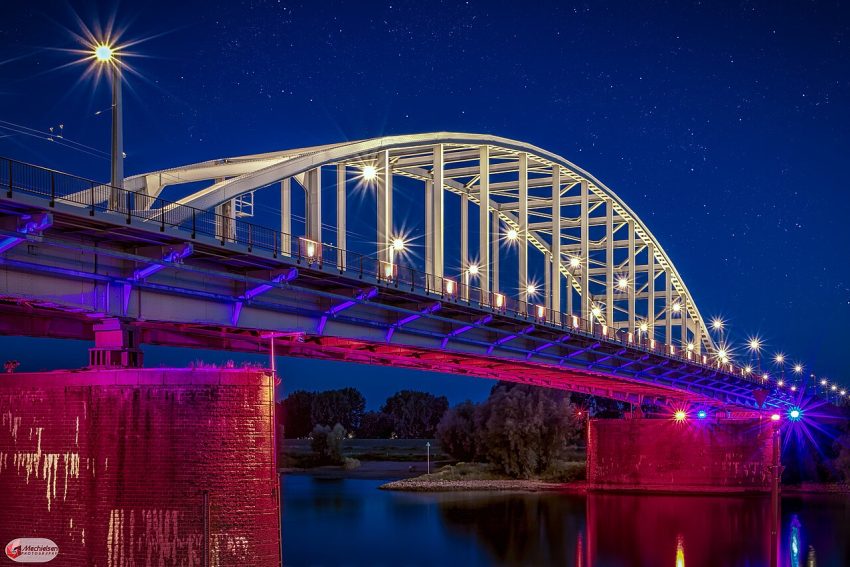
The John Frost Bridge is Arnhem’s best-known landmark from the Second World War, inseparable from the Battle of Arnhem in September 1944 during Operation Market Garden. The original road bridge became the focal point of a desperate attempt by British airborne forces to hold a Rhine crossing long enough for reinforcements to arrive, a mission that ultimately failed but left a lasting imprint on the city’s identity and memory.
The bridge you see today is a postwar reconstruction, replacing the structure that was badly damaged in the fighting and subsequent events. It is named after Lieutenant Colonel John Dutton Frost, the commander whose battalion held the northern end of the bridge against overwhelming odds, an episode that shaped how Arnhem is remembered internationally and helped cement the bridge as both a functional crossing and a major commemorative site.
What to see is the bridge in its setting rather than as an isolated object. Start from the riverfront so you can appreciate the span and sightlines across the Rhine, then look for memorial markers and interpretive details around the approaches that link the modern structure to the 1944 battle. It is also worth pairing the visit with a stop at the nearby Airborne at the Bridge information centre so the geography, the street approaches, and the logic of why the bridge mattered become clearer on the ground.
Location: Nijmeegseweg, 6841 HG Arnhem, Netherlands | Hours: 24 Hours. | Price: Free.
2. Airborne at the Bridge
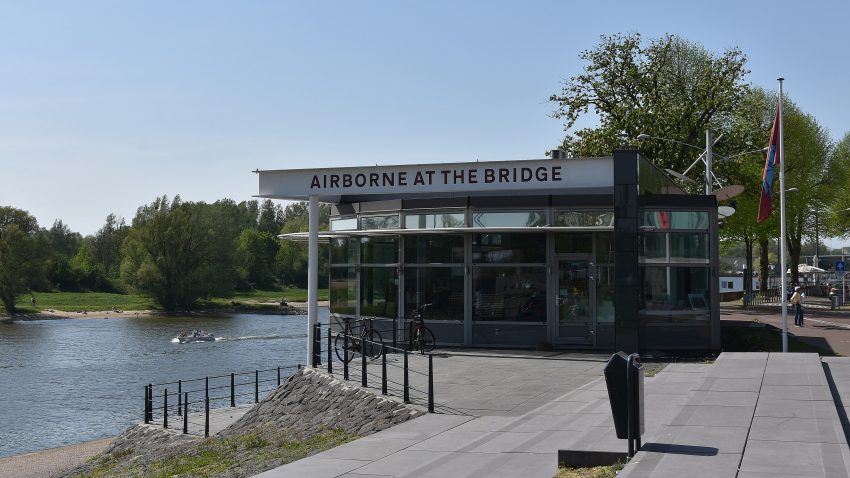
Airborne at the Bridge is a small, focused information centre dedicated to the Battle of Arnhem in September 1944, part of Operation Market Garden. It sits directly on the Rijnkade with a clear view of the John Frost Bridge, the spot most closely associated with the British airborne attempt to hold the bridge against overwhelming German resistance. The centre opened to the public in 2017 and operates as an annex of the Airborne Museum at Hartenstein in Oosterbeek.
What distinguishes this site is the way it frames the battle through individual experience rather than only strategy and chronology. The exhibitions use personal stories from multiple perspectives, including British, German, and Dutch figures connected to the fighting at the bridge, helping visitors understand how rapidly the situation escalated and how contested this stretch of riverfront became. That approach gives the site emotional clarity without requiring a long museum visit.
What to see begins with the view itself: stand at the windows and look out toward the bridge to anchor the narrative in real geography before you explore the displays. Inside, look for the story-led exhibition elements that explain why the bridge mattered, how the fighting unfolded around the immediate approaches, and how the events here relate to the wider Arnhem and Oosterbeek battlefield area.
Location: Rijnkade 150, 6811 HD Arnhem, Netherlands | Hours: Daily: 10:00–17:00. Closed on Christmas Day, King’s Day, New Year’s Day. | Price: Free. | Website

3. Sabelspoort

Sabelspoort is one of Arnhem’s surviving city gates and a tangible reminder that the historic core was once defined by walls and controlled entry points. City gates were practical infrastructure for defence and administration, but they were also symbolic markers of status, announcing the threshold between the city’s protected interior and the wider region beyond.
The gate’s value lies in how clearly it signals an older Arnhem that was tighter, more regulated, and more defensive in posture. Even when the walls themselves no longer dominate the cityscape, a gate like this helps you reconstruct the historic boundary in your imagination and understand why certain streets run where they do.
What to see is the gate’s form and the way it frames movement. Approach from both sides to experience how it shapes perspective, then look closely at materials, masonry changes, and decorative elements that hint at different phases of use and later preservation.
Location: Markt, 6811 CG Arnhem, Netherlands | Hours: 24 Hours. | Price: Free. | Website
4. Sint-Eusebiuskerk
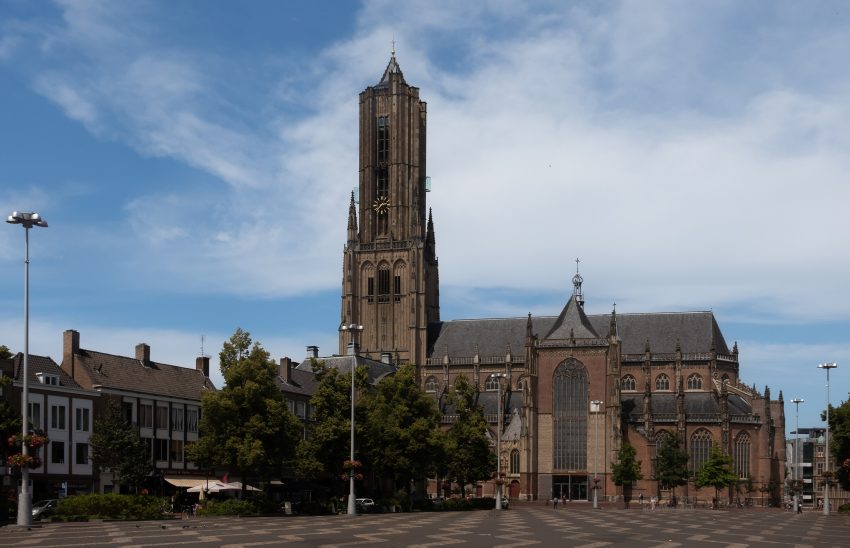
Sint-Eusebiuskerk is Arnhem’s most prominent church and a defining landmark in the city skyline, reflecting centuries of religious and civic importance. As with many major churches in the region, it has been shaped by successive building phases, changes in patronage, and later restoration, which means the building is best understood as a long-lived civic project rather than a single moment in time.
The church is also closely tied to Arnhem’s modern history, including wartime damage and rebuilding, which adds a layer of poignancy to its presence in the city centre. The contrast between older architectural ambition and later repair work is part of what makes the structure feel honest rather than overly polished.
What to see includes the exterior massing, key interior spaces if open, and especially the tower experience if available. Elevated views provide a clear sense of Arnhem’s layout, the river landscape, and how the historic core is stitched into the wider city.
Location: Kerkplein 1, 6811 EB Arnhem, Netherlands | Hours: Daily: 10:00–17:00. Closed on: 1 January; King’s Day; Easter Sunday; Whit Sunday; 25–26 December. | Price: Adults €16.50. | Website
5. Duivelshuis
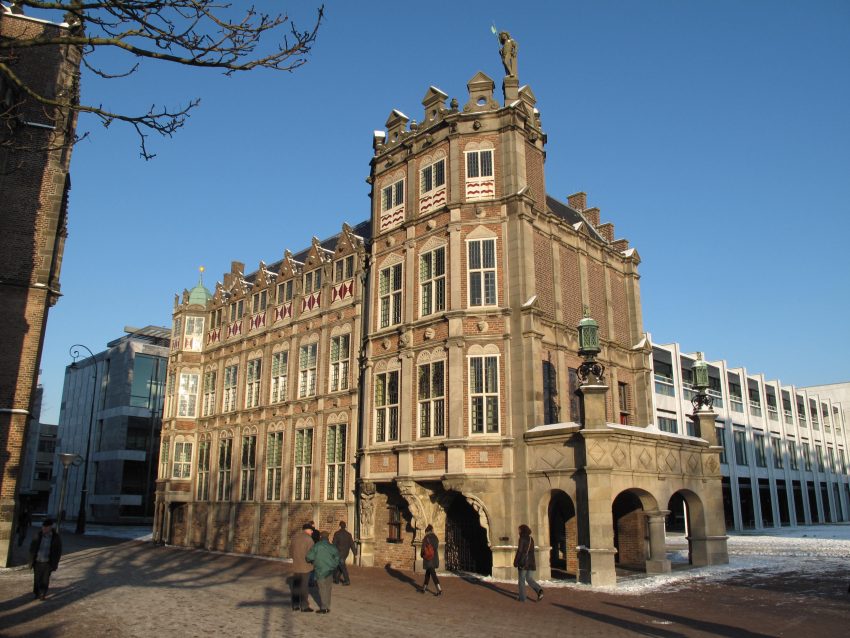
Duivelshuis is one of Arnhem’s most distinctive historic buildings, known for its unusual decorative features and its long civic afterlife. Like many prominent town buildings, it has carried different functions across time, shifting with the city’s administrative needs and the repurposing of older structures as Arnhem modernised.
Its nickname and identity are closely tied to sculptural details that give the façade a memorable character. Buildings like this often become local reference points because they combine recognisable imagery with a central position in the city’s story, surviving as visual anchors even when surrounding streets change.
What to see is the façade and its sculptural ornamentation, best appreciated at a slower pace and from a slight angle that reveals depth. Also notice the building’s placement in the street network, because its prominence is not accidental; it sits where civic and commercial movement historically intersected.
Location: Koningstraat 38, 6811 CD Arnhem, Netherlands | Hours: Monday: 12:00–20:00. Tuesday: 09:00–17:00. Wednesday: 09:00–17:00. Thursday: 09:00–17:00. Friday: 09:00–17:00. Closed on Saturday, Sunday. | Price: Free. | Website
6. Rozet
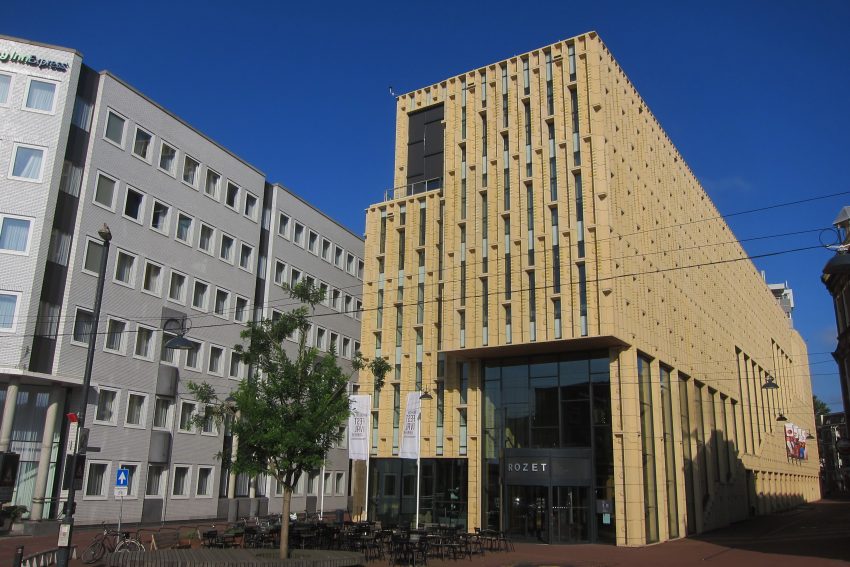
Rozet is Arnhem’s flagship cultural building, combining the city library with learning spaces and the Heritage Centre that collects and presents Arnhem’s local history. Architecturally it is designed as a public “city interior,” with a long, stepped interior route that functions like a walk-through street rising through the building, turning the act of moving between floors into part of the experience.
The building was officially opened on 10 December 2013 by Princess Beatrix and was designed by Neutelings Riedijk Architects. The Heritage Centre within Rozet is positioned as an accessible bridge between past and present, using objects and stories to explain Arnhem and the surrounding area in a way that is more immediate than a traditional, label-heavy museum.
What to see starts with the building itself: the dramatic internal stairway and the continuous display walls that often host rotating exhibitions along the route upward, followed by the panoramic terrace on the upper floors for city views. In the Heritage Centre, look for locally specific objects and curated stories that connect Arnhem’s streets and neighbourhoods to the wider regional timeline, making it a strong stop if you want context before or after the older monuments in the centre.
Location: Kortestraat 16, 6811 EP Arnhem, Netherlands | Hours: Monday – Friday: 08:30–22:00. Saturday: 08:30–17:00. Sunday: Closed. | Price: Free. | Website
7. Stichting Historische Kelders Arnhem

Stichting Historische Kelders Arnhem preserves and interprets Arnhem’s historic underground cellars, which are remnants of the city’s older fabric of storage, trade, and everyday urban infrastructure. In many Dutch cities, cellar systems developed because merchants and households needed cool, secure spaces for goods, and because dense building patterns encouraged the use of underground volume.
The historical value is less about a single spectacular chamber and more about what the network suggests: Arnhem as a working city with a layered built environment where commercial life was literally embedded beneath the streets. These spaces often survive in fragments, and guided access and conservation work are what make them legible rather than mysterious voids.
What to see is the construction itself: brick vaulting, structural arches, changes in masonry that suggest different phases, and the relationship between cellar and street level. Pay attention to how narrow lanes and older plots above ground correlate with the positioning and feel of the spaces below.
Location: Oude Oeverstraat 4A, 6811 JX Arnhem, Netherlands | Hours: Wednesday – Saturday: 12:00–17:00. (Special) First Sunday of the month: 12:00–17:00. Closed on Monday, Tuesday, Sunday. | Price: Adults: €6 (self-guided) or €10 (guided tour); Youth 13–18: €6 (self-guided) or €7.50 (guided tour); Children 4–12: €4.50 (self-guided); Children under 4: free (with paying adult). | Website
8. Korenmarkt
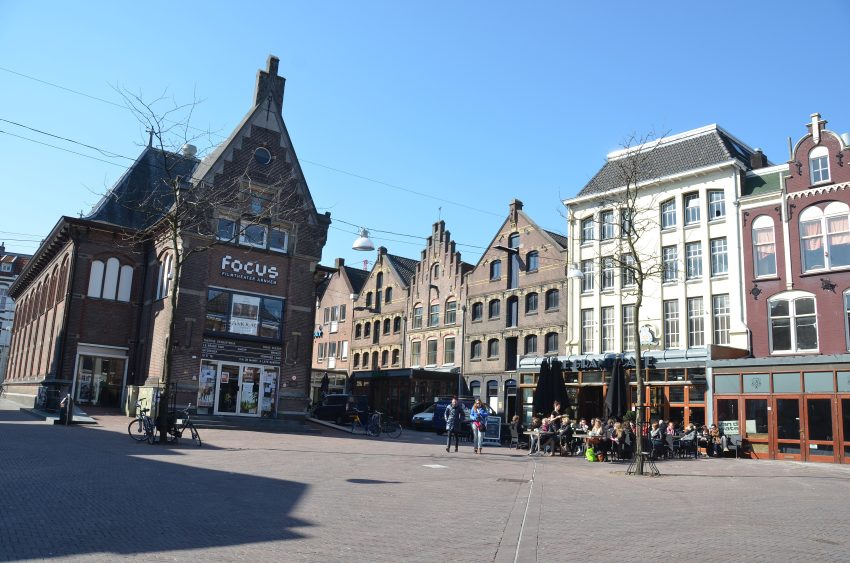
Korenmarkt is one of Arnhem’s liveliest historic squares, shaped by the city’s long role as a regional trading centre. The name points to its past as a grain market, and even though the commercial function has shifted over time, the square still reads as a meeting point where movement, commerce, and social life converge.
What makes Korenmarkt useful for understanding Arnhem is how it sits at the seam between the older street pattern and more modern city circulation. The surrounding façades and street widths hint at earlier market logistics, while the present-day terraces and bars show how the square has been reoccupied as a social hub.
To get the most from a stop here, look beyond the café scene and read the edges: how the streets feed into the square, how sightlines pull you toward the historic core, and how the square feels different at quieter hours when the urban form is easier to appreciate.
Location: Korenmarkt, 6811 Arnhem, Netherlands | Hours: 24 Hours. | Price: Free.
9. Park Sonsbeek
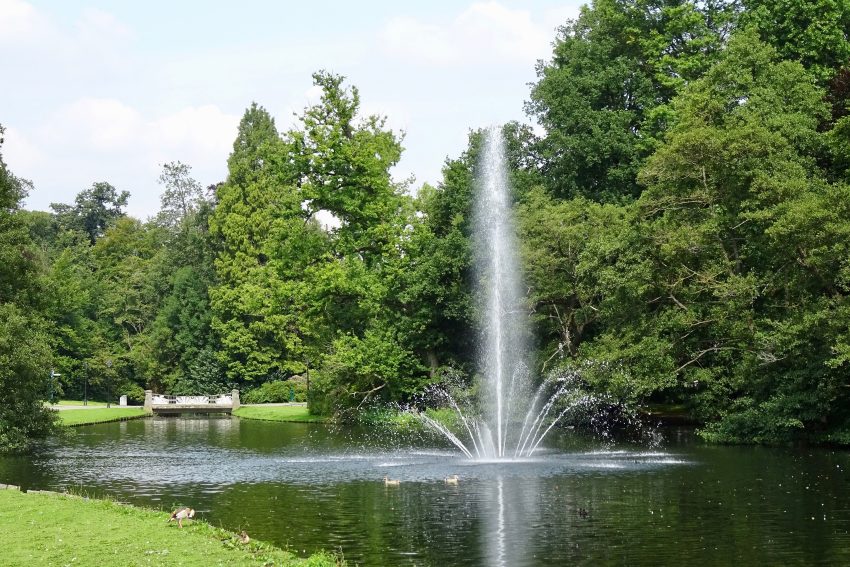
Sonsbeek Park is Arnhem’s most celebrated green space, valued for its landscape design, relief from dense urban streets, and the way it blends nature with curated park structure. Parks of this type often reflect a civic ideal: access to greenery and scenic walking space as part of a healthy, liveable city.
Historically, the park’s character is shaped by the traditions of landscaped estates and later public park development, where paths, water features, and viewpoints were arranged to create a sequence of experiences. The result is a space that feels both natural and intentionally composed, with enough variation to reward longer time on site.
What to see includes the broader landscape transitions, water features, and viewpoints, plus any notable structures or gardens encountered along the main paths. The park is also a strong place to observe Arnhem’s rhythm, with locals using it for everyday leisure rather than treating it as a one-off attraction.
Location: Zijpendaalseweg 24A, 6814 CL Arnhem, Netherlands | Hours: 24 Hours. | Price: Free. | Website
10. Nederlands Watermuseum
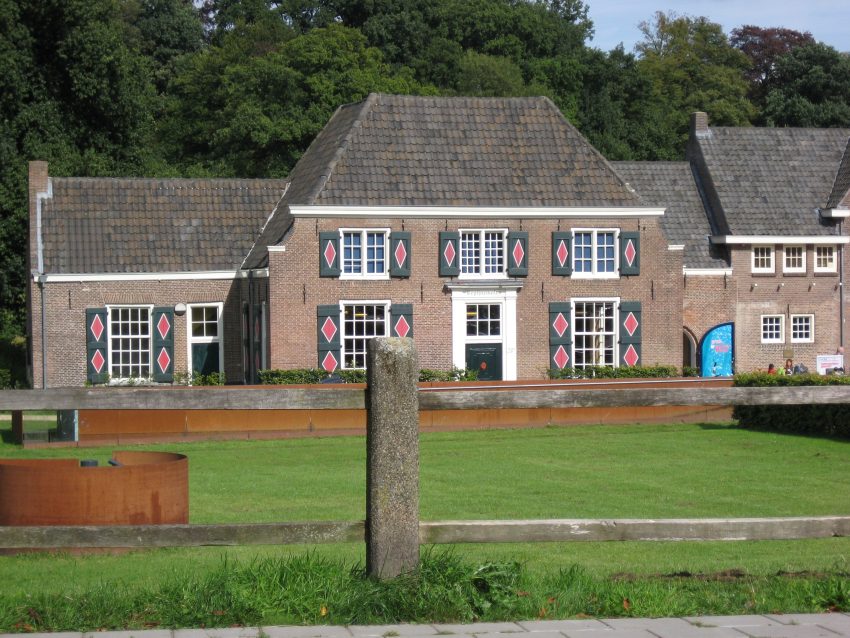
The Nederlands Watermuseum focuses on the Netherlands’ defining relationship with water: management, engineering, ecology, and daily life in a country where water is both resource and constant risk. In Arnhem, it also makes contextual sense because the region’s landscape and river systems are closely tied to how the city developed, where it could expand, and how it protected itself.
The museum’s theme sits at the intersection of infrastructure and environment, which is a central Dutch story. Flood control, canals, drinking water, and the engineered landscape are not abstract topics here; they are the background conditions that made Dutch urban life possible and shaped national identity.
What to see is the way concepts are made tangible through exhibits and demonstrations. Focus on sections that connect engineering choices to lived outcomes, such as how water is cleaned, moved, and controlled, and how decisions about water shape cities, agriculture, and nature.
Location: Zijpendaalseweg 26-28, 6814 CL Arnhem, Netherlands | Hours: Tuesday – Friday: 12:00–17:00. Saturday – Sunday: 10:00–17:00. Closed on Monday. | Price: Check official website. | Website
11. Koepelkerk
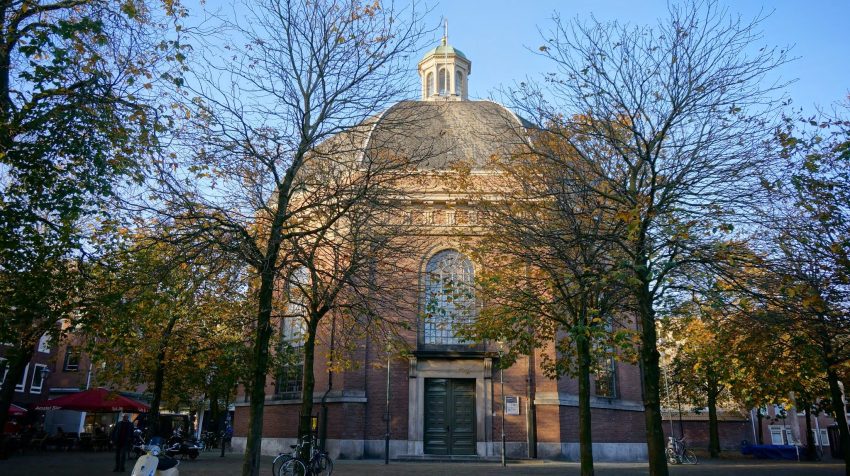
Koepelkerk is notable for its domed form, which sets it apart within Arnhem’s church landscape and reflects a period when Protestant church architecture experimented with centralised plans and strong acoustics for preaching. Domed churches often emphasise the congregation gathered around the spoken word, and the geometry is usually intended to focus attention inward.
The building’s history is tied to Arnhem’s growth and changing religious life, when new neighbourhoods and new congregational needs shaped the city’s ecclesiastical footprint. Even when you are not deeply interested in denominational history, the architecture communicates a clear idea: space designed for assembly, clarity, and collective experience.
What to see is the exterior silhouette and the interior spatial effect if access is possible. Stand beneath the dome to appreciate scale and proportion, and notice how the plan directs sightlines compared with more traditional long-nave churches.
Location: Jansplein 60, 6811 GD Arnhem, Netherlands | Hours: Monday: Closed. Tuesday: 12:00–14:00. Wednesday: Closed. Thursday: Closed. Friday: Closed. Saturday: Closed. Sunday: 10:00–11:30. | Price: Free; donations appreciated. | Website
12. St. Walburgiskerk
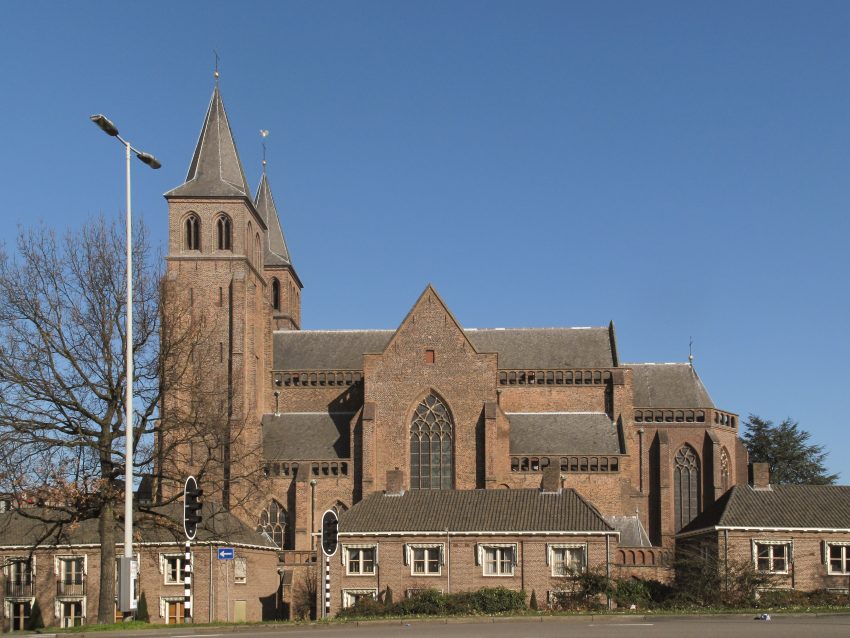
St. Walburgiskerk or Sint-Walburgisbasiliek is one of Arnhem’s important religious sites, associated with the older ecclesiastical landscape of the city and the continuity of Catholic presence through periods of change. The term basilica points to its status and significance rather than merely its size, and it typically signals a church with a recognised role in regional religious life.
Historically, churches like this served more than worship. They anchored neighbourhood identity, hosted confraternities and charitable activity, and acted as repositories of art, memory, and local patronage. Over time, renovations and liturgical shifts can alter interiors, which makes careful looking more rewarding than a quick visit.
What to see includes the spatial character of the nave and chapels, the quality of key artworks or altars if present, and the way the building’s atmosphere differs from more monumental Protestant church interiors. Quiet time inside often reveals details of craft and devotion that are easy to miss at first glance.
Location: Sint Walburgisplein 1, 6811 BZ Arnhem, Netherlands | Hours: Monday: 11:00–15:00. Tuesday: 11:00–15:00. Wednesday: 11:00–15:00. Thursday: 11:00–15:00. Friday: 11:00–15:00. Saturday: 11:00–15:00. Sunday: 11:00–15:00. Closed on Monday, Sunday. | Price: Adults: €10; Under 13: free; Students (13–18/CJP/student card): €5; Museumkaart: free. | Website
13. Ketelstraat
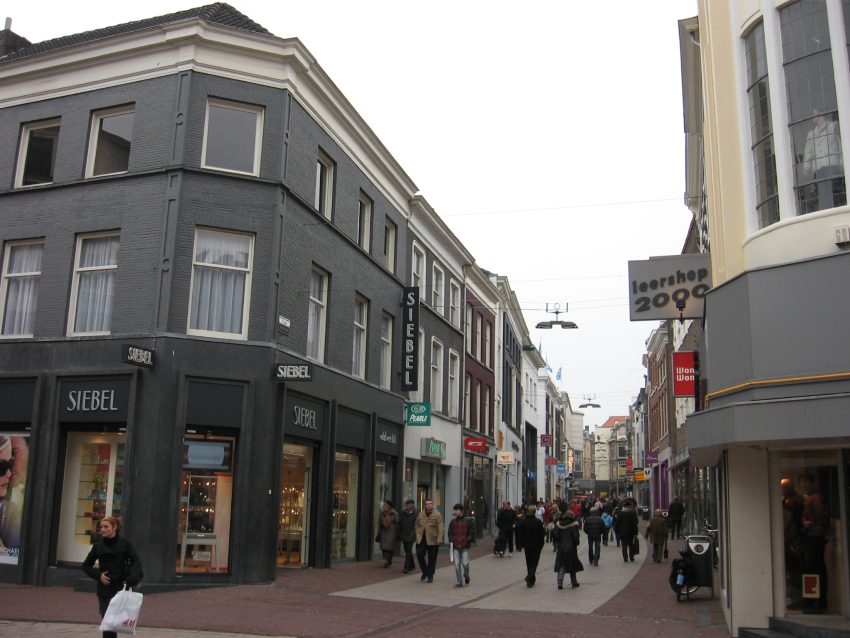
Ketelstraat is a historic street that illustrates Arnhem at human scale, where the interest is in the urban texture rather than one headline monument. Streets like this preserve the logic of older city life: narrow plots, façades that evolved incrementally, and a rhythm of doors, windows, and courtyards shaped by trade and domestic routines.
Its name hints at craft and commerce, the kind of specialised urban economy that once clustered by street and quarter. Even when the original trade has disappeared, the street often retains the spatial cues of that past, with building forms and street width reflecting earlier patterns of movement and work.
What to see is the continuity of the streetscape and the small details: façade variations, old brickwork, lintels, and the way the street bends or narrows. These details help you read Arnhem as an accumulated city rather than a set of separate attractions.
Location: Ketelstraat, 6811 Arnhem, Netherlands | Hours: 24 Hours. | Price: Free.

Moira & Andy
Hey! We're Moira & Andy. From hiking the Camino to trips around Europe in Bert our campervan — we've been traveling together since retirement in 2020!
This website uses affiliate links which earn a small commission at no additional cost to you.
Walking Tour Summary
Distance: 3 km
Sites: 13