Self-Guided Walking Tour of Ajaccio (2026)
This website uses affiliate links which earn a small commission at no additional cost to you.
Ajaccio is a city that rewards walking because its story is packed into a compact, coastal footprint: ferry docks and marina life on one edge, a tight Old Town of lanes and squares in the middle, and a ribbon of seafront that keeps pulling your gaze outward. A self-guided route lets you move with the city's natural rhythm-pause when the light is good, linger when a street feels alive, and keep momentum when you want to cover ground.
This walking tour is designed as a logical loop that starts near the harbour and threads through Ajaccio’s most characterful streets, cultural stops, and waterfront pauses. Along the way you’ll hit a strong mix of civic spaces, churches, museums, and shoreline viewpoints, with enough flexibility to shorten the route, add a museum visit, or fold in a market stop depending on the day.
If you're deciding what to prioritise, this route focuses on the best things to see in Ajaccio for a first visit: places that explain the city quickly, feel distinctly Corsican, and fit together without awkward detours. By the end, you'll have a clear sense of Ajaccio's layout and personality-where history sits in the streets, where the sea defines the mood, and where to slow down for a final, satisfying view.
How to Get to Ajaccio
By Air: Ajaccio Napoléon Bonaparte Airport (AJA) is the main gateway, with the quickest transfers into the city centre typically by taxi, rideshare, or seasonal shuttles, depending on arrival times. If flights are limited or expensive, Bastia Poretta Airport (BIA) can be a practical alternative, especially if you're already planning a wider Corsica itinerary, but it adds overland travel time. In peak season, book flights and airport transfers early, as availability and pricing can move quickly. For the best deals and a seamless booking experience, check out these flights to Ajaccio on Booking.com.
By Train: Ajaccio is served by Corsica's rail network (Chemins de fer de la Corse), linking the city with major inland and northern hubs such as Corte and Bastia via scenic, slower-paced routes that are more about comfort and landscape than speed. For a walking-tour itinerary, the key advantage is simple: Ajaccio's station is close enough to reach the Old Town and harbour area on foot, making rail a convenient, low-stress way to arrive without needing a car immediately. You can use SNCF Connect to check schedules, compare routes, and purchase tickets for National (SNCF ) and regional trains (TER). For a more streamlined experience, we recommend using Omio, which allows you to easily compare prices, schedules, and book tickets for both National and Regional travel across all of Europe, all in one place.
By Car: Driving works well if you want flexibility for beaches and day trips, but allow for slower mountain roads and seasonal congestion, especially on approach to the centre and waterfront. Plan to park once and then walk-Ajaccio’s historic core is better navigated on foot, and short one-way streets can make “just driving closer” counterproductive. If you are collecting a rental car, consider timing pickup for after your city walk so you avoid parking logistics on arrival day. If you are looking to rent a car in France I recommend having a look at Discover Cars, first, as they compare prices and review multiple car rental agencies for you.
By Bus: Intercity coaches and regional buses can be a cost-effective option from other Corsican towns, though timetables may be less frequent outside peak periods and travel times can be longer than expected due to terrain and traffic. If you arrive by bus, you’ll usually be dropped within easy walking distance of the centre, making it a workable choice for travellers building a car-free itinerary.
Where to Stay in Ajaccio
To make the most of visiting Ajaccio and this walking tour, you should consider staying overnight in the centre so you can start early, move between stops on foot, and return easily for a break before heading out again in the evening. The most convenient base is the Old Town/Citadel side of the centre, where you are closest to the historic lanes, cathedral area, and the harbourfront promenade; for this, look at Hotel San Carlu Citadelle or Le Dauphin Hôtel, both of which keep you within a short, straightforward walk of the core route.
If you want to be central but with a little more “city convenience” for cafés, shops, and easy route planning, the Rue Fesch/Cours Napoléon axis is a practical choice that still places you close to the museum and square sequence on the tour. In this zone, Hôtel Fesch & Spa is a strong option for being right in the middle of things, while Kallisté Hôtel works well if you value quick access between the station-side approaches and the waterfront end of the walk.
For travellers who prefer a more modern waterfront feel while still keeping the Old Town comfortably walkable, staying near the port/marina edge can be a smart compromise: you get an easy start at the harbour-side stops and a pleasant evening promenade without needing transport. Best Western Plus Ajaccio Amirauté is a reliable pick in this broader central waterfront area, particularly if you want a straightforward, full-service base.
If your priority is sea views, sunsets, and a calmer resort-like atmosphere after your walking day, consider the Route des Sanguinaires corridor on the western seafront; it is not “Old Town immediate,” but it can be excellent if you are happy using a short taxi or bus hop to begin the tour and then returning to a quieter coastal setting later. Sofitel Golfe d’Ajaccio Thalassa Sea & Spa is the classic option here for a sea-facing stay that feels like a destination in itself.
A Short History of Ajaccio
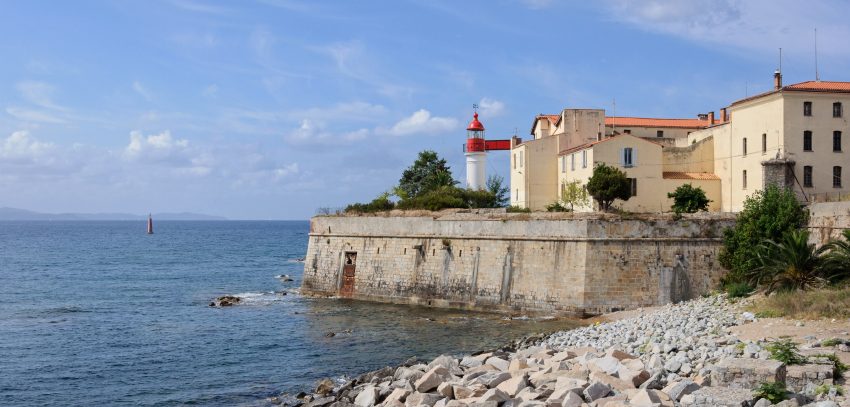
Ajaccio’s recorded story accelerates in the late 15th century, when the Republic of Genoa established the town as a fortified coastal base. The Citadelle d’Ajaccio, begun in this Genoese phase, still defines the city’s seaward edge and explains why the Old Town feels “contained” behind it. Just beyond that defensive line, today’s Gare Maritime d’Ajaccio and harbour frontage reflect Ajaccio’s enduring role as Corsica’s maritime gateway-modern infrastructure sitting in the same strategic coastal position that mattered to Genoa.
In the centuries that followed, Ajaccio’s historic core consolidated around churches and confraternities as much as around its port. The Cathédrale Notre-Dame-de-l’Assomption was built in the late 16th century under Genoese rule and remains one of the clearest architectural markers of that era in the old quarter. Nearby, the Oratory of Saint John the Baptist reflects the city’s tradition of lay religious brotherhoods and processional life, adding a quieter layer to the street network that visitors experience today as compact lanes opening into small squares.
Ajaccio's modern identity is inseparable from the Bonaparte story and the 19th-century civic investments that followed. Maison Bonaparte-an 18th-century family house made famous by Napoleon's birth-anchors the “Napoleonic Ajaccio” narrative, while Rue Cardinal Fesch is named for Cardinal Joseph Fesch (Napoleon's uncle), whose legacy culminated in the Musée Fesch, created from his major art bequest and housed in a purpose-built museum complex opened in the 19th century. The Chapelle Impériale, commissioned in the mid-19th century by Napoleon III as a mausoleum for the Bonaparte family, adds an explicit imperial monument to the city's fabric, and Place Foch and the Marché d'Ajaccio reflect the same period's push toward a more formal civic centre. Finally, Plage Saint-François sits at the edge of the old quarter as a modern, leisure-facing counterpoint to the citadel: a reminder that Ajaccio's shoreline has shifted from defence and departure to daily life and waterfront downtime.
Your Self-Guided Walking Tour of Ajaccio
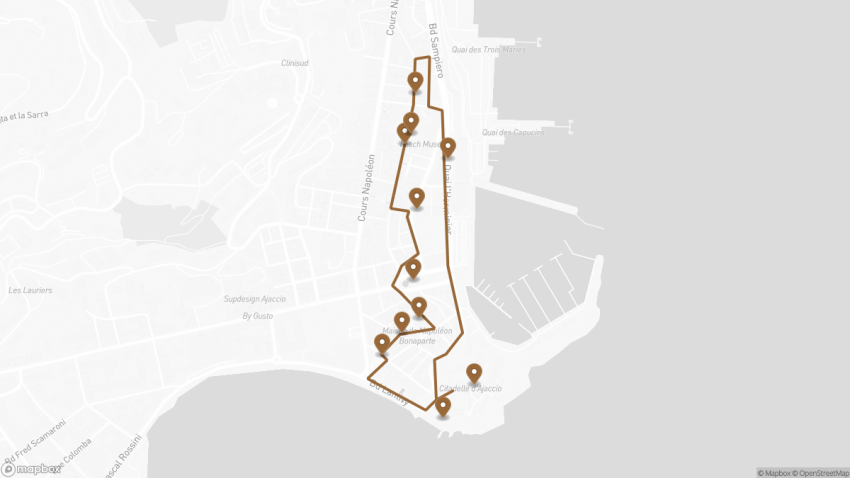
Discover Ajaccio on foot with our walking tour map guiding you between each stop as you explore its harbourfront, historic lanes, and landmark Napoleonic sites, with the citadel and the sea never far from view. This walking tour traces the city's layered identity, Genoese fortifications, Corsican street life, and imperial-era history, from the port and central squares to cathedral stops and cultural highlights, all within a compact coastal city shaped by its waterfront.
1. Port d’Ajaccio
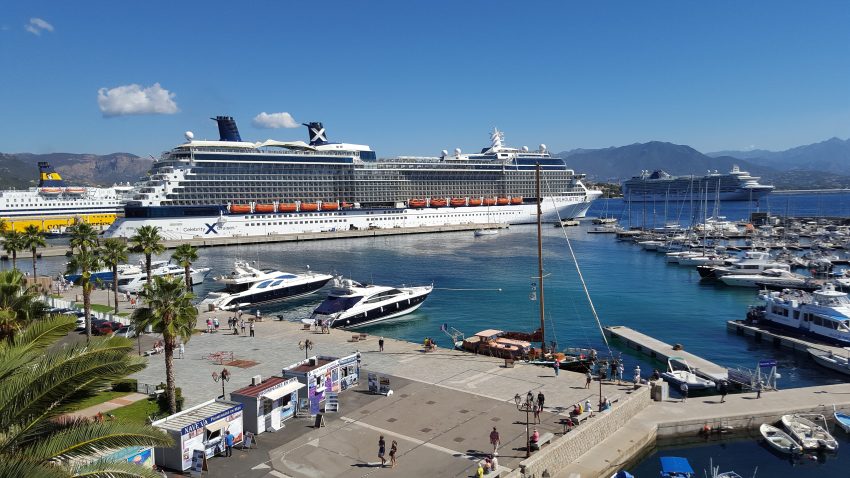
Arriving at the Gare Maritime is your first “Ajaccio makes sense” moment: the city opens as a layered shoreline of ferry infrastructure, marina life, and the older centre rising just behind. Even if you are not arriving by boat, it is worth beginning here because the port explains Ajaccio’s orientation in one glance—water in front, the old town to your right, and the main civic axis pulling you inland.
On a walking tour, use the port as a slow warm-up rather than a rushed transit zone. Watch how locals move: commuters cutting across quays, delivery activity for cafés, and the steady choreography of boats and pedestrians. It sets a practical tone for Corsica, where the sea is not scenery, it is a transport network that still drives the city’s rhythm.
From here, your route naturally funnels toward the central streets via the waterfront and into the old quarter. Keep the sea at your back as you step away from the quays, and you’ll feel the shift from open harbour space to the tighter, more textured streets that define Ajaccio’s historic core.
Location: 20000 Ajaccio, France | Hours: 24 Hours. | Price: Free. | Website

2. Citadelle d'Ajaccio

The Citadel is the clearest statement Ajaccio makes about security, strategy, and shoreline control. Even when parts are not fully accessible, its presence matters on a walking tour because it shapes how you understand the city’s relationship to the sea: not only as beauty, but as exposure that once had to be managed.
Use the citadel zone for viewpoint walking. This is where you feel the edges of the old town—where streets thin out, the horizon widens, and the city becomes a boundary rather than a maze. It is also a strong place to discuss Ajaccio in “layers”: fortifications, port life, and modern promenade culture stacked along the same line.
As a stop, it works best when paired with a waterfront segment. The contrast is the point: the citadel represents constraint and control, while the nearby promenade represents leisure and openness. Moving between them is what makes the city’s story feel physical rather than abstract.
Location: 8-10 Bd Danièle Casanova, 20000 Ajaccio, France | Hours: Monday – Wednesday: 09:00–20:00. Thursday – Friday: 09:00–23:00. Saturday – Sunday: 09:00–20:00. | Price: Free. | Website
3. Plage Saint-François
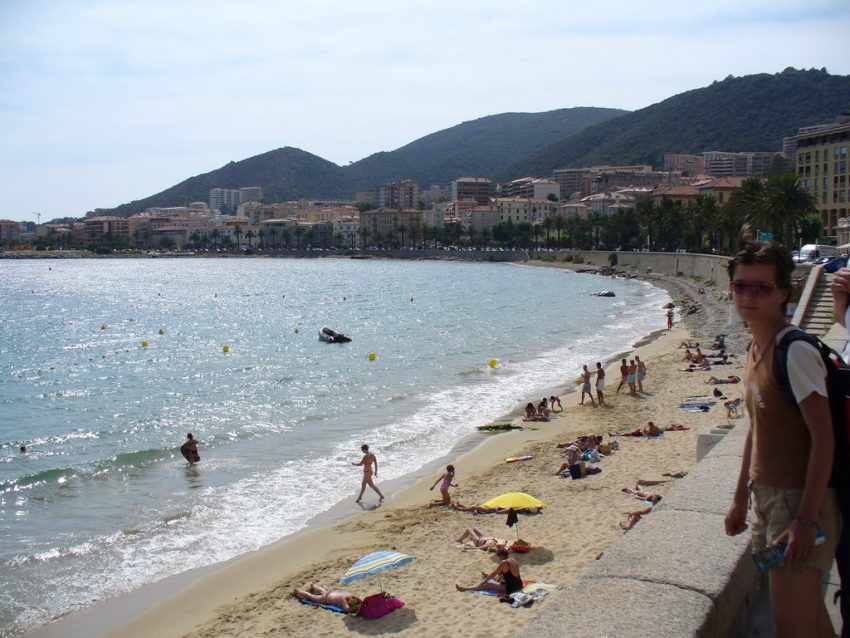
Plage Saint-François is the walk’s reward: a compact city beach that delivers that essential Corsican feeling of sea access without the logistics of leaving town. It is not necessarily the wildest or most dramatic beach, but it is one of the most useful because it is so close to the historic centre.
On a walking tour, this is where you let the day exhale. Even if you do not swim, it is worth stopping for a few minutes to take in the shoreline perspective back toward the city. It re-frames Ajaccio as a place you can inhabit casually, not just visit formally.
Use it strategically at the end of your route or as a mid-tour reset when the streets start to feel dense. A short beach pause restores energy, especially in warmer months, and it makes the rest of your walk feel more like a coastal day out and less like a sequence of stops.
Location: 6 Bd Pascal Rossini, 20000 Ajaccio, France | Hours: 24 Hours. | Price: Free.
4. Cathedral of Our Lady of the Assumption

Ajaccio’s cathedral is a strong anchor in the old quarter, both visually and historically. It is a place where the city’s religious life, civic identity, and architectural presence converge, and it is worth visiting even if you generally do not prioritise churches, because it grounds the old town in a sense of permanence.
On a walking tour, approach it from the surrounding lanes so the cathedral feels “found” rather than scheduled. The experience is better when you arrive through the neighbourhood’s texture—small streets, shifting light, and the soft build-up of anticipation as the space opens.
Inside, keep your visit simple and attentive. Notice how the cathedral holds sound and light, and how it creates a pause in a day of outdoor movement. Then step back out and let it be a pivot point—either toward the citadel-side edges for a more defensive, maritime Ajaccio, or back into the squares for café life.
Location: Rue Forcioli Conti, 20000 Ajaccio, France | Hours: Monday – Saturday: 08:30–11:30 & 14:30–17:45. Sunday: 08:30–11:30. | Price: Free | Website
5. Oratory of Saint John the Baptist
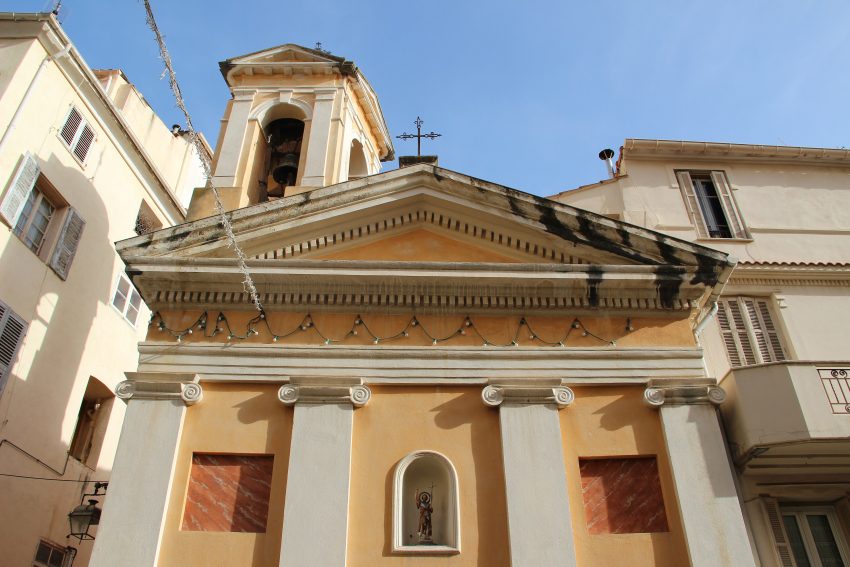
The Oratory of Saint John the Baptist is a quieter, often underappreciated stop that adds spiritual texture to a city many people approach mainly through port views and Napoleonic history. It is the kind of place that rewards a short visit because it shifts your attention from movement to meaning.
On a walking tour, use it as a calm interior interlude. Step in briefly, let your eyes adjust, and take in how devotion is expressed here—through craft, atmosphere, and a sense of continuity that contrasts with the street’s faster tempo outside. Even a few minutes can change the emotional tone of your route.
This stop also helps balance your itinerary. A good Ajaccio walk is not only museums and monuments; it is also small sacred spaces that remind you the city has lived many lives in parallel—religious, civic, commercial—often within the same few blocks.
Location: Rue Roi de Rome, 20000 Ajaccio, France | Hours: Check official website. | Price: Free; donations appreciated. | Website
6. Maison Bonaparte
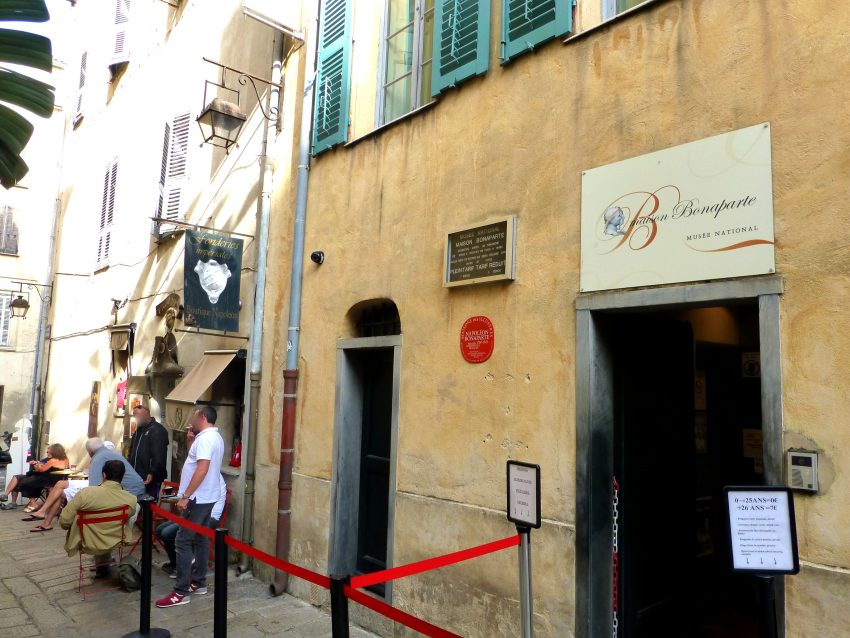
Maison Bonaparte is Ajaccio’s signature historical stop, but it is most rewarding when you treat it as a story about place, not just fame. The power of the visit is its scale: the idea that a global figure’s origins are embedded in a relatively modest, walkable corner of town.
On a walking tour, it works best as a focused, intentional visit rather than a rushed detour. Arrive with one question in mind—what did Ajaccio look and feel like when this household was shaping its identity—and the rooms and objects become more than exhibits. They become a lens on Corsican society, family structures, and the city’s relationship to its most famous name.
When you step back outside, the surrounding streets feel different. You are no longer just “in the old town”; you are in the setting of a narrative that still colours Ajaccio’s identity, signage, and tourism economy, and you can see how history gets continuously repackaged into present-day city life.
Location: Rue Saint-Charles, 20000 Ajaccio, France | Hours: (Summer) April 1 – September 30; Tuesday – Sunday: 10:30–12:30 & 13:15–18:00. Closed on Monday. (Winter) October 1 – March 31; Tuesday – Sunday: 10:30–12:30 & 13:15–16:30. Closed on Monday. | Price: Adults: €7; Reduced: €5; Under 26 (EU residents): free. | Website
7. Place Foch
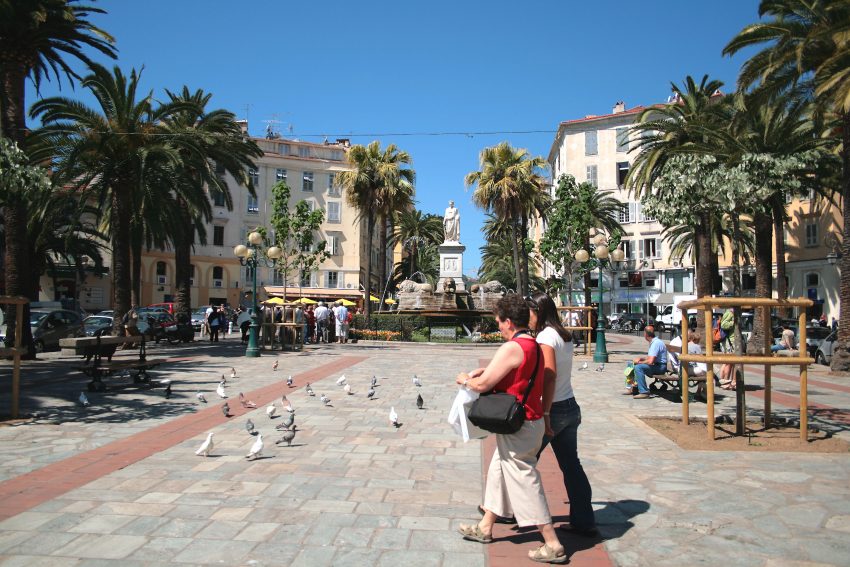
Place Foch is Ajaccio’s classic civic living room: open, central, and constantly in use. On a walking tour, it is one of the best places to pause because it gives you both atmosphere and orientation—an easy point to regroup, decide your next direction, and watch the city’s social rhythm.
Treat it as a place to notice layers. There is the formal element of a main square, but also the casual reality of Ajaccio: quick meet-ups, café time, families passing through, and travellers lingering longer than they planned. It is an excellent place for a short break that still feels like “doing the tour.”
From Place Foch, you can feed naturally toward the older lanes for Napoleon-related stops, or drift back toward the waterfront for air and views. That flexibility is the point: it is a hub, not an endpoint, and it helps your route feel effortless rather than forced.
Location: Place Foch, 20000 Ajaccio, France | Hours: 24 Hours. | Price: Free.
8. Marché d'Ajaccio

Ajaccio’s market is where the city becomes immediate: local produce, Corsican specialities, and the hum of daily transactions. It is a practical stop that also functions as cultural shorthand—what people eat, what they prioritise, and how morning life is structured in the centre.
On a walking tour, use the market as a sensory reset. Even if you are not shopping, do a slow loop and focus on what looks distinctly Corsican—cheeses, charcuterie, seasonal fruit, and jars of local products that are clearly not generic imports. It is also a good moment to hydrate and pick up something simple to keep you moving.
The market pairs well with the next civic spaces because it explains them. Squares and promenades can feel like scenery, but once you’ve seen the market’s everyday pulse, the rest of the city reads as a lived-in system rather than a collection of attractions.
Location: 7 Bd du Roi Jérôme, 20000 Ajaccio, France | Hours: Tuesday – Sunday: 07:00–13:00. Monday: 07:00–13:00 (summer only). | Price: Free. | Website
9. Chapelle Impériale
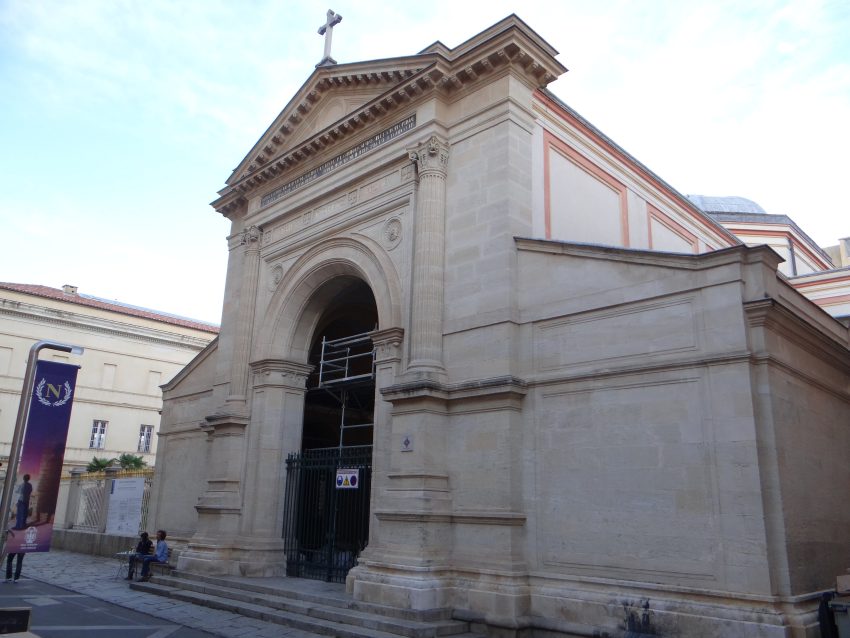
The Chapelle Impériale is a compact but high-impact stop, best approached as a quiet counterpoint to Ajaccio’s busy streets. Its appeal is not only architectural; it is emotional and symbolic, tied to the city’s Napoleonic identity and the way Ajaccio holds memory in small, concentrated spaces.
On a walking tour, this is where you slow your breathing and change gears. Step inside with the mindset of “ten attentive minutes” rather than “another checklist stop.” The chapel’s atmosphere rewards stillness—details, textures, and a sense of solemnity that contrasts with the easy coastal mood outside.
Use the chapel as a pivot point. After a reflective interior stop, Ajaccio feels more layered, and the tour becomes less about moving between places and more about moving between moods: civic life, art, devotion, and public space, all within a short walking radius.
Location: 50-54 Rue Cardinal Fesch, 20000 Ajaccio, France | Hours: (Summer) May 1 – October 31; Daily: 09:15–18:00. | Price: Adults: €9; Reduced: €6; Groups: €6. | Website
10. Musée Fesch

Musée Fesch is the cultural heavyweight of central Ajaccio, and it earns its place on a walking tour because it adds depth to the city beyond the waterfront and Napoleonic storyline. Even travellers who “aren’t museum people” often find it rewarding here, because the collection gives you a broader Mediterranean context—Ajaccio as a city connected outward, not just inward.
Treat the museum as a mid-tour anchor rather than an add-on. It works best when you arrive after a bit of street walking, when you are ready for a cooler, quieter pace and a shift from external scenery to curated detail. Plan your visit around energy levels: a focused highlights loop can be satisfying without consuming the whole day.
When you exit, the city feels sharper. You return to the street with better visual literacy—light, colour, and form—and that makes the next stops, especially churches and civic squares, more interesting because you start noticing design choices instead of just locations.
Location: 50-52 Rue Cardinal Fesch, 20000 Ajaccio, France | Hours: (Summer) May 1 – October 31; Daily: 09:15–18:00. (Winter) November 1 – April 30; Daily: 09:00–17:00. | Price: Adults: €9; Reduced: €6. | Website
11. Rue Cardinal Fesch
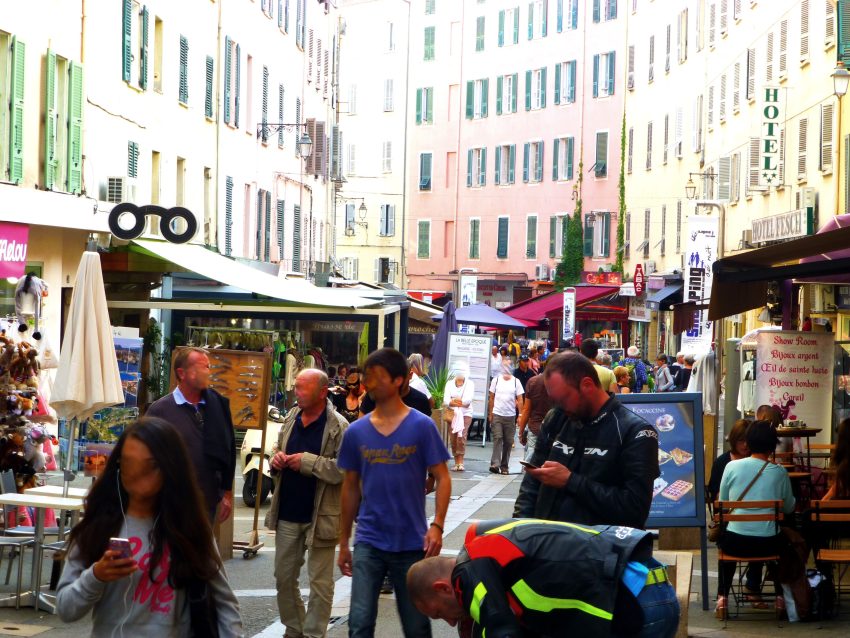
Rue Cardinal Fesch is one of Ajaccio’s most useful walking-tour spines: a straight, lively street that connects the port-side energy with the old town’s cultural centre. It is a place to walk slowly, not just to pass through, because the storefronts, cafés, and everyday foot traffic give you a clear sense of how Ajaccio actually functions day to day.
As you move along it, pay attention to the street’s scale and cadence. This is Ajaccio at its most practical—shaded patches, quick coffee stops, and the kind of urban texture that makes a city feel navigable. It also works as a reliable “reset corridor” if you get turned around in the smaller lanes nearby.
On a tour, Rue Cardinal Fesch is also your perfect staging point for museum time. It delivers you directly toward the Musée Fesch area, so you can pivot from street life into one of Corsica’s most significant art collections without breaking the flow of your walk.
Location: Rue Cardinal Fesch, 20000 Ajaccio, France | Hours: 24 Hours. | Price: Free.

Moira & Andy
Hey! We're Moira & Andy. From hiking the Camino to trips around Europe in Bert our campervan — we've been traveling together since retirement in 2020!
This website uses affiliate links which earn a small commission at no additional cost to you.
Walking Tour Summary
Distance: 2 km
Sites: 11
Walking Tour Map