Complete Guide to Upper Austria (2026)
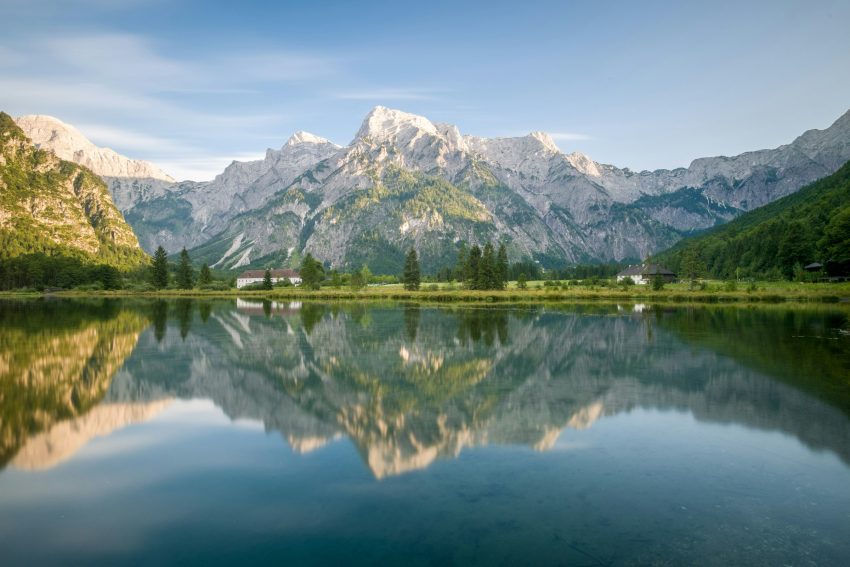
Upper Austria is one of Austria's most varied regions, combining elegant Danube cities, lake country, mountain scenery, and a strong cultural identity. Linz gives the region an urban edge with contemporary art, music, and technology, while the Salzkammergut brings postcard-worthy lakes, spa towns, and famous viewpoints into the mix. Between them lie market towns, abbeys, river valleys, and rural landscapes that make the region feel broader and more diverse than many first-time visitors expect.
What makes Upper Austria especially appealing is that it does not force you to choose between city and nature. You can spend the morning in a museum or baroque square, have lunch beside the Danube, and be out by a lake or in the hills by the afternoon. Places such as Linz, Wels, Steyr, Gmunden, Bad Ischl, and Hallstatt each show a different side of the region, from industrial heritage and music culture to imperial nostalgia and alpine scenery.
For travellers, Upper Austria works well as both a short break and a longer regional trip. It is easy to reach, especially through Linz and the main west-east rail corridor, and it also rewards slower travel through the lake districts and smaller towns. Whether you are coming for hiking, winter sports, classical music, media arts, or simply scenic drives and relaxed lakeside stops, the region has enough range to suit very different styles of travel.

Cities of Upper Austria
Linz
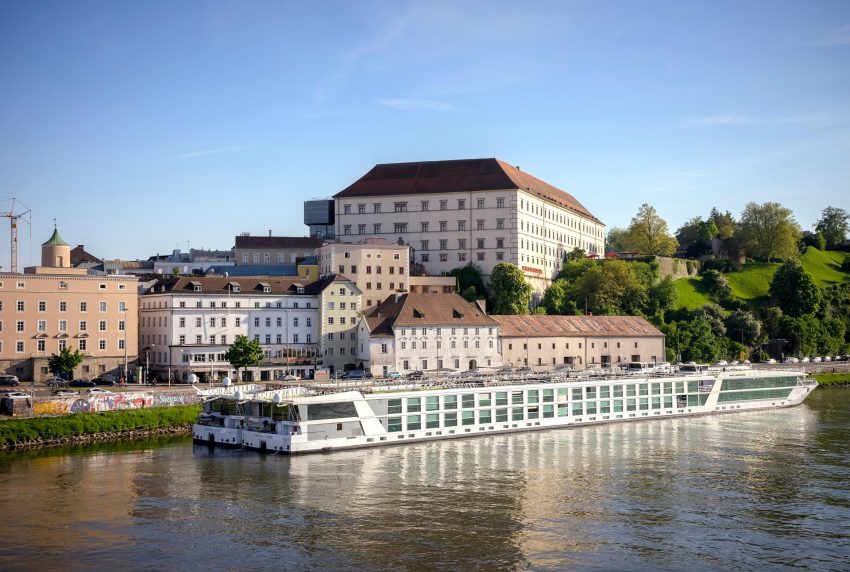
Linz is a lively Danube city that blends contemporary culture with an easy, walkable core, making it a great base for a short city break or a longer stay. You’ll find a strong mix of museums, riverfront promenades, modern architecture, and classic Austrian cafés, with plenty to do both day and night. The city feels creative and student-influenced, yet it’s also relaxed-ideal if you want culture without the crowds of larger capitals.
Set in Upper Austria, Linz works well for travelers who like to combine urban sightseeing with quick nature escapes. Within a short ride you can reach viewpoints, riverside cycling paths, and green hills, while the center offers a compact cluster of sights around the Hauptplatz and the Danube. It’s also a convenient stop on many Austria itineraries, especially if you enjoy art, music, and design.
Plan at least two days to get a satisfying feel for Linz: one for the old town, museums, and the riverfront, and another for hilltop views, local food, and a deeper dive into the city’s modern cultural scene. Evenings are particularly enjoyable along the Danube, where bars, restaurants, and seasonal events create a friendly atmosphere without feeling overly touristy.
View our Linz Guide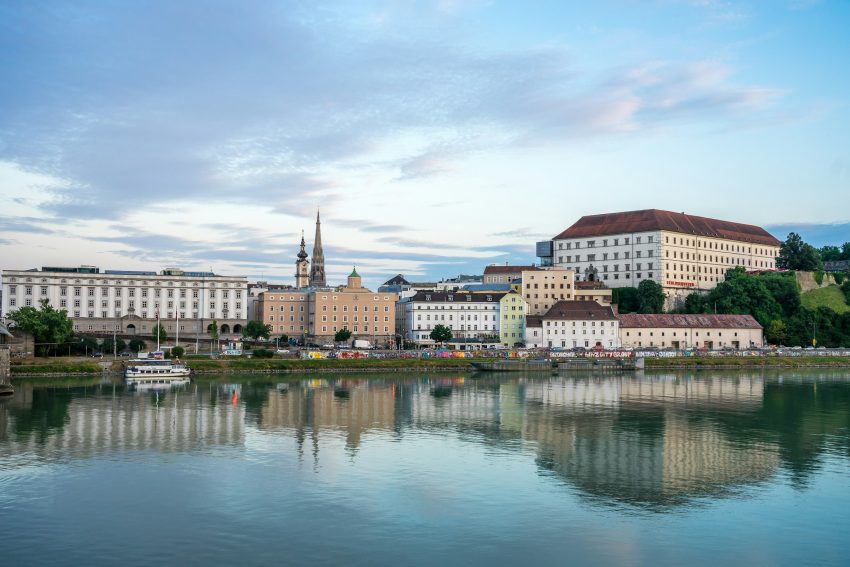
Hallstatt
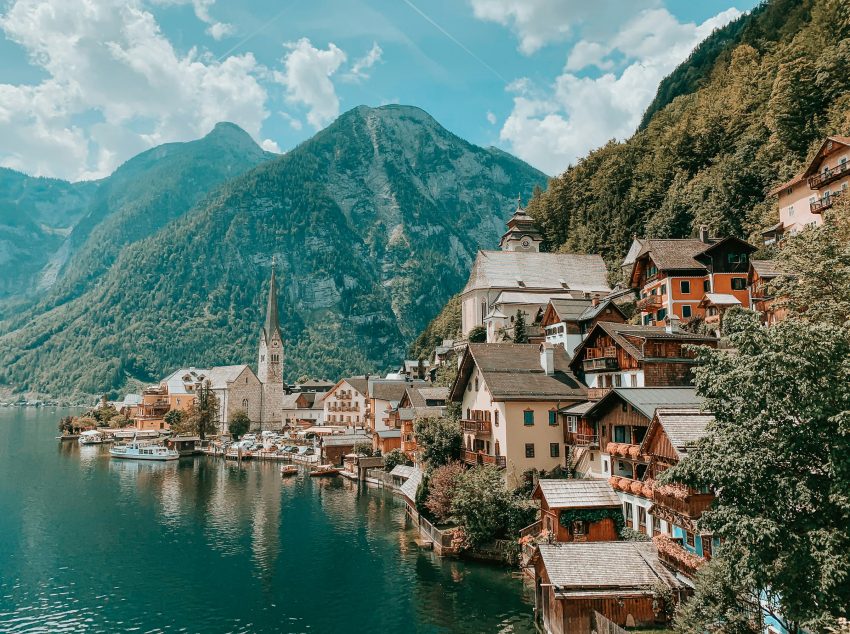
Hallstatt is one of the most memorable places to visit in the Salzkammergut region of Upper Austria, and much of its appeal comes from the way the village sits between the lake and the steep mountain slopes. It is compact enough to explore on foot, yet every corner seems to open onto another striking view, whether that is the waterfront, the pastel-painted houses, or the church towers rising above the lanes. The setting is what defines a visit here, and even without a packed sightseeing schedule Hallstatt feels special from the moment you arrive.
What makes Hallstatt rewarding for visitors is that it works on several levels at once. Some people come for the famous lake views and photographs, others for the mountain scenery and easy outdoor activities, and others simply to slow down for a night or two in a place that feels unlike anywhere else in Austria. The village centre is small, so it is easy to wander between the market square, the waterfront, the churches, and the museum without any rush, and that ease is part of the pleasure.
Hallstatt is at its best when you treat it as more than a quick stop. Staying overnight lets you enjoy the quieter early morning and evening hours after many day-trippers have left, and it also gives you time to combine the village itself with nearby walks, lake activities, and viewpoints in the surrounding Dachstein Salzkammergut area. Even when the weather changes, there is still enough here to make a visit feel full, from short scenic walks and museum time to a ferry crossing that is part of the experience rather than just transport.
View our Hallstatt GuideHistory of Upper Austria
Upper Austria has very deep roots, and some of the most famous early chapters are tied to the Hallstatt area, where prehistoric settlement and salt extraction helped create one of the best-known cultural landscapes in Europe. Long before the modern province took shape, this part of Austria was already important because of its rivers, natural resources, and position between alpine and Danubian worlds.
Prehistoric and Roman Upper Austria
Prehistoric communities settled in what is now Upper Austria thousands of years ago, and the Hallstatt area became especially significant because of its salt wealth. Later, the Romans absorbed much of the territory into the province of Noricum, building roads, settlements, and trading centres. Wels, known in Roman times as Ovilava, became an important urban centre, showing that Upper Austria was already a place of regional power and movement long before the Middle Ages.
Medieval Upper Austria
In the medieval period, the lands that would become Upper Austria developed gradually under Bavarian, ecclesiastical, and later Babenberg influence. Trade routes along the Danube and through the foothills encouraged the growth of towns, monasteries, and fortified settlements. This was the period when many of the region’s historic centres began to take shape, helped by commerce, agriculture, and the wider consolidation of Austrian territories in the High Middle Ages.
Habsburg Rule and Religious Conflict in Upper Austria
Under Habsburg rule, Upper Austria grew in political and economic importance, but it also saw periods of serious unrest. During the Reformation and Counter-Reformation, the region became one of the places where confessional tensions turned violent. A major peasant uprising broke out in the early 17th century, and Upper Austria’s history in this era was marked by conflict, repression, and the reassertion of Habsburg authority.
Modern Upper Austria
In the modern era, Upper Austria developed into one of Austria's key industrial and cultural regions. Linz in particular became associated with manufacturing and technology, while other parts of the province retained strong traditions in salt production, craftsmanship, farming, and lake tourism. Today the region balances that industrial legacy with a major cultural profile, from classical music and heritage towns to contemporary art and internationally known festivals.
Upper Austria in the 20th Century and Today
Like the rest of Austria, Upper Austria was profoundly affected by the upheavals of the 20th century, including the Nazi period and the post-war rebuilding of the republic. In the decades that followed, it strengthened its role as both an economic engine and a visitor destination. Modern Upper Austria now presents itself through a mix of culture, lakes, mountain landscapes, and transport links that make it one of the country’s most practical and rewarding regions to explore.
Best Time to Visit Upper Austria
Travelling around Upper Austria
For city-to-city travel, trains and buses are generally efficient, especially around Linz, Wels, Attnang-Puchheim, Gmunden, and Bad Ischl. Public transport works well for many classic routes, but a car gives you more flexibility once you move beyond the main corridors. A practical approach is to use rail for arrival and major transfers, then rely on local buses, lake-area lines, or short car journeys to reach smaller villages, viewpoints, and trailheads.
Visiting Upper Austria in Spring
Spring is a lovely time to visit if you want fresh landscapes, fewer crowds, and easier city sightseeing. The lakes and valleys begin to wake up, and places such as Linz, Steyr, and the Salzkammergut feel bright and relaxed rather than crowded. It is a strong season for walking, scenic drives, and cultural breaks, especially before the peak summer rush arrives.
Visiting Upper Austria in Summer (Best)
Summer is the best all-round season for most visitors because the region’s lakes, mountains, river towns, and outdoor festivals are all in full swing. This is when Upper Austria feels at its broadest: you can swim or boat in the Salzkammergut, explore Linz’s riverfront and event calendar, and spend long days moving between towns and viewpoints. It is also the easiest time for combining culture with outdoor travel.
Visiting Upper Austria in Autumn
Autumn suits travellers who want colour, atmosphere, and a more reflective pace. The cultural calendar in Linz becomes particularly attractive, with major music and arts events, while the lakes and hills take on richer tones and cooler walking weather. It is an excellent choice for travellers more interested in scenery, food, and culture than swimming and peak-season activity.
Visiting Upper Austria in Winter
Winter brings a different character to Upper Austria, with Christmas traditions, seasonal markets, and access to winter sports in the alpine parts of the region. Even if you are not coming to ski, winter can be rewarding for festive town breaks, lakeside scenery, and cultural visits. Traditional Advent customs are especially deeply rooted here, which gives the season a strong local identity
Annual Weather Overview
- January 4°C 42°F
- February 8°C 49°F
- March 11°C 56°F
- April 17°C 67°F
- May 19°C 70°F
- June 24°C 79°F
- July 25°C 81°F
- August 26°C 82°F
- September 20°C 71°F
- October 15°C 63°F
- November 9°C 52°F
- December 6°C 46°F
How to get to Upper Austria
Getting to Upper Austria by air
Nearest airports: The main airport for the region is Linz Airport, which serves as Upper Austria's own air gateway. For many travellers it is the most convenient arrival point for Linz, Wels, Steyr, and much of the central part of the province. Depending on where you are staying, Salzburg can also work well for the western edge of the region and the Salzkammergut. For the best deals and a seamless booking experience, check out these flights to on Booking.com.
Getting to Upper Austria by train
Upper Austria is well connected by rail and sits on Austria's main west-east corridor. Linz Hauptbahnhof and Wels are major stations on the Western Railway, with frequent services linking them to Vienna and Salzburg, while Attnang-Puchheim is an important junction for onward travel into the Salzkammergut. If you are heading for Bad Ischl, Hallstatt, or nearby lake towns, the Salzkammergut Railway is the key regional route. Train schedules and bookings can be found on Omio.
Getting to Upper Austria by Car
Driving is one of the easiest ways to see Upper Austria well, especially if you want to combine Linz with the lake districts, smaller towns, and mountain roads. The region is crossed by strong road connections from Vienna, Salzburg, Bavaria, and the rest of Austria, and having a car is particularly useful in the Salzkammergut and rural areas where you may want the freedom to stop at viewpoints, lakeside villages, and less-visited places.
Festivals in Upper Austria
Upper Austria has a strong festival culture that ranges from major international events in Linz to seasonal traditions in towns and rural communities. Among the best-known are the Ars Electronica Festival, which gives Linz an international profile in media arts and digital culture, and the International Bruckner Festival, a major autumn event devoted to classical music. These two alone show how the region moves comfortably between experimental modern culture and deep musical heritage.
Beyond Linz, festivals and cultural events spread across the wider province, especially in the Salzkammergut and historic towns. Summer and early autumn are particularly lively, with concerts, open-air events, folk customs, and regional celebrations making use of castle courtyards, lakeside settings, and historic streets. This wider calendar is part of what makes Upper Austria feel so rewarding outside the capital, because culture is not confined to one city.
Traditional customs also remain important in Upper Austria, especially around Advent and the winter season. Seasonal celebrations, Christmas events, and local rituals continue to shape the cultural year, giving visitors a chance to experience a more regional side of Austrian festive life. For a first trip, the strongest festival pairing is usually summer for lakes and open-air culture, or autumn for Linz’s headline events and a richer concert programme.