Complete Guide to Tyrol & Vorarlberg (2026)
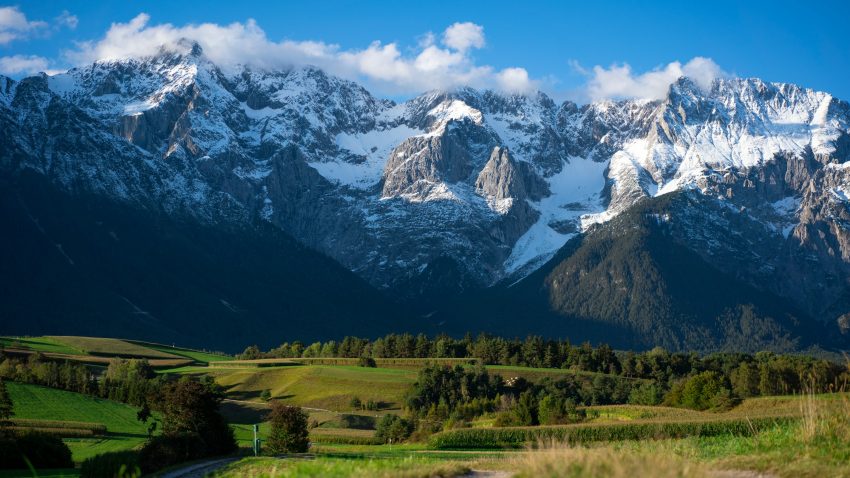
Tyrol & Vorarlberg form Austria's dramatic western edge, a region shaped by high Alpine landscapes, deep valleys, ski resorts, historic towns, and a strong mountain culture. For many travellers, this is the Austria of postcard views: jagged peaks, church spires, wooden chalets, lakeside villages, and scenic roads that seem designed for slow travel. Innsbruck is the best-known urban base in Tyrol, while Vorarlberg has a more western-facing feel, with close cultural ties to Switzerland and southern Germany.
What makes Tyrol & Vorarlberg especially rewarding is their variety. You can spend one day in a lively city surrounded by mountains, the next on a train gliding through Alpine valleys, and the next walking between meadows, forests, and high passes. Tyrol is often associated with classic Austrian mountain tourism, winter sports, and famous valleys such as the Ötztal, Zillertal, and the area around Kitzbühel and St. Anton. Vorarlberg, meanwhile, stands out for its smaller scale, excellent hiking, striking contemporary wooden architecture, and easy access to Lake Constance and the Bregenzerwald.
This region suits travellers who want scenery, outdoor activity, and traditional culture without sacrificing comfort or transport links. Cable cars, mountain railways, well-run resorts, and efficient public transport make it relatively easy to enjoy the Alps without constant logistical stress. In winter, Tyrol & Vorarlberg are among Austria’s major ski destinations. In summer, they shift into a landscape of hiking trails, cycling routes, mountain huts, lakes, and festivals that bring local customs and music into the open air.

Cities of Tyrol & Vorarlberg
Innsbruck
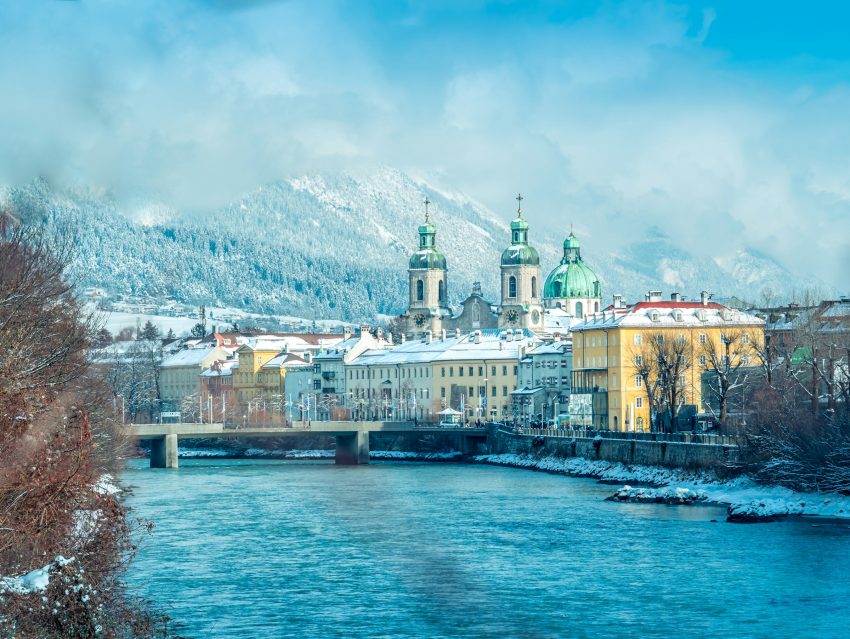
Innsbruck is a compact, mountain-framed city that makes it easy to combine culture, cafés, and alpine scenery in a single day. Set in the Inn Valley in the heart of Tyrol, it’s the kind of place where you can stroll a historic old town in the morning, ride a cable car into high alpine views after lunch, and still be back in time for dinner and a riverside walk.
The city’s appeal is how quickly it shifts from urban to outdoors. You’ll find grand architecture and museums close to lively shopping streets, while trailheads, ski slopes, and panoramic viewpoints sit just minutes away. Even if you’re not here for winter sports, the surrounding peaks and the crisp mountain air give every season a sense of drama.
Innsbruck also works brilliantly as a base for day trips around Tyrol, thanks to strong rail connections and an efficient local transport network. Whether you’re visiting for a weekend break, a longer alpine holiday, or as a stop on a wider Austria itinerary, it’s easy to plan a trip that balances sightseeing with time in nature.
View our Innsbruck Guide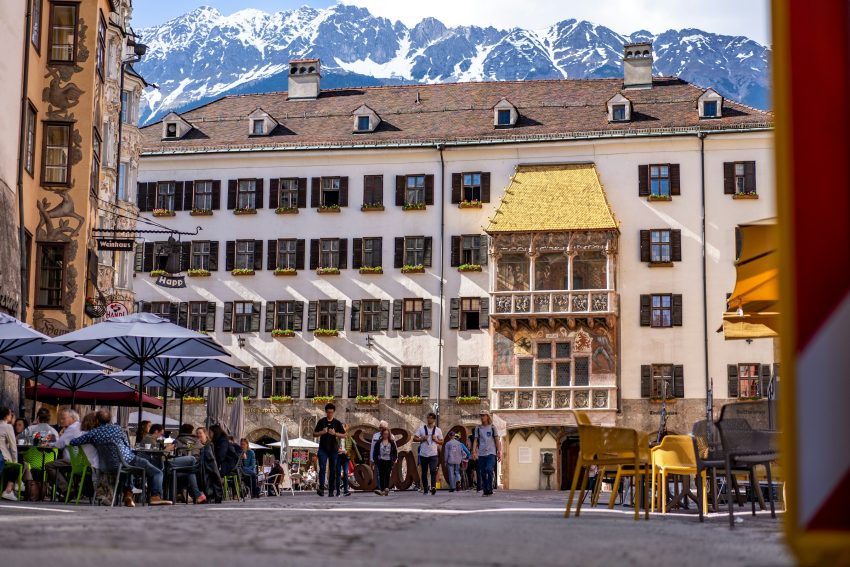
Bregenz
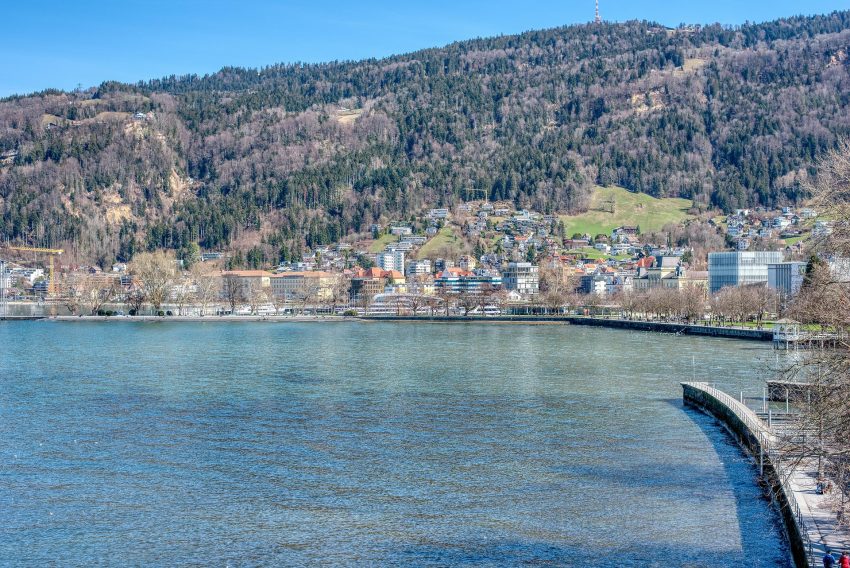
Bregenz is a lakeside city in Austria’s Vorarlberg region, set on the eastern shore of Lake Constance with the Alps rising close behind. It’s compact and easy to explore on foot, yet it feels expansive thanks to the water views, promenades, and the way the mountains frame nearly every street scene. The city’s mix of waterfront leisure, culture, and quick access to nature makes it a strong base for a short break or a longer, slow-paced stay.
A big part of visiting Bregenz is choosing your rhythm: mornings by the lake, afternoons on a mountain viewpoint, and evenings in a concert hall or at a performance. The waterfront is designed for lingering-cafés, parks, and the gentle curve of the shoreline invite unhurried walks-while the town center offers shopping, galleries, and a relaxed dining scene that leans toward regional specialties.
Bregenz also works well as a hub for day trips around Lake Constance and into the nearby hills, with excellent rail connections and frequent local transport. Whether you come for open-air culture, scenic hikes, cycling routes, or simply to reset by the water, the city delivers a balanced “lake-and-mountains” experience without feeling overcomplicated or hard to navigate.
View our Bregenz Guide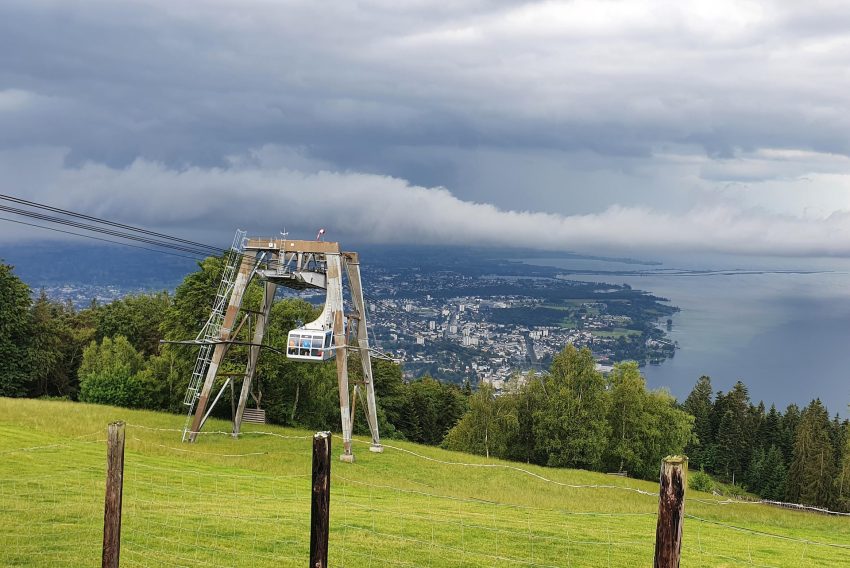
History of Tyrol & Vorarlberg
Early settlement and Alpine routes
The lands now known as Tyrol and Vorarlberg were important long before modern borders existed. Their valleys and passes linked northern Europe with Italy, making them strategically valuable for trade, migration, and military movement. Roman influence was especially important in organising routes through the Alps, and the region’s later prosperity owed much to its position on these transalpine corridors rather than to large lowland cities. Over time, mountain communities developed strong local identities shaped by geography, seasonal movement, and relative isolation.
Medieval Tyrol and regional lordships
In the Middle Ages, Tyrol emerged as an important territorial unit because of its control over Alpine passes and trade routes. The County of Tyrol gained political weight, and by the 14th century it passed to the Habsburgs, becoming part of the wider Austrian sphere for centuries. Vorarlberg developed differently, with its territories assembled gradually and long tied administratively and politically to Tyrol. Although neighbouring and often linked, the two areas retained distinct local traditions, dialects, and regional orientations.
Habsburg rule and regional identity
Under Habsburg rule, Tyrol became known for strong regional loyalty and a reputation for independence. Innsbruck grew in stature as an Alpine centre, while market towns, monasteries, and rural communities shaped everyday life across the mountains. Vorarlberg, on the far western edge, developed closer cultural and linguistic affinities with the Alemannic world of present-day Switzerland and southwest Germany. This western orientation still helps explain why Vorarlberg can feel somewhat different from the rest of Austria, both culturally and architecturally.
The 19th and early 20th centuries
The Napoleonic era brought upheaval to Tyrol, including the famous Tyrolean uprising against Bavarian and French control in 1809, an episode that remains central to regional memory. In the aftermath of the First World War, the old Tyrol was divided, with South Tyrol going to Italy. Vorarlberg, which had long been linked with Tyrol, became a separate Austrian federal state in 1918. In 1919 many in Vorarlberg even voted in favour of joining Switzerland, though this never happened. The modern map of western Austria largely took shape in this unsettled period.
Tyrol & Vorarlberg today
Today Tyrol and Vorarlberg are two of Austria’s most recognisable mountain regions, known internationally for tourism, winter sports, hiking, and a strong sense of regional culture. Yet they are not simply resort landscapes. Both regions have preserved village traditions, religious festivals, seasonal customs, and distinctive food culture, while also investing in modern infrastructure and design. That balance between tradition and adaptation is part of what makes them so compelling to visit now.
Best Time to Visit Tyrol & Vorarlberg
Visiting Tyrol & Vorarlberg in Spring
Spring is a transitional season in Tyrol & Vorarlberg, with snow lingering at higher elevations while lower valleys begin to green up. It can be a very attractive time for travellers who prefer quieter towns, lower accommodation pressure, and early-season walking in lower areas. You need to be realistic, though: some higher hiking routes may still be snowbound, and weather can change quickly. This is a good season for city-and-valley combinations, especially if you want a mix of scenery, gentle walks, and fewer crowds.
Visiting Tyrol & Vorarlberg in Summer (Best)
Summer is the most versatile season to visit Tyrol & Vorarlberg. Hiking trails, alpine pastures, mountain huts, cycling routes, lake activities, and panoramic roads are all at their best, and the long daylight hours make it easier to move around without rushing. This is also when the regions’ landscapes show their full range, from flower-filled meadows to dramatic high-mountain terrain. If you want the broadest choice of activities and the clearest sense of how varied the region is, summer is the strongest all-round option. Festivals and open-air events also make this a lively time to visit.
Visiting Tyrol & Vorarlberg in Autumn
Autumn brings cooler air, beautiful colour in the valleys and forests, and a calmer atmosphere after the main summer rush. It is an excellent season for walking, scenic drives, and food-focused travel, especially when cattle drives and harvest traditions appear on the events calendar. Visibility can be superb, and the mix of warm valley tones with early snow on higher peaks can make this one of the most photogenic times of year. It is especially appealing to travellers who want Alpine scenery without peak-season crowds.
Visiting Tyrol & Vorarlberg in Winter
Winter is when Tyrol & Vorarlberg become one of Europe’s classic snow destinations. Skiing and snowboarding dominate, but winter travel here is not only for skiers. Christmas markets, mountain villages under snow, winter walking, and regional customs such as Krampus and Perchten processions create a strong seasonal atmosphere. This is the best season if your trip is built around skiing or festive Alpine scenery, but it is also the busiest and often the most expensive period in the best-known resorts.
Annual Weather Overview
- January 0°C 35°F
- February 4°C 42°F
- March 5°C 45°F
- April 10°C 54°F
- May 12°C 58°F
- June 19°C 70°F
- July 19°C 71°F
- August 22°C 75°F
- September 19°C 70°F
- October 12°C 58°F
- November 6°C 47°F
- December 2°C 40°F
How to get to Tyrol & Vorarlberg
Getting to Tyrol & Vorarlberg by air
Nearest airports: The main gateway for Tyrol is Innsbruck Airport, which is the most convenient choice for central Tyrolean destinations. Salzburg and Munich airports are also widely used for parts of Tyrol, especially when flight options are better. For Vorarlberg, travellers often use Friedrichshafen in Germany, Zurich in Switzerland, or Innsbruck depending on the exact destination. Because the region sits near several borders, it is often practical to compare flight and onward rail options rather than focus only on Austrian airports. For the best deals and a seamless booking experience, check out these flights to on Booking.com.
Getting to Tyrol & Vorarlberg by train
Tyrol & Vorarlberg are well served by rail and are very much on major Central European lines. Innsbruck is one of Austria's key railway hubs, with frequent services from Vienna, Salzburg, Munich, and routes onward towards Italy and Switzerland. St. Anton am Arlberg is also a notable station on the transalpine corridor and is served by international trains including Railjet, EC, and some ICE services. In Vorarlberg, major stations include Bregenz, Dornbirn, Feldkirch, and Bludenz, all of which connect the region to western Austria, Germany, and Switzerland. For many visitors, train travel is one of the easiest and most scenic ways to arrive. Train schedules and bookings can be found on Omio.
Getting to Tyrol & Vorarlberg by Car
Driving in: Arriving by car gives the most flexibility, particularly if you want to combine mountain villages, lakes, and smaller valleys in one trip. Major road access comes from Germany into Tyrol, from Salzburg into eastern Tyrol-bound routes, and from Switzerland or southern Germany into Vorarlberg. Alpine driving is usually straightforward on major roads, but mountain passes and winter conditions can slow travel significantly depending on season and elevation. A car is most useful for rural stays, panoramic routes, and trailheads away from rail lines, though it is less essential for travellers staying in major resort towns or cities.
Travelling around Tyrol & Vorarlberg
Tyrol & Vorarlberg are easier to explore than many first-time visitors expect. Rail services connect the main towns, while regional buses extend into valleys, ski resorts, and hiking areas. Cable cars and mountain lifts are also part of the transport logic here, not just tourist attractions, and in some areas they help link walking routes and mountain viewpoints efficiently. For a trip focused on Innsbruck, Bregenz, Feldkirch, St. Anton, or other major bases, public transport works well. For remote villages, high Alpine routes, or a multi-stop itinerary across both regions, a car gives more freedom.
Festivals in Tyrol & Vorarlberg
Tyrol & Vorarlberg have a strong festival culture that ranges from formal music events to deeply rooted rural traditions. In Vorarlberg, the Bregenz Festival is the standout international event, famous for its spectacular floating stage on Lake Constance and its large-scale opera productions. It gives the region a major cultural draw in summer and attracts visitors far beyond Austria.
In Tyrol, seasonal customs are just as important as major concert programmes. Winter brings Krampus and Perchten runs in many communities, where masked figures and noisy processions draw on pre-Christian and folk traditions that remain very much alive in the region. These events are not polished tourist spectacles in the usual sense; they are part of local identity and can feel intense, theatrical, and highly atmospheric.
Across both Tyrol and Vorarlberg, summer and autumn also bring village festivals, alpine cattle drives, food celebrations, and music events that reflect the rural calendar. Some are highly local, centred on costume, brass bands, or seasonal rituals, while others have broader appeal for visitors. This mixture of prestigious cultural programming and living regional tradition is one of the strongest reasons to look at festival dates when planning a trip to Tyrol & Vorarlberg.