Complete Guide to Marmara Region (2026)
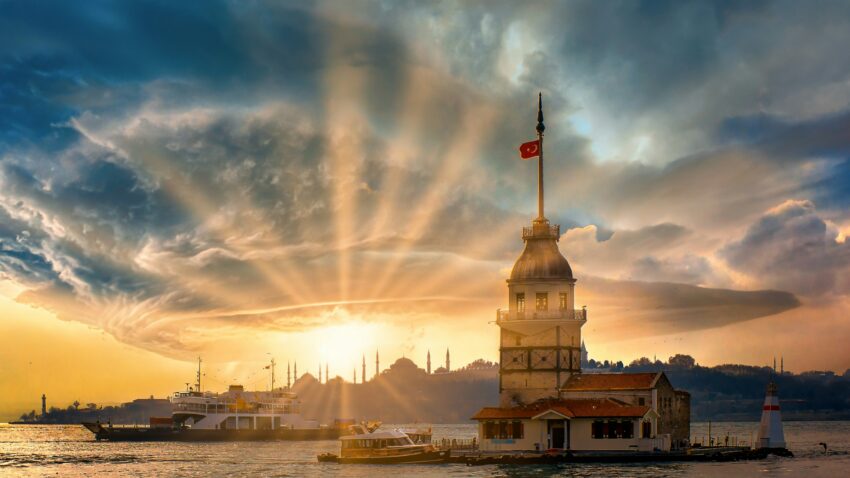
The Marmara Region is one of Türkiye’s most varied and fast-moving parts of the country, shaped by a mix of major urban centres, industrial corridors, port cities, fertile agricultural land, and historic market towns. What makes it especially interesting for travellers is the way different landscapes and settlement patterns sit so close together. You can move from imperial mosques and dense urban neighbourhoods to vineyards, olive-growing districts, beach resorts, and old Ottoman towns without covering huge distances.
It is also a region defined by movement and exchange. For centuries, trade, migration, military campaigns, and maritime connections have passed through its cities and shorelines, leaving behind a layered cultural character. In practical terms, that means the Marmara Region feels less like a single uniform destination and more like a collection of strongly individual places, from Istanbul and Edirne to Bursa, Çanakkale, Tekirdağ, Balıkesir, and the towns around the Sea of Marmara.
For visitors, the appeal lies in that range. Some come for Ottoman and Byzantine heritage, some for food and ferry-linked coastal towns, some for battlefield history around Çanakkale, and others for winter trips to Uludağ or cultural weekends in Bursa and Istanbul. The region can support quick city breaks, longer road trips, and rail-based itineraries equally well, which is one reason it remains such a strong gateway for exploring Türkiye in depth.
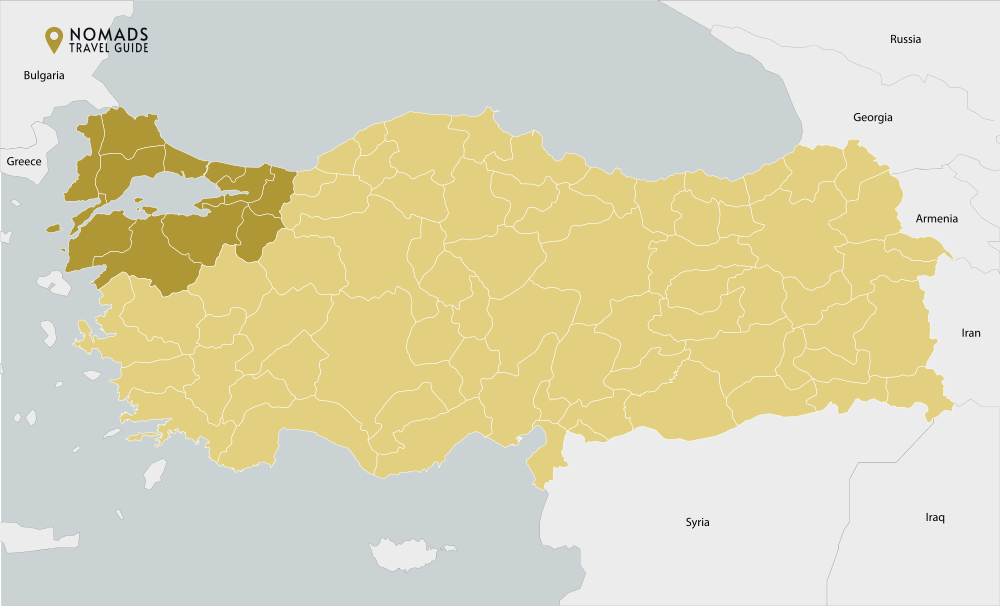
Cities of Marmara Region
Istanbul
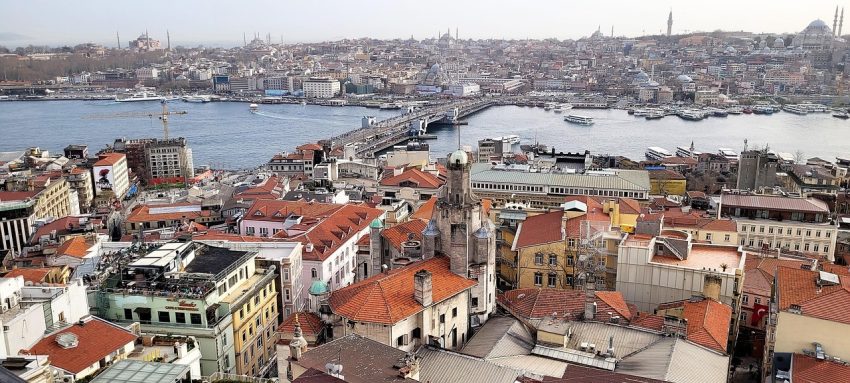
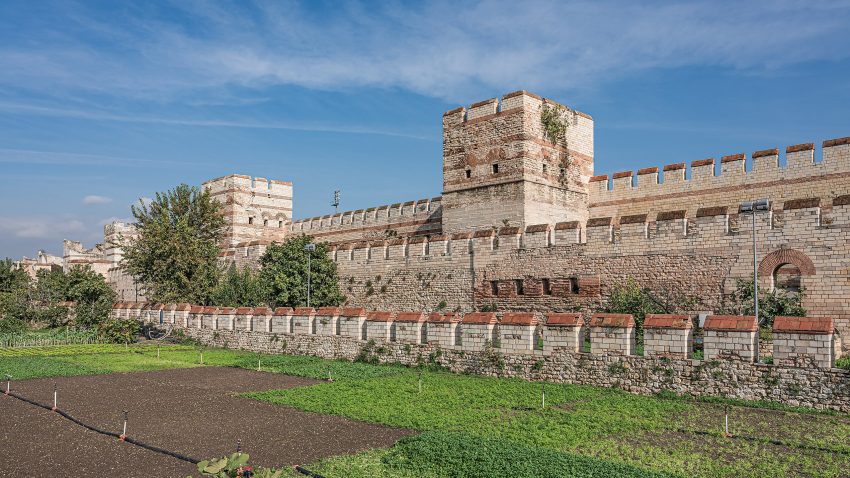
Istanbul, located in the northwest of Türkiye, straddles both Europe and Asia across the shimmering Bosphorus Strait. It’s a city of striking contrasts - where ancient domes rise beside sleek modern towers and the call to prayer drifts over bustling cafés. The city’s position between continents gives it a distinctive rhythm and energy, making it a cultural and commercial heart of the nation. Istanbul is one of the best places to visit in Türkiye, offering a blend of timeless heritage and urban sophistication that few cities in the world can match.
Visiting Istanbul is an experience that engages every sense. The aroma of freshly baked simit mingles with the scent of Turkish coffee; ferry horns echo over the water; and the colorful chaos of the Grand Bazaar invites exploration. The city’s neighborhoods each have their own charm - from the bohemian streets of Cihangir and the art galleries of Karaköy to the serene courtyards of Üsküdar across the Bosphorus. Whether you’re wandering along the waterfront promenades or discovering hidden teahouses, Istanbul offers endless layers of discovery.
For travelers, Istanbul’s allure lies not only in its landmarks but in its atmosphere. It’s a place that feels both ancient and alive, where every turn reveals a story waiting to be told. The city’s hospitality is as warm as its sunlight glinting off the domes and waters, and its culinary scene - from traditional meze to rooftop dining - is unforgettable. Visiting Istanbul is less about ticking off sights and more about feeling the pulse of a city that has shaped, and been shaped by, centuries of culture and connection.
View our Istanbul Guide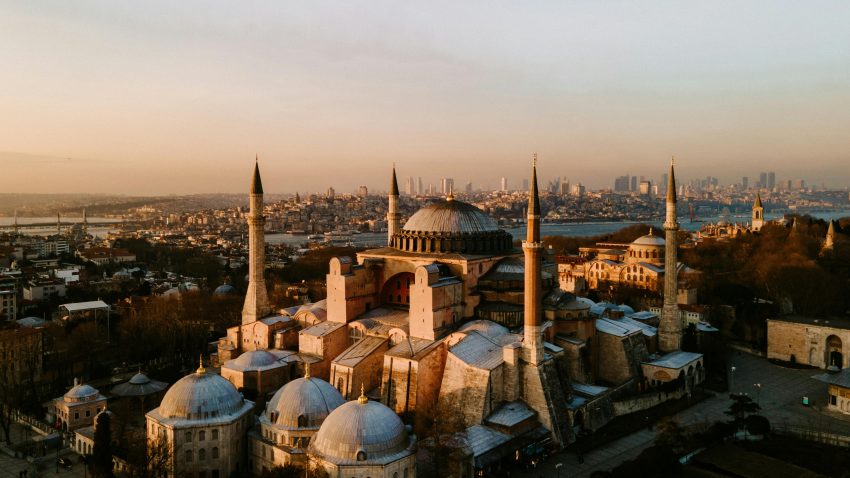
Çanakkale

Set along the sparkling waters of the Dardanelles in northwestern Türkiye, Çanakkale is a lively, welcoming city that blends modern energy with the echoes of ancient and modern history. The town sits at the narrowest point of the strait that separates Europe and Asia, giving it a special maritime character. Ferries glide across the channel, fishing boats line the harbor, and locals gather on the promenade to watch the sunset over the Gallipoli hills. Its coastal cafés, compact old town, and easygoing rhythm make it a delightful place to unwind before heading out to nearby landmarks.
Çanakkale is the perfect base for exploring some of Türkiye’s most iconic sites, including the legendary ruins of Troy and the moving battlefields of Gallipoli. Day trips are easy to arrange, and the town’s location means you can explore both sides of the Dardanelles with ease. The atmosphere here feels authentic and unhurried - a blend of students, seafarers, and travelers drawn by its proximity to world-famous heritage. It’s also a great stop on an overland journey between Istanbul and the Aegean coast, offering a more local feel than the larger resort cities further south.
With its blend of seaside beauty, cultural vibrancy, and proximity to two of the country’s most significant historical areas, Çanakkale is one of the best places to visit in Türkiye. Whether you come to see the legendary ruins of Troy, reflect at the memorials of Gallipoli, or simply enjoy a sunset by the harbor, the city rewards every traveler with a mix of relaxation, meaning, and understated charm.
View our Çanakkale GuideHistory of Marmara Region
Marmara Region in Antiquity
In antiquity, the Marmara Region was shaped by Thracian, Greek, Persian, and later Hellenistic influences, with coastal settlements and inland strongholds tied to trade routes and strategic waterways. Cities in the wider region developed as commercial and military centres because control of passages between seas and access to inland routes mattered enormously. Ancient settlements around today's Çanakkale and along the Propontis, the ancient Sea of Marmara, became deeply connected to the wider Aegean and Black Sea worlds.
Marmara Region Under Rome and Byzantium
Under Roman and then Byzantine rule, the region became one of the political and economic cores of the eastern Mediterranean world. Urban development intensified, roads and ports were strengthened, and the rise of Constantinople transformed the wider Marmara basin into the hinterland of an imperial capital. Fortifications, churches, supply networks, and agricultural production all became part of a system centred on sustaining one of the great cities of the medieval world.
Marmara Region in the Ottoman Era
The Ottoman centuries gave the Marmara Region much of the character travellers still recognize today. Bursa served as an early Ottoman capital, Edirne became another major seat of power, and Istanbul later emerged as the imperial centre on a vast scale. This period saw the construction of mosques, bridges, hans, baths, markets, külliyes, shipyards, and civic buildings that still define the historic cores of many towns across the region.
Marmara Region in the Modern Period
In the modern era, the Marmara Region became the country’s strongest zone for industry, finance, manufacturing, logistics, and population growth. Rail, highways, ports, and airports reinforced its role as Türkiye’s main transport and economic engine, while cultural institutions and festivals expanded its profile well beyond commerce alone. Even with this modern growth, the region still carries visible traces of its earlier empires, which is why its historical depth remains one of its biggest strengths.
Best Time to Visit Marmara Region
Visiting Marmara, Türkiye in Spring (Best)
Spring is the strongest all-round season for visiting the Marmara Region. The weather is generally mild, greener landscapes make the countryside and coastal areas look their best, and cities such as Istanbul, Bursa, Edirne, and Çanakkale are far more comfortable for walking than they are in peak summer. It is a particularly good time for a mixed trip that combines major sights, ferry journeys, smaller historic towns, and food-focused stops.
This is also the season when festival travel starts to become a real draw. April is a popular month for Istanbul’s spring displays and cultural energy, while May brings Kakava in Edirne, which adds a distinctive regional highlight if you want your trip to include local celebrations as well as sightseeing. For most travellers who want the broadest balance of weather, atmosphere, and flexibility, spring is the best time to go.
Visiting Marmara, Türkiye in Summer
Summer is a strong choice if you want the Marmara Region at its liveliest. Coastal towns, ferry routes, outdoor dining, and evening waterfront promenades all feel more vibrant, and this is a good season for combining city breaks with beaches, islands, or mountain escapes. It also suits travellers who want longer daylight hours and a busier cultural calendar.
Festival-wise, summer is one of the region's headline periods. June and July are especially attractive for visitors interested in major cultural events in Istanbul, while Edirne's Kırkpınar season gives early summer a very different traditional character. The trade-off is that major cities can feel hotter, busier, and more tiring during the middle of the day, so summer works best if you are happy to sightsee early and make the most of evenings.
Visiting Marmara, Türkiye in Autumn
Autumn is another excellent season for the Marmara Region, especially for travellers who want fewer crowds and comfortable touring weather. Early autumn still carries some of summer's energy, but by September and October the pace becomes easier, making it a very good time for Istanbul, Bursa, Edirne, Tekirdağ, and Çanakkale. It works particularly well for travellers focused on history, food, and road trips between towns rather than beach time.
This season also has a more relaxed feel than summer while still being highly practical for sightseeing. Museums, old town centres, waterfront districts, and archaeological areas are generally easier to enjoy when temperatures are milder, and the region’s mix of city and countryside tends to feel more manageable. If spring is the best overall season, autumn is a very close second.
Visiting Marmara, Türkiye in Winter
Winter suits travellers who are more interested in atmosphere, museums, mosques, baths, food, and seasonal city breaks than long days outdoors. The Marmara Region can be chilly, damp, and sometimes snowy, but this also gives places such as Istanbul and Bursa a more dramatic character. It is a reasonable season for travellers who want lower-key sightseeing and do not mind changeable weather.
Winter can also work well if you want thermal experiences in Bursa or a trip linked to mountain conditions around Uludağ rather than a classic touring itinerary. It is the least reliable season for broad regional travel if your priority is moving between several towns and spending long hours outdoors, but it can still be rewarding for a more focused cultural trip.
Annual Weather Overview
- January 10°C 53°F
- February 11°C 55°F
- March 12°C 57°F
- April 16°C 65°F
- May 21°C 74°F
- June 25°C 81°F
- July 29°C 88°F
- August 29°C 87°F
- September 24°C 79°F
- October 21°C 74°F
- November 17°C 67°F
- December 11°C 56°F
How to get to Marmara Region
Getting to the Marmara Region by Air
The Marmara Region is the easiest part of Türkiye to enter by air because it is served by several major and regional airports. Istanbul is the main international gateway through İstanbul Airport and İstanbul Sabiha Gökçen Airport, while other useful airports in the region include Bursa Yenişehir Airport, Çanakkale Airport, Çanakkale Gökçeada Airport, Balıkesir Koca Seyit Airport, Balıkesir Merkez Airport, Tekirdağ Çorlu Atatürk Airport, and Kocaeli Cengiz Topel Airport. For most travellers heading to Istanbul, Bursa, Edirne, Tekirdağ, Çanakkale, or the southern Marmara coast, flight choice depends less on region-wide access and more on which town you want to reach first.
Getting to the Marmara Region by Train
Train travel is a strong option for parts of the Marmara Region, especially around Istanbul and the eastern side of the region. TCDD Taşımacılık operates national passenger and high-speed services, with Istanbul connected into the wider YHT network toward cities such as Eskişehir, Ankara, Konya, and Sivas, while Marmaray helps move travellers across metropolitan Istanbul and link suburban rail corridors. For rail planning, use TCDD Taşımacılık
and Marmaray
[trains].
Getting to the Marmara Region by Road and Ferry
Road travel works especially well if you want to combine several towns in one trip. Highways and major roads make it practical to link Istanbul with Edirne, Tekirdağ, Bursa, İzmit, Sakarya, Balıkesir, and Çanakkale, and self-driving is often the easiest way to explore smaller coastal places and inland historic towns. Ferries are also important in the region, particularly around Istanbul and across the Sea of Marmara, where they can save time and make multi-stop itineraries much more flexible.
Getting Around the Marmara Region
Getting around depends on which part of the region you are visiting. Istanbul has the most extensive public transport system, including metro, tram, ferries, Marmaray, and buses, while Bursa also has a solid urban transport network and easy access to Uludağ. Edirne, Çanakkale, Tekirdağ, and Balıkesir are simpler to navigate, but if you want to connect several towns, a combination of intercity coach, private car, and selected rail segments usually works best. For a broader trip through the region, many travellers arrive in Istanbul, move west toward Edirne or south toward Bursa and Çanakkale, then continue by road depending on whether they want coastline, battlefield history, or smaller Ottoman towns.
Festivals in Marmara Region
- Istanbul Film Festival is one of the region’s flagship cultural events and remains one of the most important cinema festivals in Türkiye. Held in Istanbul in April, it draws international films, Turkish productions, industry audiences, and serious filmgoers, giving the city a distinctly cosmopolitan atmosphere.
- Istanbul Music Festival is a major classical music event in Istanbul, usually associated with June. It is important because it brings major orchestras, soloists, chamber ensembles, and prestigious venues together, reinforcing the city’s long-standing place in Türkiye’s cultural calendar.
- Istanbul Jazz Festival, held in July, is one of the region’s best-known summer events. Its importance lies in its broad programming across jazz, funk, world music, blues, and crossover acts, and in the way it uses multiple venues to animate the city during the warmer months.
Istanbul Biennial is one of the Marmara Region’s most internationally recognized art events. Held biennially in Istanbul, generally in the autumn cycle, it has been organized by İKSV since 1987 and is a major meeting point for contemporary art, curatorial practice, and international cultural exchange. - Kırkpınar Oil Wrestling Festival in Edirne is one of the most historically important events in the region and one of the oldest continuing sporting traditions in the country. Staged around late June and early July, it is much more than a sports contest, carrying deep ceremonial and heritage value.
- Kakava Festivities in Edirne, celebrated in May, are one of the Marmara Region’s most distinctive cultural celebrations. Strongly associated with Romani heritage and spring renewal rituals, Kakava gives Edirne a very different festival identity from its Ottoman monuments and wrestling traditions.
- International Çanakkale Biennial is one of the most significant contemporary art events outside Istanbul in the region. It has helped position Çanakkale as an active cultural centre, using exhibitions and parallel programming to connect local identity with international art discourse.
- International Troia Festival in Çanakkale, usually associated with August, is important because it links the city’s modern cultural life with the prestige of ancient Troy and the wider historical imagination of the area. It typically brings performances, concerts, and public events into the height of summer.
- Bursa International Festival is one of the long-established cultural events of southern Marmara. Usually held in the summer period, it adds concerts, stage performances, and broader arts programming to a city better known internationally for Ottoman heritage and mountain tourism.
- Bursa International Children and Youth Theatre Festival, usually held in May, is especially important because it broadens the region’s festival calendar beyond heritage and music by focusing on performance for younger audiences. It gives Bursa a strong cultural role in theatre as well as history.