Complete Guide to Bremen & Lower Saxony (2026)

The Bremen & Lower Saxony region in northern Germany offers a unique combination of historical charm and modern vibrancy. Bremen, the region's largest city, is a UNESCO World Heritage site, known for its medieval architecture, including the iconic Bremen Town Hall and Roland Statue in the city center. Lower Saxony, on the other hand, is a diverse state with bustling cities like Hannover and Wolfsburg, while also offering picturesque villages, pristine lakes, and expansive coastal landscapes along the North Sea.
Lower Saxony is a paradise for nature lovers, offering a variety of outdoor activities in its vast forests, lakes, and coastal areas. The region is home to the stunning Wadden Sea, a UNESCO World Heritage site, which offers visitors the chance to explore the unique tidal flats and spot seals. The Harz Mountains, a prominent natural landmark, provides fantastic hiking and skiing opportunities. From cycling along the Elbe River to enjoying water sports on Lake Steinhude, Bremen & Lower Saxony offers endless possibilities for those seeking outdoor adventure in scenic surroundings.
The Bremen & Lower Saxony region is rich in cultural heritage, with several museums, galleries, and festivals celebrating its unique identity. Bremen itself is known for the Bremen Town Musicians, a famous fairytale, and the city hosts numerous festivals, such as the Bremen Freimarkt, one of the oldest fun fairs in Germany. Lower Saxony has a deep agricultural tradition, with regional festivals celebrating local food, crafts, and folk traditions. The state also boasts several beautiful castles, historic towns, and charming coastal villages, making it a captivating region for cultural enthusiasts.

Cities of Bremen & Lower Saxony
Bremen

Bremen is a city in northern Germany, located on the Weser River. It is the capital of the state of Bremen, which is made up of two cities, Bremen and Bremerhaven. Bremen has a rich history and is known for its Hanseatic heritage, as well as its role as a major port city. It has a population of around 570,000 people, making it the 10th largest city in Germany.
The city is home to many historic buildings and landmarks, including the UNESCO World Heritage Site of the Bremen Town Musicians statue, the 15th-century Gothic-style Bremen Cathedral, the medieval Schnoor quarter, and the iconic Bremen Roland statue in the historic Market Square.
Bremen is also known for its cultural scene, with a variety of museums, theaters, and music venues, such as the Bremen Shakespeare Company, the Kunsthalle Bremen art museum, and the Bremen Music Festival. The city is also famous for its beer culture, with several breweries and beer gardens, and hosts one of the largest beer festivals in the world, the Bremen Freimarkt.
Overall, Bremen is a vibrant and historic city with a unique culture and attractions that draw visitors from around the world.
View our Bremen Guide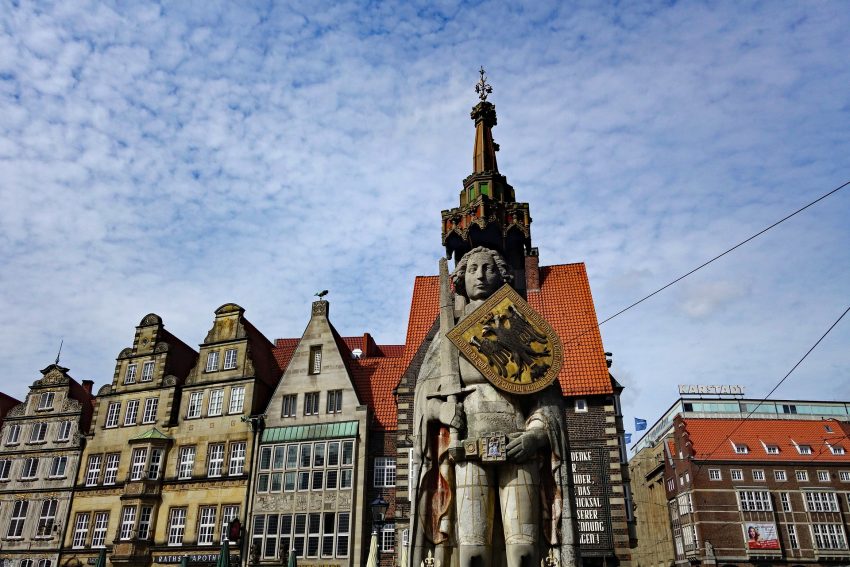
Göttingen

Göttingen is a city located in Lower Saxony, Germany, and it is also a stop on the Fairy Tale Route. The city is known for its historical and cultural landmarks, including the Göttingen Old Town, which is home to several half-timbered buildings and the St. Johannis Church, a Gothic-style church built in the 14th century.
In terms of the Fairy Tale Route, Göttingen is famous for its connection to the Grimm Brothers. Jacob and Wilhelm Grimm worked at the University of Göttingen as professors of linguistics and philology from 1829 until their dismissal in 1837 due to political conflicts. During their time in Göttingen, they continued to research and collect fairy tales, and published several volumes of their famous fairy tales.
Visitors to Göttingen can explore the Grimm Brothers’ legacy by visiting the historic university campus, which includes the Jacob and Wilhelm Grimm Center, a library dedicated to their works. The city also hosts an annual fairy tale festival, where visitors can enjoy fairy tale performances, art exhibitions, and other cultural activities. Additionally, the Göttingen International Handel Festival is a major cultural event that takes place every year, celebrating the life and works of composer George Frideric Handel.
View our Göttingen GuideHamelin

Hamelin (also spelled Hameln in German) is a town in Lower Saxony, Germany, located on the banks of the River Weser. The town is famous for its association with the medieval folk tale of the Pied Piper of Hamelin, which tells the story of a piper who lures away the town’s children with his magical pipe after the townspeople refuse to pay him for ridding them of rats.
Hamelin is a charming town with a rich history, beautiful architecture, and picturesque cobblestone streets. Its historic center features many half-timbered buildings, including the famous Hochzeitshaus (Wedding House) where wedding ceremonies have been held for over 400 years.
In addition to the Pied Piper legend, Hamelin is known for its Christmas market, which draws visitors from all over Germany and beyond. The town is also home to several museums, including the Hamelin Museum, which showcases the town’s history and culture, and the Museum Hameln, which focuses on the life and work of Heinrich von Kleist, a renowned German writer.
View our Hamelin Guide
Hannoversch Münden

Hannoversch Münden is a charming town located at the confluence of the Werra and Fulda rivers, where they merge to form the Weser River in Breman and Lower Saxony in Central Germany. The town is known for its well-preserved medieval and half-timbered buildings, many of which date back to the 16th and 17th centuries, and is often referred to as the “pearl of the Weser Renaissance.”
Visitors to Hannoversch Münden can explore the town’s picturesque streets, visit museums and galleries, and enjoy outdoor activities such as hiking and cycling along the nearby rivers and forests. Some of the town’s most notable attractions include the historic town hall with its beautiful Renaissance façade, the Dr. Eisenbart Museum which showcases the history of medicine and surgery, and the Gothic-style St. Blasius Church.
The town is also a popular starting point for boat tours on the Weser River, where you can enjoy stunning views of the surrounding countryside and visit nearby attractions such as the medieval castle of Hann. Münden and the 14th-century Welfenschloss Castle. With its scenic location, rich history, and charming architecture, Hannoversch Münden is a must-visit destination on any trip to Germany.
View our Hannoversch Münden GuideBodenwerder

Bodenwerder is a small town in the Breman and Lower Saxony region of Germany, located on the banks of the Weser River. The town is best known as the birthplace of Baron Münchhausen, a fictional character based on the real-life nobleman Hieronymus Karl Friedrich von Münchhausen who was famous for telling tall tales and exaggerated stories. In honor of the Baron, Bodenwerder hosts an annual Münchhausen festival that celebrates his legacy with a variety of events, including a parade, live music, and historical reenactments.
In addition to the Münchhausen connection, Bodenwerder is also a popular destination for outdoor enthusiasts. The surrounding countryside offers opportunities for hiking, cycling, and boating along the Weser River. Visitors can explore the nearby Schaumburg Castle, a historic fortress that dates back to the 11th century and offers scenic views of the surrounding landscape. The town itself has a charming, old-world feel with traditional half-timbered houses, narrow streets, and a picturesque market square.
View our Bodenwerder GuideFürstenberg

Fürstenberg is a small town located in the district of Holzminden in Lower Saxony, Germany. It is situated on the banks of the Weser River, surrounded by beautiful forests and rolling hills.
The town is well-known for its porcelain production, and visitors can learn more about this craft at the Fürstenberg Porcelain Museum. The museum houses a collection of porcelain artifacts dating back to the 18th century, as well as a workshop where visitors can watch skilled artisans create porcelain pieces by hand.
Fürstenberg is also home to a 16th-century castle, Schloss Fürstenberg, which has been beautifully restored and is open to the public for tours. The castle has a fascinating history, having been destroyed and rebuilt multiple times throughout the centuries.
Outdoor enthusiasts can enjoy hiking and cycling along the many trails that wind through the surrounding forests and hills. In the summer months, the Weser River is a popular spot for swimming, boating, and fishing.
Overall, Fürstenberg is a charming and picturesque town that offers visitors a glimpse into Germany’s rich history and culture.
View our Fürstenberg GuideHannover

Hannover, located in the Bremen & Lower Saxony region, is a dynamic city that balances green spaces with urban energy. It’s a great destination for travelers who enjoy a mix of cultural attractions and outdoor experiences. The Herrenhausen Gardens are a standout, with their baroque design, fountains, and seasonal flower displays offering a peaceful escape within the city. Nearby, the Maschsee lake is ideal for walking, cycling, or renting a boat in warmer months, creating a relaxing atmosphere right in the heart of Hannover.
For those interested in arts, science, and city life, Hannover delivers with diverse museums, galleries, and theaters. The Sprengel Museum is a highlight for modern art lovers, and the city center offers plenty of shopping and dining options. Visitors can follow the “Red Thread,” a self-guided walking tour marked on the pavement, leading past key sites like the New Town Hall and Opera House. Whether you’re after a day of culture or a few hours in a leafy park, Hannover’s balanced pace and variety make it an easygoing and rewarding stop.
View our Hannover GuideGoslar

Goslar, located in the Bremen & Lower Saxony region, is a charming town nestled at the foot of the Harz Mountains, ideal for travelers who enjoy a mix of scenic beauty and cultural atmosphere. Its medieval Old Town is a delight to explore on foot, filled with narrow cobblestone lanes, half-timbered houses, and cozy squares. Landmarks like the Imperial Palace (Kaiserpfalz), Market Church, and the carillon at the Market Square add layers of interest for a leisurely day of discovery. Cafés, small shops, and traditional restaurants offer plenty of opportunities to pause and enjoy the town’s relaxed pace.
Beyond the town center, Goslar is a great base for outdoor adventures in the surrounding Harz region. The nearby district of Hahnenklee offers hiking, biking, and winter sports options, while the Rammelsberg Mine adds a fascinating industrial heritage site to the itinerary. Whether you’re visiting in summer for its cool mountain air or in winter for its festive charm and snowy trails, Goslar provides a peaceful yet engaging experience in one of northern Germany’s most scenic corners.
View our Goslar GuideBraunschweig
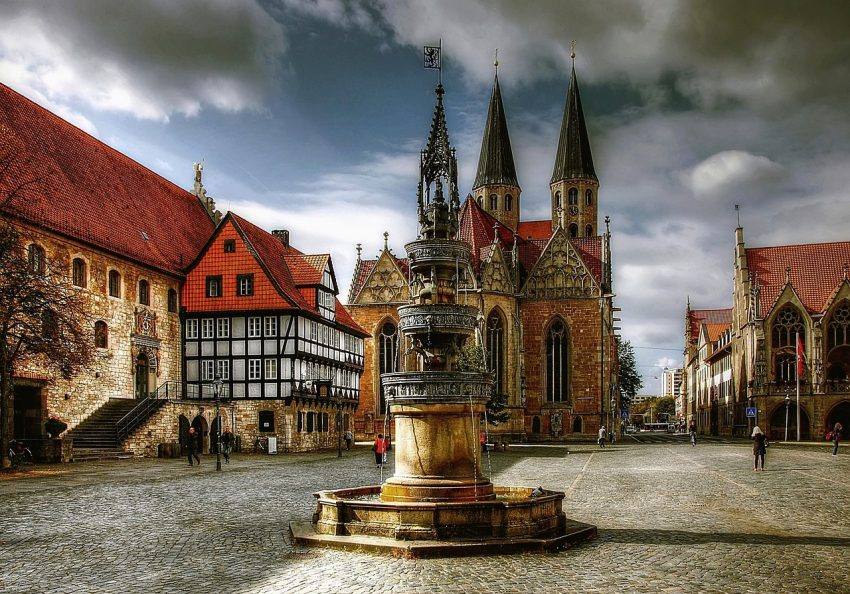
Braunschweig, located in the Bremen & Lower Saxony region, is a vibrant city with a mix of historical landmarks and modern urban life. Its compact city center is ideal for walking, with highlights like Burgplatz, the impressive Brunswick Cathedral, and the iconic Lion Statue creating a strong sense of heritage and local pride. The surrounding streets offer a blend of medieval charm and contemporary shopping, cafés, and public art. It’s a great destination for travelers who want to explore a lively city with a strong cultural identity.
The city also has a thriving museum and arts scene. The Herzog Anton Ulrich Museum features one of the oldest art collections in Europe, while the Happy Rizzi House adds a splash of pop-art whimsy to the cityscape. Along the Oker River, you’ll find peaceful green areas and even the option for a relaxing boat ride. Whether you’re there for a day trip or a longer stay, Braunschweig offers a rich variety of experiences in a manageable and welcoming setting.
View our Braunschweig GuideLüneburg
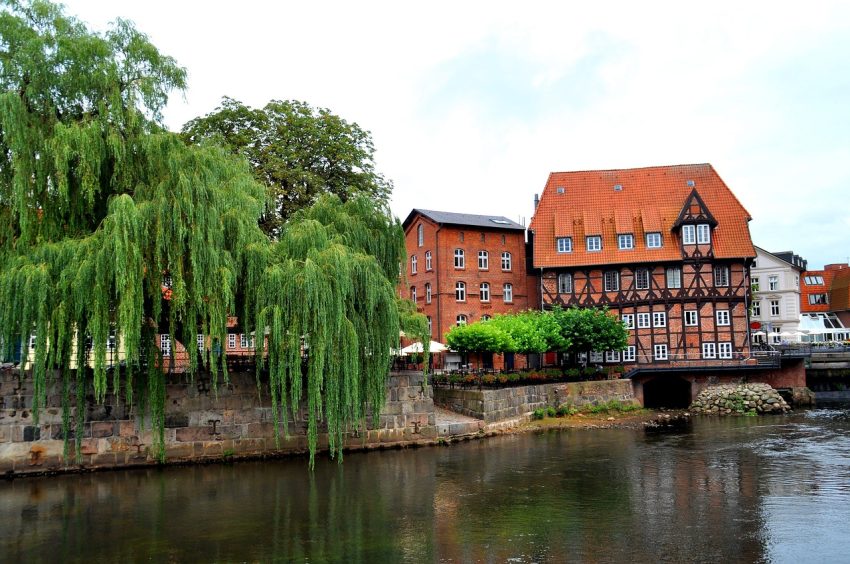
Lüneburg, situated in the Lower Saxony region, is a captivating destination that seamlessly blends medieval charm with contemporary vibrancy. The city’s well-preserved architecture, characterized by red-brick Gothic buildings and narrow cobblestone streets, invites visitors to explore its rich heritage. Strolling through the historic Old Town, one can admire landmarks such as the Am Sande square, lined with impressive gabled houses, and the iconic St. John’s Church with its towering spire. The bustling Stintmarkt area along the Ilmenau River offers picturesque views and a variety of cafés and restaurants, perfect for experiencing local flavors.
Beyond its architectural allure, Lüneburg offers a range of cultural and recreational activities. The German Salt Museum provides insight into the city’s prosperous salt-trading past, while the nearby Lüneburg Heath presents opportunities for nature enthusiasts to explore expansive heathlands, especially vibrant during the late summer bloom. With a lively student population from Leuphana University, the city also boasts a dynamic arts and entertainment scene, featuring theaters, galleries, and music venues that contribute to its contemporary appeal.
View our Lüneburg GuideCelle

Celle, located in the Bremen & Lower Saxony region, is a delightful town that effortlessly combines fairytale architecture with a relaxed, walkable atmosphere. Its Old Town is filled with over 400 meticulously preserved half-timbered houses, creating one of the most charming historic centers in Germany. Strolling through the narrow streets, visitors will discover boutique shops, cozy cafés, and inviting squares that make Celle ideal for a day of relaxed exploration. The baroque-style Celle Palace stands at the heart of it all, anchoring the town’s elegant feel and providing a picturesque backdrop for photos and cultural visits.
Beyond its beauty, Celle also offers a lively cultural scene and access to peaceful green spaces. The French Garden and Castle Park are perfect for unwinding, while the art museum and various galleries provide insight into both regional and modern creativity. Celle is compact and easy to navigate on foot or by bike, making it a pleasant escape from busier cities. Whether you’re interested in architecture, art, or simply soaking up a tranquil town with strong character, Celle is a rewarding destination year-round.
View our Celle GuideHistory of Bremen & Lower Saxony
Bremen & Lower Saxony: Early Beginnings and Roman Influence
The history of Bremen & Lower Saxony dates back to ancient times, with evidence of prehistoric settlements in the region. During the Roman era, the area was part of the Roman Empire, with trade routes passing through what is now modern Bremen. The Franks later dominated the region, and during the Early Middle Ages, Bremen became an important center for Christianization. The town grew rapidly in the 9th century as it became a significant trading hub, attracting merchants from across Europe.
Bremen & Lower Saxony: The Hanseatic League and Expansion
In the Middle Ages, Bremen was a key member of the Hanseatic League, a powerful network of trade cities in northern Europe. This period saw the city’s growth into a major commercial and political center, with its famous Bremen Town Hall and Roland Statue symbolizing its wealth and independence. Lower Saxony was divided into several smaller duchies and territories during this time, with Hanover and Braunschweig being significant towns. The region prospered through agriculture, trade, and the development of its maritime economy, especially along the North Sea coast.
Bremen & Lower Saxony: Modern Times and Industrialization
The 19th century brought industrialization to Bremen & Lower Saxony, transforming the region’s economy and landscape. The Hanoverian Kingdom played a significant role in the early stages of industrial development, and by the mid-1800s, Hannover had become an important center for railway networks, manufacturing, and trade. Bremen, with its historic port, continued to be a major player in international commerce. After World War II, Bremen & Lower Saxony became part of the newly-formed Federal Republic of Germany. In the decades that followed, the region experienced rapid economic growth, particularly in the automotive and technology sectors, solidifying its place as a modern industrial and cultural hub. Today, Bremen remains a vibrant city, while Lower Saxony boasts a mix of thriving urban centers, agricultural regions, and natural beauty.
Best Time to Visit Bremen & Lower Saxony
Visiting Bremen & Lower Saxony in Spring
Spring (March to May) in Bremen & Lower Saxony is a pleasant time to visit, with temperatures ranging from 5°C to 15°C during the day. March can still be a bit chilly with daytime highs around 5°C to 10°C, while May sees warmer temperatures between 15°C and 20°C. This is the season when gardens and parks, particularly in cities like Bremen and Hannover, begin to bloom, making it perfect for outdoor activities like cycling, walking, and sightseeing.
Visiting Bremen & Lower Saxony in Summer
Summer (June to August) is the most popular time to visit Bremen & Lower Saxony. Daytime temperatures during these months typically range from 20°C to 30°C, with occasional heatwaves pushing the mercury above 30°C. Nights are generally mild, averaging around 15°C to 20°C. Summer offers the perfect weather for enjoying outdoor festivals, events, and exploring the natural beauty of the Wadden Sea, Harz Mountains, and Lüneburg Heath. Cities like Bremen, Hannover, and Bremerhaven also host vibrant cultural events during this time.
Visiting Bremen & Lower Saxony in Autumn
Autumn (September to November) in Bremen & Lower Saxony offers cooler temperatures and beautiful fall foliage. In September, daytime temperatures remain mild, ranging from 15°C to 22°C, but by November, temperatures drop to between 5°C and 10°C, with nights dipping close to freezing. This is a fantastic time for scenic drives through forests and vineyards, particularly in the Harz and Weser Uplands, with the landscape transforming into a colorful tapestry of autumn leaves.
Visiting Bremen & Lower Saxony in Winter
Winter (December to February) in Bremen & Lower Saxony is cold, with temperatures averaging between -2°C and 5°C during the day. Nights are often below freezing, with temperatures ranging from -3°C to -10°C. While snow is not guaranteed, the winter months bring a crisp chill to the region. The holiday season is particularly magical, with Christmas markets in Bremen and Hannover offering festive cheer. Winter is also a good time to enjoy the cozy atmosphere in cafes and museums while exploring the cultural heritage of the region.
Annual Weather Overview
- January 5°C 44°F
- February 7°C 48°F
- March 10°C 54°F
- April 16°C 65°F
- May 19°C 71°F
- June 22°C 75°F
- July 24°C 79°F
- August 25°C 80°F
- September 21°C 74°F
- October 15°C 63°F
- November 9°C 52°F
- December 8°C 50°F
How to get to Bremen & Lower Saxony
Getting to Bremen & Lower Saxony by Air
Bremen Airport (BRE)
Bremen Airport is the main airport serving the Bremen area, located approximately 3.5 km from the city center. It offers a variety of domestic and international flights, particularly to European destinations. The airport is well-connected to Bremen’s city center by tram, bus, and taxi services. Bremen Airport
Hannover Airport (HAJ)
For those heading to the southern part of Lower Saxony, Hannover Airport is an important international gateway. It is located around 11 km from Hannover’s city center and serves both domestic and international flights. With excellent rail and bus connections, travelers can easily reach Hannover and other towns in Lower Saxony from the airport. Hannover Airport
Langenhagen Airport (LHG)
Located just outside Hannover, Langenhagen Airport is another hub for domestic flights, with services to and from major European cities. The airport is well-connected to Hannover by train, offering quick access to the region’s key destinations.
Getting Around Bremen & Lower Saxony by Train
Deutsche Bahn (DB)
The primary way to travel by train in Bremen & Lower Saxony is through Deutsche Bahn (DB), Germany’s national rail service. Bremen and Hannover are major train hubs, and the ICE (InterCity Express) offers fast and direct connections to other cities within the region, including Oldenburg, Braunschweig, and Celle. Regional trains and S-Bahn services connect smaller towns and areas, making it easy to explore the region by rail. Deutsche Bahn
NordWestBahn
For regional travel within Lower Saxony, NordWestBahn operates local train services, particularly in the western part of the state, connecting cities such as Osnabrück, Bremen, and Hannover. NordWestBahn
Getting Around Bremen & Lower Saxony by Car
Car Rental
Renting a car is a convenient way to explore Bremen & Lower Saxony, especially for visiting smaller towns, coastal areas, and rural landscapes. Major highways such as the A1, A7, and A27 run through Lower Saxony, connecting Bremen to towns like Bremerhaven, Oldenburg, and Wolfsburg. Rental services are available at both Bremen and Hannover airports, and car rental offices are scattered throughout the region.
Public Transport
In Bremen and Hannover, public transportation is efficient, with a comprehensive network of buses, trams, and U-Bahn (subway) systems. Bremen’s Bremen-Verkehrsbetriebe (BSAG) and Hannover’s Üstra operate the local transport, making it easy to navigate around the cities and reach key attractions.
Bus Services
For longer distances between cities and towns, FlixBus provides affordable intercity bus services. It connects Bremen, Hannover, and other towns in Lower Saxony with cities across Germany and Europe. FlixBus
Getting Around Bremen & Lower Saxony by Boat
Bremen & Lower Saxony’s proximity to the North Sea makes boat travel a scenic and enjoyable option. Bremen‘s location along the Weser River offers river cruises, and you can take ferries to nearby islands and coastal towns. Bremerhaven, in particular, is an important port city with ferry services connecting to Helgoland and other North Sea destinations.
Festivals in Bremen & Lower Saxony
Bremer Freimarkt
When: October
Where: Bremen
The Bremer Freimarkt is one of the oldest and largest fairs in Germany, held annually in Bremen. It features a wide range of rides, attractions, and food stalls, creating a festive atmosphere with thousands of visitors.
Hannover Maschsee Festival
When: August
Where: Hannover
The Hannover Maschsee Festival is a vibrant summer event held around Maschsee Lake in Hannover. The festival features live music, boat races, food vendors, and cultural performances, making it a highlight of the summer in Lower Saxony.
Weser Festival
When: June
Where: Bremen
The Weser Festival celebrates the Weser River with boat races, water sports, and various cultural events along the riverbanks of Bremen. It’s a celebration of the city’s historical connection to the river.
Bremen Christmas Market
When: December
Where: Bremen
The Bremen Christmas Market is a popular holiday event that transforms the city center into a festive winter wonderland. Visitors can enjoy traditional Christmas foods, handcrafted gifts, and festive entertainment in a charming atmosphere.
Oldenburg International Film Festival
When: September
Where: Oldenburg
The Oldenburg International Film Festival is an important film event in Lower Saxony, showcasing independent and international films. The festival is known for its relaxed atmosphere and its focus on innovative cinema.
Bremerhaven Maritime Festival
When: May
Where: Bremerhaven
The Bremerhaven Maritime Festival is a celebration of the city’s maritime heritage, featuring ships, sailing regattas, and maritime exhibitions. It’s an exciting event for visitors interested in maritime history and sea-related activities.
Lüchow-Dannenberg Spring Festival
When: April
Where: Lüchow-Dannenberg
The Lüchow-Dannenberg Spring Festival marks the arrival of spring in the region with traditional celebrations, music, food, and local craft stalls in the picturesque town of Lüchow.
Bremen Wine Festival
When: May
Where: Bremen
The Bremen Wine Festival celebrates the region’s wine culture with tastings, food pairings, and wine-themed events in the heart of Bremen. Visitors can sample local wines and enjoy live entertainment.
Celle Castle Festival
When: June
Where: Celle
The Celle Castle Festival is held in the stunning Celle Castle in Lower Saxony, featuring music concerts, theater performances, and open-air events. The festival celebrates the arts and the beauty of this historical location.
Niedersachsen Country Music Festival
When: July
Where: Hannover
The Niedersachsen Country Music Festival in Hannover brings together country music lovers from all over the world. It features performances by both international and local country artists, along with dance floors and themed events.