Wroclaw Opera House, Wrocław
Opera House in Wrocław
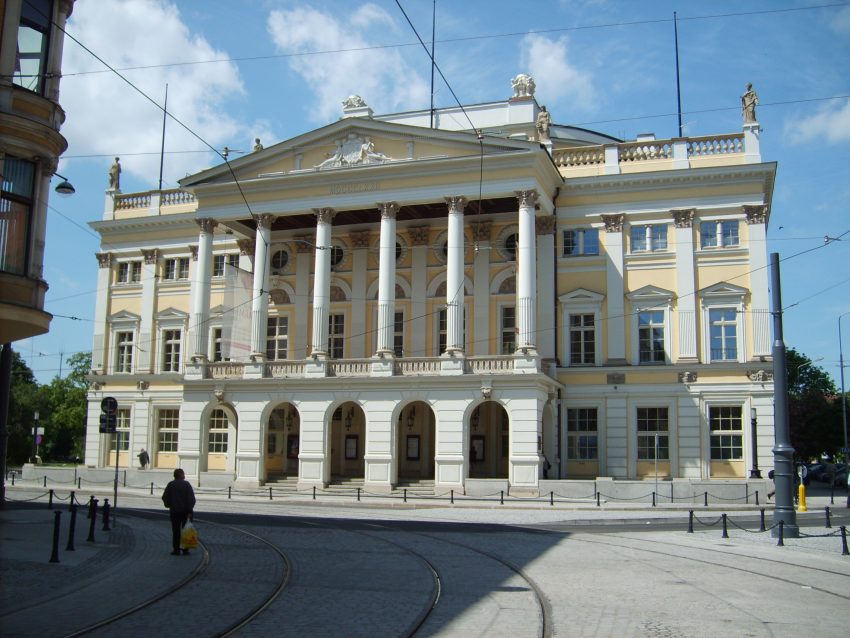
The Wrocław Opera House (Opera Wrocławska) sits right in the city centre on Świdnicka Street, close enough to the Old Town that you can fold it into an afternoon of wandering without changing your rhythm. From the outside it's all neoclassical confidence and theatre-night glamour, and it earns its reputation as one of the top attractions in Wrocław if you enjoy architecture that feels built for occasion.
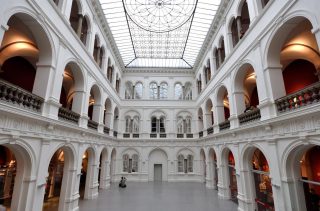
Inside, the experience is about atmosphere as much as the programme: plush interiors, a sense of ceremony, and that particular hush just before the music starts. It's also an easy highlight to weave into a walking tour of Wrocław, especially if you plan it as a “bookend” to your day: Old Town sightseeing first, then opera or ballet as your evening finale.
Table of Contents
- History and Significance of the Wrocław Opera House
- Things to See and Do in the Wrocław Opera House
- How to Get to the Wrocław Opera House
- Practical Tips on Visiting the Wrocław Opera House
- Where to Stay Close to the Wrocław Opera House
- Is the Wrocław Opera House Worth Visiting?
- For Different Travelers
- FAQs for Visiting the Wrocław Opera House
- Nearby Attractions to the Wrocław Opera House
History and Significance of the Wrocław Opera House
The opera’s story is deeply tied to Wrocław’s layered identity, shaped by shifting borders, artistic traditions, and the city’s long-standing place in Central European cultural life. What’s striking today is not only that the building has endured, but that it still functions as a living institution rather than a preserved monument, with a regular repertoire and a strong local audience.
In practical terms, that means you're visiting a venue that's meant to be used: you feel it in the scale of the auditorium, the way the public spaces flow, and the sense that this is where Wrocław comes to mark anniversaries, premieres, and big nights out. Even if you don't catch a full production, the opera is a valuable “texture stop” that adds a more sophisticated, evening-facing layer to your city break.
Things to See and Do in the Wrocław Opera House
The headline experience is, of course, seeing a performance. If you can, choose a classic opera or ballet for the full theatrical impact, then arrive a little early so you can enjoy the building at its most cinematic, when the foyer starts to fill and the night feels like an event rather than a scheduled activity.
If you prefer daytime culture, look for a guided visit such as the Operowy Labirynt, which is designed to show you the backstage logic of an opera house: how productions move, where rehearsals happen, and what visitors usually never notice when they’re seated in the auditorium. Done well, it changes how you watch a performance afterwards, because you start to understand the craft and logistics behind the glamour.
Keep an eye on special staging concepts too, because Wrocław is known for mounting larger-scale productions beyond the traditional indoor stage. The best approach is to scan the current programme around your travel dates and then pick one thing you genuinely want to see, rather than treating it as a “maybe” add-on.
How to Get to the Wrocław Opera House
The closest airport is Wrocław Airport (WRO), and from there the easiest route is into the centre by taxi or public transport, then a short walk to Świdnicka Street. For the best deals and a seamless booking experience, check out these flights to Wrocław on Booking.com.
By train, arrive at Wrocław Główny and continue on foot or by tram for a quick, city-centre connection that works well for an evening performance. You can easily check schedules and book tickets through the PKP Intercity website. However, for a smoother experience, we recommend using Omio, which simplifies the booking process and lets you compare prices and schedules all in one place.
Local trams and buses stop frequently in the central area, so it’s easy to plan a low-stress arrival that doesn’t depend on traffic or parking.
If you’re driving, use a central car park and walk the last stretch so you can arrive calmly and avoid last-minute delays in the busiest streets. If you are looking to rent a car in Poland I recommend having a look at Discover Cars, first, as they compare prices and review multiple car rental agencies for you.
Practical Tips on Visiting the Wrocław Opera House
- Entrance fee: Performances: ticket prices vary by production, often in the 40–200 zł range (and sometimes more for premium events). Guided tour (Operowy Labirynt): 20 zł (standard) / 10 zł (reduced).
- Opening hours: Monday – Saturday: 12:00–19:00. Sunday: 09:30–16:30 (matinee performance days) & 11:00–18:00 (evening performance days). Closed 24–26 December.
- Official website:
- Best time to visit: Aim for an evening performance for the full theatre-night atmosphere, or choose a daytime tour if you want backstage context without committing to a full show.
- How long to spend: Plan 2.5-4 hours for a full performance night including arrival and intervals, or about 60 minutes for a guided visit.
- Accessibility: Accessibility can vary by seating area and tour route, so it’s worth checking access details when you book, particularly if stairs are a concern.
- Facilities: Expect cloakroom and bar-style interval service on performance nights, with nearby cafés and restaurants making it easy to build a complete evening around your visit.
Where to Stay Close to the Wrocław Opera House
For a culture-heavy itinerary, base yourself in or just beside the Old Town so you can walk to sights by day and return easily for an opera night without relying on late transport.
If you want the most seamless “step out and you’re basically there” experience, Hotel Monopol Wrocław is a classic choice near the opera for a dressed-up city break. If you prefer something stylish and central with an easy walk to both the Market Square and evening performances, Great Polonia The Granary - La Suite Hotel fits neatly into a walk-everywhere plan. For a modern, full-service stay that still keeps you close to the centre while adding extra comfort, DoubleTree by Hilton Wroclaw is a strong option.
Is the Wrocław Opera House Worth Visiting?
Yes, particularly if you enjoy travel experiences that feel local, time-specific, and genuinely memorable after the photos fade. An opera night gives you a different relationship with the city: you're not only looking at Wrocław, you're participating in it.
It’s also a flexible “value add” to an itinerary. You can go all-in with a major production, keep it simple with a guided visit, or even just note it as an architectural landmark as you walk Świdnicka Street, but the best payoff comes when you plan one evening around it.
What Other Travellers Say...

Opera Wrocławska on Świdnicka Street is a richly decorated 19th-century opera house known for its opulent interior and excellent acoustics; visitors praise the beautiful renovated appearance and recommend arriving early since tickets sell out and latecomers may be prevented from taking their seats until intermission. While many attendees dress up and there’s a small balcony bar serving drinks, some note uneven accessibility to upper floors and occasional customer service or ticketing disappointments (including complaints about VIP benefits and staff handling). Overall it’s a rewarding stop for opera fans, but buy tickets early and be mindful of seating notes and house rules.


For Different Travelers
Families with Kids
For families, the easiest win is a shorter, structured experience rather than a long evening performance, especially with younger children. If a family-friendly programme or guided visit is available during your dates, it tends to deliver the excitement of “behind the curtain” without testing attention spans.
If you do book a performance, choose something with clear spectacle and a manageable runtime, and plan your logistics carefully so the night feels like a treat, not an endurance test.
Couples & Romantic Getaways
This is one of Wrocław’s best “date night” anchors because it builds a whole evening effortlessly: pre-show walk, a drink nearby, then a performance that feels special without needing a complicated plan. Choose seats that prioritise comfort and view, and treat the intervals as part of the experience rather than a pause.
If you want to make it feel even more Wrocław-specific, pair the opera with a slow dusk stroll through the Old Town before the show, then finish with a late dessert spot afterwards.
Budget Travelers
The best budget approach is to watch the repertoire for lower-priced nights, student/discount categories where applicable, or shorter-format events that still give you the opera-house experience. If you’re deciding where to spend, one well-chosen performance often feels more worthwhile than several smaller paid attractions.
If tickets stretch your budget, you can still enjoy the area as part of an evening walk and keep your “paid culture” spend for a single standout event during your trip.
FAQs for Visiting the Wrocław Opera House
Getting There
Tickets & Entry
Visiting Experience
Photography
Accessibility & Facilities
Nearby Attractions to the Wrocław Opera House
- Świdnicka Street and the Old Town promenades: A lively walking corridor that makes the opera feel naturally connected to the city's evening energy.
- Rynek (Market Square): The city's main square, perfect for a pre-show stroll and people-watching among historic façades.
- National Forum of Music: A major modern concert venue nearby that complements an opera-themed cultural itinerary.
- Royal Palace and the City Museum: A strong choice if you want to add art and history to the same day as a performance.
- St Elizabeth's Church: A central Gothic landmark whose tower views pair well with a culture-heavy Old Town route.
The Wroclaw Opera House appears in our Complete Guide to Visiting Wrocław!

Moira & Andy
Hey! We're Moira & Andy. From hiking the Camino to trips around Europe in Bert our campervan — we've been traveling together since retirement in 2020!
This website uses affiliate links which may earn a commission at no additional cost to you!
Planning Your Visit
Monday - Saturday: 12:00-19:00.
Sunday: 09:30-16:30 (matinee performance days) & 11:00-18:00 (evening performance days).
Closed 24-26 December.
Performances: ticket prices vary by production, often in the 40-200 zł range (and sometimes more for premium events). Guided tour (Operowy Labirynt): 20 zł (standard) / 10 zł (reduced).
Nearby Attractions
- Monopol Hotel (0.0) km
Historic Building - Wroclaw Puppet Theater (0.1) km
Theatre - Wroclaw Dwarfs (0.2) km
Historic Site - Royal Palace in Wrocław (0.3) km
Palace - Solny Square (Plac Solny) (0.4) km
Square - The Pillory (0.4) km
Monument - Wroclaw’s Old Town (0.4) km
Area - Town Hall (0.4) km
Town Hall - Monument to the Anonymous Passer-by (0.5) km
Sculpture - Cathedral of St. Mary Magdalene (0.5) km
Church