Wrocław Depot History Centre
Museum in Wrocław
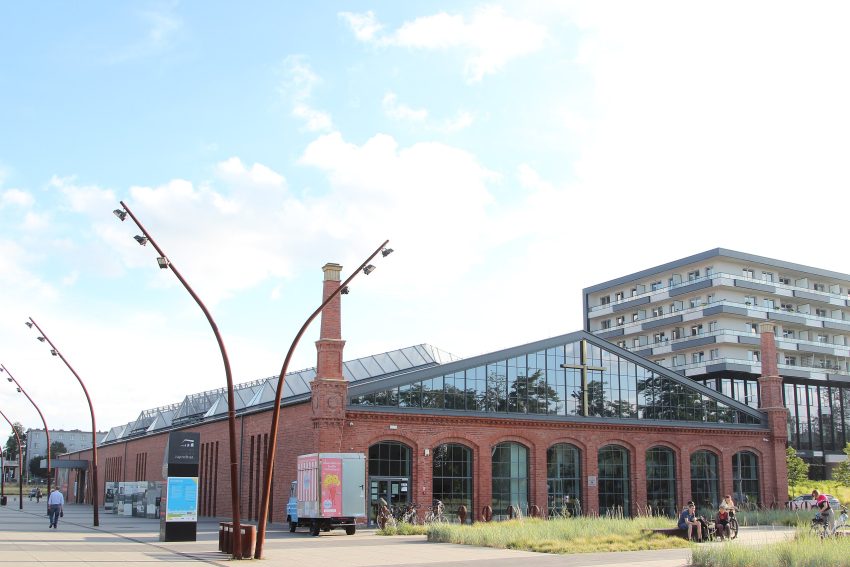
Centrum Historii Zajezdnia is one of those museums that changes how you see a city. Set inside a former tram-and-bus depot on Grabiszyńska Street, it tells Wrocław’s 20th-century story with an immediacy you can feel: war, displacement, rebuilding, and the everyday realities of life under communism, all presented in a space that carries its own historical weight.
It's also one of the must-see places in Wrocław if you want context beyond the Old Town façades, because it explains how this city became what it is today after 1945. It fits neatly into a walking tour of Wrocław if you treat it as the “modern chapter” of your trip, pairing it with the classic centre on a different day or as a deliberate contrast.
Table of Contents
- History and Significance of the Centrum Historii Zajezdnia
- Things to See and Do in the Centrum Historii Zajezdnia
- How to Get to the Centrum Historii Zajezdnia
- Practical Tips on Visiting the Centrum Historii Zajezdnia
- Where to Stay Close to the Centrum Historii Zajezdnia
- Is the Centrum Historii Zajezdnia Worth Visiting?
- For Different Travelers
- FAQs for Visiting Centrum Historii Zajezdnia
- Nearby Attractions to the Centrum Historii Zajezdnia
History and Significance of the Centrum Historii Zajezdnia
The building matters as much as the exhibits. This depot became a symbolic site during the Solidarity era in 1980, when workers gathered here in support of wider strike actions, and that legacy gives the museum a grounded, local credibility rather than a purely textbook feel.
The permanent exhibition, often referred to as Wrocław 1945-2016, focuses on the city's transformation after World War II: a new population arriving, a new civic identity forming, and a long period of political constraint followed by social and cultural resistance. The result is a museum that doesn't just list events, but explains the emotional mechanics of change: what people lost, what they rebuilt, and what they learned to oppose.
Things to See and Do in the Centrum Historii Zajezdnia
Start with the permanent exhibition and give it time to work. The strongest sections are the ones that connect big history to personal objects and testimonies, because they make “post-war Wrocław” feel like a lived experience rather than a date range. If you're travelling with someone who usually finds museums slow, this is a good choice because the storytelling is visual and immersive.
Look for the parts that cover everyday life under communism and the ways people resisted through organisation, humour, and creativity. The museum is particularly good at showing how protest and opposition weren’t only heroic headline moments, but also a series of ordinary choices that gradually built momentum.
If there’s a temporary exhibition running, it’s worth adding, because it often deepens a specific theme (memory, identity, migration, resistance) and can make the visit feel even more current. Plan a short decompression break afterward too: it’s a museum that tends to linger in your mind, and a quiet café stop can be a helpful way to process what you’ve just seen.
How to Get to the Centrum Historii Zajezdnia
The nearest airport is Wrocław Airport (WRO), and the simplest approach is to travel into the city and then connect onward toward Grabiszyńska Street. For the best deals and a seamless booking experience, check out these flights to Wrocław on Booking.com.
By train, arrive at Wrocław Główny and continue by tram or bus toward the Bzowa Centrum Zajezdnia stop, which puts you close to the entrance. You can easily check schedules and book tickets through the PKP Intercity website. However, for a smoother experience, we recommend using Omio, which simplifies the booking process and lets you compare prices and schedules all in one place.
Within the city, public transport is straightforward: trams 4, 5, 11, 14 and buses 126, 134, 602 serve the Bzowa Centrum Zajezdnia area, so it's an easy, predictable ride from central Wrocław.
If you're driving, the museum is set up for visitors with on-site parking, which makes it a practical stop if you're staying outside the centre or building a day across west Wrocław. If you are looking to rent a car in Poland I recommend having a look at Discover Cars, first, as they compare prices and review multiple car rental agencies for you.
Practical Tips on Visiting the Centrum Historii Zajezdnia
- Entrance fee: Standard: 20 zł Reduced: 10 zł Family: 55 zł (2 adults and two or more children).
- Opening hours: Tuesday – Wednesday: 09:00–17:00 Thursday: 10:00–17:00 Friday – Sunday: 10:00–18:00. Closed on Monday.
- Official website: https://zajezdnia.org/en/home/
- Best time to visit: Midweek late morning is ideal for quieter galleries and a more reflective pace; weekends are lively but can feel more crowded in the most popular sections.
- How long to spend: Plan 1.5-2.5 hours for the permanent exhibition at a comfortable pace, plus extra time if you add a temporary show.
- Accessibility: The venue is a modern museum inside a large depot space, but distances within the exhibition can add up, so allow time for pauses if you prefer a slower pace.
- Facilities: Expect ticketing, restrooms, and staff support on-site, with easy public transport links for combining the visit with another neighbourhood stop.
Where to Stay Close to the Centrum Historii Zajezdnia
For a culture-heavy itinerary, base yourself in the Old Town near Rynek so you can walk to the headline sights and enjoy evenings in the centre; if your priority is convenient access to west-side museums and simpler logistics, staying around the main station and the southern-central districts can be the easiest fit.
For a well-connected base that keeps city-wide transport simple, Scandic Wrocław works well for tram-and-train access. If you want a comfortable, practical option that’s still close to central sights while making west-side trips easy, Novotel Wrocław Centrum is a strong choice. For a more classic “city break” stay that still keeps you within easy reach of transport links, Hotel Monopol Wrocław is a polished option.
Is the Centrum Historii Zajezdnia Worth Visiting?
Yes, especially if you want to understand Wrocław as a post-1945 city rather than only a beautiful historic centre. It gives you the backstory that explains why the city feels so layered today, and it does so in a way that is human, specific, and often surprisingly emotional.
It's also worth it because it complements the rest of Wrocław so well. After a few days of churches, squares, and viewpoints, this museum adds the missing “why” behind the city's modern identity.
What Other Travellers Say...

Centrum Historii Zajezdnia at Grabiszyńska 184 in Wrocław presents an interactive, chronological walk through Poland's and Wrocław's modern history—visitors note well-designed visual displays, a clear floor itinerary, friendly English‑speaking staff and hands‑on elements that can occupy 2–3 hours; the museum focuses on the communist era and postwar experiences with striking architecture and evocative exhibits, though some find the layout confusing, text too small or lacking context and English for certain items, and wish earlier pre‑1945 history and minority perspectives were covered more fully.


For Different Travelers
Families with Kids
For families, the best approach is to keep the visit selective rather than exhaustive. Choose a few sections that are visually strong and story-driven, then move on before attention spans fade.
If you’re travelling with older kids or teens, this museum can be a meaningful conversation starter because it connects history to real lives and real choices. Plan a lighter activity afterward so the day doesn’t feel emotionally heavy end-to-end.
Couples & Romantic Getaways
For couples, this is less a “romantic” stop and more a memorable shared experience that adds depth to your trip. It’s ideal if you like travel that includes ideas and conversation, not only scenery.
A good way to do it is to visit in the afternoon, then transition into a relaxed evening in the Old Town. The contrast between reflective museum time and lively Rynek atmosphere makes the day feel well balanced.
Budget Travelers
Budget-wise, it's a strong value museum because it delivers a full, substantial narrative rather than a quick, decorative experience. If you're choosing where to spend on culture in Wrocław, this can be one of the most meaningful paid entries.
To keep costs controlled, pair it with free highlights on the same day, like a long Old Town walk or riverside routes, so your “paid culture” is anchored by plenty of free time outdoors.
History Buffs
If you're history-focused, this is one of the best places in Wrocław to understand the post-war period through a local lens. The museum's strength is how it links big geopolitical shifts to street-level realities: migration, housing, work, censorship, resistance, and the building of a new civic identity.
Go slowly, read the context panels, and treat it as a narrative rather than a gallery you “finish.” You’ll get far more out of it if you allow time for the personal testimonies and documentary material to land.
FAQs for Visiting Centrum Historii Zajezdnia
Getting There
Tickets & Entry
Visiting Experience
Tours, Context & Itineraries
Photography
Accessibility & Facilities
Food & Breaks Nearby
Safety & Timing
Nearby Attractions to the Centrum Historii Zajezdnia
- Wrocław Old Town (Rynek): The classic heart of the city, ideal for shifting from modern history into architecture, cafés, and evening atmosphere.
- Wrocław Opera House: A strong cultural pairing if you want to turn your day into an exhibition-by-day, performance-by-night plan.
- Sky Tower: A modern viewpoint stop that contrasts nicely with the museum’s historical focus and helps you read the city’s layout from above.
- Grabiszyński Park: A nearby green escape that works well as a decompression walk after an emotionally rich museum visit.
- National Forum of Music: A contemporary concert venue that adds another modern layer to Wrocław’s cultural landscape.
The Wrocław Depot History Centre appears in our Complete Guide to Visiting Wrocław!

Moira & Andy
Hey! We're Moira & Andy. From hiking the Camino to trips around Europe in Bert our campervan — we've been traveling together since retirement in 2020!
This website uses affiliate links which may earn a commission at no additional cost to you!
Planning Your Visit
Tuesday - Wednesday: 09:00-17:00
Thursday: 10:00-17:00
Friday - Sunday: 10:00-18:00.
Closed on Monday.
Standard: 20 zł Reduced: 10 zł Family: 55 zł (2 adults and two or more children).
Nearby Attractions
- Sky Tower Wrocław (1.9) km
Viewing Point - Wrocław Contemporary Museum (2.1) km
Museum - Monument to the Anonymous Passer-by (2.7) km
Sculpture - Royal Palace in Wrocław (2.9) km
Palace - Wroclaw Opera House (3.0) km
Opera House - Monopol Hotel (3.0) km
Historic Building - Solny Square (Plac Solny) (3.0) km
Square - Military Museum, Wrocław City Museum (3.1) km
Museum - Wroclaw Puppet Theater (3.1) km
Theatre - Wroclaw Dwarfs (3.1) km
Historic Site