Winchester City Mill
Mill in Winchester
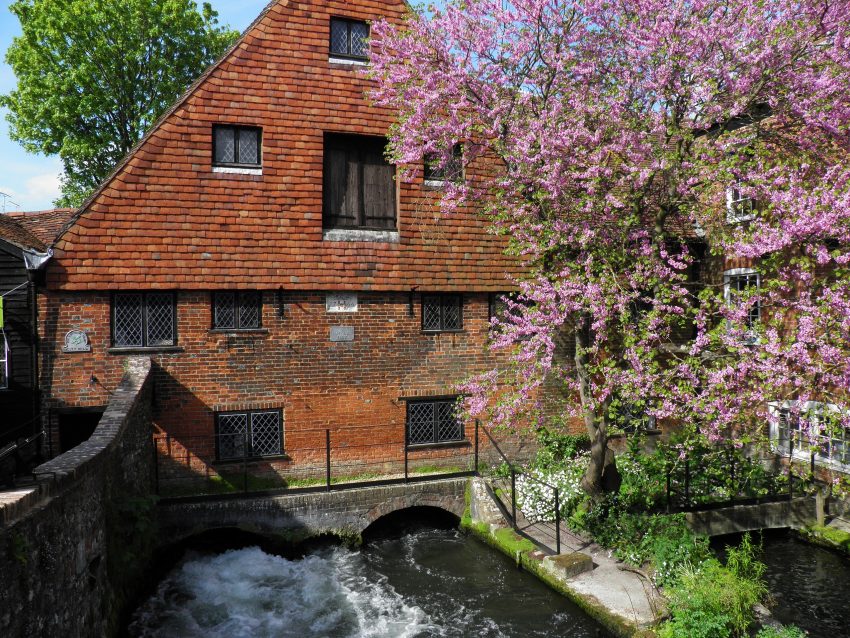
Winchester City Mill is a National Trust-run watermill on the fast-flowing River Itchen, tucked just off the city's historic core on Bridge Street. It's a wonderfully compact place where the sound of rushing water does half the storytelling for you, and where you can step from busy streets into a calmer, riverside pocket in minutes.
What I love about this stop is how effortlessly it fits into a day in town: you can pop in for a short visit, linger over the otter-cam and the exhibits, then carry on toward the Cathedral and the old lanes without any detours. It's one of the things to do in Winchester that feels both local and quietly special, and it works perfectly as a pause-point on a walking tour of Winchester when you want history with fresh air and wildlife in the mix.
Table of Contents
- History and Significance of the Winchester City Mill
- Things to See and Do in the Winchester City Mill
- How to Get to the Winchester City Mill
- Practical Tips on Visiting the Winchester City Mill
- Where to Stay Close to the Winchester City Mill
- Is the Winchester City Mill Worth Visiting?
- For Different Travelers
- FAQs for Visiting Winchester City Mill
- Nearby Attractions to Winchester City Mill
History and Significance of the Winchester City Mill
Winchester City Mill has stood at the heart of Winchester for well over a millennium, with the site associated with milling since Saxon times. The current building dates to the 18th century, rebuilt as an urban corn mill and later preserved when so many working mills disappeared from town centres.
In the 20th century the mill entered the care of the National Trust, and a modern restoration brought it back to life for visitors, reconnecting the building to the river power that shaped it. Even when the wheel isn’t operating, the mill remains a brilliant window into how a city once fed itself, with the Itchen’s chalk-stream flow doing the heavy lifting.
Today, it’s as much about place as machinery: a heritage building that also acts as a small nature hub, where kingfishers, wagtails, trout and water voles are part of the everyday backdrop. That blend of living river and historic industry is exactly what makes the mill feel distinctive rather than “just another museum room.”
Things to See and Do in the Winchester City Mill
Start with the mill interior, where you can follow the story of grain-to-flour and see how water-powered engineering was organised in a tight urban footprint. The displays are easy to absorb even if you’re short on time, and they give you a real sense of how ingenious (and noisy) a working mill would have been.
Next, make time for the river itself. The island garden is a little oasis with water on both sides, and it’s one of those places where you suddenly notice how clear the Itchen is and how quickly the current runs. It’s ideal for a slow five minutes with a coffee, or a calm moment before you head back into the city.
Wildlife is a genuine highlight here, especially the otter-cam footage and live feeds that let you catch a glimpse of the mill’s most elusive residents. Even if you don’t see an otter in person, the combination of clips, water movement, and birdlife makes the whole visit feel lively.
If you’re visiting with kids, look out for seasonal trails, activity sheets, and family-friendly challenges that turn the visit into a mini-adventure rather than a read-every-label experience. It’s an easy win on mixed-weather days because you can do a bit indoors, a bit outdoors, and keep it moving.
How to Get to the Winchester City Mill
The nearest airports are Southampton Airport (SOU) and London Heathrow (LHR). For the best deals and a seamless booking experience, check out these flights to Winchester on Booking.com.
Winchester has a mainline railway station with frequent services, and the walk to the mill is straightforward through the city centre if you follow signs toward the Cathedral and the riverside streets. Train schedules and bookings can be found on Omio.
Local buses and taxis are handy if you’d rather save your steps for exploring the historic core, especially on wet days. If you’re travelling by car, aim for a central car park and walk the final stretch, as the mill itself has no on-site parking and the centre is easier without a car once you arrive.
Practical Tips on Visiting the Winchester City Mill
- Entrance fee: Free.
- Opening hours: (Summer) Thursday – Sunday: 10:00–17:00. (Winter) Wednesday – Sunday: 10:00–16:00.
- Official website: https://www.nationaltrust.org.uk/visit/hampshire/winchester-city-mill
- Best time to visit: Go earlier in the day for a quieter feel in the mill rooms, then enjoy the garden when the city starts to get busier around lunchtime.
- How long to spend: Around 45-75 minutes is ideal for the mill, otter-cam, and a short garden pause; add longer if you plan to linger in the café.
- Accessibility: Expect heritage-site quirks, including steps and uneven surfaces, with a central location that makes it easy to reach at a gentle pace.
- Facilities: A café, toilets, and a small bookshop make this a comfortable stop to build into a longer day of sightseeing.
Where to Stay Close to the Winchester City Mill
For a culture-heavy itinerary, base yourself in central Winchester near the Cathedral and High Street so you can walk to the mill and the main sights with ease; if your priority is quick arrivals and departures, staying closer to Winchester station is the most practical choice.
For a characterful stay that’s walkable to the mill and ideal for evenings in the historic core, consider Hotel du Vin Winchester. If you want a central, classic option with an old-town feel and easy access to the city’s main lanes, Winchester Royal Hotel is a reliable base. For travellers who like having spa facilities on-site while still being close to the centre, The Winchester Hotel & Spa is a strong all-rounder.
Is the Winchester City Mill Worth Visiting?
Yes, especially if you enjoy small, authentic places that don't demand half a day to be rewarding. The mill delivers a quick hit of Winchester heritage, then adds something rarer in a city centre: a real, living river environment with wildlife and calm views.
It's also an excellent “connector” attraction. You can pair it with the Cathedral, the water meadows, or the Great Hall without any awkward transport, which makes it a smart choice when you want a full day that still feels unhurried.
What Other Travellers Say...

National Trust - Winchester City Mill is a restored 18th-century mill on Bridge St in Winchester with displays and a short film explaining the building and its working, plus a chance to see the river flowing beneath; visitors praise knowledgeable, friendly staff, a small cafe and pleasant rear garden ideal for a cup of tea, family activities and relaxed exploration (note the road crossing to reach it).


For Different Travelers
Families with Kids
Winchester City Mill is a family-friendly stop because it's naturally interactive: rushing water, moving currents, and wildlife spotting are far more engaging than static displays alone. The otter-cam element is especially good for keeping attention, because it turns the visit into a simple mission to “catch a glimpse.”
To keep things smooth, treat this as a shorter, high-interest visit rather than a long museum session. Mix the indoor mill rooms with a quick garden loop, and you’ll leave before anyone gets restless while still feeling like you’ve done something genuinely memorable.
Couples & Romantic Getaways
For couples, the mill is one of those quietly atmospheric places where the setting does the work. The river, the old timber-and-stone structure, and the little island garden create a calm, intimate pause that contrasts nicely with the busier city streets.
It's an ideal stop to slot between bigger sights, especially if you like travel days that feel layered rather than rushed. Pair it with a slow walk toward the Cathedral or the water meadows afterwards and it becomes part of a very Winchester kind of day.
Budget Travelers
This is a standout choice for budget travellers because it’s free to enter, yet still feels like a “proper” attraction rather than a filler stop. You can get a satisfying mix of heritage, nature, and a café break without paying an admission fee.
To keep costs down, plan it as part of a walking day through central Winchester. The mill works brilliantly as a mid-route reset: you'll get a change of pace, a new setting, and plenty to see without spending much beyond whatever you choose to buy in the café.
History Buffs
If you’re interested in how cities actually worked day-to-day, the mill is a great complement to Winchester’s headline medieval and cathedral history. It’s practical heritage: a place that turns big historical eras into something tangible and mechanical, powered by the same river you’re looking at.
It’s also a reminder that Winchester’s story isn’t only kings and bishops. Food production, trade, and river management shaped the city just as much, and the mill makes that side of the past feel immediate in a way that’s hard to get from text alone.
FAQs for Visiting Winchester City Mill
Getting There
Tickets & Entry
Visiting Experience
Tours, Context & Itineraries
Photography
Accessibility & Facilities
Food & Breaks Nearby
Safety & Timing
Nearby Attractions to Winchester City Mill
- Winchester Cathedral, a landmark medieval cathedral that anchors the city's historic core and rewards both quick visits and longer explorations.
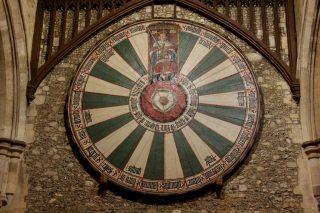
- Winchester Great Hall, the surviving heart of Winchester Castle and home to the famous Round Table display.
- Wolvesey Castle, atmospheric ruins of the Bishops of Winchester's former residence, ideal for a short, photo-friendly detour.
- Winchester Water Meadows, a peaceful riverside walk that shows off the Itchen landscape and feels like countryside within the city.
- Winnall Moors Nature Reserve, a nearby wetland reserve that’s excellent for birdlife and a longer nature-focused stroll.
The Winchester City Mill appears in our Complete Guide to Visiting Winchester!

Moira & Andy
Hey! We're Moira & Andy. From hiking the Camino to trips around Europe in Bert our campervan — we've been traveling together since retirement in 2020!
This website uses affiliate links which may earn a commission at no additional cost to you!
Planning Your Visit
(Summer) Thursday - Sunday: 10:00-17:00.
(Winter) Wednesday - Sunday: 10:00-16:00.
Free.
Nearby Attractions
- City Walls of Winchester (0.1) km
City Walls - The Chesil Rectory (0.1) km
Historic Building - King Alfred Statue (0.1) km
Statue - Nunnaminster (0.1) km
Abbey - Chesil Theatre (0.1) km
Church and Theatre - St Mary Magdalen Hospital Alms-houses (0.2) km
Historic Building - Winchester Guildhall (0.2) km
Historic Building and Tourist Office - Wolvesey Castle (0.3) km
Palace - Itchen Navigation Heritage Trail (0.3) km
Walk - Winchester Cathedral (0.4) km
Cathedral