Fort VII Martyrs Museum, Poznań
Museum in Poznań
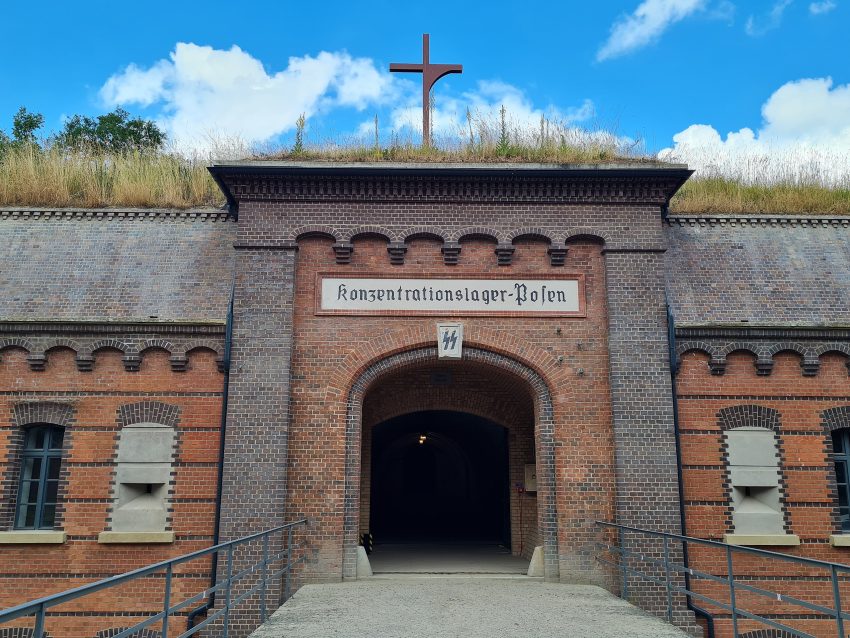
The Fort VII Martyrs Museum is one of the most important and emotionally challenging places to visit in Poznań. Housed inside Fort VII “Colomb,” a former section of the Poznań Fortress, it documents the persecution and suffering of people from Greater Poland under German occupation, using original objects and personal records that make the history painfully concrete.
It is one of the must-see places in Poznań if you want to understand the city beyond its beautiful Old Town, and it is also a highlight of any walking tour of Poznań for travellers who value places that preserve memory with seriousness and detail.
Table of Contents
- History and Significance of the Fort VII Martyrs Museum
- Things to See and Do in the Fort VII Martyrs Museum
- How to Get to the Fort VII Martyrs Museum
- Practical Tips on Visiting the Fort VII Martyrs Museum
- Where to Stay close to the Fort VII Martyrs Museum
- Is the Fort VII Martyrs Museum Worth Visiting?
- FAQs for Visiting Fort VII Martyrs Museum
- For Different Travelers
- Nearby Attractions to the Fort VII Martyrs Museum
History and Significance of the Fort VII Martyrs Museum
Fort VII was originally built as part of 19th-century German fortifications, designed for military defence and control. Its architecture still reads as “engineering first”: thick brickwork, enclosed passages, and a layout shaped by the logic of a fortress rather than a civic building.
During World War II, Fort VII became the first German concentration camp established on Polish ground. That transformation-from fortification to site of imprisonment and murder-is central to the museum’s significance, because the space itself becomes part of the testimony.
Today, the museum functions not only as an exhibition site but also as an archive. It preserves prisoner accounts and assembles personal files describing individual fates, ensuring that visitors encounter names, documents, and human traces rather than only abstract statistics.
Things to See and Do in the Fort VII Martyrs Museum
The core experience is moving through the fort’s preserved spaces while engaging with the museum’s documentary materials. The collection includes correspondence, drawings, photographs, and personal documents, alongside papers issued by the occupation authorities that expose the bureaucratic machinery behind persecution.
What often stays with visitors are the everyday objects: handmade or improvised items, religious objects such as rosaries, small personal wallets and dictionaries, and other traces of daily survival. These artefacts give a sense of how people tried to maintain identity and dignity inside an environment designed to strip both away.
Outside the exhibition narrative, the fort and its avenue of old fortress trees add a quieter, reflective layer. The setting underscores that this is simultaneously a historic architectural site and a place of martyrdom, and it benefits from a slower pace, with time built in for pauses.
How to Get to the Fort VII Martyrs Museum
Most visitors arrive via Poznań-Ławica Airport, which is the nearest airport for Poznań and convenient for reaching the western side of the city. For the best deals and a seamless booking experience, check out these flights to Poznań on Booking.com.
From Poznań Główny (the main railway station), you can reach Fort VII by public transport such as tram and bus connections, or by taxi, depending on your schedule and comfort. You can easily check schedules and book tickets through the PKP Intercity website. However, for a smoother experience, we recommend using Omio, which simplifies the booking process and lets you compare prices and schedules all in one place.
If you’re travelling by car, it is usually simplest to drive to the fort area and use nearby parking, then continue the visit on foot within the site. If you are looking to rent a car in Poland I recommend having a look at Discover Cars, first, as they compare prices and review multiple car rental agencies for you.
Practical Tips on Visiting the Fort VII Martyrs Museum
- Suggested tips: Approach the visit as a memorial experience rather than a quick attraction, and plan a quieter activity afterward to process what you’ve seen.
- Best time to visit: Weekday mornings tend to be calmer and give you more space to read and reflect without feeling rushed.
- Entrance fee: Adults: €6.00
- Opening hours: Tuesday-Sunday: 10:00-16:00
- Official website: https://www.wmn.poznan.pl/oddzialy-4/muzeum-martyrologii-wielkoplan-fort-vii/
- How long to spend: 90-150 minutes for a focused visit; longer if you read extensively and move slowly through the fort spaces.
- Accessibility: Expect uneven surfaces, steps, and narrow historic passages typical of fortress architecture; plan accordingly if mobility is limited.
- Facilities: Limited on-site; bring water and use restrooms before arrival where possible.
- Photography tip: Prioritise respectful photography; avoid intrusive behaviour in sensitive areas and focus on architectural context rather than personal artefacts.
- Guided tours: A guided visit can add essential context and help you understand the fort layout and the museum’s chronology.
- Nearby food options: Consider eating before you go, then choose a calm café afterward in a quieter neighbourhood rather than immediately jumping back into busy sightseeing.
Where to Stay close to the Fort VII Martyrs Museum
Because Fort VII is on the western side of Poznań, staying either near the city centre with good transport links or closer to the airport-side districts can work well. If you want a high-comfort base with straightforward access across the city, Sheraton Poznań Hotel is a practical option.
For a quieter stay that can feel less hectic after a heavy museum visit, City Park Hotel & Residence offers a calm base still within easy reach of central areas.
If you prefer to be closer to the airport and west-side routes, Hotel Ilonn can be a convenient choice.
Is the Fort VII Martyrs Museum Worth Visiting?
Yes, if you are prepared for a serious, emotionally demanding visit. Fort VII is not a “light” museum, but it is a vital one, and it gives Poznań’s 20th-century history a clarity that sightseeing alone cannot provide.
It is especially worthwhile if you want your time in Poznań to include places that preserve memory with integrity. Many visitors find that Fort VII changes how they see the city afterward, because it adds depth to everything from civic monuments to everyday streets.
FAQs for Visiting Fort VII Martyrs Museum
What Other Travellers Say...

Muzeum Martyrologii Wielkopolan Fort VII Wielkopolskiego Muzeum Niepodległości on the outskirts of Poznań, near the airport, is a well‑presented former prison and execution site offering indoor and outdoor exhibits, sculptures and extensive historical displays; visitors note low entry cost, free parking, a multilingual MoviGuide app for guided tours that enhances the experience, and say the museum is emotionally powerful and worth the short taxi ride from the center.


For Different Travelers
Families with Kids
This is a visit to approach carefully as a family. If you choose to go, it works best with older children who can handle difficult historical topics and who benefit from a clear, age-appropriate explanation of why places like this are preserved. Keep the visit shorter, focus on the broader narrative rather than graphic detail, and allow time afterward for questions.
It also helps to balance the day with something lighter after the museum, not as a distraction but as a way to reset emotionally. A gentle walk or a quiet lunch can make the overall day feel manageable rather than overwhelming.
Couples & Romantic Getaways
For couples, Fort VII can be a meaningful shared experience, particularly if you value travel that goes beyond aesthetics. It often sparks deeper conversation and can add a sense of gravity and context to the rest of your time in Poznań.
Plan the day with care: visit in the morning when you have more emotional bandwidth, and choose a calm, non-busy activity afterward. The goal is not to “stack” attractions, but to give the visit the space it deserves.
Budget Travelers
Fort VII is a strong choice for budget travellers who want one paid museum experience that delivers real depth. The value here is not in entertainment but in understanding, and it can make the rest of your time walking Poznań feel more informed and meaningful.
To keep spending controlled, pair Fort VII with free sights afterward, such as a park stroll or exterior architecture in the Old Town. That mix keeps the day affordable while still rich in substance.
Nearby Attractions to the Fort VII Martyrs Museum
- Imperial Castle (Zamek Cesarski): A major 20th-century landmark that adds context to Poznań's modern political history and architecture.
- Old Market Square (Stary Rynek): The city's historic centre, ideal for contrasting Poznań's beautiful civic spaces with the heavier history preserved at Fort VII.
- Citadel Park (Park Cytadela): A large green space with memorial elements that can offer a quieter, reflective walk after the museum.
- June 1956 Uprising Museum: A focused museum on postwar protest and state violence, offering another key chapter of Poznań’s resistance story.
- Cathedral Island (Ostrów Tumski): Poznań's oldest historic area by the river, calmer in tone and good for a slower, restorative visit.
The Fort VII Martyrs Museum appears in our Complete Guide to Visiting Poznań!

Moira & Andy
Hey! We're Moira & Andy. From hiking the Camino to trips around Europe in Bert our campervan — we've been traveling together since retirement in 2020!
This website uses affiliate links which may earn a commission at no additional cost to you!
Planning Your Visit
Tuesday-Sunday: 10:00-16:00
Adults: €6.00
Nearby Attractions
- Poznań-Ławica Airport (2.6) km
Airport - Collegium Minus of Adam Mickiewicz University (3.3) km
Historic Building - Grand Theatre (3.4) km
Theatre - Poznan Imperial Castle (3.6) km
Castle - Działyński Palace (4.0) km
Palace - Freedom Square (4.1) km
Square - National Museum in Poznań (4.2) km
Museum - Poznań Royal Castle (4.3) km
Castle and Museum - Stary Browar (4.4) km
Historic Building and Shopping Centre - Military Museum of Wielkopolska (4.5) km
Museum