Vietnam National Museum of History, Hanoi
Museum in Hanoi
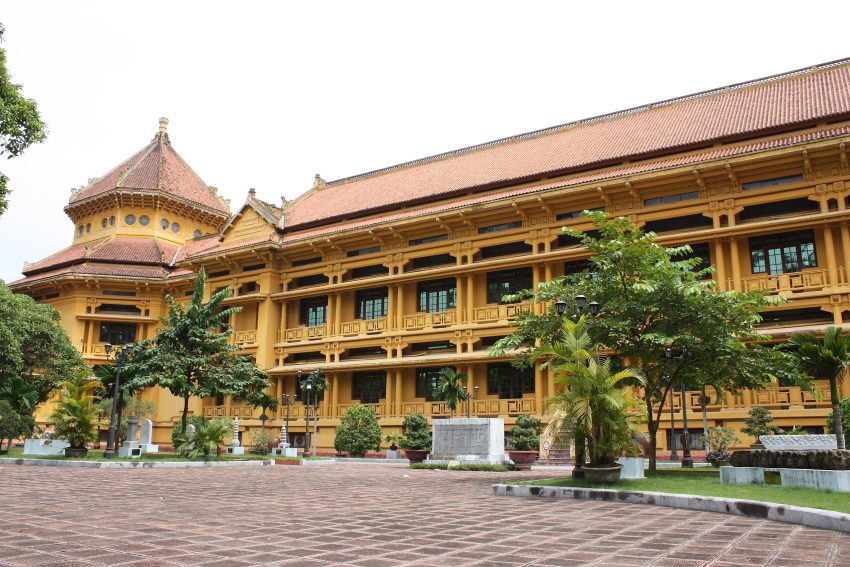
The Vietnam National Museum of History is one of Hanoi's most important cultural institutions, offering a sweeping view of the nation's past from prehistoric beginnings to the August 1945 Revolution. Located in the Hoan Kiem District, the museum is housed in a beautiful French colonial building originally constructed by the École Française d'Extrême-Orient in 1910. Its elegant design and fascinating collections make it one of the must-see places in Hanoi for travellers interested in archaeology, national history, and artistic heritage.
With over 200,000 artifacts on display, the museum presents an extraordinary depth of historical material. From ancient tools and bronze drums to royal treasures and revolutionary documents, each gallery offers insights into the cultural evolution of Vietnam. Because of its central location and historical significance, the building is often visited on walking tours of Hanoi, especially by those exploring the architectural and cultural highlights of the French Quarter.
Table of Contents
- History and Significance of the Vietnam National Museum of History
- Things to See and Do in the Vietnam National Museum of History
- How to Get to the Vietnam National Museum of History
- Practical Tips on Visiting the Vietnam National Museum of History
- Where to Stay close to the Vietnam National Museum of History
- Is the Vietnam National Museum of History Worth Visiting?
- FAQs for Visiting the Vietnam National Museum of History
- Nearby Attractions to the Vietnam National Museum of History
History and Significance of the Vietnam National Museum of History
The museum’s origins date back to 1910, when the French School of the Far East established the building as an archaeological research centre. Renovations in 1920 and a redesign by architect Ernest Hébrard between 1926 and 1932 gave the structure its distinctive blend of French colonial and Indochinese architectural styles. This makes the museum one of Hanoi’s most visually striking historical buildings.
In 1958, after the formation of the government of North Vietnam, the building was officially transferred to Vietnamese authorities. The museum gradually expanded its collections to include not only archaeology but also national history and Eastern arts. Over time, it became the country’s premier repository of historical artifacts, documenting Vietnam’s journey from prehistoric eras through dynastic periods and into the 20th century.
Today, the Vietnam National Museum of History is recognized for both its cultural importance and its architectural beauty. It continues to preserve invaluable relics from different stages of Vietnamese civilization, offering visitors a comprehensive and engaging understanding of the nation's heritage.
Things to See and Do in the Vietnam National Museum of History
The museum organizes its vast collection into five major sections, each representing a distinct era. Exhibits include prehistoric tools dating back 300,000-400,000 years, bronze artifacts from the Dong Son culture, Cham sculptures, Ly and Tran dynasty ceramics, and royal treasures from the Nguyen Dynasty. These displays highlight Vietnam’s early innovations in metallurgy, craftsmanship, and artistic traditions.
The galleries also feature documents and objects related to Vietnam’s colonial period and the revolutionary movements leading up to the August 1945 Revolution. Together, they offer a chronological narrative of resilience, creativity, and cultural development.
Beyond the artifacts, the museum’s architecture is a highlight in itself. Its curved roofs, latticed windows, and harmonious fusion of Eastern and Western styles create a serene and dignified atmosphere perfectly suited to its historical mission. Visitors often spend time appreciating the building’s exterior before exploring its rich interiors.
How to Get to the Vietnam National Museum of History
The museum is located near the Opera House in the Hoan Kiem District. Travellers arriving by air will land at Noi Bai International Airport, around 30 kilometres from the city centre. For the best deals and a seamless booking experience, check out these flights to Hanoi on Booking.com.
For those arriving by rail, Hanoi Railway Station provides easy access to the French Quarter and nearby landmarks. Train schedules and bookings can be found on Omio.
If travelling by car or taxi, the area is easy to reach, although traffic can be busy during peak hours. Drop-off points are available near the museum entrance.
Practical Tips on Visiting the Vietnam National Museum of History
- Suggested tips: Start with the prehistoric and Dong Son sections to follow Vietnam’s story chronologically.
- Best time to visit: Mid-morning or early afternoon when the galleries are quieter.
- Entrance fee: Adults: 40,000 VND/turn/person
- Opening hours: Morning: 8:00 to 12:00 Afternoon: 1:30 p.m. to 5:00 p.m.
- Official website: https://baotanglichsu.vn/
- How long to spend: 1-2 hours depending on interest in archaeological and historical exhibits.
- Accessibility: Wide corridors and accessible pathways make most areas easy to navigate.
- Facilities: Restrooms, seating areas, and a small gift shop dedicated to cultural souvenirs.
- Photography tip: The Indochinese-style façade is especially photogenic in soft morning or late-afternoon light.
- Guided tours: Available on request, or through private guides specializing in Hanoi’s history.
- Nearby food options: Cafés and restaurants around the Opera House and Trang Tien area.
Where to Stay close to the Vietnam National Museum of History
The French Quarter offers excellent accommodation options near the museum. For luxury and historic ambience, consider Sofitel Legend Metropole Hanoi. A stylish modern option nearby is Hotel de l’Opera Hanoi. Travellers looking for comfort with easy access to nearby attractions may also enjoy Hilton Hanoi Opera.
Is the Vietnam National Museum of History Worth Visiting?
Yes, the museum is absolutely worth visiting. Its vast collection, elegant architecture, and clear historical narrative make it one of Hanoi’s most enriching cultural experiences. Whether you’re passionate about archaeology, dynastic history, or Vietnam’s revolutionary past, the museum offers an inspiring journey through time.
What Other Travellers Say...

Vietnam National Museum of History, at 1 Tràng Tiền, houses two buildings of galleries tracing Vietnam's past from prehistoric times to the modern era, with ancient artifacts, Buddhist art, statues, war relics and a dedicated Cham section; visitors note clear Vietnamese and English labels, a tidy, quiet setting and attractive architecture, though some say displays could use refurbishment and more engaging presentation—allow one to two hours for a visit, and expect a modest admission fee with closures on Mondays.


FAQs for Visiting the Vietnam National Museum of History
Nearby Attractions to the Vietnam National Museum of History
- Hanoi Opera House: A stunning French colonial landmark hosting cultural events.
- Hoan Kiem Lake: The scenic heart of Hanoi with temples and lakeside paths.
- Trang Tien Plaza: A luxury shopping centre nearby.
- Thang Long Water Puppet Theater: A traditional performance venue close to the lake.
- Vietnamese Women's Museum: A fascinating museum highlighting the lives and achievements of Vietnamese women.
The Vietnam National Museum of History appears in our Complete Guide to Visiting Hanoi!

Moira & Andy
Hey! We're Moira & Andy. From hiking the Camino to trips around Europe in Bert our campervan — we've been traveling together since retirement in 2020!
This website uses affiliate links which may earn a commission at no additional cost to you!
Planning Your Visit
Morning: 8:00 to 12:00
Afternoon: 1:30 p.m. to 5:00 p.m.
Adults: 40,000 VND/turn/person
Nearby Attractions
- Hanoi Opera House (0.2) km
Opera House - State Guest House (0.6) km
Historic Building - Ly Thai To Statue & Park (0.6) km
Park and Statue - Hanoi Post Office (0.7) km
Historic Building - Trang Tien Plaza (0.7) km
Shopping Centre - Hoa Phong Tower (0.7) km
Tower - Museum of Vietnamese Women (0.8) km
Museum - Hoan Kiem Lake (0.9) km
Lake - Ba Kieu Temple (1.0) km
Chinese Shrine - Ngoc Son Temple (1.0) km
Buddhist Temple