Tumski Bridge, Wrocław
Bridge in Wrocław
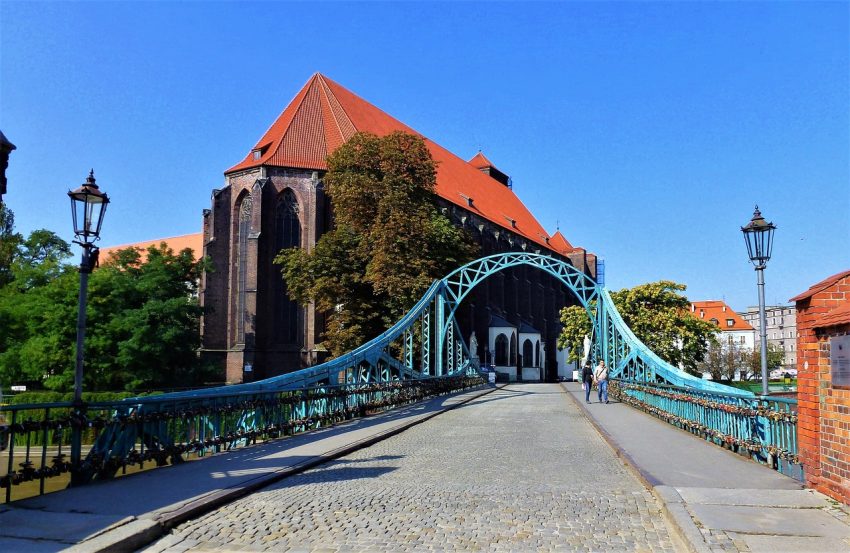
Tumski Bridge is the kind of Wrocław landmark you almost “accidentally” fall in love with: a graceful pedestrian bridge over the Oder's northern branch, linking Ostrów Tumski (Cathedral Island) to Wyspa Piasek (Sand Island). It's short, scenic, and instantly recognisable by its distinctive railings and the way it frames the skyline-cathedral spires in one direction, riverside calm in the other-making it one of the things to see in Wrocław even if you only have a few hours to spare.
What I love most is how effortlessly it fits into the city's rhythm. You can cross it in a minute, or linger for twenty, watching the water, listening to footsteps on cobbles, and drifting straight into the backstreets of the islands. It also slips neatly into a walking tour of Wrocław, because from here you can stitch together the Old Town, the university area, and the cathedral quarter without ever feeling like you're “commuting” between sights.
Table of Contents
- History and Significance of the Tumski Bridge
- Things to See and Do in the Tumski Bridge
- How to Get to the Tumski Bridge
- Practical Tips on Visiting the Tumski Bridge
- Where to Stay Close to the Tumski Bridge
- Is the Tumski Bridge Worth Visiting?
- For Different Travelers
- FAQs for Visiting Tumski Bridge
- Nearby Attractions to the Tumski Bridge
History and Significance of the Tumski Bridge
Long before today's ironwork, this crossing point mattered because it linked two different worlds: the ecclesiastical heart on Cathedral Island and the more civic, commercial city beyond. The current bridge dates to the late 19th century-built in 1889 to replace earlier wooden structures-so while it feels medieval in mood, it's really part of the era when Wrocław modernised its infrastructure with durable steel and stone.
In recent decades, Tumski Bridge became famous for its “love locks” tradition, which turned the railings into a glittering patchwork of tiny promises. That popularity had a real-world downside: during renovation works in 2019, the city removed vast numbers of locks (weighing several tons) and made clear that adding new ones would no longer be allowed, to protect the bridge and its restored surfaces.
Today, the significance is as much about atmosphere as engineering. Tumski Bridge is a symbolic threshold: step onto it and you feel the city slow down. On one side you have the cathedral district's hush and lamplit lanes; on the other, cafés, student life, and the easy walk back toward the Old Town.
Things to See and Do in the Tumski Bridge
Start with the simple pleasure: pause mid-bridge and look both ways. In daylight, it's all clean lines-water, willows, and the layered silhouettes of church towers. At golden hour, the view becomes almost theatrical, especially if you angle your sightline toward Ostrów Tumski and let the cathedral spires anchor the horizon.
Treat it as a connector, not a standalone stop. Cross from the bridge onto Ostrów Tumski for a slow loop past the cathedral and the quieter lanes, then continue across to Sand Island for a different perspective of the riverbanks and churches. It's the perfect way to make your sightseeing feel like a walk through neighbourhoods rather than a checklist of monuments.
If you're visiting in the evening, build in time for the classic Ostrów Tumski ambience: the area is known for its historic gas lanterns and the long-running tradition of lighting them by hand, which adds a genuinely old-world mood to the cathedral quarter.
How to Get to the Tumski Bridge
Most visitors reach Tumski Bridge on foot because it sits in the natural “between” zone: roughly a gentle walk from Wrocław's Market Square toward Ostrów Tumski, following the flow of streets toward the river.
The nearest airport is Wrocław Airport (WRO), with straightforward transfers into the centre by taxi or public transport connections. For the best deals and a seamless booking experience, check out these flights to Wrocław on Booking.com.
If you're arriving by rail, start from Wrocław Główny and use trams or a taxi to reach the Old Town edge, then walk the final stretch toward the cathedral islands. You can easily check schedules and book tickets through the PKP Intercity website. However, for a smoother experience, we recommend using Omio, which simplifies the booking process and lets you compare prices and schedules all in one place.
If you’re driving, it’s usually easiest to park outside the tight historic core and finish by tram or on foot, since the streets near the river islands can be slow and parking is limited. If you are looking to rent a car in Poland I recommend having a look at Discover Cars, first, as they compare prices and review multiple car rental agencies for you.
Practical Tips on Visiting the Tumski Bridge
- Entrance fee: Free
- Opening hours: 24 Hours
- Best time to visit: Come near sunset for the softest light on the river and cathedral skyline, then stay a little later for a calmer, more romantic atmosphere.
- How long to spend: Ten minutes is enough for photos, but 30-60 minutes lets you turn the bridge into a gentle loop through Ostrów Tumski and Sand Island.
- Accessibility: The crossing is flat and short, but nearby streets can be cobbled; take your time and approach from the smoother riverside paths when possible.
- Facilities: There are no on-bridge facilities, so plan for cafés and restrooms in the Old Town or around the islands before you settle into an evening stroll.
Where to Stay Close to the Tumski Bridge
If your priority is culture and walkability, base yourself in the Old Town near Rynek; if you want a quieter, more atmospheric stay with easy evening walks, choose the cathedral-side streets around Ostrów Tumski.
For a polished stay right by the cathedral quarter, The Bridge Wrocław - MGallery puts you within a few minutes’ stroll of the bridge and the islands’ evening ambiance. If you’d rather be closer to the Old Town’s restaurants and nightlife while still walking easily to the river, Wyndham Wroclaw Old Town is well placed for an “everything-on-foot” itinerary. For a stylish, design-forward option near the Old Town lanes and an easy walk back toward the bridge, PURO Wrocław Stare Miasto is a reliable favourite.
Is the Tumski Bridge Worth Visiting?
Yes-because it's not just a bridge, it's a mood and a shortcut into the most atmospheric part of the city. Even if you're not chasing romance, it's one of those small stops that makes Wrocław feel intimate: a place where the scenery, the history, and the pace of the river all do the storytelling for you.
It’s also highly “efficient” sightseeing. You’re not detouring to a single viewpoint and turning back-you’re crossing between two genuinely worthwhile areas, so the bridge becomes part of the route rather than an extra stop.
What Other Travellers Say...

Most Tumski is a 19th-century steel, pedestrian-only bridge linking Ostrów Tumski with Wyspa Piaskowa in Wrocław; visitors praise its picturesque design, evening atmosphere and river views, note it's ideal for leisurely walks and photos, and many highlight the charm of seeing the gas lamps lit and the attractive buildings and cobblestone streets on the island it connects.


For Different Travelers
Families with Kids
If you’re visiting with kids, treat the bridge as a quick win rather than a long linger: cross, stop for one photo, then keep the momentum into the islands where there’s more to look at. It works especially well as a gentle break between bigger “indoor” visits because it’s outdoors, short, and visually interesting.
Bring a simple mini-mission-spot boats, count church towers, or look for quirky details on nearby streets-so the stroll feels like an activity. Early evening can be lovely, but aim for earlier hours if you want fewer crowds and easier pacing.
Couples & Romantic Getaways
This is a natural evening stop: arrive before sunset, cross slowly, and let the cathedral skyline and water reflections do the work. Build a small loop that ends at a cosy café or wine bar back toward the Old Town, so the bridge feels like the transition into your night out.
If you’re after the classic romantic atmosphere, focus less on “the bridge itself” and more on what it connects-quiet cathedral streets, lamplight, and riverside calm. It’s the kind of place that rewards unhurried wandering.
Budget Travelers
Tumski Bridge is ideal for budget travel because it delivers one of Wrocław's most iconic views without requiring a ticket or a timed entry. Use it as a backbone for a self-guided route: Old Town to the university area, then over toward Ostrów Tumski and back.
For food and breaks, keep your spending for where it counts: grab a simple bakery snack or milk-bar style lunch elsewhere, then enjoy the bridge and islands as your “free highlight” portion of the day.
FAQs for Visiting Tumski Bridge
Getting There
Tickets & Entry
Visiting Experience
Tours, Context & Itineraries
Photography
Accessibility & Facilities
Food & Breaks Nearby
Safety & Timing
Nearby Attractions to the Tumski Bridge
- Ostrów Tumski: Wrocław's oldest district, packed with churches, cathedral views, and atmospheric lanes that feel worlds away from the busy centre.
- Wrocław Cathedral: The city's signature Gothic landmark, best appreciated both up close and from the river angles around the islands.
- Church of Our Lady on the Sand: A striking riverside church on Sand Island with a calm setting that’s ideal for a short pause.
- Wrocław Market Hall (Hala Targowa): A lively indoor market where you can browse produce, flowers, and local bites in an early 20th-century building.
- Wrocław University: A short walk away, with grand Baroque interiors and viewpoints that help you understand the city's layout from above.
The Tumski Bridge appears in our Complete Guide to Visiting Wrocław!

Moira & Andy
Hey! We're Moira & Andy. From hiking the Camino to trips around Europe in Bert our campervan — we've been traveling together since retirement in 2020!
This website uses affiliate links which may earn a commission at no additional cost to you!
Planning Your Visit
24 Hours
Free
Nearby Attractions
- Wroclaw Cathedral (0.3) km
Cathedral - Wroclaw Market Hall (0.3) km
Market - Cathedral Island (0.3) km
Area and Island - Museum of Natural History, Wrocław University (0.4) km
Museum - Raclawice Panorama (0.5) km
Gallery - Wroclaw University Museum (0.6) km
Historic Building - National Museum of Wrocław (0.6) km
Museum - Cathedral of St. Mary Magdalene (0.8) km
Church - Stare Jatki (0.9) km
Statue - The Pillory (0.9) km
Monument