Theatre Max Jacob, Quimper
Theatre in Quimper
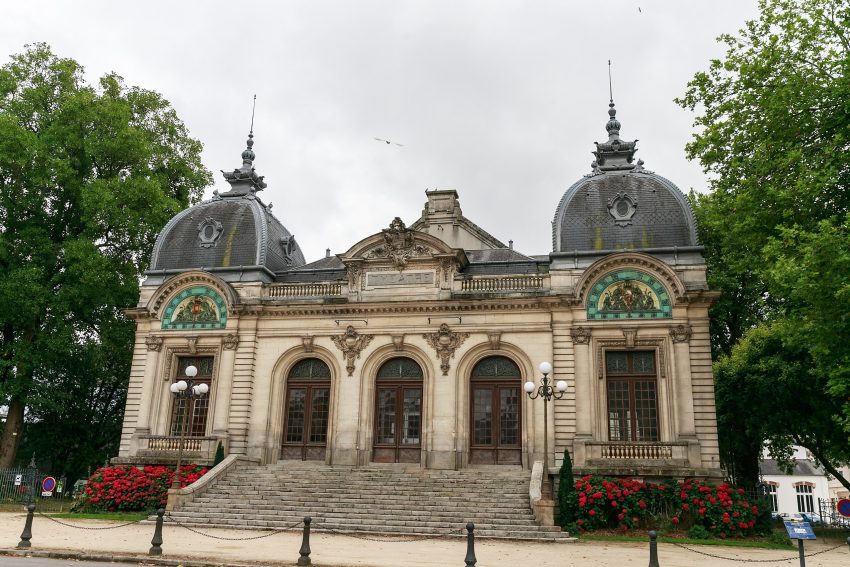
In central Quimper on Boulevard Dupleix, the Théâtre Max Jacob is one of those buildings that instantly signals a city's cultural ambition. Opened in the early 1900s, it was designed in a classic Italian-style layout, with an auditorium built for atmosphere as much as acoustics, and decorative touches that nod to the local landscape. Even if you're not seeing a show, it's a rewarding stop on a historic-centre walk, and it's easily one of the things to see in Quimper if you like architecture, local culture, and places with layered stories.
The theatre is also closely tied to Quimper's artistic identity through its later renaming in honour of Max Jacob, the poet and artist associated with the city. At the moment it's in the middle of a major restoration project, which means your experience may focus more on the building's exterior and the surrounding area than a full interior visit, but it remains a key cultural reference point for understanding Quimper beyond museums and cathedral squares.
Table of Contents
- History and Significance of the Théâtre Max Jacob
- Things to See and Do in the Théâtre Max Jacob
- Practical Tips on Visiting the Théâtre Max Jacob
- Where to Stay close to the Théâtre Max Jacob
- Is the Théâtre Max Jacob Worth Visiting?
- FAQs for Visiting Théâtre Max Jacob
- For Different Travelers
- Nearby Attractions to the Théâtre Max Jacob
History and Significance of the Théâtre Max Jacob
The theatre was inaugurated in 1904, an era when regional cities across France invested in civic buildings that would announce modernity, confidence, and cultural seriousness. Its Italian-style auditorium reflects that ambition, designed to create intimacy between performers and audience while delivering the ornate, theatrical feel people expected from a major venue. The decorative programme, inspired by local vegetation, is a subtle but telling detail: the building was meant to be both a grand public space and a distinctly Quimper one.
Over the decades, the Théâtre Max Jacob became a stage for significant performances, and its programming helped anchor Quimper's cultural calendar. A famous early-20th-century highlight was the 1913 production of L'Aiglon with Sarah Bernhardt, a reminder that major touring names did come through provincial theatres when the venue and the city could support them. That legacy matters because it positions Quimper as a place that has long taken the performing arts seriously.
The theatre's renaming in 1997 in honour of Max Jacob added another layer of significance, linking the venue to a figure whose creative life is closely associated with Quimper. It reinforces how the city's cultural story isn't limited to heritage and tradition, but includes modern artistic voices and literary history as well.
Things to See and Do in the Théâtre Max Jacob
When the theatre is open and operating normally, the best experience is simply to attend a performance, because the architecture makes more sense when the space is functioning as intended. An Italian-style auditorium is designed for the lived feeling of the room: the lighting, the sound, the anticipation of the audience, and the way sightlines pull you toward the stage. If you enjoy theatre, dance, music, or contemporary performance, this is one of those venues where the building itself becomes part of the night out.
If you're visiting during restoration works, treat it as an architectural and cultural waypoint rather than a full interior stop. Pause to appreciate the façade and the theatre's place in the city's layout, then connect it to nearby walks along the riverside or toward the old town. In many cities, theatres sit slightly apart from the postcard sights, so noticing it helps you understand how locals move through Quimper for evenings and events.
Keep an eye out for public communications around the restoration, because projects like this often come with heritage storytelling, occasional open days, or temporary programming elsewhere. Even without going inside, it's worth knowing what the building represents, because it's one of the clearest symbols of Quimper as a living cultural centre rather than just a historic one.
Practical Tips on Visiting the Théâtre Max Jacob
- Suggested tips: Check whether performances are temporarily relocated during restoration, and plan your evening around a nearby dinner stop in the centre.
- Best time to visit: Early evening, when the area naturally feels more theatrical and you can combine it with a night out.
- Entrance fee: Varies by performance; during restoration, entry depends on programming and access.
- Opening hours: Varies by performance schedule and restoration access; confirm current arrangements before visiting.
- How long to spend: 10-20 minutes as an exterior stop; 2-3 hours for a performance once programming is accessible.
- Accessibility: The venue has seen upgrades over time, but restoration phases can change access routes, so confirm step-free entry and seating options.
- Facilities: On show nights, expect typical theatre facilities; otherwise rely on nearby cafés and restaurants in the city centre.
- Photography tip: Photograph the façade in softer late-day light, then capture street-level details that show how the theatre fits into everyday Quimper.
- Guided tours: If occasional heritage tours or open days are offered, they can be the best way to appreciate the interior details.
- Nearby food options: The central area around Boulevard Dupleix and the old town has plenty of cafés and casual restaurants for pre-show meals.
Where to Stay close to the Théâtre Max Jacob
For a central base that keeps you close to Quimper’s evening scene and makes it easy to walk to the theatre, cafés, and old-town streets, Hôtel Ginkgo is a convenient choice. If you want reliable comfort and easy logistics while staying within a manageable stroll of central attractions, Mercure Quimper Centre works well for short breaks. For a straightforward, central option with good walkability to both the historic centre and riverside areas, Best Western Plus Hôtel Kregenn is another solid pick.
Is the Théâtre Max Jacob Worth Visiting?
Yes, particularly if you enjoy seeing the cultural backbone of a city, not just its landmark sights. The Théâtre Max Jacob represents Quimper's long-running commitment to live performance and civic culture, and even during restoration, it remains a meaningful point on a city-centre walk. It's the kind of place that helps you imagine Quimper on an ordinary evening, when locals head out for a show rather than a museum.
It’s even more worth it if you can match your visit to an accessible performance, a special event, or an open day. The theatre’s architecture and history are best appreciated when the building is active, with audiences, lighting, and stagecraft bringing the space to life.
FAQs for Visiting Théâtre Max Jacob
What Other Travellers Say...

Théâtre Max Jacob at 4 Bd Dupleix in Quimper is a small, characterful downtown theatre set beside a pleasant public garden; visitors describe wood and velvet interiors that evoke old cinemas, lively concerts and good sound, though the building shows its age and many recommend renovation to preserve its charm.


For Different Travelers
Families with Kids
For families, the theatre is most enjoyable when you can attend a suitable performance, because a beautiful auditorium is exciting for children when something is actually happening on stage. If programming is limited during restoration, treat it as a short stop while walking the centre, then focus your family time on more interactive attractions nearby.
If you do attend a show, choose a shorter, family-friendly performance and plan a simple meal beforehand so the evening stays relaxed. The theatre outing can become a highlight of a Quimper trip when it feels like an event rather than a logistics challenge.
Couples & Romantic Getaways
For couples, the Théâtre Max Jacob is a classic “evening anchor” for Quimper. A performance night naturally pairs with a slow pre-show dinner and a post-show stroll through the city centre, and the theatre's heritage atmosphere adds a sense of occasion.
Even during restoration, the building still contributes to the city's mood, especially if you enjoy architecture and cultural history. If you find an event linked to the theatre's programming, it can be one of the most memorable ways to experience Quimper at night.
Budget Travelers
Budget travellers can still enjoy the theatre as part of a free city walk, appreciating the exterior and using it as a waypoint between the riverside and the old town. If you want to attend a show, look for lower-priced seats, matinees, or discounted performances if available.
During restoration periods, free cultural events elsewhere in the city can sometimes provide a similar “live culture” experience without the cost. Pair that with a bakery dinner or a simple crêpe and you can still build a strong Quimper evening on a tight budget.
Nearby Attractions to the Théâtre Max Jacob
- Odet River Quays: A scenic riverside walk that shows Quimper’s calmer side and works well before an evening out.
- Rue Kéréon: Quimper's iconic pedestrian street of shops and historic façades, ideal for a pre-show stroll.
- Place Saint-Corentin: The central cathedral square, perfect for atmosphere and people-watching in the heart of the old town.
- Musée Départemental Breton: A rich museum of Breton heritage that pairs well with an arts-focused Quimper itinerary.
- Jardin de l'Évêché: A cathedral-side garden that comes alive with summer cultural events and relaxed evening energy.
The Theatre Max Jacob appears in our Complete Guide to Visiting Quimper!

Moira & Andy
Hey! We're Moira & Andy. From hiking the Camino to trips around Europe in Bert our campervan — we've been traveling together since retirement in 2020!
This website uses affiliate links which may earn a commission at no additional cost to you!
Planning Your Visit
Varies by performance schedule and restoration access; confirm current arrangements before visiting.
Varies by performance; during restoration, entry depends on programming and access.
Nearby Attractions
- Jardin de l’Eveche (0.3) km
Gardens - Quimper Cathedral (0.4) km
Cathedral - Musée Départemental Breton (0.4) km
Museum - Musée des Beaux-Arts de Quimper (0.4) km
Museum - Quimper Ramparts (0.4) km
City Walls - Mont Frugy (0.5) km
Viewing Point - Hotel de Boisbilly (0.5) km
Historic Building - Pont Medard (0.6) km
Bridge and Street - Place Terre au Duc (0.7) km
Square - Place Terre au Duc (0.7) km
Square