Staffin Dinosaur Museum, Isle of Skye
Museum near Isle of Skye
The Staffin Dinosaur Museum is one of the most fascinating places on the Isle of Skye, offering an intimate look at the island's prehistoric past. Founded in 1976 by local fossil hunter Dugald Ross-when he was still a teenager-the museum houses an impressive, internationally recognised collection of dinosaur bones, footprints, and fossils. Set inside a humble stone barn near the roadside in Staffin, it is one of the top sights in the Isle of Skye for anyone interested in dinosaurs, geology, or the deep natural history of the island.
What makes the museum especially unique is its connection to the land around it. Many of the fossils on display were discovered right here in the Trotternish area, and Dugald Ross himself still leads tours to the often hard-to-find dinosaur footprints on Staffin Bay. This spot is one of the best places to see in the Isle of Skye for visitors looking for a hands-on, authentic encounter with Scotland's prehistoric wonders.
Table of Contents
- History and Significance of the Staffin Dinosaur Museum
- Things to See and Do in the Staffin Dinosaur Museum
- How to Get to the Staffin Dinosaur Museum
- Practical Tips on Visiting the Staffin Dinosaur Museum
- Where to Stay close to the Staffin Dinosaur Museum
- Is the Staffin Dinosaur Museum Worth Visiting?
- FAQs for Visiting the Staffin Dinosaur Museum
- Nearby Attractions to the Staffin Dinosaur Museum
History and Significance of the Staffin Dinosaur Museum
The museum was established in 1976 by Dugald Ross, who began collecting fossils in his youth and quickly developed a passion for understanding Skye’s prehistoric environment. His discoveries revealed an extraordinary range of dinosaur species that once roamed the region. Among these are Stegosaurus, Megalosaurus, Cetiosaurus, Hadrosaurus, and Coelophysis, all represented within the museum’s collection.
Housed in a restored stone barn, the museum blends local heritage with global scientific importance. The fossils on display provide insight into the Middle Jurassic period-an age from which few fossil-bearing sites exist worldwide. Skye is now considered one of the most significant dinosaur locations in Scotland, thanks in large part to Ross’s dedication and decades of fieldwork.
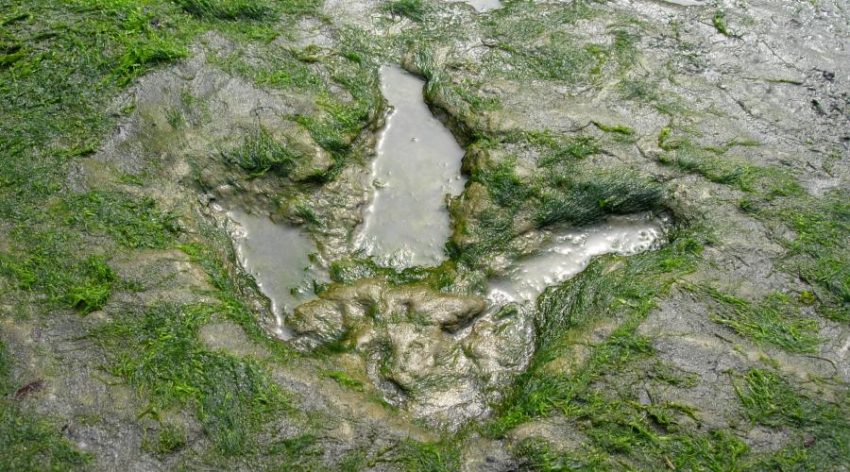
The museum’s mission goes beyond preservation. It actively connects visitors to the landscape through guided walks to Staffin’s dinosaur footprints, allowing people to see ancient tracks exactly where they were found, frozen in the shoreline rock for 170 million years.
Things to See and Do in the Staffin Dinosaur Museum
Inside the museum, explore carefully displayed fossils, bones, teeth, and track casts collected from the surrounding area. Each specimen offers a glimpse into Skye’s prehistoric ecosystem and the dinosaurs that lived here.
One of the highlights is hearing first-hand stories about the discoveries from Dugald Ross himself, who is often present to answer questions and share his experiences. The museum’s small scale adds to its charm, creating a personal and engaging atmosphere.
The most exciting experience, however, is the guided trip to Staffin Bay's dinosaur footprints. These tracks can be difficult to locate without a knowledgeable guide, and the tides play a significant role in visibility. Joining a tour ensures visitors can see them safely and clearly, making this one of the things to do in the Isle of Skye for families, fossil enthusiasts, and curious travellers.
How to Get to the Staffin Dinosaur Museum
The museum is located in the village of Staffin on the eastern side of the Trotternish Peninsula. The nearest major airport is Inverness Airport, which connects travellers to the Highlands before they continue onward to Skye. For the best deals and a seamless booking experience, check out these flights to Isle of Skye on Booking.com.
Visitors can take a train to Kyle of Lochalsh, then cross the Skye Bridge by bus or car, following the A87 and A855 north toward Staffin. Train schedules and bookings can be found on Omio.
Driving is the easiest way to reach the museum. It sits just off the A855 in a small stone building easily recognised from the road. Parking is available beside the museum.
Practical Tips on Visiting the Staffin Dinosaur Museum
- Suggested tips: Check tide times if planning to join a footprint tour; visibility depends on low tide.
- Best time to visit: Spring to autumn when weather and tides make footprint walks easier.
- Entrance fee: A small fee applies; check locally for current pricing.
- Opening hours: Typically seasonal; contact ahead for times and tour arrangements.
- Official website: See local Staffin tourism pages for details and updates.
- How long to spend: 30 minutes inside the museum; 1-1.5 hours if joining a footprint walk.
- Accessibility: The museum is compact; the footprint walk involves uneven coastal terrain.
- Facilities: Limited on-site facilities; Staffin village has shops and cafes nearby.
- Photography tip: Bring a macro lens or use phone close-ups to capture fossil detail.
- Guided tours: Offered by the museum to see Staffin Bay’s dinosaur footprints.
- Nearby food options: Cafes in Staffin offer meals and snacks before or after your visit.
Where to Stay close to the Staffin Dinosaur Museum
Staffin is an excellent base for exploring Skye’s prehistoric and natural highlights. Stay at Staffin House, conveniently located for local attractions. For dramatic views across northern Trotternish, consider Flodigarry Hotel. Further west, Uig Hotel provides comfortable accommodation close to both Staffin and Uig ferry connections.
Is the Staffin Dinosaur Museum Worth Visiting?
Absolutely. For its unique fossils, personal storytelling, and access to real dinosaur footprints, the museum stands out as one of the must-see places in the Isle of Skye for history lovers, families, and anyone curious about Scotland's ancient past. Its combination of local dedication and global scientific importance makes it a standout experience.
What Other Travellers Say...

Jurassic Dinosaurs Footprints at An Corran in Skye, Portree G74 2BX is a coastal spot where visitors can examine visible dinosaur footprints in flat rock near the shore; parking is available but limited and the best time to look is around low tide when indentations are easier to spot, though some prints can be hidden by seaweed or sand. Reviewers say a clear print can be found close to the ramp from the car park if you turn right toward the rocks, and that patience, good footwear and checking photos or asking others helps locate the roughly ten or so embedded prints; the beach is clean with space to explore and there are interesting views across to a nearby fishing camp island.


FAQs for Visiting the Staffin Dinosaur Museum
Nearby Attractions to the Staffin Dinosaur Museum
- Staffin Beach - Home to famous dinosaur footprints on the shoreline.
- The Quiraing - A dramatic landslip landscape with excellent walking routes.
- Kilt Rock & Mealt Falls - A striking cliff and waterfall viewpoint nearby.
- Lealt Gorge & Waterfall - A dramatic gorge with twin cascades.
- Brothers' Point - A scenic headland walk with coastal and archaeological interest.
The Staffin Dinosaur Museum appears in our Complete Guide to Visiting Isle of Skye!

Moira & Andy
Hey! We're Moira & Andy. From hiking the Camino to trips around Europe in Bert our campervan — we've been traveling together since retirement in 2020!
This website uses affiliate links which may earn a commission at no additional cost to you!
Planning Your Visit
April – October
10:00am-5:00pm 7 days a week
Adults: £4 Children: £2 Family Ticket: £10
Nearby Attractions
- Kilt Rock & Mealt Falls (0.3) km
Waterfalls - Brothers’ Point (3.3) km
Viewing Point and Walk - Lealt Gorge and Waterfall (5.4) km
Waterfalls - The Quiraing (6.3) km
Natural Phenomenon, Viewing Point and Walk - The Fairy Glen of Skye (9.7) km
Natural Phenomenon and Walk - Old Man of Storr (11.7) km
Natural Phenomenon and Walk - Flora MacDonald’s Grave (12.3) km
Historic Site - Duntulm Castle (12.4) km
Castle - Skye Museum of Island Life (12.6) km
Museum - Caisteal Uisdean (14.5) km
Castle