St Mary Magdalen Hospital Alms-houses, Winchester
Historic Building in Winchester
St Mary Magdalen Almshouses sit in one of Winchester’s most soothing pockets, right by the River Itchen and the riverside path locals call The Weirs. You’re not coming here for a ticketed “attraction” so much as a lived-in historic streetscape: warm brick façades, tidy boundaries, and the sense that Winchester’s old charitable traditions still have a real presence in the city today.
It's a lovely, low-effort stop on a walking tour of Winchester, especially if you're already wandering between Wolvesey, the Cathedral, and the water meadows. The setting is half the point: the river sound, the footbridges, and the gentle flow of walkers make this spot one of the things to see in Winchester when you want something quieter than the main monuments.
Table of Contents
- History and Significance of the St Mary Magdalen Almshouses
- Things to See and Do in the St Mary Magdalen Almshouses
- How to Get to the St Mary Magdalen Almshouses
- Practical Tips on Visiting the St Mary Magdalen Almshouses
- Where to Stay Close to the St Mary Magdalen Almshouses
- Is the St Mary Magdalen Almshouses Worth Visiting?
- For Different Travelers
- FAQs for Visiting St Mary Magdalen Almshouses
- Nearby Attractions to the St Mary Magdalen Almshouses
History and Significance of the St Mary Magdalen Almshouses
The story begins outside the city walls, on the eastern downs: St Mary Magdalen's medieval hospital was founded in the late 12th century to shelter people suffering from leprosy and other chronic illness, part of a wider network of “hospitals” that were as much about care and refuge as medicine. Over centuries, the institution's buildings were repeatedly altered, repurposed, and eventually dismantled, reflecting the changing realities of health, poverty, and urban life in Winchester.
What makes the Winchester almshouses compelling is the way the charity's history didn't simply end with the medieval site's disappearance. Materials from demolished buildings were reused around the city, and later almshouse provision continued in Winchester, including new builds in the 20th century. The riverside almshouses you see today represent that continuation: the same underlying civic idea-dignified shelter and support-translated into a calmer, domestic architecture that still feels part of everyday Winchester.
There's also a subtle “map of Winchester history” effect here: this area sits close to routes that have linked city, river, and religious life for a millennium. Standing by The Weirs, it's easy to picture how Winchester's practical needs-water management, travel routes, charity, and church influence-overlapped in real, physical space.
Things to See and Do in the St Mary Magdalen Almshouses
Start with the setting: approach via The Weirs riverside path and you’ll get the best first impression, with the river level, bridges, and trees framing the almshouses and their boundary walls. It’s a particularly good stretch for a slow wander because it feels “behind the scenes” compared with Winchester’s headline sights, yet it’s only minutes from the centre.
Look for commemorative details as you pass-tablets and small cues that hint at the site’s charitable identity-then use this as a connector walk. A very satisfying mini-route is to pair the almshouses with nearby historic stops (Wolvesey and the Cathedral quarter) and finish with a café back toward the High Street, letting the river path do the scenic work in between.
If you enjoy photography, this is a place for textures and atmosphere rather than big façades: brickwork, ironwork, river reflections, and long perspectives along the path. Early morning can feel almost village-quiet here, while late afternoon tends to bring a gentle stream of walkers that gives the riverside a lived-in warmth.
How to Get to the St Mary Magdalen Almshouses
For flights, Southampton Airport is the closest option, with London Heathrow and London Gatwick workable if you're coming from further afield. For the best deals and a seamless booking experience, check out these flights to Winchester on Booking.com.
By train, Winchester Station has frequent services (including fast trains to and from London Waterloo), and from the station it's an easy walk or quick local bus/taxi into the Cathedral and riverside area. Train schedules and bookings can be found on Omio.
Local buses run through the city centre, and once you’re near the Cathedral quarter you can reach The Weirs on foot in minutes via well-used pedestrian routes.
By car, the M3 gives straightforward access to Winchester; park centrally (Colebrook Street is convenient for this riverside area) and walk down to The Weirs.
Practical Tips on Visiting the St Mary Magdalen Almshouses
- Entrance fee: Free.
- Opening hours: 24 Hours
- Official website: https://stjohnswinchester.co.uk/
- Best time to visit: Aim for early morning for the calmest riverside atmosphere, or late afternoon for warmer light and a gentle “local stroll” vibe.
- How long to spend: 15-30 minutes is ideal as a standalone look, or longer if you’re using The Weirs as part of a wider riverside loop.
- Accessibility: The route is mostly flat, but surfaces can be uneven in places and may feel narrow by walls and railings; after heavy rain, riverside paths can be damp or muddy.
- Facilities: There are no visitor facilities specifically at the almshouses; plan to use cafés, public toilets, and benches around the Cathedral/High Street area before or after your walk.
Where to Stay Close to the St Mary Magdalen Almshouses
For a culture-heavy itinerary, base yourself around Winchester Cathedral and the High Street; if your priority is easy arrivals and departures, stay closer to Winchester railway station and walk into the centre when you're ready.
If you want to be walkable to the Cathedral quarter and close to riverside routes like The Weirs, Hotel du Vin Winchester is a strong choice for character and convenience. For a classic, central base with a “step out and explore” feel, Winchester Royal Hotel puts you in the middle of historic streets with an easy walk down toward the river.
If you’re arriving by train or prefer a practical, straightforward stay with quick access in and out, The Winchester Hotel & Spa sits close to the station and keeps the Cathedral area within an easy walk.
Is the St Mary Magdalen Almshouses Worth Visiting?
Yes-if you enjoy the quieter layers of a city, where history shows up in lived-in streets rather than roped-off interiors. It's not a “destination” in the ticketed sense, but it's a rewarding stop that adds texture to Winchester, especially when you pair it with the Cathedral quarter, Wolvesey, and a riverside wander.
If you’re short on time, think of it as a scenic connector: a place you pass through slowly rather than a place you schedule. That said, the calm of The Weirs and the sense of Winchester’s charitable past make it an unusually memorable few minutes.
What Other Travellers Say...
Reviews Summary
Saint Mary Magdalen on Colebrook Street in Winchester is a church visitors describe positively for its welcoming atmosphere and active community; reviewers note it as a pleasant place for worship and quiet reflection, and its location on Colebrook Street makes it easy to find within the city.
For Different Travelers
Families with Kids
This works best as a “movement break” rather than a long stop: kids can reset with fresh air, bridges, and river views while you keep the walk gently moving. Build it into a simple loop that includes a more kid-focused highlight nearby (like a museum visit or open green space), so the almshouses become part of the story rather than the main event.
It’s also a good moment to introduce an easy, human-scale history theme-how cities looked after people, and how those traditions shaped neighbourhoods. Keep it light, focus on the river and the walk, and you’ll get the benefit without needing a long attention span.
Couples & Romantic Getaways
The Weirs route is made for unhurried couple-walking: quiet corners, soft river sound, and a feeling of being tucked away from the busier streets. Visit in the morning for a calm, almost private atmosphere, then drift back toward the Cathedral quarter for coffee or a slow lunch.
For a more romantic rhythm, pair this with golden-hour light and a simple plan: riverside stroll, historic lanes, and an evening meal in the centre. It’s the kind of small, atmospheric stop that makes a city feel personal.
Budget Travelers
This is an excellent budget-friendly addition because it’s essentially a free, scenic heritage walk that still feels distinctive. Use it as part of a self-guided day that leans on Winchester’s walkability: you can connect multiple major sights with very little transport spend.
If you're managing costs, time your visit to avoid needing taxis (Winchester is compact) and treat The Weirs as your “paid attraction alternative” moment-quiet, photogenic, and genuinely local, without the ticket counter.
FAQs for Visiting St Mary Magdalen Almshouses
Getting There
Tickets & Entry
Visiting Experience
Tours, Context & Itineraries
Photography
Accessibility & Facilities
Food & Breaks Nearby
Safety & Timing
Nearby Attractions to the St Mary Magdalen Almshouses
- Wolvesey Castle: Atmospheric ruins near the Cathedral quarter that pair naturally with a riverside walk along The Weirs.
- Winchester Cathedral: One of England's great cathedrals, ideal to combine with the calm riverside stretch afterward.
- Winchester City Mill: A historic working mill beside the river, perfect for turning your walk into a small itinerary.
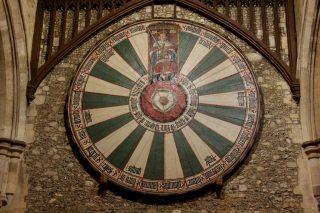
- The Great Hall and King Arthur's Round Table: A quick hop from the centre for big-history context and an iconic photo stop.
- St Catherine's Hill: A short walk for sweeping views and a classic Winchester “green escape” above the city.
The St Mary Magdalen Hospital Alms-houses appears in our Complete Guide to Visiting Winchester!

Moira & Andy
Hey! We're Moira & Andy. From hiking the Camino to trips around Europe in Bert our campervan — we've been traveling together since retirement in 2020!
This website uses affiliate links which may earn a commission at no additional cost to you!
Nearby Attractions
- Chesil Theatre (0.1) km
Church and Theatre - City Walls of Winchester (0.1) km
City Walls - The Chesil Rectory (0.1) km
Historic Building - Wolvesey Castle (0.1) km
Palace - Winchester City Mill (0.2) km
Mill - Nunnaminster (0.2) km
Abbey - Itchen Navigation Heritage Trail (0.2) km
Walk - King Alfred Statue (0.2) km
Statue - Winchester Guildhall (0.3) km
Historic Building and Tourist Office - Winchester College (0.4) km
Historic Building