Silfra Fissure, Reykjavik
Natural Phenomenon near Reykjavik
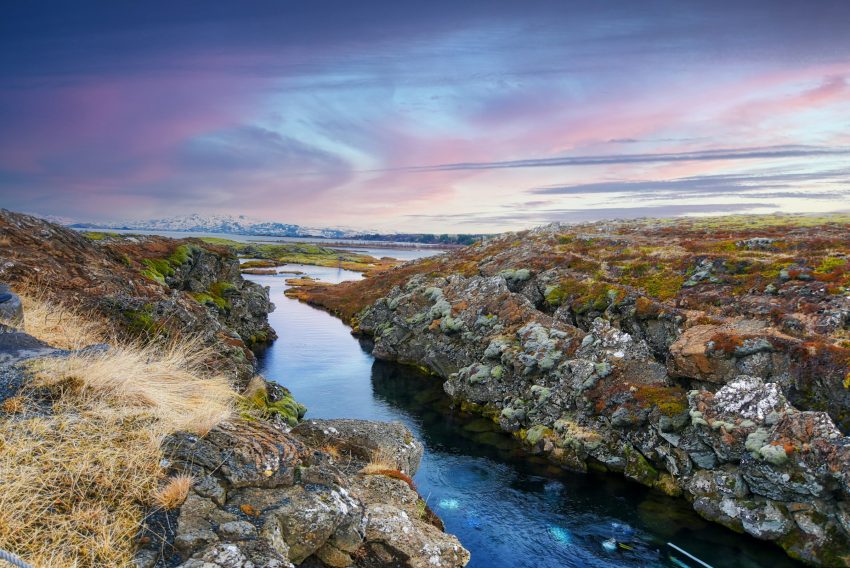
Silfra Fissure is a narrow, water-filled crack in the lava fields of Thingvellir National Park, where the North American and Eurasian tectonic plates slowly drift apart. What makes it famous is not just the geology but the water itself-cold, exceptionally clear, and filtered through underground lava for decades before it reaches the fissure, creating visibility that feels almost unreal.
For most travelers, Silfra is best experienced as a short, high-impact add-on to a Golden Circle day, especially if you want one “signature” activity that's genuinely unique to Iceland. It also fits neatly into a self-guided walking route around Thingvellir's main sights (Almannagjá gorge viewpoints, lake edges, and historic landmarks), with Silfra as the adventure centerpiece before you continue deeper into the park.
Table of Contents
- History and Significance of the Silfra Fissure
- Things to See and Do in the Silfra Fissure
- How to Get to the Silfra Fissure
- Practical Tips on Visiting the Silfra Fissure
- Where to Stay Close to the Silfra Fissure
- Is the Silfra Fissure Worth Visiting?
- For Different Travelers
- FAQs for Visiting Silfra Fissure
- Nearby Attractions to the Silfra Fissure
History and Significance of the Silfra Fissure
Silfra’s story is tied to both tectonics and earthquakes. The fissure sits in the rift zone that runs through Thingvellir, part of the Mid-Atlantic Ridge expressed on land in Iceland, and its modern form is often linked to late-18th-century seismic activity in the area. What visitors experience today is effectively a dramatic, accessible window into plate movement-an abstract geologic process made visible.
Its significance is also practical: the fissure is fed by glacial meltwater that percolates through porous lava for many years, emerging astonishingly pure and clear. That natural filtration is the reason Silfra became one of Iceland’s most iconic snorkel and dive sites, with strict rules around access and safety to protect both visitors and the fragile underwater environment.
Things to See and Do in the Silfra Fissure
The classic experience is a guided snorkel in a drysuit, which keeps you insulated from the water while you float through the fissure’s best-known sections. Expect a quick skills check, a short walk from the meeting point, then a calm drift where you can look down into deep blues and along rock walls that feel sharply defined by the clarity.
Certified divers can experience Silfra differently, moving more slowly and exploring the contours of the fissure with a guide and buddy system. Even if you do not enter the water, the surrounding Thingvellir landscape still delivers: the lava fields, lake views, and rift valley paths are scenic in any season, and the “between continents” narrative makes the stop feel more meaningful than a typical viewpoint.
How to Get to the Silfra Fissure
Most international visitors arrive via Keflavík International Airport (KEF), then continue to Thingvellir by road. For the best deals and a seamless booking experience, check out these flights to Reykjavik on Booking.com. Domestic flights use Reykjavík Airport (RKV), which can be convenient if you are connecting from elsewhere in Iceland, but most Silfra day trips still begin in Reykjavík. For the best deals and a seamless booking experience, check out these flights to Reykjavik on Booking.com.
From Reykjavík, you can join a guided Golden Circle/Silfra tour with transport included, or take a public bus route that serves the Thingvellir area seasonally and with limited frequency (so check schedules carefully and plan around fixed departure times). There are no passenger trains in Iceland, so rail is not part of the transport plan. Train schedules and bookings can be found on Omio. If you drive, you will follow the Golden Circle route and park in the designated Thingvellir lots, then walk to the Silfra meeting area.
Practical Tips on Visiting the Silfra Fissure
- Entrance fee: ISK 1,500 per snorkeler/diver (Silfra fee, typically included in tour price); parking fee at Thingvellir from ISK 1,000 per vehicle/day.
- Opening hours: 24 Hours
- Official website: https://www.thingvellir.is/en/things-to-do/diving/
- Best time to visit: Mid-morning to early afternoon is often the easiest for logistics, with better light and smoother tour timing. In summer, earlier slots can beat the busiest Golden Circle flow.
- How long to spend: Plan 2.5-4 hours door-to-door for a snorkel tour (briefing, gearing up, the water portion, and changing time), plus extra if you are combining multiple Thingvellir walks.
- Accessibility: The experience involves walking on uneven ground and managing drysuit gear, which can be challenging for limited mobility. Some operators can advise on suitability, but it is not a low-effort activity.
- Facilities: Facilities are at the national park service areas and parking zones rather than at the water itself, so use restrooms before you gear up. Bring a small towel and warm base layers even in summer.
Where to Stay Close to the Silfra Fissure
For most itineraries, the best base is Reykjavík if you want maximum dining, nightlife, and easy tour pickups, while the Selfoss-Hveragerði area suits a Golden Circle-focused trip where you want to be closer to early starts and hot-spring country.
For a stylish, nature-forward stay near Thingvellir, consider ION Adventure Hotel. If you prefer a comfortable countryside base with easy Golden Circle access, Hotel Grímsborgir is a strong choice for space and quiet. For a practical, well-located stop with services nearby, Hotel Örk works well, especially if you are pairing Silfra with the South Coast the next day.
Is the Silfra Fissure Worth Visiting?
Yes-if you want a genuinely distinctive Iceland experience, Silfra is one of the rare activities that feels as special as the photos suggest. The combination of surreal clarity, dramatic geology, and the “between tectonic plates” context makes it a standout even for travelers who normally skip water-based excursions.
Honest pivot: skip it if you dislike cold-water environments, feel uncomfortable in tight gear, or do not want a tour-style activity with rules and time slots. In that case, you will get a better day in Thingvellir by focusing on the rift valley walks, viewpoints, and lake scenery, then saving your “big activity” for a geothermal spa or an easier hike.
What Other Travellers Say...

Reviews highlight Silfra as a unique, bucket-list spot for snorkeling or diving between tectonic plates, praised for its crystal-clear water, striking scenery, and generally professional tour guidance. Visitors also appreciate the good access and nearby facilities like paid parking, bathrooms, and trails/visitor center. Common downsides are the very cold water and heavy crowds and long lines during peak tour-bus hours, with recommendations to visit early or later in the day.


For Different Travelers
Families with Kids
Silfra is best for families with confident, water-comfortable older kids (and only if everyone meets operator requirements). If that feels like a stretch, build your Thingvellir day around short walks to viewpoints and waterfalls, then reward everyone with a warm, kid-friendly stop afterward.
Couples & Romantic Getaways
For couples, Silfra is a memorable shared “we did that” experience-especially if you book a smaller group tour for a calmer pace. Pair it with a scenic drive and a slow dinner back in Reykjavík or a countryside hotel to turn the day into a mini-getaway.
Budget Travelers
Silfra can be expensive compared with other Thingvellir highlights, so decide whether it is your one splurge for the Golden Circle. If you skip the water, you can still get a high-quality day here by walking the rift paths, photographing the landscape, and paying only the parking fee.
FAQs for Visiting Silfra Fissure
Getting There
Tickets & Entry
Visiting Experience
Tours, Context & Itineraries
Photography
Accessibility & Facilities
Nearby Attractions to the Silfra Fissure
- Geysir Geothermal Area: Pair Silfra with erupting hot springs to contrast icy water with boiling earth on the same day.
- Almannagjá Gorge: Walk the dramatic rift corridor on an easy path that shows the plates pulling apart above ground.
- Öxarárfoss: A compact, photogenic waterfall reached by a short, straightforward trail in the park.
- Þingvellir Church and the historic assembly area: A quick stop that adds cultural context to the landscape.
- Lake Þingvallavatn viewpoints: Broad lake views that are especially striking in low light or snowy conditions.
The Silfra Fissure appears in our Complete Guide to Visiting Reykjavik!

Moira & Andy
Hey! We're Moira & Andy. From hiking the Camino to trips around Europe in Bert our campervan — we've been traveling together since retirement in 2020!
This website uses affiliate links which may earn a commission at no additional cost to you!
Planning Your Visit
24 Hours
ISK 1,500 per snorkeler/diver (Silfra fee, typically included in tour price); parking fee at Thingvellir from ISK 1,000 per vehicle/day.
Nearby Attractions
- Thingvellir National Park (3.6) km
National Park - Árbær Open Air Museum (37.1) km
Historic Building, Historic Site and Museum - Grasagarður Botanical Garden (38.6) km
Attraction, Gardens and Park - Laugardalslaug (38.8) km
Baths, Pool and Spa - Asmundur Sveinsson Sculpture Museum (39.2) km
Gardens, Museum and Sculpture - Laugarnes Church (39.3) km
Church and Religious Building - Höfði House (40.0) km
Attraction, Historic Building and Historic Site - Geysir Geothermal Area (40.0) km
Natural Phenomenon - Háteigskirkja (40.3) km
Church, Historic Building and Religious Building - Sun Voyager (40.8) km
Attraction, Sculpture and Statue