Schönbrunn Palace, Vienna
Palace in Vienna
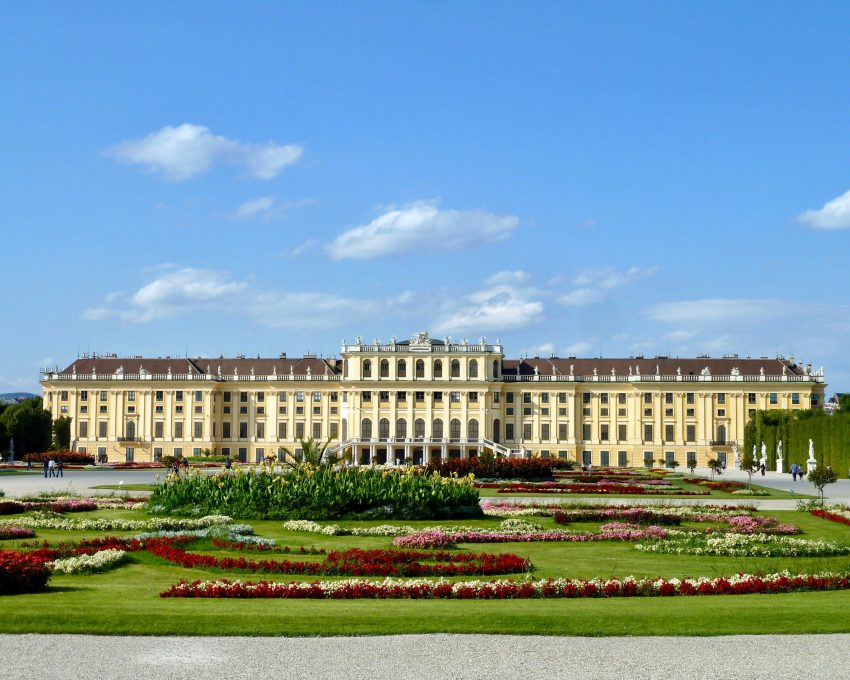
Schönbrunn Palace is one of Vienna's defining sights, a vast Baroque former summer residence of the Habsburgs where imperial ceremony, family life, and European politics once overlapped behind richly decorated state rooms. In practical travel terms, it is not just a palace interior but a whole heritage complex, with formal gardens, landmark viewpoints, and enough scale to anchor a walking tour or half-day visit in the Austrian capital.
What makes Schönbrunn especially rewarding is that it works on several levels at once: as a headline attraction for first-time visitors, as a place of real depth for anyone interested in Maria Theresa, Franz Joseph, and Empress Elisabeth, and as one of the best places in Vienna to combine interiors, parkland, and city views in a single stop. If you are building a classic sightseeing itinerary, this is one of the most dependable places to start.
Table of Contents
- History and Significance of the Schönbrunn Palace
- Things to See and Do in the Schönbrunn Palace
- How to Get to the Schönbrunn Palace
- Practical Tips on Visiting the Schönbrunn Palace
- Where to Stay Close to the Schönbrunn Palace
- Is the Schönbrunn Palace Worth Visiting?
- For Different Travelers
- FAQs for Visiting Schönbrunn Palace
History and Significance of the Schönbrunn Palace
The story of Schönbrunn reaches back to the medieval period, but the palace became truly important under the Habsburgs, first as an elite estate and then as a grand imperial residence. Its modern identity took shape in the seventeenth and eighteenth centuries, with designs by Johann Bernhard Fischer von Erlach and later major development under Nikolaus Pacassi, especially during the reign of Maria Theresa, when Schönbrunn emerged as the glittering focus of court life.
That imperial role is why Schönbrunn still matters so much today. From the eighteenth century until 1918 it served as a residence of the Habsburg emperors, and UNESCO recognises the palace and gardens as a World Heritage Site for their significance as a major Baroque ensemble. In other words, this is not simply a beautiful building but one of Europe’s most important surviving court complexes.
Things to See and Do in the Schönbrunn Palace
Inside the palace, the main draw is the sequence of state rooms and private apartments, where you get a sense of how the imperial court actually lived and presented itself. The interiors associated with Maria Theresa are among the most memorable, and even a standard palace visit gives you a concentrated look at the ceremonial and domestic side of Habsburg life rather than just an empty shell of historic rooms.
Outside, the experience expands well beyond the building itself. The park opens early, much of it can be enjoyed free of charge, and the wider grounds include the formal gardens, the Gloriette viewpoint, the Maze and Labyrinth, and other paid attractions that can turn a short palace stop into a much longer visit. For many travellers, the most enjoyable way to do Schönbrunn is to combine the interior ticket with time outside rather than rush through the rooms and leave.
How to Get to the Schönbrunn Palace
Schönbrunn is straightforward to reach from central Vienna, which is one reason it appears on so many first-time itineraries. The easiest route is usually the U4 underground line to Schönbrunn station, while tram lines 10 and 60 and bus 10A also stop at Schloss Schönbrunn. From Vienna International Airport, public transport connections typically route via Wien Mitte or Westbahnhof before continuing onward to the palace. For the best deals and a seamless booking experience, check out these flights to Vienna on Booking.com.
If you are arriving in Vienna by train, the palace is also simple to slot into your day. From Wien Hauptbahnhof, the standard route is U1 to Karlsplatz and then U4 to Schönbrunn, while from Westbahnhof you can use tram 60 to Schloss Schönbrunn. You can easily check timetables and book train tickets through the ÖBB (Austrian Federal Railways) website. However, for a smoother experience, we recommend using Omio, which simplifies the booking process and lets you compare routes, prices, and departure times all in one place.
Driving is possible, but for most visitors it is not the most efficient option because Vienna’s public transport gets you there neatly and without the hassle of city traffic. If you are on a wider Austria road trip it can work as a stop, but for a city visit the palace is usually better approached by metro or tram. If you are looking to rent a car in Austria I recommend having a look at Discover Cars, first, as they compare prices and review multiple car rental agencies for you.
Practical Tips on Visiting the Schönbrunn Palace
- Entrance fee:
- Opening hours:
- Official website:
- Best time to visit: Early morning is usually the best balance of lighter crowds and better atmosphere, especially if you want both palace rooms and garden time. Late afternoon can also work well for the grounds, but the interior feels more comfortable earlier in the day.
- How long to spend: Allow around 2-4 hours depending on whether you only tour the palace or also include the gardens and extra attractions. A basic palace visit is manageable in about an hour, but Schönbrunn rewards a slower pace.
- Accessibility: The display areas are barrier-free via ramps or lift, and there are no steps in the display rooms. This makes Schönbrunn one of the easier major historic interiors in Vienna for travellers with limited mobility.
- Facilities: Expect ticketing, visitor services, toilets, cafés, shops, and extensive grounds rather than a single self-contained museum visit. The wider site is well set up for a longer stay, especially if you plan to explore beyond the main palace circuit.
27 March 2026 to 30 June 2026: 08:30-17:30; 1 July 2026 to 31 August 2026: 08:30-18:00; 1 September 2026 to 2 November 2026: 08:30-17:30; 3 November 2026 to 31 March 2027: 08:30-17:00.
Entrance fee from €38.00 for the Palace Ticket (adult), with broader passes available at higher prices depending on how many attractions you want to include.
Website: refers to the official Schönbrunn Palace site.
Where to Stay Close to the Schönbrunn Palace
For a culture-heavy Vienna trip, the best base is usually central Vienna for easy access to multiple sights, but if Schönbrunn is a major focus and you want a calmer stay with quick palace access, Hietzing is the smarter choice.
Staying near Schönbrunn works particularly well if you want a quieter local feel without giving up good transport. Austria Trend Parkhotel Schönbrunn is the obvious classic pick right by the palace area and suits travellers who want atmosphere and convenience. Hotel Orangerie is a practical nearby option in Meidling with useful transport links, while MAXX by Steigenberger Vienna makes more sense if you want to balance Schönbrunn with broader city access.
Is the Schönbrunn Palace Worth Visiting?
Yes, definitely. If you are in Vienna for the first time, Schönbrunn Palace is one of the city's essential visits because it delivers scale, history, architecture, and gardens in a way few urban attractions can match.
The honest pivot is that travellers who dislike palace interiors, formal heritage sites, or major tourist draws may find it a little polished and busy. If your taste runs more toward offbeat neighbourhoods, modern culture, or quick city wandering, you may prefer to admire the grounds selectively rather than commit to a full palace visit.
What Other Travellers Say...
Reviewers consistently describe Schönbrunn Palace as a breathtaking, must-see Vienna landmark with impressive imperial interiors and expansive, well-kept gardens, often recommending allowing several hours and using an audio guide to appreciate the history. Visiting during the Christmas market is frequently highlighted for its festive atmosphere, family-friendly feel, and variety of stalls, though food and entry costs can feel pricey. Common drawbacks include ticketing logistics and availability—queues or having to walk back to the ticket office if not booked online—and occasional issues with the audio guide hardware, with many suggesting using the phone app and booking tickets in advance.





For Different Travelers
Families with Kids
Schönbrunn works well for families because the visit can be broken into manageable parts instead of feeling like one long museum trudge. The gardens, open space, and family-oriented attractions on the wider estate make it easier to keep children engaged than at many palace sites.
A good family strategy is to avoid overloading the day with too many interiors at once. Focus on the main palace visit, add time outdoors, and treat the grounds as part of the experience rather than an optional extra, especially if younger children need room to move around.
Couples & Romantic Getaways
For couples, Schönbrunn is one of Vienna’s strongest romantic settings because it pairs grand interiors with gardens and long vistas rather than just a single monument. It feels especially atmospheric when you give yourself time to walk the grounds slowly instead of treating it as a checklist stop.
The best version of the visit for couples is usually an early palace entry followed by time in the park and a climb or stroll toward the Gloriette area. That gives you both the imperial spectacle and the quieter side of the estate.
Budget Travelers
Schönbrunn can still be worthwhile on a tighter budget because the park itself is free during opening hours, so you do not have to buy a full ticket to enjoy the setting. That makes it one of the better big-name Vienna sights for travellers trying to balance must-sees with spending control. (Schönbrunn Palace)
The budget-minded approach is to prioritise the grounds and then decide whether the palace interior is the best use of your money. If imperial history is a major interest, the paid entry is justified; if not, you can still get a strong experience from the exterior, the gardens, and the overall atmosphere.
History Buffs
For history-focused travellers, Schönbrunn is one of Vienna’s richest sites because it is tied directly to the Habsburg court, Maria Theresa’s reign, and the political culture of imperial Europe. The palace is not just decorative: it helps explain how dynasty, ceremony, and government looked in practice.
History buffs should allow more time than the average visitor and pay close attention to the interiors associated with Maria Theresa and the nineteenth-century imperial household. Schönbrunn rewards context, and it becomes more interesting the more you know about the Habsburgs before you arrive.
FAQs for Visiting Schönbrunn Palace
Getting There
Tickets & Entry
Visiting Experience
Tours, Context & Itineraries
Photography
Accessibility & Facilities
Food & Breaks Nearby
Safety & Timing
The Schönbrunn Palace appears in our Complete Guide to Visiting Vienna!

Moira & Andy
Hey! We're Moira & Andy. From hiking the Camino to trips around Europe in Bert our campervan — we've been traveling together since retirement in 2020!
This website uses affiliate links which may earn a commission at no additional cost to you!
Planning Your Visit
Nearby Attractions
- Leopold Museum (3.9) km
Museum - Naturhistorisches Museum (4.2) km
Historic Building and Museum - Kunsthistorisches Museum (4.2) km
Arts Venue, Attraction and Museum - Burggarten (4.3) km
Attraction, Gardens and Park - Rathaus (4.4) km
Attraction, Historic Building and Town Hall - Neue Burg (4.4) km
Historic Building, Museum and Palace - Volksgarten (4.4) km
Gardens and Park - Ephesos Museum (4.4) km
Museum - Rathausplatz (4.5) km
Area, Square and Town Hall - State Opera House (4.6) km
Arts Venue, Historic Building and Opera House