Saône River, Lyon
River in Lyon

Visiting the Saône River in Lyon is a relaxed, scenic way to get to know the city from a slightly different angle. The river curves past Vieux Lyon, throwing up mirror-like reflections of its Renaissance façades and photogenic bridges such as Pont Bonaparte and Passerelle Saint-Georges. Walking, jogging or cycling along the quays quickly becomes one of the best places to visit in Lyon when you want to slow down: benches face the water, church towers line the banks, and there's always a spot to pause with a takeaway coffee or an impromptu picnic.
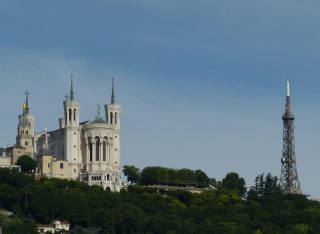
For many visitors, the highlight is getting out onto the water. River cruises glide past the colourful slopes of Croix-Rousse, the Fourvière hill crowned by its basilica, and the elegant townhouses of the Presqu'île, all while you sit back and watch the city unfold like a moving postcard. In the golden light of evening, when façades light up and reflections shimmer on the surface, the Saône feels especially romantic. Even if you never step on a boat, wandering the quays near Place Saint-Paul, Quai Romain Rolland or Quai Saint-Antoine is often visited on walking-tours of Lyon, and it quickly becomes part of your daily rhythm in the city.
Table of Contents
History and Significance of the Saône River
Long before Lyon was Lyon, the Saône helped determine why people settled here at all. Flowing down from the Vosges to join the Rhône at the southern end of the city, it offered a sheltered, navigable route that made Lugdunum a strategic crossroads for trade between northern Europe, the Alps and the Mediterranean. Roman engineers, merchants and soldiers all relied on the river for transport and communication, and the city's early quarters clustered along its banks and up the nearby hillsides.
In the Middle Ages and Renaissance, the Saône stayed at the heart of urban life. Merchants' houses and warehouses lined the quays, and bridges linked neighbourhoods on both sides, allowing markets, churches and guilds to knit together into a dense, lively riverfront. Many of the façades you admire today in Vieux Lyon and along the Presqu'île have their origins in that commercial heyday, when goods from across Europe arrived by boat and were traded in the streets just a few steps inland.
Modern Lyon has since expanded far beyond the Saône, but the river still shapes the city's identity. Its calmer, narrower character (compared with the Rhône) gives the western side of the centre a gentler, more intimate feel, with quays that lend themselves to strolling rather than just commuting. Restoration projects and redesigned riverbanks have turned much of the shoreline into a sequence of promenades, parks and viewpoints. For visitors, the Saône is where history, daily life and scenery come together in one easy, enjoyable walk.
Things to See and Do along the Saône River
A simple riverside walk is the best way to start. From Vieux Lyon, follow Quai Romain Rolland or the neighbouring quays and you'll find yourself moving past honey-coloured façades, church spires and the arches of the city's bridges. Pause on Pont Bonaparte or Passerelle Saint-Georges to look back towards the old town and up to Fourvière; these are classic Lyon views, especially around sunset when the light softens and the buildings glow.
River cruises on the Saône offer a different kind of pleasure. Sightseeing boats typically follow routes that take in the best of both banks, sometimes combining stretches of the Saône and Rhône, and they're a relaxing way to see a lot of the city without walking. From the deck, you can appreciate how the neighbourhoods fit together: Vieux Lyon tucked at the foot of Fourvière, the Presqu'île laid out between the rivers, and the slopes of Croix-Rousse rising in colourful layers above it all. An evening cruise adds the bonus of illuminated monuments and reflections.
On land, explore some of the quayside spots that locals love. Around Place Saint-Paul and the adjacent quays, you’ll find cafés and bars with views over moored boats and bridges. Further along, Quai Saint-Antoine is known for its lively markets, where stalls heave with fresh produce, cheeses, flowers and street food, especially at weekends. It’s an ideal place to assemble picnic supplies before claiming a spot on the riverbank steps. If you follow the river north or south, quieter stretches appear, with grassy banks, benches and cycling paths that make it easy to keep going as long as your feet or bike allow.
How to Get to the Saône River
Most international visitors arrive via Lyon-Saint Exupéry Airport (LYS), which has frequent flights from cities across Europe and beyond; from the airport, the Rhônexpress tram and connecting public transport lines make it straightforward to reach central neighbourhoods along the Saône such as Vieux Lyon or the Presqu'île. For the best deals and a seamless booking experience, check out these flights to Lyon on Booking.com.
If you’re coming by train, Lyon’s main stations-Part-Dieu and Perrache-both sit within easy reach of the river. From Part-Dieu, you can take the metro or tram to the city centre, then walk a few minutes west to reach the Saône quays; from Perrache, it’s a short walk up through the Presqu’île or a quick tram ride to stops close to the riverfront.You can use SNCF Connect to check schedules, compare routes, and purchase tickets for National (SNCF ) and regional trains (TER). For a more streamlined experience, we recommend using Omio, which allows you to easily compare prices, schedules, and book tickets for both National and Regional travel across all of Europe, all in one place. Once you’re by the water, the main promenades and bridges are best explored on foot or by bike.
Travelling by car, you can reach the Saône by following signs towards the Presqu'île or Vieux Lyon and using nearby car parks or on-street spaces, then continuing on foot along the river.If you are looking to rent a car in France I recommend having a look at Discover Cars, first, as they compare prices and review multiple car rental agencies for you. Central streets can be busy and parking limited, so many visitors prefer to park once and rely on walking, cycling or public transport for getting around the riverfront and nearby districts.
Practical Tips on Visiting the Saône River
- Suggested tips: Bring a reusable water bottle, comfortable shoes and maybe a light picnic; it’s easy to turn a simple stroll into a leisurely riverside break.
- Best time to visit: Early mornings are calm and reflective, while late afternoon and sunset offer beautiful light on façades and bridges; evenings are atmospheric when the city lights up.
- Entrance fee: Free — walking, sitting and enjoying the riverbanks costs nothing; boat cruises and rentals charge their own fares.
- Opening hours: The quays and paths are accessible at all hours, though specific parks, markets and cruise operators follow their own daily schedules.
- Official website: https://en.visiterlyon.com
- How long to spend: Allow at least an hour for a short walk and photo stops; a cruise, market visit and leisurely riverside meal can easily fill half a day.
- Accessibility: Many sections of the riverside promenades are flat and paved, making them suitable for wheelchairs and strollers, though some older quays have steps or cobbles.
- Facilities: You’ll find benches, occasional playgrounds, public bike stations and access points to cafés, bars and public toilets just off the main quays, especially near central bridges and squares.
- Photography tip: Use the bridges as vantage points-shoot along the river rather than straight across it to capture façades, reflections and the curve of the shoreline; blue hour is especially rewarding.
- Guided tours: Consider a guided walking tour or themed boat cruise if you'd like commentary on the buildings, history and neighbourhoods along the banks.
- Nearby food options: From bouchons in Vieux Lyon to wine bars on the Presqu'île and riverside terraces at Confluence, you're never far from somewhere to sit down for a meal or drink with a view of the water.
Where to Stay close to the Saône River
If you want to wake up just steps from the Saône in the historic centre, Collège Hôtel is a playful, school-themed hotel right by the river in the Saint-Paul area. It's perfectly placed for morning walks along the quays, quick access to Vieux Lyon, and easy connections across the bridges to the Presqu'île.
For a central option on the Presqu’île with fast access to both rivers, Hôtel des Artistes sits just a short walk from the Saône and offers comfortable rooms near Place Bellecour and the theatre district. From here, it's easy to drop down to the riverfront for sunset views or walk across to Vieux Lyon in a matter of minutes.
Further south, in the modern Confluence district where the Saône meets the Rhône, MOB Hotel Lyon Confluence offers a more contemporary, creative vibe right on the waterfront. Staying here puts you close to redesigned quays, cultural venues and cycling routes, with river cruises and tram links connecting you back to the historic core.
Is the Saône River Worth Visiting?
The Saône River is absolutely worth including in your Lyon plans, even if you only have a short time in the city. It's where many of the classic postcard views come from-Vieux Lyon reflected on the water, Fourvière silhouetted on the hill, bridges arcing between historic banks-and it offers a calmer, more contemplative atmosphere than some of the busier squares and shopping streets. Whether you choose a cruise, a long riverside walk or a simple sit-down on the steps with a coffee, time by the Saône has a way of slowing your day down in the best possible way.
What Other Travellers Say...

Quais de Saône à Lyon offers a peaceful riverside boardwalk ideal for morning or evening strolls, with produce markets, coffee shops and book stands lining the walk and plenty of attractive waterfront views.


FAQs for Visiting Saône River
Nearby Attractions to the Saône River
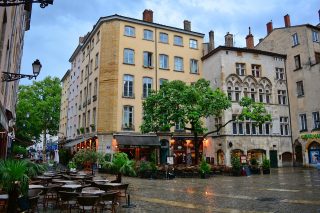
- Vieux Lyon - The atmospheric Renaissance quarter lining the right bank, full of traboules, courtyards and traditional bouchons.
- Cathédrale Saint-Jean - Gothic cathedral just off the river with a famous astronomical clock and a quiet, photogenic square.
- Basilica of Notre-Dame de Fourvière - Hilltop basilica overlooking the Saône, offering panoramic views and easy access via funicular from Vieux Lyon.
- Place Bellecour - The vast central square on the Presqu'île, a short walk from the river and a major hub for transport, shopping and events.
- Les Halles de Lyon Paul Bocuse - The city's celebrated covered food market, reachable by a pleasant walk or short tram ride from the Saône, perfect for assembling picnic supplies to enjoy by the water.
The Saône River appears in our Complete Guide to Visiting Lyon!

Moira & Andy
Hey! We're Moira & Andy. From hiking the Camino to trips around Europe in Bert our campervan — we've been traveling together since retirement in 2020!
This website uses affiliate links which may earn a commission at no additional cost to you!
Planning Your Visit
The quays and paths are accessible at all hours, though specific parks, markets and cruise operators follow their own daily schedules.
Free - walking, sitting and enjoying the riverbanks costs nothing; boat cruises and rentals charge their own fares.
Nearby Attractions
- Théâtre des Célestins (0.2) km
Theatre - Cour d’Appel (0.2) km
Historic Building - Maison du Chamarier (0.2) km
Historic Building - Cathédrale Saint-Jean (0.2) km
Cathedral - Miniature and Cinema Museum (0.2) km
Museum - Place de la Basoche (0.2) km
Square - Longue Traboule (0.2) km
Historic Building - Funiculaire de Lyon (0.3) km
Cable Car - Vieux Lyon (0.3) km
Area - La Tour Rose (The Pink Tower) (0.3) km
Historic Building and Tower