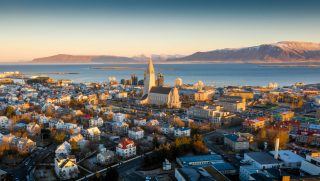
Reykjavík Maritime Museum, Reykjavik
Attraction and Museum in Reykjavik
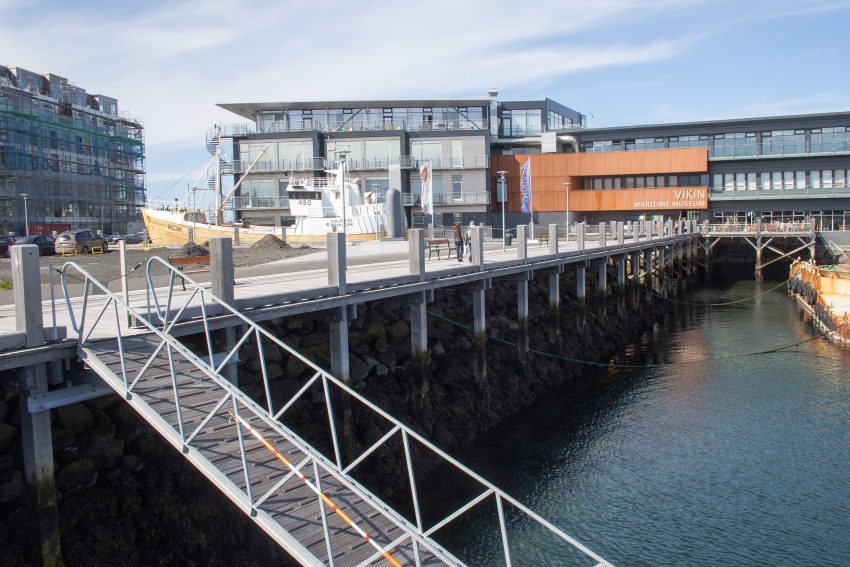
Reykjavík Maritime Museum sits right on the Old Harbour (Grandagarður) in Reykjavik, in a former fish-freezing plant that feels perfectly matched to the stories inside. It's a compact, well-curated museum that explains how the sea shaped Icelandic daily life, work, and identity—from small boats and hard-weather fishing to modern industry.
Because it's in the harbour district, it's easy to pair with a waterfront walk, whale-watching docks, and the café-and-gallery scene in Grandi. If you're doing a Reykjavik walking tour, this is a smart add-on either as a dedicated stop (especially on a rainy day) or as a “best places to see around the harbour” detour between Harpa, the waterfront promenade, and the Grandi area.
Table of Contents
- History and Significance of the Reykjavík Maritime Museum
- Things to See and Do in the Reykjavík Maritime Museum
- How to Get to the Reykjavík Maritime Museum
- Practical Tips on Visiting the Reykjavík Maritime Museum
- Where to Stay Close to the Reykjavík Maritime Museum
- Is the Reykjavík Maritime Museum Worth Visiting?
- For Different Travelers
- FAQs for Visiting Reykjavík Maritime Museum
- Nearby Attractions to the Reykjavík Maritime Museum
History and Significance of the Reykjavík Maritime Museum
Reykjavík Maritime Museum is essentially a window into the engine room of Iceland's modern story: fishing, seafaring, and the communities built around them. The museum's setting in the Old Harbour area helps you connect the exhibits to the real working waterfront outside—boats, docks, and the rhythms of a port city.
A major thread is how Iceland’s fisheries evolved over roughly the last 150 years, as rowing boats gave way to larger vessels and new technology transformed both safety and productivity. Along the way, you get a grounded sense of what “living with the sea” meant in practice: risk, resilience, and a national economy tied to the catch.
Another highlight is the presence of the Coast Guard vessel Óðinn, which adds a more dramatic, modern layer to the story—search and rescue, patrol work, and Iceland’s maritime sovereignty. Even if you’re not a ship person, the human stakes make this part of the museum especially memorable.
Things to See and Do in the Reykjavík Maritime Museum
Start with the permanent exhibition focused on fisheries and coastal life, which does a great job of turning big themes into tangible details: tools, gear, photos, and stories that make the work feel real. Look for the sections that trace the journey from sea to shore to processing—this is where the museum connects everyday life to Iceland’s wider identity.
If you enjoy interactive museums, you’ll likely appreciate how hands-on and family-friendly parts of the displays are. It’s the kind of place where you can move quickly for an overview, or slow down and read deeply without feeling overwhelmed by size.
If available during your visit, consider the guided experience connected to the vessel Óðinn for an added “step-into-the-story” moment. It’s also worth checking what temporary exhibitions are on, since these can add variety beyond the core fisheries narrative.
How to Get to the Reykjavík Maritime Museum
The nearest airport is Keflavík International Airport (KEF), which is the main gateway for international flights to Iceland. For the best deals and a seamless booking experience, check out these flights to Reykjavik on Booking.com.
Reykjavik does not have intercity passenger rail service, so you won't be arriving by train; instead, plan on bus transfers or a shuttle from the airport into the city center. Train schedules and bookings can be found on Omio..
From central Reykjavik, the museum is an easy trip by city bus, taxi, or on foot if you're already exploring the harbour and Grandi area. If you're driving, you can reach the Old Harbour area quickly from most parts of the city, but allow extra time during busy tour departures around the docks.
Practical Tips on Visiting the Reykjavík Maritime Museum
- Official website: https://borgarsogusafn.is/sjominjasafnid-i-reykjavik
- Entrance fee: Check official website.
- Opening hours: Daily: 10:00–17:00.
- Best time to visit: Late morning is ideal for a quieter experience, and it’s an excellent rainy-day plan when the harbour wind is strong.
- How long to spend: Plan 60–90 minutes for the museum; add extra time if you want to linger with the exhibits or join a ship-focused experience.
- Accessibility: The museum is generally easy to navigate, with step-free access and an elevator between floors.
- Facilities: Expect restrooms and a small shop; the harbour area nearby has plenty of cafés for a warm-up afterward.
Where to Stay Close to the Reykjavík Maritime Museum
Base yourself in central Reykjavik near the Old Harbour and downtown core for the easiest walks to sights, restaurants, and tour pickups.
Reykjavík Marina - Berjaya Iceland Hotels A top pick for harbour vibes: you’re close to the museum, whale-watching docks, and Grandi’s food scene, with a stylish, maritime-leaning atmosphere.
Center Hotels Arnarhvoll Great for a central base between the waterfront and downtown streets, making it easy to combine the museum with Harpa and a city stroll.
Sand Hotel by Keahotels Perfect if you want to be on Reykjavik’s main shopping-and-café street while still being walkable to the harbour and museum.
ION City Hotel A sleek, design-forward option for travelers who want a boutique feel and quick access to downtown dining after a museum visit.
Canopy by Hilton Reykjavik City Centre A comfortable, dependable choice with a lively location for evenings, while still close enough to the harbour for an easy daytime walk.
Is the Reykjavík Maritime Museum Worth Visiting?
Yes—especially if you want a clear, human-scale explanation of how Iceland's relationship with the sea shaped Reykjavik and the country's modern life. It's not huge, but it's thoughtfully done, easy to fit into a day, and the harbour location makes it feel connected to the real world outside.
Honest Pivot: If you’re museumed-out, short on time, or only interested in “big wow” art/architecture moments, you might prefer to spend your hours on the waterfront walk, Harpa, and a café crawl instead. It’s best for travelers who like context and stories, not just photo stops.
What Other Travellers Say...

Maritime museum in a former fish factory with historic ships & exhibits on local fishing industry.


For Different Travelers
Reykjavík Maritime Museum works well as a flexible stop: you can do it quickly for an overview or take your time and read deeply. Its harbour location also makes it easy to combine with other nearby attractions without complicated logistics.
Families with Kids
Kids often respond well to the hands-on elements and the clear, visual storytelling around boats, gear, and life at sea. Because the museum isn’t enormous, it’s easier to keep attention spans intact compared with larger, denser institutions.
Pair it with a harbour walk afterward so kids can connect what they saw inside to the boats and docks outside. If the weather turns, it’s also a reliable indoor plan that still feels “Icelandic” rather than generic.
Couples & Romantic Getaways
For couples, this museum is a low-stress, interesting stop that adds meaning to a harbour stroll and a nice meal nearby. It’s especially good if you like travel that mixes scenery with a bit of local story.
Make it part of a waterfront afternoon: museum first, then a warm drink and a slow walk along the sea. The Old Harbour area has a cozy, date-friendly feel even in colder months.
Budget Travelers
This is a solid value stop if you want a focused museum that doesn’t demand half a day. Its location also helps you save money on transport since you can walk here from many central areas.
Build a budget-friendly itinerary by combining it with free harbour wandering and nearby viewpoints along the waterfront. If you’re prioritizing paid attractions, this one earns its keep by giving you strong context for the rest of your trip.
History Buffs
History-minded travelers will appreciate how the museum ties everyday work to national change—technology shifts, labour, and the realities of living off the sea. It’s a practical, grounded complement to Reykjavik’s broader settlement and cultural history.
Take your time with the timelines and personal stories, and look for the parts that connect fisheries to Reykjavik’s growth as a port. The ship-related elements add a more modern historical layer that rounds out the narrative.
FAQs for Visiting Reykjavík Maritime Museum
Getting There
Tickets & Entry
Visiting Experience
Tours, Context & Itineraries
Photography
Accessibility & Facilities
Food & Breaks Nearby
Safety & Timing
Nearby Attractions to the Reykjavík Maritime Museum
- Harpa Concert Hall: Reykjavik’s iconic waterfront concert hall with striking architecture and great views from the surrounding promenade.
- Whales of Iceland: A large, immersive whale exhibit nearby that pairs naturally with a harbour-area day.
- Sun Voyager (Sólfar): A popular seaside sculpture that's an easy stop on a waterfront walk.
- The Settlement Exhibition: A compact, high-impact museum focused on Reykjavik's early history and archaeology.
- Laugavegur: The city's main shopping-and-strolling street, ideal for cafés, boutiques, and an easy post-museum wander.
The Reykjavík Maritime Museum appears in our Complete Guide to Visiting Reykjavik!

Moira & Andy
Hey! We're Moira & Andy. From hiking the Camino to trips around Europe in Bert our campervan — we've been traveling together since retirement in 2020!
This website uses affiliate links which may earn a commission at no additional cost to you!
Planning Your Visit
Daily: 10:00-17:00.
Check official website.
Nearby Attractions
- Aurora Reykjavík (0.1) km
Attraction, Museum and Visitor Centre - Whales of Iceland (0.2) km
Attraction and Museum - Old Harbour (0.4) km
Harbour, Port and Shop - Reykjavík Art Museum Hafnarhús (0.6) km
Arts Venue, Gallery and Museum - Cathedral of Christ the King (0.6) km
Cathedral, Church and Religious Building - The Settlement Exhibition (0.7) km
Historic Site, Museum and Ruins - Austurvöllur (0.8) km
Gardens, Park and Square - Alþingishúsið (0.8) km
Attraction, Historic Building and Notable Building - Dómkirkjan í Reykjavík (0.9) km
Cathedral, Church and Religious Building - Reykjavík City Hall (0.9) km
Attraction, Notable Building and Town Hall