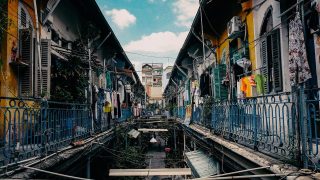
Quan Am Pagoda, Ho Chi Minh City (Saigon)
Buddhist Temple in Ho Chi Minh City (Saigon)
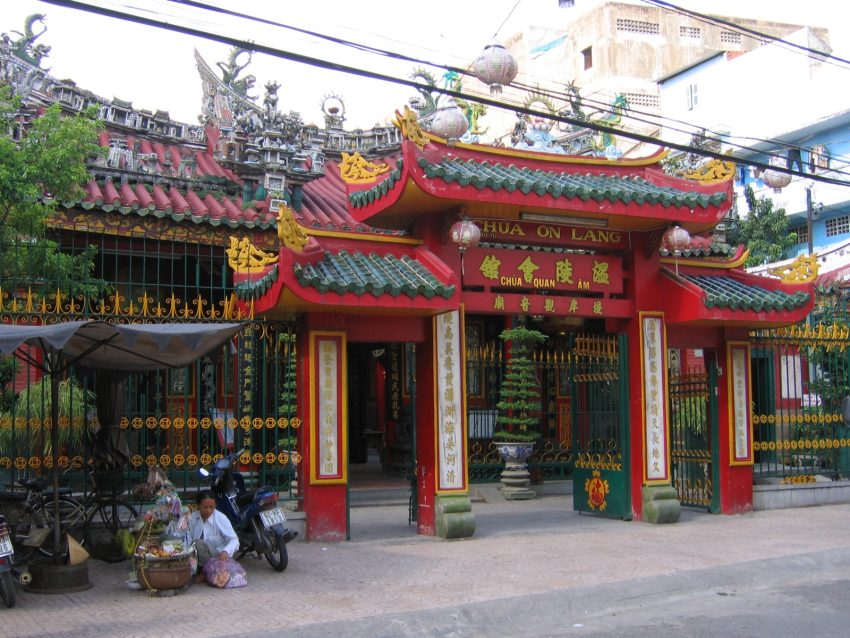
Quan Am Pagoda is one of the top attractions in Ho Chi Minh City for travellers seeking a serene retreat within the lively Cholon district. Dedicated to Quan Am, the Goddess of Mercy, this beautifully preserved pagoda blends Chinese and Vietnamese architectural styles, making it a great place to visit on a walking tour of Ho Chi Minh City's Chinatown. Its peaceful atmosphere and graceful statue of Quan Am make this spot one of the must-see places in Ho Chi Minh City, especially for those interested in spiritual traditions.
Inside, the pagoda exudes tranquillity. Soft light filters through carved windows, incense drifts upward in gentle spirals, and worshippers move quietly between altars. The murals, calligraphy panels, and statues of various deities help create an environment of compassion, reflection, and reverence.
Table of Contents
History and Significance of Quan Am Pagoda
Quan Am Pagoda was established by the Hoa (ethnic Chinese) community centuries ago and remains an important spiritual centre for Buddhists in Cholon. Its dedication to Quan Am (Guanyin), the bodhisattva of compassion, reflects the deep-rooted influence of Chinese Mahayana Buddhism in Vietnam.
Over time, the pagoda became a cultural and religious hub, offering a place for quiet reflection, charitable acts, and community gatherings. Its architecture-marked by sweeping rooflines, carved wooden details, and bright colours-reflects both Chinese craftsmanship and local Vietnamese adaptations.
Today, Quan Am Pagoda stands as a symbol of cultural harmony, maintaining traditions that have shaped Cholon's identity for generations.
Things to See and Do in Quan Am Pagoda
A visit begins at the ornate entrance gate, decorated with traditional motifs and flanked by colourful statues. Inside, the courtyard leads to multiple prayer halls, each adorned with vibrant murals, carved pillars, and red-and-gold altars.
The central highlight is the statue of Quan Am, often surrounded by flowers, candles, and offerings. Devotees light incense and pray for compassion, healing, and guidance. Observing these rituals provides an enriching insight into everyday spiritual life in the Chinese-Vietnamese community.
Visitors can also explore side chambers dedicated to additional deities, admire the detailed woodwork, or simply sit in quiet contemplation as incense fills the air.
How to Get to Quan Am Pagoda
Most international visitors enter Ho Chi Minh City via Tan Son Nhat International Airport before travelling to District 5's Chinatown. For the best deals and a seamless booking experience, check out these flights to Ho Chi Minh City (Saigon) on Booking.com.
The pagoda can be reached by city bus, taxi, or rideshare. Travellers arriving at Saigon Railway Station can easily continue by taxi or bus to Cholon. Train schedules and bookings can be found on Omio.
Travelling by car or taxi is convenient, though traffic can be heavy in the area. The pagoda is close to several other temples and markets, making it ideal to visit as part of a cultural walking route.
Practical Tips on Visiting Quan Am Pagoda
- Suggested tips: Speak softly and be mindful of worshippers.
- Best time to visit: Early morning or late afternoon for a calmer atmosphere.
- Entrance fee: Free
- Opening hours: Typically 6:00-18:00
- Official website: Not available
- How long to spend: 30-45 minutes.
- Accessibility: Main areas are ground level; some narrower passages may be crowded.
- Facilities: Small shops and cafés are available nearby.
- Photography tip: Capture incense smoke drifting through beams of light inside the main hall.
- Guided tours: Many Chinatown cultural tours include the pagoda.
- Nearby food options: Excellent Chinese-Vietnamese noodle shops and dim sum eateries surround the area.
Where to Stay close to Quan Am Pagoda
Cholon offers several excellent accommodation options for temple explorers. A popular choice is Windsor Plaza Hotel, which provides modern comfort near major cultural sites. Another nearby option is The Garden Hotel, ideal for easy access to markets, temples, and local dining spots.
Add a Is Quan Am Pagoda Worth Visiting?
Yes, Quan Am Pagoda is absolutely worth visiting. Its calm atmosphere, beautiful architecture, and deep spiritual significance make it an enriching stop for anyone interested in the cultural and religious heritage of Ho Chi Minh City's Chinatown.
What Other Travellers Say...

Hội quán Ôn Lăng - Chùa Quan Âm is a colorful, serene pagoda dedicated to the bodhisattva Quan Âm in District 5, featuring courtyards, a garden and a pond with fish; visitors note its beautiful architecture and intricate carvings, a calm atmosphere with incense and local worshippers, no entry fee, nearby two‑wheeler parking and street vendors selling offerings, easy to reach by bus or ride services, open daily from 6:15 AM to 5:00 PM, and guests are asked to dress modestly (shoulders and knees covered) and to respect the peaceful setting by silencing phones and avoiding intrusive photography.


FAQs for Visiting Quan Am Pagoda
Nearby Attractions to Quan Am Pagoda
- Ba Thien Hau Temple: A historic Chinese temple dedicated to the Goddess of the Sea.
- Tam Son Hoi Quan Pagoda: A serene temple honouring the goddess of fertility.
- Ong Bon Temple: A vibrant temple dedicated to the guardian of prosperity.
- Binh Tay Market: A lively Chinatown market full of local goods and foods.
- Cha Tam Church: A Chinese-Catholic church blending Gothic and Asian architectural styles.
The Quan Am Pagoda appears in our Complete Guide to Visiting Ho Chi Minh City (Saigon)!

Moira & Andy
Hey! We're Moira & Andy. From hiking the Camino to trips around Europe in Bert our campervan — we've been traveling together since retirement in 2020!
This website uses affiliate links which may earn a commission at no additional cost to you!
Planning Your Visit
Nearby Attractions
- Lantern Street (0.1) km
Street - Phuoc An Hoi Quan Pagoda (0.1) km
Buddhist Temple - Ba Thien Hau Temple (0.2) km
Chinese Shrine - Minh Huong Gia Thanh Hoi Quan (0.3) km
Buddhist Temple - Nghia An Temple (0.3) km
Buddhist Temple - Tam Son Hoi Quan Pagoda (0.3) km
Chinese Shrine - Cholon Mosque (0.4) km
Mosque - Ong Bon Temple (0.4) km
Chinese Shrine - Cha Tam Church (0.7) km
Church - Hao Si Phuong Alley (0.7) km
Street