Phare du Cap-Ferrat
Lighthouse in Villefranche-sur-Mer
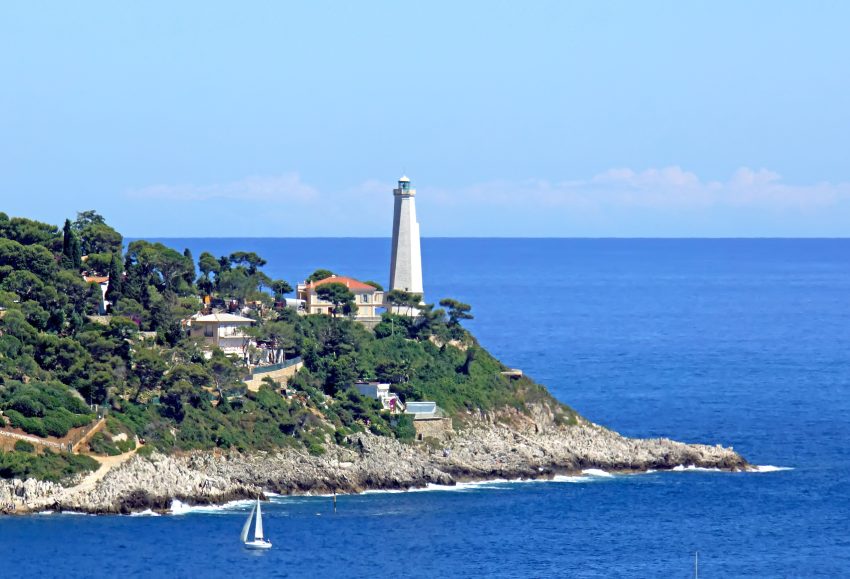
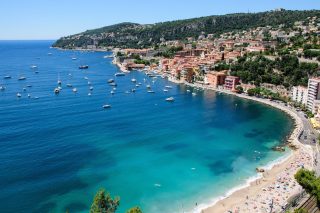
Phare du Cap-Ferrat is the lighthouse at the far end of the Saint-Jean-Cap-Ferrat peninsula, in the Villefranche-sur-Mer area of France. It is best treated as an outdoor sightseeing stop rather than a museum visit, with the approach itself forming much of the experience.
Visitors come here for the coastal path, the sea air, and the view at the tip of the cape, where the shoreline opens in both directions. The lighthouse is most appealing to walkers, couples, and casual day-trippers who want a short, manageable outing with clear Riviera scenery and no ticketed interior to plan around.
Table of Contents
- History and Significance of the Phare du Cap-Ferrat
- Things to See and Do in the Phare du Cap-Ferrat
- How to Get to the Phare du Cap-Ferrat
- Practical Tips on Visiting the Phare du Cap-Ferrat
- Where to Stay Close to the Phare du Cap-Ferrat
- Is the Phare du Cap-Ferrat Worth Visiting?
- For Different Travelers
- FAQs for Visiting Phare du Cap-Ferrat
History and Significance of the Phare du Cap-Ferrat
The lighthouse here has a long maritime backstory, with an early structure dating to the 18th century, built to guide ships along a coastline that can be deceptively dark and rocky at night. Like many strategic coastal sites, it was heavily impacted during the Second World War, and the lighthouse you see today reflects post-war rebuilding rather than an untouched original.
What gives the Phare du Cap-Ferrat its significance isn't just the tower itself, but the role it plays as a navigational marker at a point where the coastline bends and the sea opens up. It's a working landmark in spirit, even if you experience it mainly as a scenic endpoint, and it anchors the cape in a very literal way.
It’s also one of those Riviera places where the “story” is as much about geography as architecture. The cape’s position creates an exceptional panorama-one that explains why the coastal path here has such a reputation and why reaching the lighthouse feels like a small, satisfying journey.
Things to See and Do in the Phare du Cap-Ferrat
The main event is the approach and the viewpoint: linger at the tip of the cape and let your eyes run along the coastline in both directions. On clear days, the horizon feels enormous, and the contrast between the deep blue water and the pale stone of the lighthouse is exactly the kind of simple, iconic scene the Riviera does best.
Do the coastal path segment that suits your energy. If you’re short on time, pick a direction, walk until you hit your personal “wow, that’s enough views” threshold, then turn back and finish at the lighthouse. If you have longer, make it part of a broader Cap-Ferrat loop so the lighthouse becomes your natural milestone.
Photography-wise, it’s more about atmosphere than close-up detail. The best shots usually include the cliff edge, the curve of the path, and a bit of sea-spray mood, so don’t rush straight in-slow down and use the walk to build your angles.
How to Get to the Phare du Cap-Ferrat
The nearest airport is Nice Côte d'Azur Airport, and from there you can reach Saint-Jean-Cap-Ferrat by public transport and/or taxi depending on your schedule and where you're staying on the coast. For the best deals and a seamless booking experience, check out these flights to Villefranche-sur-Mer on Booking.com. Once you’re in Saint-Jean-Cap-Ferrat, you’re essentially switching to “on-foot mode” for the final stretch, because the lighthouse is best approached via the coastal path.
If you're arriving by train, use Nice-Ville or nearby coastal stations (such as Beaulieu-sur-Mer or Villefranche-sur-Mer) as your jumping-off point, then connect by local bus or taxi into Saint-Jean-Cap-Ferrat before walking onward. You can use SNCF Connect to check schedules, compare routes, and purchase tickets for National (SNCF ) and regional trains (TER). For a more streamlined experience, we recommend using Omio, which allows you to easily compare prices, schedules, and book tickets for both National and Regional travel across all of Europe, all in one place. It’s a straightforward Riviera day trip setup: rail for the backbone, bus for the last link, walking for the best part.
If you’re driving, park in or near the village and treat the lighthouse as a walking destination rather than a “pull up outside” stop. If you are looking to rent a car in France I recommend having a look at Discover Cars, first, as they compare prices and review multiple car rental agencies for you. Roads are narrow and parking at the cape is limited, so you’ll enjoy it more if you plan to walk the final section without stress.
Practical Tips on Visiting the Phare du Cap-Ferrat
- Entrance fee:
- Opening hours: External viewing only. Lighthouse tower is closed to visitors.
- Official website: https://www.explorenicecotedazur.com/fiche/phare-du-cap-ferrat/
- Best time to visit: Early morning for quieter paths and cleaner light, or late afternoon for softer contrast and a more cinematic coastline.
- How long to spend: Allow 60-120 minutes for a satisfying coastal-path out-and-back, longer if you’re doing a bigger Cap-Ferrat loop.
- Accessibility: The coastal path includes uneven ground and steps in places, so it’s not ideal for wheelchairs; if mobility is limited, aim for the most manageable path sections from the village side and keep expectations flexible.
- Facilities: Bring water and sun protection; treat this as an outdoor walk with limited amenities once you’re on the path.
Where to Stay Close to the Phare du Cap-Ferrat
For a culture-heavy itinerary, base yourself in central Nice so you can combine museums, Old Town, and easy day trips along the coast without changing hotels.
If you want a Riviera stay with quick access to the cape and a calmer, beach-forward vibe, Hôtel La Villa Patricia is well placed for early starts on the coastal path. For a more classic, comfort-first base that keeps you close to transport links while still feeling coastal, Hôtel Carlton works well if you’re pairing Cap-Ferrat with other day trips along the line.
If your trip focus is nightlife, big restaurant choice, and easy logistics, Hôtel Le Grimaldi by HappyCulture is a practical Nice base that makes day-tripping to Saint-Jean-Cap-Ferrat simple.
Is the Phare du Cap-Ferrat Worth Visiting?
Yes, if you like places where the journey is the attraction. The lighthouse itself is an exterior landmark and the tower isn’t a public visit, but the coastal path, viewpoints, and “end of the cape” feeling make it one of the most rewarding small missions you can do on this stretch of the Riviera.
Honest pivot: if you dislike walking on uneven coastal trails or you're chasing only ticketed interiors and big set-piece sights, skip it and spend that time at a villa museum or in Old Town Nice instead. This stop is for travelers who want sea air, scenery, and a memorable walk rather than a curated exhibition.
What Other Travellers Say...
Reviews highlight a scenic coastal cliff walk with stunning Mediterranean views, often described as worth the trip even in poor weather, and generally an easy walk suitable for most ages. Visitors recommend allowing a few hours and starting from the port or near the lighthouse area. Common drawbacks include difficult parking and restricted road access near the lighthouse, with some noting limited ability to visit the lighthouse itself.





For Different Travelers
Families with Kids
Treat it as a “mini-adventure walk” rather than a lighthouse visit, and keep the route flexible: go out until attention spans dip, then turn back. Pack snacks and water, and plan for slower progress because kids will stop constantly for rocks, waves, and viewpoints.
Couples & Romantic Getaways
This is a strong date-style outing: a scenic coastal walk with a natural turnaround point and plenty of quiet corners. Time it for late afternoon, then reward yourselves with a relaxed dinner back in the village or in nearby Beaulieu-sur-Mer.
Budget Travelers
It’s a high-value day because it’s essentially free and delivers big Riviera scenery. Use trains and buses to keep costs down, bring a packed lunch, and let the coastal path do the heavy lifting for your “wow” moments.
FAQs for Visiting Phare du Cap-Ferrat
Getting There
Tickets & Entry
Visiting Experience
Tours, Context & Itineraries
Photography
Accessibility & Facilities
Food & Breaks Nearby
Safety & Timing
The Phare du Cap-Ferrat appears in our Complete Guide to Visiting Villefranche-sur-Mer!

Moira & Andy
Hey! We're Moira & Andy. From hiking the Camino to trips around Europe in Bert our campervan — we've been traveling together since retirement in 2020!
This website uses affiliate links which may earn a commission at no additional cost to you!
Planning Your Visit
External viewing only.
Lighthouse tower is closed to visitors.
Nearby Attractions
- Ancien Hospital des Galeriens (2.8) km
Harbour, Historic Building and Historic Site - Port de la Darse (3.1) km
Harbour, Marina and Port - Musees de la Citadelle (3.2) km
Castle, Gardens and Museum - Port de la Sante (3.3) km
Docks, Harbour and Port - Place Amelie Pollonais (3.3) km
Area, Attraction and Square - Chapelle Saint-Pierre (3.3) km
Church, Gallery and Religious Building - Quai de l'Amiral Courbet (3.4) km
Harbour, Promenade and Street - Rue Obscure (3.4) km
Historic Building, Historic Site and Street - Eglise Saint-Michel (3.4) km
Church and Religious Building - Rue du Poilu (3.4) km
Area, Street and Walk