Nikola Tesla Museum, Belgrade
Museum in Belgrade
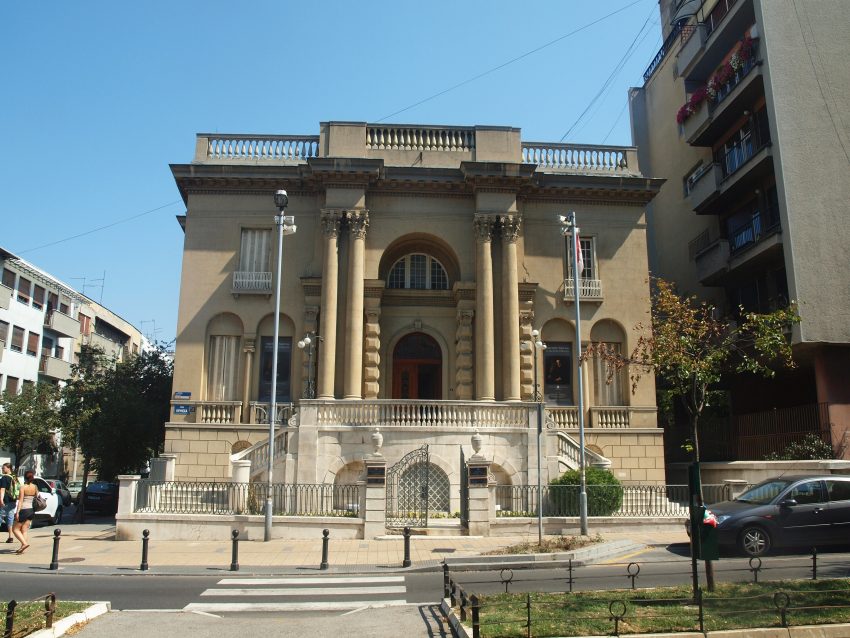
The Nikola Tesla Museum is one of Belgrade's most distinctive small museums, dedicated to the life, inventions, and personal legacy of Nikola Tesla. It sits in the Vračar area, a walkable, central part of the city that pairs well with nearby cafés, grand 19th-century streets, and an easy stroll toward Slavija Square.
Even if you're not a hardcore science fan, the museum's guided-visit format makes it approachable: you'll watch a short introductory film, then follow a guide through artifacts and demonstrations that bring Tesla's ideas to life. It's an easy add-on to a walking tour of central Belgrade, especially if you're already exploring Vračar, Slavija, and the elegant streets around Krunska.
Table of Contents
- History and Significance of the Nikola Tesla Museum
- Things to See and Do in the Nikola Tesla Museum
- How to Get to the Nikola Tesla Museum
- Practical Tips on Visiting the Nikola Tesla Museum
- Where to Stay Close to the Nikola Tesla Museum
- Is the Nikola Tesla Museum Worth Visiting?
- For Different Travelers
- FAQs for Visiting Nikola Tesla Museum
- Nearby Attractions to the Nikola Tesla Museum
History and Significance of the Nikola Tesla Museum
The Nikola Tesla Museum is significant because it preserves Tesla's original personal legacy in Belgrade, turning what could have been a purely “biography museum” into something closer to a living archive. Beyond the headline inventions, the museum's value is in the primary materials: documents, photographs, personal items, and technical drawings that show how Tesla thought and worked.
The museum is housed in a villa setting, which gives the visit an intimate feel compared with larger national institutions. That smaller scale is part of the appeal: you’re not wandering endless halls, you’re moving through a curated story that’s designed to fit into a short city day.
For travelers, it’s also one of the clearest places in Belgrade to connect Serbia’s cultural history with global scientific history. If you’ve seen Tesla referenced in pop culture, tech branding, or modern debates about innovation, this museum gives you the grounded, human context behind the myth.
Things to See and Do in the Nikola Tesla Museum
The core experience is the guided tour, which typically begins with a seated introductory film. After that, you’ll move through rooms that highlight Tesla’s life, his key breakthroughs, and the way his ideas shaped modern electricity and communication.
A highlight for many visitors is the live demonstration portion, where guides explain concepts in plain language and show working models or effects that make the science feel tangible. It’s the closest the museum gets to “hands-on,” and it’s where non-technical visitors often have the most fun.
Don’t rush the final moments: the museum shop area is small but often has smart souvenirs (books, posters, and science-themed gifts). If you’re building a Belgrade itinerary, this visit pairs nicely with a café stop in Vračar or a longer walk toward the city center afterward.
How to Get to the Nikola Tesla Museum
Belgrade is served by Belgrade Nikola Tesla Airport (BEG), the main international gateway, and it’s the most convenient arrival point for most visitors. For the best deals and a seamless booking experience, check out these flights to Belgrade on Booking.com.
If you’re arriving by rail, Belgrade Center (Prokop) is the city’s main passenger station; from there, it’s easiest to continue by taxi or public transport into the Vračar/Slavija area. Train schedules and bookings can be found on Omio.
By car, the museum is in a central neighborhood where street parking can be limited and regulated, so using a nearby garage and walking the last stretch is often the least stressful approach.
Practical Tips on Visiting the Nikola Tesla Museum
- Official website: https://tesla-museum.org/en/home/
- Entrance fee: Single ticket (guided tour in English): 800 RSD; Single ticket (guided tour in Serbian): 400 RSD; Group (10+): 500 RSD (English) / 250 RSD (Serbian). Cash in Serbian dinars only.
- Opening hours: Monday: 10:00–18:00. Tuesday – Sunday: 10:00–20:00.
- Best time to visit: Aim for earlier in the day or a weekday if you want a calmer, less crowded tour group, since visits run on set start times.
- How long to spend: Plan around 60–90 minutes total, including waiting for the next tour slot, the intro film, and the guided walkthrough.
- Accessibility: The museum is in a historic building and the visit is guided, so accessibility can depend on the specific route and crowding; contact the museum ahead if you need step-free access.
- Facilities: Expect a compact visitor setup with ticketing at the entrance and a small shop; bring cash in Serbian dinars since card payments may not be available.
Where to Stay Close to the Nikola Tesla Museum
Base yourself in central Belgrade (Vračar/Slavija/Terazije) for the easiest walking access to museums, restaurants, and transport connections.
Hilton Belgrade A polished, reliable choice near Slavija with strong comfort standards, great for travelers who want modern rooms and easy taxi/public-transport links.
Hotel Moskva A classic landmark stay with old-world character, ideal if you want to pair the Tesla Museum with a walkable, historic city-center base.
Courtyard by Marriott Belgrade City Center A practical, central option near Republic Square for travelers who prioritize location and predictable amenities over boutique styling.
Metropol Palace, Belgrade A higher-end pick with a more resort-like feel for a city hotel, good if you want spa downtime after sightseeing.
Mama Shelter Belgrade A fun, design-forward stay right on the pedestrian artery, great for nightlife, dining, and a lively base between attractions.
Is the Nikola Tesla Museum Worth Visiting?
Yes, it’s worth visiting if you enjoy science, invention stories, or museums that deliver a structured, guided experience rather than a self-paced wander. The museum is small, but the combination of artifacts, storytelling, and demonstrations makes it feel more substantial than its size suggests.
Honest Pivot: if you strongly dislike guided tours, crowded rooms, or being “locked” into a film-and-tour sequence, you may find the format restrictive. In that case, you might be happier prioritizing Belgrade’s larger, more open-ended museums and saving Tesla for a different kind of experience.
What Other Travellers Say...

With a strong overall rating (4.2 from a large number of reviews), travelers generally describe the Nikola Tesla Museum as a memorable, guided experience that's especially rewarding for anyone interested in science, electricity, and invention history. Common highlights include engaging guides, clear explanations for non-technical visitors, and entertaining demonstrations after an introductory film. The most frequent drawbacks are the small size, a tour system that can feel crowded or rigid, and occasional frustration about waiting for the next timed group; some visitors also mention payment limitations and feeling the experience is a bit pricey for how compact it is.


For Different Travelers
The Nikola Tesla Museum can fit many itineraries because it's central and relatively short, but the guided format shapes who will enjoy it most. Think of it as a timed experience with a clear beginning and end, rather than a drop-in gallery.
Families with Kids
For school-age kids, the demonstrations and big ideas (electricity, inventions, famous experiments) can be genuinely exciting, especially if they like science shows. The guided structure also helps keep attention focused because there’s always a “next” moment.
For very young children, the seated film and the need to stay with the group may feel long, and crowded tours can be tiring. If you go as a family, aim for a less busy time and keep expectations realistic about how interactive it will be.
Couples & Romantic Getaways
This is a smart daytime date if you like learning together and want something different from the usual fortress-and-river-walk routine. It’s also easy to pair with a coffee stop in Vračar or a longer stroll back toward the city center.
If your trip vibe is more slow, spontaneous, and café-led, the timed entry and guided pacing may feel a bit rigid. Consider it a short, memorable “anchor activity” rather than the centerpiece of a romantic day.
Budget Travelers
The museum is compact, so it’s a good value when you want a high-impact attraction that doesn’t consume half a day. Its central location also helps you save on transport if you’re staying in or near the core neighborhoods.
That said, budget travelers should be prepared for the payment policy and bring enough Serbian dinars in cash. If you’re trying to minimize costs, combine it with free walking routes around central Belgrade’s architecture and public squares.
History Buffs
History buffs will appreciate the personal-legacy angle: letters, documents, and objects that connect Tesla’s public achievements to his private life. The villa setting reinforces the sense that you’re stepping into a preserved chapter of 20th-century cultural history.
If you’re more interested in Serbian political or military history than science history, you may find this museum more niche. Still, it’s a meaningful stop because it ties Belgrade to a globally influential figure with a real archival footprint in the city.
FAQs for Visiting Nikola Tesla Museum
Getting There
Tickets & Entry
Visiting Experience
Tours, Context & Itineraries
Photography
Accessibility & Facilities
Food & Breaks Nearby
Safety & Timing
Nearby Attractions to the Nikola Tesla Museum
- Slavija Square: A major Belgrade hub that’s useful for orientation and a quick look at the city’s everyday rhythm.
- Church of Saint Sava: One of the largest Orthodox churches in the world, impressive both outside and in its vast interior.
- Tašmajdan Park: A central green space that's great for a breather between museums and city walks.
- Republic Square: The classic meeting point for central Belgrade, close to museums, theaters, and pedestrian streets.
- Knez Mihailova Street: Belgrade’s main pedestrian promenade for people-watching, shopping, and easy city-center strolling.
The Nikola Tesla Museum appears in our Complete Guide to Visiting Belgrade!

Moira & Andy
Hey! We're Moira & Andy. From hiking the Camino to trips around Europe in Bert our campervan — we've been traveling together since retirement in 2020!
This website uses affiliate links which may earn a commission at no additional cost to you!
Planning Your Visit
Monday: 10:00-18:00.
Tuesday - Sunday: 10:00-20:00.
Single ticket (guided tour in English): 800 RSD; Single ticket (guided tour in Serbian): 400 RSD; Group (10+): 500 RSD (English) / 250 RSD (Serbian). Cash in Serbian dinars only.
Nearby Attractions
- Tašmajdan Park (0.4) km
Area and Park - St. Mark's Church (0.6) km
Church, Historic Building and Religious Building - Skupština (0.8) km
Attraction, Historic Building and Notable Building - Cathedral of Saint Sava (0.8) km
Cathedral, Church and Religious Building - Old Palace (0.9) km
Historic Building, Historic Site and Palace - Skadarlija Street (1.4) km
Area, Street and Walk - Zeleni Venac Market (1.4) km
Bazaar and Market - Republic Square (1.5) km
Attraction, Monument and Square - National Theatre (1.5) km
Arts Venue, Opera House and Theatre - National Museum (1.5) km
Museum