Nghia An Temple, Ho Chi Minh City (Saigon)
Buddhist Temple in Ho Chi Minh City (Saigon)
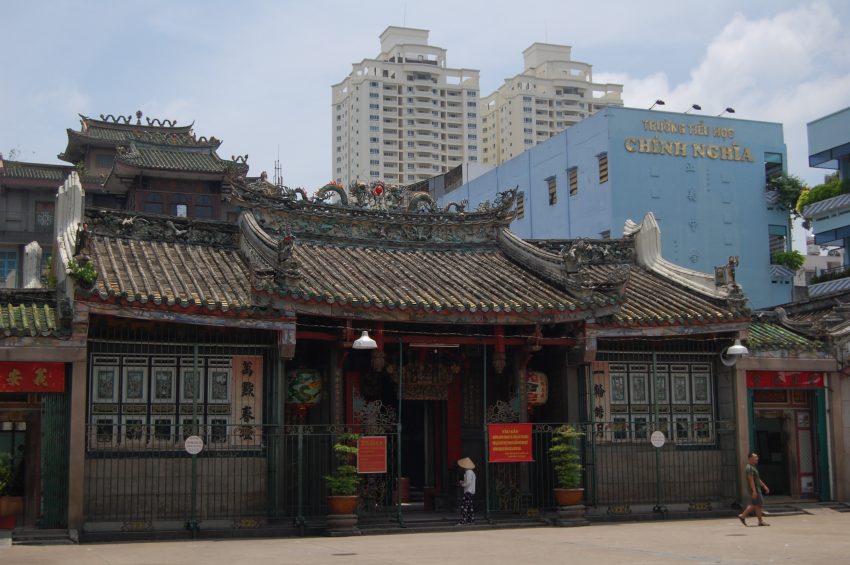
Nghia An Temple is one of the top attractions in Ho Chi Minh City for travellers exploring the cultural heart of the Cholon district. Built in the 19th century, this ornate temple is dedicated to the God of the Earth, a key deity in Chinese folk religion, and is a great place to visit on a walking tour of Ho Chi Minh City's Chinatown. With vibrant colours, intricate carvings, and traditional Chinese motifs, this spot is one of the must-see places in Ho Chi Minh City for those interested in architecture, spirituality, and heritage.
Inside, the temple exudes a serene and reverent atmosphere. Incense fills the air, murals illustrate ancient stories, and worshippers gather at the main altar to offer prayers for protection, stability, and blessings. The peaceful environment offers a welcome escape from the lively streets of Chinatown.
Table of Contents
- History and Significance of Nghia An Temple
- Things to See and Do in Nghia An Temple
- How to Get to Nghia An Temple
- Practical Tips on Visiting Nghia An Temple
- Where to Stay close to Nghia An Temple
- Add a Is Nghia An Temple Worth Visiting?
- FAQs for Visiting Nghia An Temple
- Nearby Attractions to Nghia An Temple
History and Significance of Nghia An Temple
Nghia An Temple was founded in the 19th century by the Hoa (ethnic Chinese) community, many of whom originated from Fujian and Guangdong provinces. Dedicated to the God of the Earth-a deity associated with land, stability, and communal well-being-the temple became an important spiritual centre where merchants and families sought blessings for prosperity and harmony.
The structure exemplifies traditional southern Chinese temple architecture, with tiled roofs, elaborate relief carvings, wooden beams, and symbolic guardian figures. Over time, the temple has also served as a gathering place for festivals, social events, and cultural celebrations, helping preserve the identity and traditions of the Chinese-Vietnamese community.
Today, Nghia An Temple stands as a living symbol of Cholon's historical and cultural continuity.
Things to See and Do in Nghia An Temple
Begin your visit at the beautifully decorated entrance gate, where carved dragons, protective deities, and colourful motifs reflect centuries of craftsmanship. The temple courtyard leads to the main sanctuary, illuminated by lanterns and filled with the fragrance of incense.
Inside, the altar dedicated to the God of the Earth takes centre stage. Surrounded by offerings and devotional objects, this sacred space is where worshippers gather to pray for wealth, health, and family harmony. Visitors can also explore side halls featuring additional deities from Chinese folk religion.
Murals, calligraphy panels, and lacquered woodwork adorn the interior, offering rich artistic detail for cultural enthusiasts and photographers alike.
How to Get to Nghia An Temple
Most visitors arrive in Ho Chi Minh City via Tan Son Nhat International Airport before travelling to Cholon in District 5. For the best deals and a seamless booking experience, check out these flights to Ho Chi Minh City (Saigon) on Booking.com.
The temple is accessible by city bus, taxi, and rideshare. Travellers entering the city by rail can reach Saigon Railway Station and continue by taxi or bus to District 5. Train schedules and bookings can be found on Omio.
Travelling by car or taxi is straightforward, though the streets of Chinatown can be busy. The temple’s central location makes it easy to pair with nearby markets and pagodas.
Practical Tips on Visiting Nghia An Temple
- Suggested tips: Be respectful and avoid obstructing worship areas.
- Best time to visit: Early morning or late afternoon when the temple is calmer.
- Entrance fee: Free
- Opening hours: Typically 6:00-17:00
- Official website: Not available
- How long to spend: 30-45 minutes.
- Accessibility: Ground level, though some passages may be narrow.
- Facilities: Small shops and cafés in the surrounding streets.
- Photography tip: Capture the ornate entrance and vibrant rooftop details from the courtyard.
- Guided tours: Many Chinatown tours include this temple as part of a cultural route.
- Nearby food options: The area offers excellent Chinese-Vietnamese cuisine, including dim sum and herbal soups.
Where to Stay close to Nghia An Temple
For travellers wanting to stay near Cholon’s cultural attractions, Windsor Plaza Hotel offers modern comfort and excellent access to the district. Another convenient choice is The Garden Hotel, ideal for exploring markets, temples, and the vibrant local food scene.
Add a Is Nghia An Temple Worth Visiting?
Yes, Nghia An Temple is worth visiting for its rich Chinese architecture, spiritual atmosphere, and cultural significance. It provides an authentic glimpse into the traditions of the Chinese-Vietnamese community and is an essential stop for anyone exploring Ho Chi Minh City's Chinatown.
What Other Travellers Say...

Hội Quán Nghĩa An, at 678 Nguyễn Trãi in District 5, is a colorful Chinese temple known for intricate carvings and gilded Buddha statues in decorative prayer halls; visitors note the detailed rooftops and pleasant, quiet atmosphere at times, that it can be busy with worshippers, offers free entrance and basic info via a QR code at the entrance, and is open daily from 6:00 AM to 5:00 PM.


FAQs for Visiting Nghia An Temple
Nearby Attractions to Nghia An Temple
- Phuoc An Hoi Quan Pagoda: A vibrant Taoist temple dedicated to the God of Wealth.
- Quan Am Pagoda: A peaceful Buddhist temple honouring the Goddess of Mercy.
- Ba Thien Hau Temple: A historic sanctuary dedicated to the Goddess of the Sea.
- Binh Tay Market: A bustling traditional market at the centre of Chinatown.
- Cha Tam Church: A unique Chinese-Catholic church blending Gothic and Asian elements.
The Nghia An Temple appears in our Complete Guide to Visiting Ho Chi Minh City (Saigon)!

Moira & Andy
Hey! We're Moira & Andy. From hiking the Camino to trips around Europe in Bert our campervan — we've been traveling together since retirement in 2020!
This website uses affiliate links which may earn a commission at no additional cost to you!
Planning Your Visit
Nearby Attractions
- Ba Thien Hau Temple (0.1) km
Chinese Shrine - Tam Son Hoi Quan Pagoda (0.1) km
Chinese Shrine - Cholon Mosque (0.1) km
Mosque - Minh Huong Gia Thanh Hoi Quan (0.2) km
Buddhist Temple - Lantern Street (0.2) km
Street - Quan Am Pagoda (0.3) km
Buddhist Temple - Phuoc An Hoi Quan Pagoda (0.4) km
Buddhist Temple - Hao Si Phuong Alley (0.4) km
Street - Ong Bon Temple (0.6) km
Chinese Shrine - Cha Tam Church (0.9) km
Church