Naturhistorisches Museum, Vienna
Historic Building and Museum in Vienna
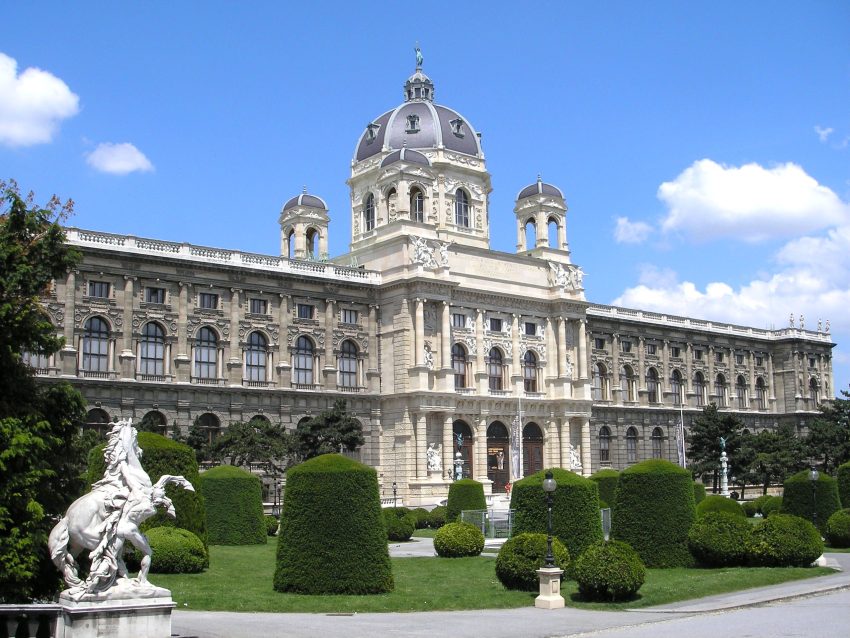
Naturhistorisches Museum (the Natural History Museum) sits on Vienna's grand Maria-Theresien-Platz, opposite the Kunsthistorisches Museum, in a monumental 19th-century building that feels as much like a palace as a museum. Inside, it's a deep dive into the natural world, from prehistoric finds and dinosaurs to glittering minerals and meticulously curated animal displays.
It's an easy win to include on a walking tour of Vienna's historic center: pair it with the Ringstrasse sights, the MuseumsQuartier area, and the nearby Hofburg complex, then duck in for a few hours when you want something both impressive and indoors. For the best “wow” moments, head straight for the prehistoric highlights and the dinosaur halls, then slow down for the gem and meteorite displays.
Table of Contents
- History and Significance of the Naturhistorisches Museum
- Things to See and Do in the Naturhistorisches Museum
- How to Get to the Naturhistorisches Museum
- Practical Tips on Visiting the Naturhistorisches Museum
- Where to Stay Close to the Naturhistorisches Museum
- Is the Naturhistorisches Museum Worth Visiting?
- For Different Travelers
- FAQs for Visiting Naturhistorisches Museum
- Nearby Attractions to the Naturhistorisches Museum
History and Significance of the Naturhistorisches Museum
The Naturhistorisches Museum is one of Vienna's signature imperial-era institutions, created to house and showcase vast scientific collections that had outgrown earlier spaces. Its setting on Maria-Theresien-Platz is no accident: the museum was designed to project knowledge, prestige, and the idea of a world gathered and studied in one place.
Beyond the architecture, the museum’s significance comes from the breadth of its collections and the way it connects big themes: deep time, evolution, biodiversity, and Earth’s geology. It’s the kind of museum where you can move from human origins to meteorites in a single afternoon and still feel like you only scratched the surface.
Today, it works well for both quick “highlights-only” visits and slower, curiosity-led wandering. Even if you're not a science superfan, the building's grand halls and the sheer density of objects make it a memorable Vienna experience.
Things to See and Do in the Naturhistorisches Museum
Start with the museum’s headline attraction: the Venus of Willendorf, a tiny prehistoric figurine that’s world-famous and surprisingly moving to see in person. From there, the dinosaur and prehistoric life displays are the most crowd-pleasing, especially if you’re traveling with kids or anyone who loves big, dramatic skeletons.
Don’t skip the mineral and gemstone rooms, which often end up being the sleeper favorite: sparkling crystals, rare stones, and a sense of Earth’s artistry that contrasts nicely with the animal and fossil halls. The meteorites and space-related displays are another strong stop, especially if you want something different from the typical “old masters” museum circuit.
Finally, give yourself permission to enjoy the museum as a place, not just a checklist. The ornate staircases, ceilings, and galleries are part of the experience, and it’s worth pausing to look up as often as you look into cases.
How to Get to the Naturhistorisches Museum
Vienna International Airport (VIE) is the main gateway, and Bratislava Airport (BTS) can also work for some itineraries, though it's farther from central Vienna. For the best deals and a seamless booking experience, check out these flights to Vienna on Booking.com.
If you're arriving by rail, Vienna Hauptbahnhof (Main Station) and Wien Westbahnhof are the most common entry points; from either, connect to the U-Bahn/trams to reach the Innere Stadt quickly. You can easily check timetables and book train tickets through the ÖBB (Austrian Federal Railways) website. However, for a smoother experience, we recommend using Omio, which simplifies the booking process and lets you compare routes, prices, and departure times all in one place.
Driving into central Vienna is possible, but parking is limited and regulated, so it's usually easier to park outside the core and continue by public transport. If you are looking to rent a car in Austria I recommend having a look at Discover Cars, first, as they compare prices and review multiple car rental agencies for you.
Once you’re in the center, aim for Maria-Theresien-Platz (between the twin museums). The closest U-Bahn stop is Volkstheater (U2/U3), and multiple trams stop nearby, making it straightforward even if you’re hopping around the Ringstrasse.
Practical Tips on Visiting the Naturhistorisches Museum
- Official website: https://www.nhm.at/en
- Entrance fee: Adults: €18; Reduced: €14; Under 19: free.
- Opening hours: Monday: 09:00–18:00. Tuesday: Closed. Wednesday: 09:00–20:00. Thursday: 09:00–18:00. Friday: 09:00–18:00. Saturday: 09:00–18:00. Sunday: 09:00–18:00.
- Best time to visit: Go early in the day for quieter galleries, or choose a later opening day if you prefer a calmer, less rushed visit.
- How long to spend: Plan 2–3 hours for highlights; 4+ hours if you like reading labels and exploring the mineral, meteorite, and biodiversity sections in depth.
- Accessibility: Step-free access is available for most visitor routes, and staff can help you choose the smoothest path between levels.
- Facilities: Expect cloakroom options, restrooms, and an on-site café/restaurant for an easy mid-visit break.
Where to Stay Close to the Naturhistorisches Museum
Base yourself in Vienna’s 1st District (Innere Stadt) for the easiest walks to the museum, major sights, and classic cafés.
If you want maximum convenience, staying around the Ringstrasse or the edge of the historic center lets you reach the Naturhistorisches Museum on foot and still have great transit connections for everything else.
Hotel Sans Souci Wien Chosen for its upscale comfort right by MuseumsQuartier, making it ideal if you want a museum-heavy itinerary with a stylish, calm home base.
25hours Hotel beim MuseumsQuartier A fun, design-forward pick with a lively vibe and an easy walk to the museum; great if you like hotels that feel like part of the city’s culture.
The Guesthouse Vienna A boutique option in the heart of the 1st District, perfect for travelers who want a central, walk-everywhere stay with a polished, modern feel.
Hotel Imperial, a Luxury Collection Hotel, Vienna A classic Ringstrasse splurge for architecture lovers; it matches the grandeur you’ll see inside the museum and puts you close to major landmarks.
Motel One Wien-Staatsoper A reliable, good-value central stay that keeps you close to the historic core without paying top-tier luxury prices.
Is the Naturhistorisches Museum Worth Visiting?
Yes, it’s one of Vienna’s most satisfying museums: the building alone is a showstopper, and the collections deliver real “I can’t believe this is here” moments, from prehistoric icons to dazzling minerals. It also balances well with Vienna’s art-heavy lineup, giving you a different lens on history and culture through science and discovery.
Honest Pivot: if you dislike traditional museums with lots of display cases and reading, or you're on a very tight schedule and only want Vienna's art highlights, you might prefer to spend your time at a single art museum plus a walking tour instead. It's also less ideal if you're traveling with very hands-on kids who need interactive exhibits to stay engaged.
What Other Travellers Say...

Reviews are overwhelmingly enthusiastic, with travelers repeatedly calling the museum spectacular and rating it as a must-do in Vienna. The most common positives are the palace-like architecture and interiors, the depth and variety of collections (especially dinosaurs, minerals, and iconic prehistoric pieces), and practical comforts like clean facilities and an easy-to-navigate layout. A few visitors note that it can feel large and time-consuming if you try to see everything in one go, and popular areas can get busy at peak times.


For Different Travelers
The Naturhistorisches Museum can be tailored to your travel style: you can do a fast highlights loop, a slow deep dive, or use it as a weather-proof anchor day in the center. The key is choosing a focus (prehistory, dinosaurs, gems, or biodiversity) so the scale feels exciting rather than overwhelming.
Families with Kids
Dinosaurs and big-animal displays are the natural starting point, and they’re usually the easiest way to keep momentum moving from room to room. Build in short “look up” breaks too, because the architecture itself can be a fun scavenger hunt.
For younger kids, aim for a shorter visit with clear targets (dinosaurs, a few favorite animals, shiny minerals) rather than trying to see everything. Ending with a snack break nearby can turn the day into a win even if attention spans run out.
Couples & Romantic Getaways
This museum is surprisingly romantic if you like beautiful spaces: grand staircases, dramatic halls, and that classic Vienna sense of elegance. It's a great daytime pairing with a café stop and an evening concert plan.
Couples who enjoy slow travel will like wandering without a strict route, letting curiosity decide what’s next. The mineral and meteorite sections are especially good for lingering and talking rather than rushing.
Budget Travelers
With smart planning, the museum can be a high-impact indoor activity that fills a big chunk of your day in the center. If you’re using city passes or discounts, it can become even better value.
To keep costs down, plan your visit so you don’t need taxis, and combine it with nearby free sights like Maria-Theresien-Platz and the Ringstrasse walk. Bring a water bottle and save the café for a single planned treat rather than multiple impulse stops.
History Buffs
Even though it’s a natural history museum, it’s packed with human history through objects: prehistoric artifacts, early scientific collecting, and the story of how empires displayed knowledge. The building itself is also a historical document of Vienna’s late-19th-century ambition.
History-focused visitors should prioritize the prehistoric collections (including the Venus of Willendorf) and then pay attention to how the museum frames exploration, classification, and scientific progress. It’s a strong complement to Vienna’s palaces and art museums.
FAQs for Visiting Naturhistorisches Museum
Getting There
Tickets & Entry
Visiting Experience
Tours, Context & Itineraries
Photography
Accessibility & Facilities
Food & Breaks Nearby
Safety & Timing
Nearby Attractions to the Naturhistorisches Museum
- Kunsthistorisches Museum: The “twin” museum across Maria-Theresien-Platz, packed with major art collections in an equally grand building.
- Maria-Theresien-Platz: The elegant square between the two museums, ideal for photos and a quick breather between sights.
- MuseumsQuartier: A nearby cultural complex with museums, courtyards, and plenty of places to sit, snack, and people-watch.
- Hofburg Palace: The former imperial complex close by, offering layers of Habsburg history and impressive architecture.
- Austrian Parliament Building: A striking landmark on the Ringstrasse that's easy to add to a central walking route.
The Naturhistorisches Museum appears in our Complete Guide to Visiting Vienna!

Moira & Andy
Hey! We're Moira & Andy. From hiking the Camino to trips around Europe in Bert our campervan — we've been traveling together since retirement in 2020!
This website uses affiliate links which may earn a commission at no additional cost to you!
Planning Your Visit
Monday: 09:00-18:00.
Tuesday: Closed.
Wednesday: 09:00-20:00.
Thursday: 09:00-18:00.
Friday: 09:00-18:00.
Saturday: 09:00-18:00.
Sunday: 09:00-18:00.
Adults: €18; Reduced: €14; Under 19: free.
Nearby Attractions
- Kunsthistorisches Museum (0.2) km
Arts Venue, Attraction and Museum - Neue Burg (0.2) km
Historic Building, Museum and Palace - Ephesos Museum (0.3) km
Museum - Leopold Museum (0.3) km
Museum - Burggarten (0.4) km
Attraction, Gardens and Park - Volksgarten (0.4) km
Gardens and Park - Spanische Reitschule (0.5) km
Arts Venue, Attraction and Historic Building - Hofburg Imperial Palace (0.5) km
Historic Building, Historic Site and Palace - Michaelerplatz (0.5) km
Attraction, Historic Site and Square - Austrian National Library (0.5) km
Historic Building, Historic Room and Library