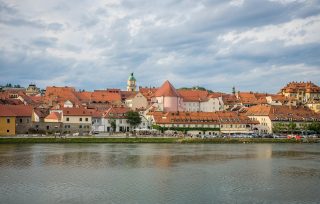
National Liberation Museum, Maribor
Museum in Maribor

The National Liberation Museum Maribor is one of the best places to visit in Maribor if you want to understand not just its pretty Old Town, but the struggles and changes that shaped the city in the 20th century. Opened as an independent museum in 1958 and housed in the handsome neo-Renaissance Villa Scherbaum, it traces a line from the interwar years through World War II and into the industrial boom that followed. The setting itself, a late-19th-century mansion built by entrepreneur Gustav Scherbaum, adds a layer of architectural interest to the historical story on display inside.
Step through the door and you move into a series of carefully curated exhibitions that make the city's past tangible. From “Maribor is ours!” and “Sssh! Maribor 1941-1945” to “A Monument to Maribor's Industry - Industrial Maribor in the 20th Century,” the museum mixes objects, photos, documents, and immersive displays to show how ordinary people experienced upheaval, occupation, resistance, and reconstruction. It is a highlight of any walking tour of Maribor if you want context for the monuments, factories, and neighbourhoods you see outside.
Table of Contents
- History and Significance of the National Liberation Museum
- Things to See and Do in the National Liberation Museum
- How to Get to the National Liberation Museum
- Practical Tips on Visiting the National Liberation Museum
- Where to Stay close to the National Liberation Museum
- Is the National Liberation Museum Worth Visiting?
- FAQs for Visiting National Liberation Museum
- Nearby Attractions to the National Liberation Museum
History and Significance of the National Liberation Museum
The roots of the National Liberation Museum Maribor go back to 1947, when a collection focused on the national liberation struggle was established within the Maribor Regional Museum. This was the first such collection in a Slovenian complex museum, reflecting how urgently people wanted to document the occupation, resistance, and social changes that had just reshaped their lives. Over the next decade, the collection grew, and on May 1, 1958, it was formalised as an independent institution dedicated to the modern history of northeastern Slovenia.
Its home, Villa Scherbaum, adds a distinctive frame to that mission. Built in the 1890s by local entrepreneur Gustav Scherbaum, the neo-Renaissance mansion embodies the confidence of a growing industrial city on the Drava. Elegant façades, period interiors, and generous rooms provide a striking contrast to the often stark stories told in the exhibitions, underlining how quickly fortunes and circumstances can change within a single lifetime or generation.
Today, the museum's remit covers key periods such as the interwar years, World War II, and the post-war decades, including the rise and transformation of Maribor's industry. Its archive holds over 120 metres of material related to World War II alone, making it a major resource for historians and researchers. At the same time, its educational programmes for children and youth ensure that new generations encounter these histories in accessible, engaging ways. In this sense, the National Liberation Museum Maribor is one of the must-see places in Maribor for anyone who wants to move beyond surface impressions and into the city's deeper story.
Things to See and Do in the National Liberation Museum
The permanent exhibitions form the backbone of any visit. “Maribor is ours!” introduces you to the city's experience of changing borders, political pressures, and identity in the turbulent 20th century. Through objects, stories, and photographs, you get a sense of how ordinary residents navigated big historical shifts. “Sssh! Maribor 1941-1945” goes deeper into the occupation years, exploring themes of repression, resistance, and survival in a city that lived under close scrutiny and serious threat.
Another key exhibition, “A Monument to Maribor's Industry - Industrial Maribor in the 20th Century,” highlights the region's industrial evolution. Machines, tools, documents, and personal stories chart how factories and workers reshaped the urban landscape and daily life. For visitors who have already walked past former industrial complexes or noticed Maribor's factory quarters, this exhibition helps everything click into place, showing how crucial industry was to the city's identity and growth.
Beyond the displays, the museum is active in education and outreach. Workshops, creative activities, and interactive programmes for children and young people make history feel immediate and personal rather than distant and abstract. Even if you are visiting without a group, you can still benefit from clear interpretive texts, thoughtfully arranged objects, and the calm, reflective atmosphere of Villa Scherbaum. Plan to move slowly, read widely, and let the stories sink in-you’ll come out with a much richer understanding of northeastern Slovenia than you had when you walked in.
How to Get to the National Liberation Museum
Most international visitors arrive via regional airports such as Ljubljana Jože Pučnik Airport in Slovenia or nearby hubs in Graz and Vienna, then travel on to Maribor by road or rail. For the best deals and a seamless booking experience, check out these flights to Maribor on Booking.com.
Maribor is well linked by train to Ljubljana, Graz, Vienna, and other Central European cities. From Maribor's main railway station, you can walk or take a short local bus or taxi into the city centre, then continue on foot to Villa Scherbaum, which stands within easy reach of central streets and sights. You can easily check schedules and book tickets through the Slovenian Railways. However, for a smoother experience, we recommend using Omio, which simplifies the booking process and lets you compare prices and schedules all in one place.
If you are travelling by car, major motorways and main roads lead directly to Maribor from Ljubljana, Graz, and beyond. Once in the city, follow signs for the centre, park in one of the public car parks, and walk a short distance through the streets to the National Liberation Museum Maribor.
Because it sits relatively close to other key attractions and public transport links, it’s straightforward to combine a visit with a wider day of sightseeing in the Old Town and along the Drava.
Practical Tips on Visiting the National Liberation Museum
- Suggested tips: Allow enough time to read the exhibition texts and reflect; this is a place for slower, thoughtful exploration rather than a quick in-and-out stop.
- Best time to visit: Late morning or early afternoon on weekdays is often quieter, giving you more space and time with the exhibits.
- Entrance fee: Adults: €6:00
- Opening hours: Monday-Friday: 8 a.m. – 5 p.m. Saturday: 9 a.m. – 12 p.m. Sunday: 9 a.m. – 1 p.m. (July/August)
- Official website: https://mnom.si/en/
- How long to spend: Plan on 1-2 hours for the permanent displays, longer if you are particularly interested in World War II history or industrial heritage.
- Accessibility: The historic villa setting may include stairs and level changes; visitors with reduced mobility should check accessibility information in advance or at the entrance.
- Facilities: Expect basic visitor services such as restrooms and possibly a small shop or information desk; cafés and restaurants are available nearby in the city centre.
- Photography tip: Interior photography policies can vary; focus on capturing the atmosphere of Villa Scherbaum from outside and, if allowed, detail shots of key exhibits inside without flash.
- Guided tours: Enquire about guided tours or themed visits, which can provide deeper insight into specific topics like resistance, occupation, or industrial development.
- Nearby food options: After your visit, head towards the central streets or Glavni Trg, where plenty of cafés and restaurants offer good spots to sit, talk over what you've seen, and refuel.
Where to Stay close to the National Liberation Museum
Staying in or near the city centre makes it easy to walk to the National Liberation Museum Maribor and combine it with other sights. A modern, comfortable choice within walking distance of the Old Town and riverfront is Hotel City Maribor, which provides a convenient base for exploring both the museum and the Lent district. For a more traditional feel amid historic façades, Hotel Orel places you close to Glavni Trg and central streets, with the museum reachable on foot in a pleasant stroll. Travellers who prefer easy car access and a slightly quieter location might choose Mercure Maribor City Center, then walk or take a short bus ride to reach Villa Scherbaum and nearby attractions.
Is the National Liberation Museum Worth Visiting?
The National Liberation Museum Maribor is absolutely worth visiting, especially if you are interested in how 20th-century history played out in real cities and lives rather than just textbooks. Its exhibitions on the interwar period, World War II, and post-war industrial development turn abstract themes into concrete stories, supported by well-chosen objects, documents, and personal narratives. Housed in the elegant Villa Scherbaum, it also offers an architectural experience that complements the historical content.
Because it is centrally located, reasonably priced, and thoughtfully curated, the museum fits easily into a half-day in the city. You can pair it with a walk through the Old Town, a stop at the riverfront, or a visit to other nearby museums. For many visitors, the mix of moving wartime exhibits, industrial history, and strong educational focus makes this one of the things to do in Maribor that leaves a lasting impression long after you've left the galleries.
What Other Travellers Say...

Museum of National Liberation Maribor at Ulica heroja Tomuščoda 5 offers traditional displays and artifacts tracing the region through the early 20th century, with permanent exhibitions covering World War II and life under socialist Yugoslavia alongside many rotating temporary shows on topics from skateboarding and sustainability to AI and historical ships; visitors note a lot of informative content and exhibits, a good variety and atmosphere, friendly staff, helpful curators and the option to join a city tour guide, and say a visit typically takes about an hour to an hour and a half.


FAQs for Visiting National Liberation Museum
Nearby Attractions to the National Liberation Museum
- Maribor Castle - A central museum housed in a former noble residence, offering exhibitions on regional history and culture.
- Maribor Town Hall and Glavni Trg - The Renaissance Town Hall and vibrant Main Square, forming the civic heart of the Old Town.
- Cathedral of St. John the Baptist - The city's main Roman Catholic cathedral, combining Gothic elements with later styles and housing the tomb of Bishop Anton Martin Slomšek.
- Stara trta (Old Vine) and Old Vine House - Home to the world's oldest fruit-bearing grapevine, with a small museum and wine tastings along the Drava riverfront.
- Mestni Park (City Park) and Aquarium-Terrarium Maribor - The city's main green space and a compact aquarium and terrarium complex, ideal for a relaxing nature-focused break after the museum.
The National Liberation Museum appears in our Complete Guide to Visiting Maribor!

Moira & Andy
Hey! We're Moira & Andy. From hiking the Camino to trips around Europe in Bert our campervan — we've been traveling together since retirement in 2020!
This website uses affiliate links which may earn a commission at no additional cost to you!
Planning Your Visit
Monday-Friday: 8 a.m. - 5 p.m.
Saturday: 9 a.m. - 12 p.m.
Sunday: 9 a.m. - 1 p.m. (July/August)
Adults: €6:00
Nearby Attractions
- Aquarium-Terrarium (0.2) km
Aquarium - Maribor Castle (0.3) km
Castle - Mestni Park (0.3) km
Park - Tscheligi Tower (0.4) km
Tower - Slovenian National Theatre (0.4) km
Theatre - Cathedral of St. John the Baptist (0.5) km
Cathedral - Maribor Town Hall (0.6) km
Town Hall - Glavni Trg (0.6) km
Square - Maribor Synagogue (0.7) km
Synagogue - Jewish Tower (0.7) km
Tower