National Archeological Museum of Perugia
Museum in Perugia
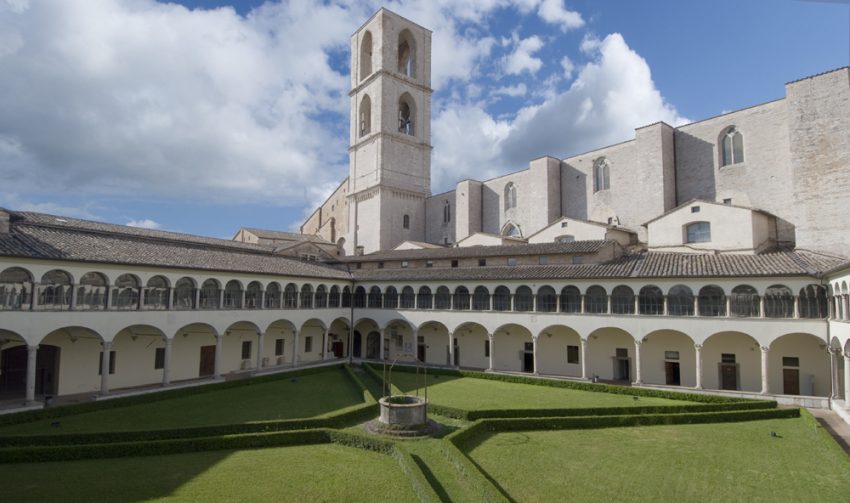
Housed in a former Dominican monastery founded in 1223, the National Archaeological Museum of Perugia (Museo Archeologico Nazionale dell'Umbria) is where the deep past of central Italy suddenly feels very close. From Paleolithic tools and Bronze Age finds to early Iron Age grave goods and Roman artefacts, the museum traces how people have lived, worked, worshipped and buried their dead in this region over thousands of years. It is a big, content-rich museum, so you will want to give yourself time, but the reward is a layered story of Umbrian and Etruscan cities, rural settlements and Roman municipalities told through objects rather than words.
One of the most engaging sections focuses on Perugia itself, charting the city's development from its Umbrian roots in the 11th-8th centuries BC through to the Roman period. Here you will find bronze tools, pottery, glassware, jewellery and armour that feel surprisingly sophisticated, including repoussé shields hammered into intricate relief from the reverse side. Stepping out into the former cloister at the entrance, where stone funerary urns from the Hellenistic period line the walls, you get a free preview of what awaits inside and a strong sense that this is a highlight of any walking tour of Perugia for anyone with even a passing interest in archaeology.
Table of Contents
- History and Significance of the National Archaeological Museum of Perugia
- Things to See and Do in the National Archaeological Museum of Perugia
- How to Get to the National Archaeological Museum of Perugia
- Practical Tips on Visiting the National Archaeological Museum of Perugia
- Where to Stay close to the National Archaeological Museum of Perugia
- Is the National Archaeological Museum of Perugia Worth Visiting?
- FAQs for Visiting National Archaeological Museum of Perugia
- Nearby Attractions to the National Archaeological Museum of Perugia
History and Significance of the National Archaeological Museum of Perugia
The National Archaeological Museum of Perugia owes much of its character to its setting in a former Dominican monastery, founded in 1223. The complex, with its cloisters, long corridors and vaulted spaces, provides an atmospheric backdrop for the archaeological collections, and in some ways continues the monastic tradition of study and preservation of knowledge. Instead of manuscripts, however, this “library” is filled with objects from prehistoric caves, prehistoric and protohistoric settlements, necropolises and Roman sites across Umbria.
Over time, archaeologists and local scholars brought together finds from the Paleolithic, Bronze and early Iron Ages, as well as rich materials from Umbrian, Etruscan and Roman centres. The goal was not simply to display beautiful artefacts but to create a coherent narrative of how central Italy developed. The section devoted specifically to Perugia is especially important: through objects dating from the 11th-8th centuries BC onwards, you can see how an early settlement grew in complexity, wealth and connectivity before becoming a Roman municipality.
The museum’s emphasis on metalwork, especially bronze, highlights the technical skills of ancient artisans. Tools, weapons, glassware and jewellery show everyday life and status, while armour and repoussé shields demonstrate advanced techniques for shaping and decorating metal. Together with pottery, glass and stone funerary art, these collections form one of the most complete overviews of Umbrian archaeology available in a single institution, making the museum a key reference point for anyone interested in the region’s deep past.
Things to See and Do in the National Archaeological Museum of Perugia
Start your visit in the former cloister at the entrance, where the walls are lined with stone funerary urns from the Hellenistic period. This area is freely accessible and already gives you a strong visual introduction to the museum’s scope: carved scenes, inscriptions and varied urn shapes all speak of beliefs about death and the afterlife in a world more than two thousand years removed from ours. Even if you are short on time, a stroll around this cloister is worthwhile.
Inside the paid galleries, follow the chronological route if possible. The earliest rooms, with objects from the Paleolithic, Bronze and early Iron Ages, show how people gradually shifted from mobile hunter-gatherer life to settled communities, developing new tools and materials. Pay attention to the changes in pottery styles, metal tools and burial objects as you move forward in time; they reveal shifts in technology, trade and social complexity. The section dedicated to the city of Perugia connects these broader trends to a specific place, tracing its story from early urban formation through its integration into the Roman world.
Do not miss the bronze collections, which include tools, glassware, jewellery and especially armour and shields made using the repoussé technique. The level of detail achieved by hammering designs from the reverse side is impressive, and these objects help you imagine not only warfare but also ceremony and display among ancient elites. Throughout the museum, look out for explanatory panels that place finds in their original contexts - caves, tombs, sanctuaries and domestic spaces - and try to link what you see here with other Perugian attractions, from the Etruscan Well to the city's surviving gates and walls. Taken together, they show how this museum really is one of the best places to visit in Perugia if you want to understand where the city comes from.
How to Get to the National Archaeological Museum of Perugia
The National Archaeological Museum of Perugia is located in the historic centre, within the former Dominican monastery, and can be reached on foot from major landmarks such as Piazza IV Novembre, Corso Vannucci and the Etruscan Well. Perugia is served by the San Francesco d'Assisi - Umbria International Airport, as well as larger hubs like Rome and Florence, with onward travel by regional train, coach or hire car into the city. For the best deals and a seamless booking experience, check out these flights to Perugia on Booking.com. Once in Perugia, local buses, taxis and the minimetrò provide convenient access to the hilltop centre; from there, it is a short walk through the historic streets to the museum entrance.
If you are arriving by train, Perugia Fontivegge is the main station, with frequent regional connections across central Italy. Use Omnio to easily compare schedules, book train tickets, and find the best prices all in one place for a hassle-free journey across Italy. From the station, take the minimetrò or a city bus directly up to the centro storico, then follow local signage or a map towards the archaeological museum and adjacent landmarks such as the cathedral and Piazza IV Novembre. Walking routes are straightforward and also allow you to see more of the old town as you go.
Those travelling by car should be aware that much of Perugia’s historic core is a restricted traffic zone. It is usually easiest to park in one of the public car parks outside or below the hilltop centre and then use escalators, lifts or signed pedestrian paths into the old town. If you are looking to rent a car in Italy I recommend having a look at Discover Cars, first, as they compare prices and review multiple car rental agencies for you. From the main axis around Corso Vannucci and Piazza IV Novembre, the museum is within comfortable walking distance and easy to combine with other central sights.
Practical Tips on Visiting the National Archaeological Museum of Perugia
- Suggested tips: Plan your visit when you have unhurried time; the collection is extensive, and rushing will make it harder to appreciate the details and historical context.
- Best time to visit: Weekday mornings or mid-afternoons are usually quieter, giving you more space in the galleries to linger over key exhibits.
- Entrance fee: Adults: €5.00
- Opening hours: Tuesday to Sunday 8:30am – 7:30pm, Mondays 10am-7:30pm. Closed on January 1st and December 25th.
- Official website: https://www.musei.umbria.beniculturali.it/musei/museo-archeologico-nazionale-dellumbria/
- How long to spend: Allow at least 1.5 to 2 hours to do the museum justice; dedicated archaeology enthusiasts could easily spend longer.
- Accessibility: The museum occupies a historic monastic complex, so some areas may involve stairs and uneven floors; enquire about lift access and accessible routes if you have reduced mobility.
- Facilities: Expect standard museum services such as ticket desk, cloakroom and toilets; cafés and restaurants are available in the surrounding streets rather than inside the museum itself.
- Photography tip: Focus on close-ups of repoussé armour, shields and jewellery, as well as wide shots of the former cloister lined with funerary urns; follow any restrictions on flash or photography.
- Guided tours: If available, guided visits or audio guides are helpful for understanding the chronological layout and interpreting key artefacts and inscriptions.
- Nearby food options: After your visit, head back towards Piazza IV Novembre or Corso Vannucci for plenty of choices ranging from quick snacks to full meals featuring Umbrian specialities.
Where to Stay close to the National Archaeological Museum of Perugia
Staying near the National Archaeological Museum of Perugia makes it easy to combine a museum visit with the city's main historic sights. For a refined hotel with panoramic views and simple access to the museum and nearby attractions, Sina Brufani offers classic comfort right at the top of the old town. If you prefer a more intimate property in the medieval streets within walking distance of the museum, Hotel Priori Secret Garden combines character with convenience. A good mid-range, friendly option is Albergo Morlacchi, from which you can stroll to the archaeological museum, the cathedral and many of Perugia’s best cafés and wine bars.
Is the National Archaeological Museum of Perugia Worth Visiting?
The National Archaeological Museum of Perugia is absolutely worth visiting, particularly if you are curious about how this hilltop city fits into the wider story of ancient central Italy. Few places bring together such a broad sweep of time, from the Paleolithic through the Bronze and Iron Ages to the Etruscan and Roman periods, in such evocative surroundings. The combination of well-presented artefacts, a strong section devoted to Perugia itself and the atmospheric monastic setting makes it a deeply rewarding stop. Whether you are an archaeology buff or simply a traveller who enjoys context and stories behind the stones, this museum will significantly deepen your understanding of Umbria.
What Other Travellers Say...

The National Gallery on Corso Pietro Vannucci sits in a Gothic palazzo and showcases regional art and artifacts from the 13th to 19th centuries; visitors praise its luminous Renaissance rooms, religious artworks and sculptures by noted artists, say it’s larger and better spaced than expected, and recommend spending 90–180 minutes to explore, though some note confusing signage, a no-drinks policy, and that the space feels a bit small for a national gallery.


FAQs for Visiting National Archaeological Museum of Perugia
Nearby Attractions to the National Archaeological Museum of Perugia
- Piazza IV Novembre: Perugia's main square, with the Great Fountain, Cathedral of San Lorenzo and Palazzo dei Priori, a natural hub before or after your museum visit.
- National Gallery of Umbria: Major art museum in Palazzo dei Priori, showcasing Umbrian painting and sculpture from the 13th to 19th centuries.
- Etruscan Well (Pozzo Etrusco): Ancient subterranean water system offering another perspective on the region's pre-Roman engineering.
- Rocca Paolina: Atmospheric underground remains of a 16th century papal fortress, now a pedestrian route and event space.
- House Museum of Palazzo Sorbello: Intimate noble residence near the Etruscan Well, with a rich library, Murano chandelier and Sorbello Point embroidery displays.
The National Archeological Museum of Perugia appears in our Complete Guide to Visiting Perugia!

Moira & Andy
Hey! We're Moira & Andy. From hiking the Camino to trips around Europe in Bert our campervan — we've been traveling together since retirement in 2020!
This website uses affiliate links which may earn a commission at no additional cost to you!
Planning Your Visit
Tuesday to Sunday 8:30am - 7:30pm, Mondays 10am-7:30pm.
Closed on January 1st and December 25th.
Adults: €5.00
Nearby Attractions
- Civic Museum at Palazzo della Penna (0.2) km
Historic Building and Museum - Rocca Paolina (0.3) km
Castle and Gallery - Piazza Italia (0.3) km
Square - Palazzo Baldeschi al Corso (0.5) km
Palace - Perugino Monument (0.5) km
Monument - Palazzo del Capitano del Popolo (0.5) km
Palace - Corso Vannucci (0.5) km
Street - Nobile Collegio del Cambio (0.5) km
Museum - National Gallery of Umbria (0.6) km
Gallery - Nobile Collegio della Mercanzia (0.6) km
Historic Building and Museum